
What is a dollar weed? Dollar weed is a persistent, low-growing perennial weed that often invades lawns. Can I get rid of dollar weeds naturally? Yes, you can get rid of dollar weeds naturally through proper lawn care practices and some manual removal methods, although chemical treatments are often the fastest and most effective for severe infestations. Who is most affected by dollar weeds? Lawns in warm, humid climates, particularly those with compacted soil or poor drainage, are most susceptible to dollar weeds.
Dollar weeds, scientifically known as Hydrocotyle spp., are a common nemesis for homeowners aiming for a pristine lawn. Their distinctive, rounded, umbrella-like leaves with scalloped edges make them easily identifiable, but unfortunately, also resilient. If you’re battling these invaders, you’re likely wondering about the best way to get rid of dollar weeds. This comprehensive guide will delve into various dollar weed removal methods, effective dollar weed control strategies, and essential lawn care dollar weeds practices to help you eliminate dollar weeds and maintain a healthy, vibrant lawn.
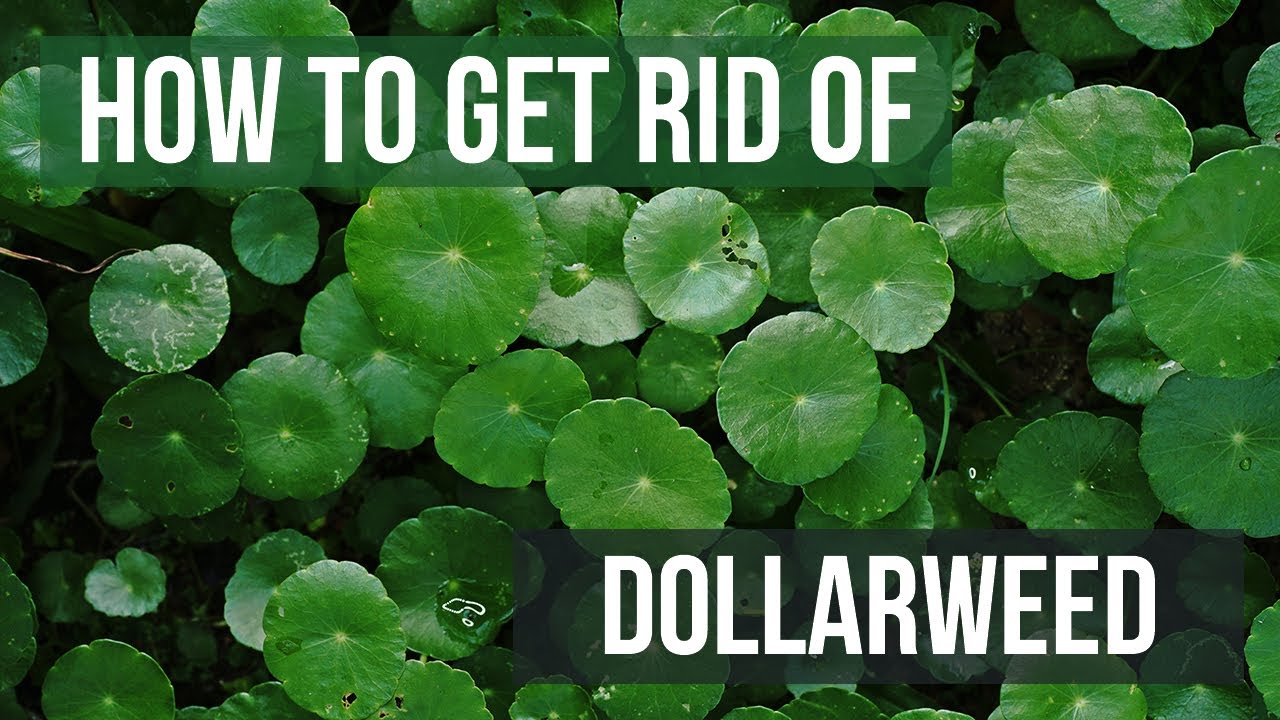
Image Source: i.ytimg.com
Deciphering Dollar Weed: The Enemy Within
Before we discuss how to remove dollar weeds, it’s crucial to grasp why they thrive and how they spread. Dollar weeds are not just unsightly; they are a sign of underlying issues in your lawn.
Why Dollar Weeds Invade
Dollar weeds have a strong preference for certain lawn conditions:
- Compacted Soil: Dense, compacted soil restricts grass root growth, leaving space for shallow-rooted weeds like dollar weed to establish.
- Poor Drainage: Areas that remain soggy or waterlogged are prime real estate for dollar weeds, as they love moist environments.
- Low Mowing Height: Cutting your grass too short weakens it, making it vulnerable to weed invasion.
- Thatch Buildup: A thick layer of thatch can smother healthy grass and provide a favorable environment for weed seeds.
- Lack of Fertilization: Weak, undernourished grass cannot compete with aggressive weeds for resources.
How Dollar Weeds Spread
Dollar weeds are masters of propagation. They spread primarily through:
- Rhizomes: These are underground stems that grow horizontally, sending up new shoots and roots at regular intervals. This is how a single dollar weed plant can quickly turn into a widespread problem.
- Stolons: Similar to rhizomes, stolons are above-ground stems that creep along the soil surface, rooting and forming new plants where they touch the ground.
- Seed: While less common than vegetative spread, dollar weeds can also produce seeds, which can be spread by wind, water, or equipment.
Strategies for Killing Dollar Weeds
Killing dollar weeds requires a multi-pronged approach, combining immediate action with long-term prevention. Here are the most effective methods.
Manual Removal: The Hands-On Approach
For small infestations, manual removal can be effective. This is a good option if you prefer an organic approach or want to remove dollar weeds without chemicals.
How to Manually Remove Dollar Weeds:
- Timing is Key: The best time to pull dollar weeds is after a rain or watering, when the soil is soft and moist. This makes it easier to extract the entire root system.
- Tools of the Trade: Use a trowel, a weeding fork, or a specialized dandelion digger. The goal is to get deep enough to capture the extensive rhizome network.
- Dig Deep: Loosen the soil around the dollar weed plant. Gently pull the weed upwards, trying to get as much of the root and rhizomes as possible.
- Dispose Properly: Place the pulled weeds in a plastic bag and discard them in the trash. Do not compost them, as they can regrow.
- Repeat: You will likely need to repeat this process regularly, as missed rhizomes can quickly lead to regrowth.
Pros of Manual Removal:
- Environmentally friendly.
- No risk of damaging desirable grass.
- Immediate visual improvement.
Cons of Manual Removal:
- Time-consuming for large infestations.
- Difficult to remove the entire root system, leading to regrowth.
- Labor-intensive.
Chemical Treatments: Targeted Action
When manual removal isn’t enough, herbicides become a necessary tool for dollar weed control. It’s crucial to choose the right herbicide and apply it correctly to eliminate dollar weeds without harming your lawn.
Broadleaf Herbicides
Most herbicides designed for broadleaf weeds will effectively kill dollar weeds. Look for products containing active ingredients such as:
- 2,4-D: A common and effective broadleaf herbicide.
- Dicamba: Another potent broadleaf killer.
- MCPP (Mecoprop): Often used in combination with 2,4-D.
- Triclopyr: Very effective for tough-to-control broadleaf weeds.
How to Apply Broadleaf Herbicides:
- Read the Label: Always read and follow the product label instructions carefully. This includes application rates, safety precautions, and recommended mowing times.
- Choose the Right Time: Apply when temperatures are between 60-85°F (15-29°C) and when there is no wind to prevent drift. Avoid applying before rain, as it can wash the herbicide away.
- Spot Treatment: For scattered dollar weeds, spot treating is the most efficient method. Apply the herbicide directly to the weed leaves.
- Broadcast Application: For widespread infestations, you may need to broadcast the herbicide over the entire lawn. Use a spreader for even application.
- Patience: It may take a week or two to see full results. You might need a second application for stubborn weeds.
Important Considerations for Chemical Treatments:
- Lawn Type: Ensure the herbicide is safe for your specific type of lawn grass. Some herbicides can damage or kill certain grass species.
- Timing: Avoid applying herbicides when temperatures exceed 85°F (29°C), as this can damage your lawn.
- Sensitivity: Some grass types, like St. Augustinegrass or centipedegrass, are more sensitive to certain herbicides. Always check compatibility.
Post-Emergent vs. Pre-Emergent
For killing dollar weeds, post-emergent herbicides are generally used, as they target weeds that have already emerged. Pre-emergent herbicides are used to prevent weed seeds from germinating, which isn’t the primary method for controlling dollar weed in grass that is already present.
Organic Weed Control Methods
If you’re looking for a more natural approach to dollar weed treatment, several options exist:
- Vinegar: Horticultural vinegar (acetic acid) can burn the leaves of dollar weeds on contact. However, it is non-selective, meaning it can also harm your grass. Use with extreme caution and spot-treat only. Multiple applications may be needed.
- Boiling Water: Similar to vinegar, pouring boiling water directly on dollar weeds can kill them. This is best for small patches and requires care to avoid scalding your grass.
- Corn Gluten Meal: This is a natural pre-emergent that can inhibit root formation in germinating seeds. It’s most effective when applied in early spring before weeds emerge and requires repeated applications. It also acts as a natural fertilizer.
Prevent Dollar Weeds: The Proactive Defense
The most effective way to manage dollar weeds is to prevent dollar weeds from establishing in the first place. This involves creating a healthy, dense lawn that can outcompete weeds.
Core Lawn Health Practices
These are the cornerstones of a weed-free lawn:
Proper Mowing
- Mow High: Set your mower to the highest recommended setting for your grass type. Taller grass shades the soil, preventing weed seeds from germinating and encouraging deeper root growth in your grass. For most cool-season grasses, this is around 3-4 inches. For warm-season grasses, it can be 1-3 inches depending on the species.
- Sharp Mower Blades: Dull blades tear grass, making it susceptible to disease and stress. Sharp blades make clean cuts that heal quickly.
- Don’t Mow Wet Grass: This can spread diseases and create an uneven cut.
Consistent Watering
- Deep and Infrequent: Water your lawn deeply and less often. This encourages grass to develop deep root systems, making it more drought-tolerant and competitive. Aim for about 1 inch of water per week, delivered in one or two watering sessions.
- Avoid Shallow Watering: Frequent, light watering encourages shallow root growth, which is less resilient and makes the grass more susceptible to weeds.
- Monitor Soil Moisture: Use a soil moisture meter or simply push a screwdriver into the ground. If it goes in easily, the soil is moist enough.
Regular Fertilization
- Feed Your Lawn: A well-fertilized lawn is a thick, healthy lawn that can choke out weeds.
- Soil Test: Get a soil test to determine your lawn’s specific nutrient needs.
- Follow a Schedule: Fertilize according to your grass type and local recommendations, typically in the spring and fall.
Aeration
- Relieve Compaction: Aeration involves removing small plugs of soil from the lawn, which helps to alleviate soil compaction and improve air, water, and nutrient penetration to the roots.
- When to Aerate: Aerate when your grass is actively growing. For cool-season grasses, this is usually in the fall or early spring. For warm-season grasses, it’s best done in late spring or early summer.
Dethatching
- Manage Thatch: Thatch is a layer of dead and living organic matter that builds up between the grass blades and the soil. A thatch layer over half an inch thick can harbor pests and diseases and prevent water and nutrients from reaching the roots.
- When to Dethatch: Dethatch when your grass is actively growing, typically in conjunction with aeration.
Overseeding for Density
If your lawn has thin patches or is struggling, overseeding can dramatically improve its density and its ability to resist weeds like dollar weeds.
- Choose the Right Seed: Select a grass seed variety that is well-suited to your climate and existing lawn type.
- Prepare the Area: Lightly rake the area to loosen the soil.
- Spread the Seed: Distribute the seed evenly.
- Water Consistently: Keep the newly seeded areas consistently moist until the grass is established.
Dollar Weed Treatment: A Step-by-Step Guide
For effective dollar weed treatment, consider this integrated approach:
- Identify the Problem: Confirm that you are indeed dealing with dollar weeds and assess the extent of the infestation.
- Assess Lawn Health: Examine your lawn for signs of compaction, poor drainage, or nutrient deficiencies.
- Prioritize Prevention: Implement the core lawn health practices mentioned above. A healthy lawn is your best defense.
- Manual Removal (Small Infestations): For isolated plants, hand-pull them, ensuring you remove as much of the root system as possible.
- Chemical Treatment (Larger Infestations): If manual removal is impractical, select a broadleaf herbicide labeled for dollar weed control and safe for your grass type. Apply carefully according to label instructions.
- Follow-Up: Monitor your lawn for any returning dollar weeds. Repeat treatments as necessary, but allow your grass time to recover between applications.
- Improve Drainage: Address any low-lying areas that collect water. This might involve adding soil, creating channels, or installing a drainage system.
- Aerate and Dethatch: If your soil is compacted or thatch is a problem, aeration and dethatching will significantly improve lawn health and weed resistance.
- Overseed Thin Areas: Fill in any bare or thin spots with new grass seed to create a dense turf.
Common Questions About Dollar Weeds
Here are answers to some frequently asked questions about controlling dollar weed in grass.
How long does it take to get rid of dollar weeds?
The time it takes to eliminate dollar weeds can vary greatly depending on the severity of the infestation and the methods used. Manual removal might offer immediate visual improvement but requires persistence. Chemical treatments typically show results within 7-14 days, but complete eradication might take several applications over a season or even across multiple seasons, especially if the root system is extensive. Long-term prevention through improved lawn health is key to lasting control.
Can I use common household items to kill dollar weeds?
While some household items like horticultural vinegar or boiling water can kill dollar weeds on contact, they are often non-selective and can damage your desirable lawn grass. Their effectiveness is also limited, as they may not kill the extensive root system, leading to regrowth. For robust dollar weed control, specifically formulated herbicides or robust cultural practices are generally more effective and safer for your lawn.
What is the best time of year to treat dollar weeds?
The best time to treat dollar weeds is generally when they are actively growing, which is typically in the warmer months from late spring through summer. For chemical treatments, apply herbicides when temperatures are between 60-85°F (15-29°C) and the weeds are not stressed by drought. Early intervention in the spring, before they become well-established, can also be very effective.
Are dollar weeds harmful to my lawn?
Dollar weeds are not directly harmful to your lawn’s grass in terms of disease transmission. However, they are highly competitive. Their aggressive spreading via rhizomes and stolons can quickly choke out grass, stealing sunlight, water, and nutrients. This weakens your lawn, making it more susceptible to other problems, and detracts from its overall appearance and density.
Conclusion: Your Path to a Dollar Weed-Free Lawn
Getting rid of dollar weeds fast and effectively is achievable with a strategic and consistent approach. It’s about more than just killing dollar weeds in the short term; it’s about fostering a healthy lawn ecosystem that can naturally resist and outcompete these invasive plants. By combining appropriate dollar weed treatment methods with sound lawn care dollar weeds practices aimed at preventing dollar weeds, you can reclaim your lawn and enjoy a lush, green carpet that truly impresses. Remember, patience and persistence are your allies in the ongoing battle for a beautiful, weed-free lawn.