
Can you get rid of mushrooms in your lawn? Yes, you can get rid of mushrooms in your lawn, and it’s often about managing the conditions that encourage them to grow. Mushrooms are a natural part of a healthy ecosystem, but their sudden appearance can be unsightly and sometimes concerning for homeowners. This guide will walk you through the most effective and safe ways to tackle these fungal visitors.
Mushrooms popping up in your lawn can be a puzzling sight. While they’re often harmless, and even a sign of a healthy soil ecosystem, their presence can be unwelcome. So, how do you effectively manage mushroom growth in your yard? It boils down to understanding why they appear and then implementing targeted strategies for mushroom removal lawn. This article will provide a comprehensive approach, covering everything from immediate mushroom control lawn tactics to long-term lawn fungus treatment and preventing their return.
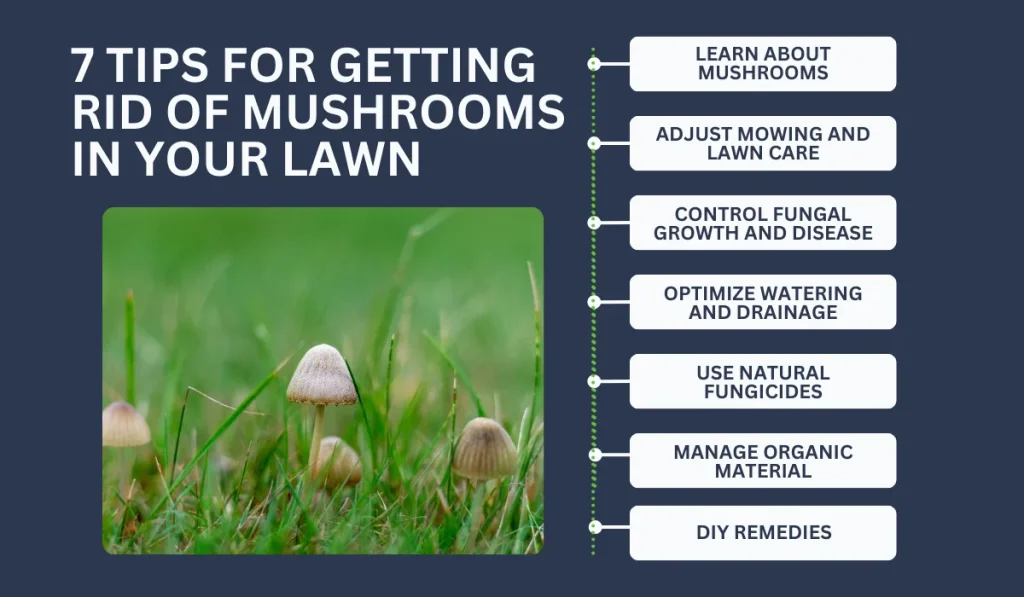
Image Source: sodlawn.com
Why Do Mushrooms Grow in My Lawn?
Mushrooms are the fruiting bodies of fungi that live underground in a network of mycelium. They appear when conditions are just right for reproduction. Several factors contribute to mushroom growth:
- Excessive Moisture: Fungi thrive in damp environments. Overwatering, poor drainage, or consistent rainfall can create ideal conditions for mushrooms.
- Decomposing Organic Matter: Mushrooms are nature’s recyclers. They feed on dead organic material like old tree stumps, buried roots, thatch, leaves, and pet waste. If these are abundant in your lawn, mushrooms are likely to follow.
- Shady Conditions: Many types of fungi prefer shaded, humid areas. Lawns with dense tree cover or areas that receive little sunlight are more prone to mushroom outbreaks.
- Compacted Soil: Compacted soil restricts airflow and water drainage, creating a damp environment where fungi can flourish.
- Thatch Buildup: A thick layer of thatch (dead and living grass stems and roots) on the soil surface can trap moisture and provide a food source for fungi.
Common Causes Explained
Let’s delve a bit deeper into the main reasons you might be seeing these fungi:
- Water Woes: Too much water is a primary culprit. Think about how you water your lawn. Are you watering deeply but infrequently, or are you giving it a light sprinkle every day? The latter can keep the surface perpetually damp, a breeding ground for fungi. Even natural rainfall can be a factor, especially if your soil doesn’t drain well.
- Food for Fungi: Your lawn is a living system, and that includes things breaking down. Old leaves that haven’t been raked, forgotten pet waste, or even woody debris buried beneath the grass can all serve as a buffet for fungi. Lawn grub control is also indirectly related, as grubs can damage grass, creating weak spots where fungi can take hold.
- Sunlight Scarcity: Just like us, plants need sunlight. If your lawn is mostly in the shade, it’s a naturally more humid and less dry environment, which fungi love.
- Hard-Packed Ground: When soil gets compacted, water can’t soak in properly. It sits on the surface, making it wet and inviting for fungi. This is also where lawn aeration becomes important, as it helps break up this compaction.
- Thick, Soggy Layers: Thatch is the layer between your green grass and the soil. If it gets too thick, it acts like a sponge, holding onto moisture and providing a food source. This is why thatch removal lawn is a crucial part of lawn care.
Identifying the Problem: What Type of Lawn Fungus Are You Dealing With?
While we’re focusing on mushrooms, it’s important to note that mushrooms are just one visible sign of a fungal presence. Sometimes, you might see other lawn disease mushrooms or symptoms. Knowing the type of fungal issue can help tailor your approach.
Fairy Rings
One of the most distinctive signs of fungal activity, besides mushrooms themselves, is the “fairy ring.” This is a circle of darker green grass, often with mushrooms growing along the outer edge.
What Are Fairy Rings?
Fairy rings are circular patterns of fungal growth in a lawn. The mycelium spreads outward from a central point underground, feeding on organic matter. The mushrooms are the reproductive stage of this underground fungus. The darker green grass is caused by the fungus releasing nitrogen as it breaks down organic matter.
Getting Rid of Fairy Rings
Get rid of fairy rings by addressing the underlying fungal growth. For small rings, simply remove the mushrooms and the affected turf, and reseed. For larger or persistent rings, consider these steps:
- Improve Drainage: Ensure your soil drains well.
- Aeration: Core aeration can help break up the compacted soil and improve air and water flow.
- Thatch Removal: Reduce the thatch layer, which can harbor fungi.
- Watering Practices: Adjust your watering to avoid overly saturated conditions.
- Fertilization: Proper fertilization can help the grass outcompete the fungus, especially in the less affected areas.
Other Fungal Lawn Diseases
While mushrooms are the focus, other lawn disease mushrooms might manifest as discolored patches, powdery mildew, or brown spots. These are all indicators that your lawn’s ecosystem is out of balance. Addressing the root causes of mushroom growth will often help mitigate these other issues too.
Methods for Mushroom Removal Lawn
Now that we know why they appear, let’s talk about how to get them gone. There are several approaches, from quick fixes to more sustainable solutions.
Quick Fixes (The “Just Get Rid of Them” Approach)
If you need mushrooms gone immediately for aesthetic reasons or because you have pets or children, these methods work:
1. Manual Removal
The simplest and most direct method is to pick them by hand.
- Wear Gloves: It’s a good idea to wear gloves, though most common lawn mushrooms are not harmful to touch.
- Pull or Dig: Gently pull the mushrooms from the soil. If they are firmly rooted, you might need to use a trowel or spade to dig them out, ensuring you get the entire mushroom, including the base.
- Dispose Properly: Place the removed mushrooms in a sealed plastic bag and dispose of them in the trash. This prevents spores from spreading.
2. Raking and Sweeping
While not removing the underground mycelium, regular raking can help break up mushroom caps and scatter spores, reducing their visual impact.
- Frequent Raking: For areas with dense mushroom growth, a stiff rake can help.
- Sweep Paths: If mushrooms are on pathways, sweeping them away is a quick solution.
Sustainable Solutions (Addressing the Root Cause)
These methods focus on changing the conditions that allow mushrooms to thrive, offering a more long-term mushroom control lawn strategy.
1. Improve Soil Drainage
Poor drainage is a major factor.
- Check for Compaction: If water pools on your lawn for extended periods after rain, your soil might be compacted.
- Lawn Aeration: This is one of the most effective ways to combat compaction. Core aeration pulls plugs of soil from the ground, allowing air, water, and nutrients to penetrate deeper. This process is crucial for soil health lawn.
- Timing: Aerate when your grass is actively growing. For cool-season grasses, this is typically spring and fall. For warm-season grasses, it’s late spring or early summer.
- How it Helps: Aeration reduces moisture retention in the top layer of soil, making it less hospitable to fungi.
2. Manage Thatch
A thick thatch layer holds moisture and provides food for fungi.
- What is Thatch? It’s the layer of dead and living grass stems, roots, and debris between the green grass blades and the soil surface.
- Thatch Removal Lawn: If your thatch layer is more than half an inch thick, it’s time for removal.
- Dethatching: You can use a power dethatcher (a machine with metal tines) or a manual rake.
- Timing: Dethatch when your grass is actively growing so it can recover quickly.
3. Adjust Watering Practices
Overwatering is a common cause of mushrooms.
- Water Deeply, Less Often: Aim to water your lawn deeply enough to moisten the soil to a depth of 4-6 inches, but do so less frequently. This encourages deeper root growth and allows the surface to dry out between waterings.
- Water in the Morning: Watering in the early morning allows any moisture on the grass blades to evaporate throughout the day, reducing the damp conditions that fungi prefer. Avoid evening watering if possible.
- Check Soil Moisture: Before watering, check the soil moisture. Stick a screwdriver or soil probe into the ground. If it goes in easily and the soil feels moist, you don’t need to water.
4. Fertilize Appropriately
A healthy, vigorous lawn can often outcompete fungal growth.
- Balanced Fertilization: Use a balanced fertilizer according to your lawn’s needs. Over-fertilizing, especially with nitrogen, can sometimes promote lush, rapid growth that is more susceptible to disease and can create thatch.
- Soil Testing: Consider a soil test to determine the specific nutrient needs of your lawn and adjust your fertilization accordingly. This is key to improving overall soil health lawn.
5. Remove Organic Debris
Clean up anything that can decompose and feed fungi.
- Rake Leaves: Don’t let fallen leaves accumulate on your lawn.
- Clean Up Pet Waste: Animal droppings contain organic matter and nutrients that fungi can utilize.
- Remove Dead Wood: If you have old tree stumps, buried roots, or other woody debris, remove them.
6. Address Shade Issues
If shade is a major factor, consider these options:
- Prune Trees: Trim branches to allow more sunlight to reach the lawn.
- Choose Shade-Tolerant Grass: If your lawn is consistently shady, consider overseeding with grass varieties that are more tolerant of low-light conditions.
Chemical Treatments (Use with Caution)
Chemical fungicides can be used to kill lawn mushrooms, but they are often a last resort and don’t address the underlying cause. They can also be harmful to beneficial soil organisms, pets, and children if not used correctly.
When to Consider Fungicides
- Severe Outbreaks: If mushrooms are widespread and persistent, and other methods haven’t worked.
- Specific Disease Identification: If you can identify a specific fungal disease that warrants a fungicide.
Types of Lawn Fungicides
- Contact Fungicides: These kill fungi on contact and can provide quick results for visible mushrooms.
- Systemic Fungicides: These are absorbed by the plant and fight fungi from within. They are more effective for treating lawn diseases than for simply removing mushrooms.
Important Precautions for Chemical Use:
- Read the Label: Always read and follow the instructions on the product label carefully.
- Target Application: Apply only to affected areas.
- Safety Gear: Wear appropriate protective gear, such as gloves and a mask.
- Pet and Child Safety: Keep pets and children off the treated lawn until it is completely dry and safe according to the product label.
- Environmental Impact: Be mindful of the potential impact on beneficial insects and the environment.
It’s often more effective and environmentally sound to focus on improving cultural practices for long-term mushroom control lawn.
Preventing Mushrooms from Returning
The best way to deal with mushrooms is to prevent them from growing in the first place. By consistently implementing good lawn care practices, you can create an environment that is less hospitable to fungi.
Maintaining a Healthy Lawn
A healthy, dense lawn is your best defense against many lawn problems, including mushrooms.
- Proper Mowing: Mow at the correct height for your grass type. Taller grass shades the soil, keeping it cooler and reducing evaporation, but too much shade can still be an issue. Don’t remove more than one-third of the grass blade at a time.
- Consistent Watering and Fertilization: Stick to a regular watering schedule that encourages deep roots and fertilize as needed based on soil tests.
- Overseeding: Regularly overseeding your lawn can help fill in thin patches and improve its overall density.
Long-Term Soil Health Lawn
Focusing on soil health lawn is paramount. Healthy soil supports a strong root system and beneficial microbial activity that can help keep pathogenic fungi in check.
- Composting: Incorporating compost into your soil annually can improve its structure, drainage, and nutrient content.
- Avoid Soil Compaction: Be mindful of foot traffic and heavy machinery on your lawn, especially when the ground is wet. Regular aeration is key.
Frequently Asked Questions (FAQ)
Q1: Are lawn mushrooms dangerous?
A: Most lawn mushrooms are not poisonous to touch, but it’s always best to err on the side of caution and keep pets and children away from them until they are removed. If ingested, some species can cause digestive upset or more severe reactions in pets and humans. It’s generally advised not to eat any wild mushrooms unless identified by an expert.
Q2: Will mowing the lawn kill mushrooms?
A: Mowing will cut the mushroom caps, but it won’t kill the underground mycelium or prevent new mushrooms from growing. It’s a temporary fix for visibility but not a solution for eradication.
Q3: What is a good way to permanently get rid of mushrooms?
A: There’s no guaranteed “permanent” fix because fungi are natural soil organisms. However, you can significantly reduce or eliminate mushroom growth by consistently practicing good lawn care: improving drainage, managing thatch, adjusting watering habits, and removing organic debris. Addressing these conditions is the most effective way to achieve long-term mushroom control lawn.
Q4: Can I use bleach to kill lawn mushrooms?
A: While bleach can kill mushrooms, it is not recommended for lawn use. Bleach is a harsh chemical that can damage your grass, harm beneficial soil microbes, and potentially contaminate your soil and water. It’s much safer and more effective to use lawn-specific treatments or cultural practices.
Q5: Is it bad if I have mushrooms in my lawn?
A: Mushrooms are often a sign of a healthy, albeit moist, soil ecosystem that is actively decomposing organic matter. However, their appearance can indicate underlying issues like poor drainage, excessive thatch, or overwatering, which can weaken your lawn over time. If you want to kill lawn mushrooms, it’s usually to improve the lawn’s appearance or manage these contributing factors.
Q6: How does lawn aeration help with mushroom problems?
A: Lawn aeration helps by reducing soil compaction. Compacted soil traps moisture and limits air circulation, creating an ideal damp environment for fungi. Aeration creates small holes in the soil, allowing better drainage and airflow, which dries out the soil surface and makes it less hospitable for mushroom growth.
Q7: What is the best time to treat for mushrooms or fungal issues?
A: The best time to address the underlying causes of mushrooms is generally when your grass is actively growing. This allows the grass to recover from treatments like aeration or dethatching and helps it outcompete fungal growth. For most cool-season grasses, spring and fall are ideal. For warm-season grasses, late spring to early summer is best.
By following these steps, you can effectively manage and prevent mushroom growth, ensuring a healthier and more attractive lawn. Remember, consistency in good lawn care is key to long-term success.