
Can you get rid of nutgrass permanently? Yes, by combining consistent effort, the right methods, and patience, you can achieve permanent nutgrass removal. This pesky weed, scientifically known as Cyperus rotundus, is notoriously difficult to eliminate due to its underground tuber system. It’s not actually a grass, but a sedge, identifiable by its triangular stems and grass-like leaves. If you’re wondering how to tackle this invasive problem, you’re in the right place. This comprehensive guide will walk you through effective strategies for nutgrass control.
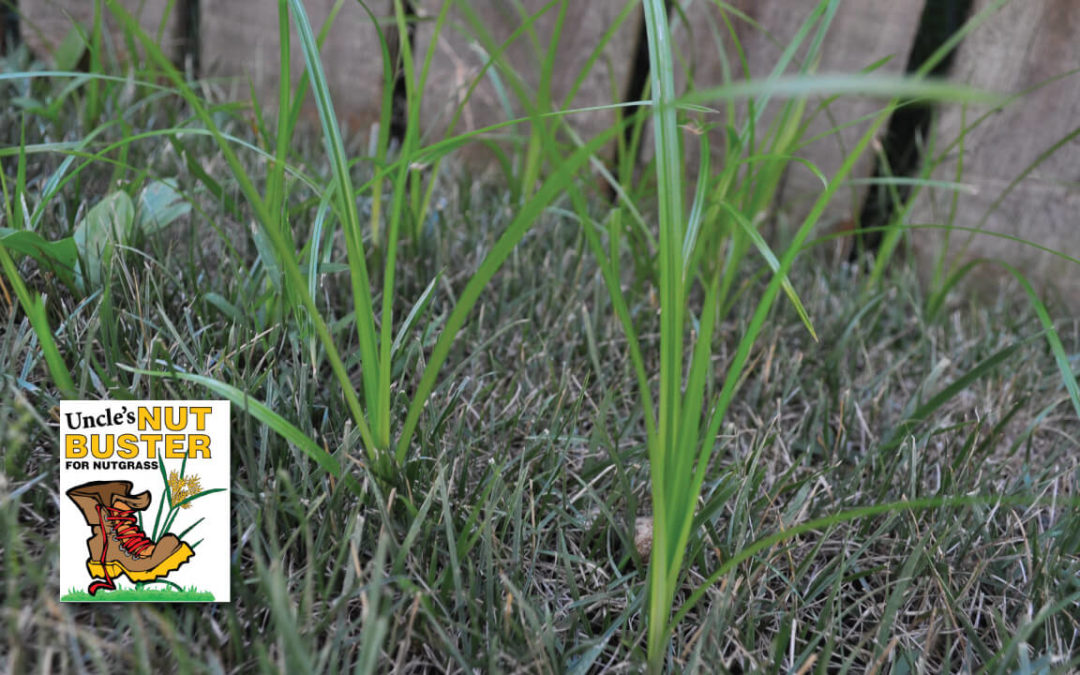
Image Source: grasspad.com
Fathoming the Challenge: Why Nutgrass is So Stubborn
Nutgrass is a formidable opponent in the battle for a pristine lawn. Its resilience stems from its unique reproductive strategy. It spreads not only through seeds but, more critically, through underground tubers, also called “nuts.” These nuts can lie dormant for years and are remarkably tough. When you pull or dig up the green shoots, you might be leaving behind thousands of these nuts, ready to sprout when conditions are favorable. This is why simply pulling the visible weeds often fails in truly eliminating nutgrass.
The Underground Network: Understanding Nutgrass Tubers
Each nutgrass plant can produce a vast network of tubers, connected by rhizomes (underground stems). A single plant can generate hundreds or even thousands of these energy-rich storage organs. These tubers are the key to its survival and aggressive spread. They allow the plant to survive drought, herbicides, and mowing, and to quickly re-establish itself. Effective nutgrass removal must target these subterranean structures.
Strategies for Eliminating Nutgrass
Getting rid of nutgrass requires a multi-pronged approach. Relying on a single method is rarely enough. A combination of manual removal, chemical treatments, and preventative measures offers the best chance for long-term success.
Manual Nutgrass Removal: The First Line of Defense
While labor-intensive, manual nutgrass removal can be effective, especially for small infestations. The goal is to remove as much of the plant, including the tubers, as possible.
The Right Time and Technique for Pulling
- Timing is Crucial: The best time to pull nutgrass is when the soil is moist, making it easier to extract the entire plant and its root system, including the tubers. After a good rain or watering is ideal.
- Dig Deep: Use a trowel or a specialized weed-pulling tool to dig around the base of the nutgrass plant. The goal is to loosen the soil and get underneath the tuber system.
- Extract All Parts: Gently pull the entire plant upwards. Try to ensure you’re removing all visible tubers and rhizomes. Inspect the soil you’ve disturbed for any remaining nuts.
- Dispose Carefully: Bag the removed nutgrass and tubers immediately. Do not compost them, as the tubers can survive composting and reinfect your garden or lawn. Dispose of them in your household waste or burn them if local regulations allow.
- Repeat, Repeat, Repeat: You will need to be persistent. Continue to monitor the area and pull any new shoots that emerge.
Limitations of Manual Removal
While a good starting point, manual nutgrass removal alone is unlikely to permanently eliminate the problem. The sheer number of tubers and their ability to remain dormant means that you’ll likely see regrowth. However, it significantly reduces the weed population and weakens the existing plants, making them more susceptible to other treatments.
Chemical Solutions for Nutgrass Control
When manual methods aren’t enough, chemical treatments can be a powerful tool for killing nutgrass. It’s important to choose the right type of weed killer and apply it correctly.
Post-Emergent Weed Killers for Nutgrass
Post-emergent herbicides are applied to actively growing weeds. For nutgrass, specific herbicides are more effective than general-purpose weed killers.
-
Active Ingredients to Look For:
- Halosulfuron-methyl: This is one of the most effective herbicides for controlling nutgrass in lawns. It’s a selective herbicide, meaning it targets nutgrass and other sedges without significantly harming most common turfgrass species. It works by inhibiting a key enzyme in the plant, eventually killing it.
- Sulfentrazone: Another effective option that can control nutgrass and other broadleaf weeds. It works by disrupting the plant’s cell membranes.
- Mesotrione: While primarily used for broadleaf weed control, mesotrione can also suppress nutgrass growth.
-
Application Tips for Post-Emergent Herbicides:
- Read the Label: Always read and follow the product label instructions carefully. This includes the correct mixing ratio, application rate, and any safety precautions.
- Targeted Application: Apply the weed killer directly to the nutgrass plants. Avoid spraying desirable turfgrass if possible, especially if the product is not specifically labeled as safe for your lawn type.
- Timing of Application: Apply when nutgrass is actively growing and not under environmental stress (e.g., drought or extreme heat).
- Repeat Applications: Due to the tuber system, a single application is rarely sufficient. Follow label recommendations for repeat applications, usually spaced several weeks apart, to kill newly emerged shoots from dormant tubers.
-
Considerations for Different Lawn Types:
- Warm-Season Grasses: Some herbicides are more forgiving on warm-season grasses like Bermuda, Zoysia, and St. Augustine.
- Cool-Season Grasses: Cool-season grasses like Fescue and Ryegrass can be more sensitive to certain herbicides. Always check the product label to ensure it’s safe for your specific turf type.
Pre-Emergent Herbicides for Nutgrass Prevention
Pre-emergent herbicides work by preventing weed seeds from germinating. While less effective against the established tuber system of nutgrass, they can play a role in preventing new infestations from taking hold and can complement post-emergent treatments.
- How They Work: Pre-emergents create a chemical barrier in the soil that kills weed seedlings as they sprout.
- Timing is Key: For nutgrass, pre-emergents are typically applied in late winter or early spring, before temperatures warm up and the nuts begin to sprout.
- Limited Effectiveness on Tubers: It’s important to remember that pre-emergents are not effective against existing nutgrass plants or their tubers. Their main role is to stop new plants from establishing from seed.
- Common Pre-Emergent Ingredients: Products containing Dithiopyr or Pendimethalin are often used for pre-emergent weed control in lawns. Always confirm they are labeled for nutgrass prevention.
Organic Nutgrass Control: A Greener Approach
For those seeking to avoid synthetic chemicals, organic nutgrass control methods are available, though they often require more time and persistence.
Natural Methods for Killing Nutgrass
- Vinegar (Acetic Acid): Horticultural vinegar (higher concentration than kitchen vinegar) can burn the foliage of nutgrass. However, it’s a non-selective contact killer, meaning it will also damage any desirable grass it touches. It does not kill the tubers effectively. Multiple applications are needed.
- Boiling Water: Pouring boiling water directly on nutgrass can kill the plant on contact. Similar to vinegar, it primarily affects the above-ground parts and is unlikely to eradicate the tubers. Use with extreme caution to avoid damaging your lawn.
- Corn Gluten Meal: This is a natural pre-emergent that also provides nitrogen. Applied in spring and fall, it can help prevent weed seeds from germinating, including potentially nutgrass seeds. Its effectiveness on established nutgrass tubers is limited.
- Dense Turf: A healthy, thick lawn is your best defense against any weed. Proper mowing, watering, and fertilization will create a dense turf that crowds out weeds like nutgrass.
The Importance of Soil Health in Organic Control
Improving soil health is a cornerstone of organic lawn care and can indirectly help combat nutgrass. Healthy soil supports strong turf growth, making it more competitive against weeds.
- Aeration: Improves soil structure, allowing for better water and nutrient penetration to your turfgrass roots.
- Overseeding: Filling in bare or thin patches with desirable grass seed creates a denser lawn that suppresses weed growth.
- Composting: Adding organic compost improves soil fertility and structure, fostering a healthier environment for your lawn.
Preventing Nutgrass: The Long-Term Strategy
Permanent nutgrass removal isn’t just about killing what’s there; it’s about preventing it from coming back. Prevention is key to maintaining a nutgrass-free lawn.
Cultivating a Healthy Lawn
A strong, healthy lawn is the most effective barrier against nutgrass and other weeds.
Mowing Practices
- Mow at the Right Height: Most turfgrass species prefer being mowed on the higher side of their recommended range. Taller grass shades the soil, making it harder for weed seeds (and new nutgrass shoots) to establish.
- Sharp Mower Blades: Clean cuts heal faster and reduce stress on the grass, making it more resilient.
- Never Remove More Than One-Third: Avoid scalping your lawn, as this weakens the grass and opens the door for weeds.
Watering Wisely
- Deep and Infrequent: Water your lawn deeply but less often. This encourages deep root growth in your turfgrass, making it more drought-tolerant and competitive. Shallow, frequent watering can promote shallow root systems, which are more susceptible to weed encroachment.
- Water in the Morning: This allows the grass blades to dry off before evening, reducing the risk of fungal diseases.
Fertilization Strategy
- Feed Your Lawn: A balanced fertilization program tailored to your grass type and soil conditions will ensure your turf is healthy and vigorous.
- Soil Testing: Conduct regular soil tests to determine nutrient deficiencies and pH imbalances. Correcting these issues will boost your lawn’s health.
Dealing with Infestations Promptly
The sooner you address a nutgrass problem, the easier it will be to control. Don’t let a few scattered shoots turn into a widespread invasion. Early detection and intervention are crucial.
Understanding Dormancy and Regrowth Cycles
Nutgrass tubers can remain dormant for extended periods, waiting for favorable conditions. This means that even after you think you’ve eliminated it, new shoots can emerge from previously unaffected areas. Consistent monitoring and rapid response are vital.
Combining Methods for Maximum Impact
The most successful approach to permanent nutgrass removal involves integrating multiple strategies.
The Synergy of Manual and Chemical Treatments
Start with manual nutgrass removal to reduce the immediate population and stress the plants. Then, follow up with a carefully selected post-emergent herbicide to target the remaining plants and their tubers. This one-two punch is often more effective than either method alone.
Pre-Emergents as a Supportive Measure
While not a primary solution for established nutgrass, using a pre-emergent for nutgrass in the spring can help prevent new weed seedlings from establishing from seed, further reducing the overall weed pressure in your lawn.
The Role of a Healthy Turf in Long-Term Nutgrass Control
Ultimately, the best way to prevent nutgrass from returning is to maintain a dense, healthy lawn. This natural competition is the most sustainable form of weed control.
Identifying Nutgrass: Key Characteristics
Before you can effectively combat nutgrass, you need to be sure you’re dealing with it.
Visual Clues to Spotting Nutgrass
- Stem Shape: Unlike grasses with round stems, nutgrass has distinctly triangular or three-sided stems.
- Leaf Arrangement: Leaves are typically arranged in whorls at the base of the plant.
- Seed Heads: Nutgrass produces small, reddish-brown or purplish spikelets in a cluster at the top of the stem.
- “Nuts” or Tubers: These small, bead-like tubers are the defining feature. They are usually found a few inches below the soil surface.
| Feature | Nutgrass (Cyperus rotundus) | True Grasses (e.g., Kentucky Bluegrass) |
|---|---|---|
| Stem Shape | Triangular (three-sided) | Round |
| Leaf Arrangement | Whorled at the base | Alternate along the stem |
| Seed Heads | Reddish-brown/purplish spikelets | Vary widely, often feathery or plumed |
| Underground | Tubers (“nuts”) and rhizomes | Primarily fibrous roots |
| Growth Habit | Clumping and spreading via tubers | Clumping or spreading via rhizomes/stolons |
Frequently Asked Questions About Nutgrass
Q1: How long does it take to get rid of nutgrass permanently?
Permanent nutgrass removal is a process that can take several seasons of consistent effort. Due to its aggressive tuber system, it’s unlikely to be eliminated in just a few weeks or months. Patience and persistence are key.
Q2: Can I use a general weed killer for nutgrass?
While some general weed killers might suppress nutgrass, they are often not effective enough to eliminate it permanently. Specific herbicides designed for sedge control, such as those containing Halosulfuron-methyl or Sulfentrazone, are much more effective. Always check the product label to ensure it targets nutgrass.
Q3: Is it safe to eat lawn grass that has been treated with weed killer for nutgrass?
No, it is never safe to consume lawn grass or any plants that have been treated with herbicides. Always follow product instructions regarding re-entry times and restrictions on harvesting or consumption of treated plants.
Q4: Does overseeding help with nutgrass?
Yes, overseeding helps by creating a denser turf. A thick lawn crowds out weeds like nutgrass, making it harder for them to establish and spread. It’s a crucial part of preventing new infestations.
Q5: What is the best time of year to treat nutgrass?
The best time to treat nutgrass with post-emergent herbicides is when it is actively growing, typically from late spring through summer. Applying pre-emergent herbicides should be done in early spring to prevent germination from seed.
Q6: My nutgrass is growing in a flower bed, not my lawn. How do I handle it?
Nutgrass removal in flower beds requires careful application to avoid harming desirable plants. Manual removal is often the safest approach. If using herbicides, select products specifically labeled for use in ornamental beds or as spot treatments, and shield surrounding plants during application.
By understanding the biology of nutgrass and employing a consistent, multi-faceted approach, you can effectively combat this persistent weed and work towards achieving a permanently nutgrass-free lawn. Remember that a healthy, well-maintained lawn is your greatest ally in this ongoing battle.