
Image Source: cdn.mos.cms.futurecdn.net
How To Get Rid Of Quackgrass In Lawn: Expert Tips
Can you remove quackgrass from your lawn? Yes, you can remove quackgrass from your lawn with the right methods. This article will guide you through effective quackgrass control strategies to remove quackgrass and kill quackgrass for a healthier, greener lawn.
Identifying Quackgrass: The First Step to Quackgrass Control
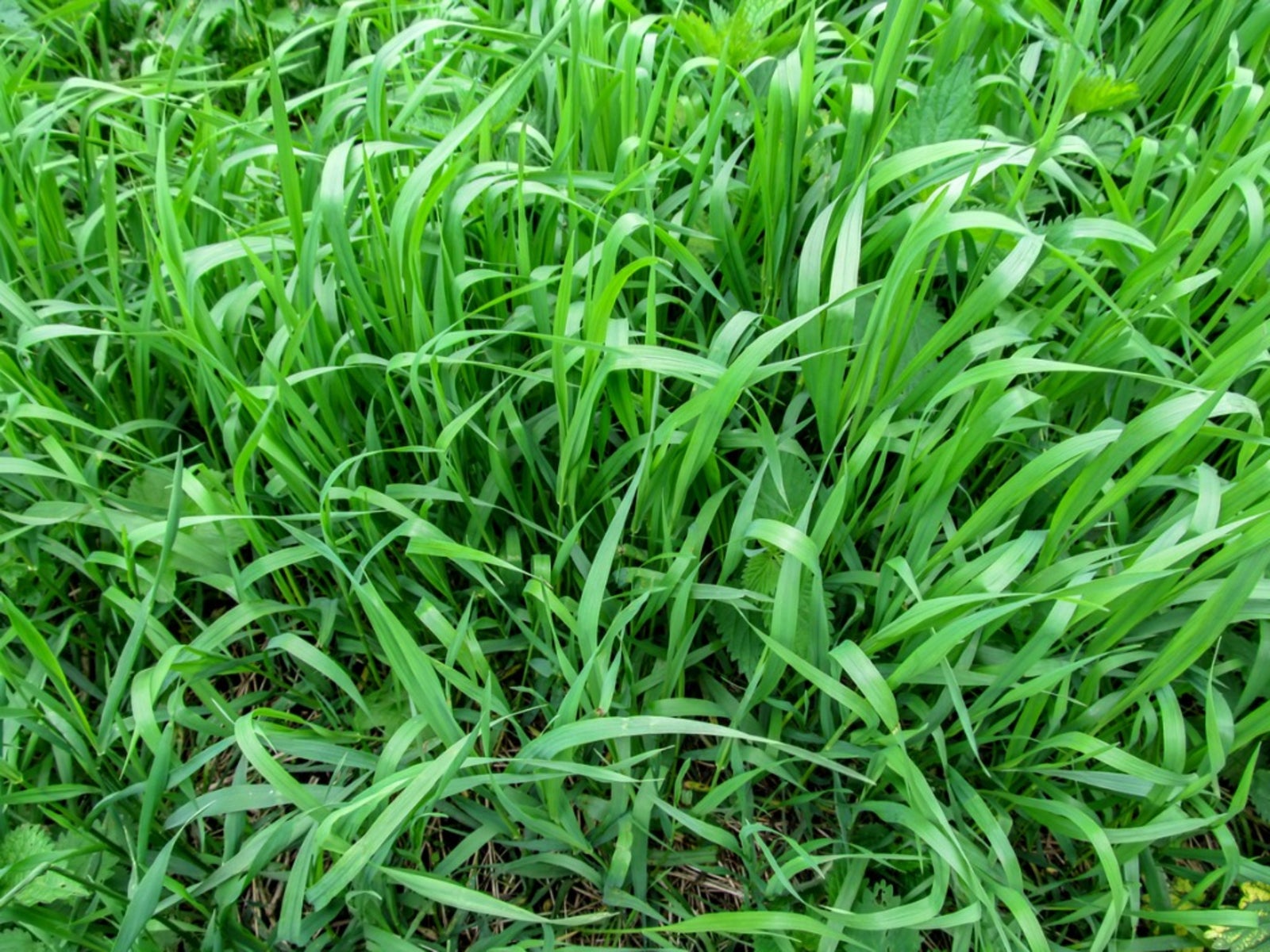
Before you can effectively remove quackgrass, you need to know what you’re dealing with. Grass identification is crucial. Quackgrass, scientifically known as Elymus repens, is a perennial grassy weed that can quickly take over your lawn. It’s a tough adversary, but recognizing its key features will help you win the battle.
Key Characteristics of Quackgrass:
- Rhizomes: This is the most distinctive feature. Quackgrass spreads aggressively through tough, horizontal underground stems called rhizomes. These rhizomes can penetrate deep into the soil, making it difficult to fully remove quackgrass.
- Leaf Blades: The leaves are typically bluish-green and have a rough texture on the upper surface.
- Ligule: It has a long, pointed ligule, which is the membrane where the leaf blade meets the sheath.
- Seed Heads: In summer, quackgrass produces upright seed heads that look somewhat like wheat or barley, with multiple spikelets arranged along a central stem.
- Root System: While rhizomes are its primary spread mechanism, it also has a fibrous root system.
Distinguishing Quackgrass from Other Grasses:
It’s important not to confuse quackgrass with desirable lawn grasses. Many desirable grasses, like Kentucky bluegrass, also have rhizomes. However, quackgrass leaves are often rougher and have that distinct bluish-green hue. Crabgrass, another common lawn weed, is an annual and spreads by putting out prostrate stems, not aggressive rhizomes. Properly identifying your weed is the cornerstone of successful lawn weed removal.
Strategies for Quackgrass Removal
Getting rid of quackgrass requires a persistent and multi-pronged approach. Simply pulling it out might not be enough due to its extensive rhizome system. Here are several effective methods to kill quackgrass.
Manual Removal: For Small Infestations
If you catch quackgrass early or have only a few isolated patches, manual removal can be effective.
- Digging: Use a spade or trowel to carefully dig up the entire plant, including as much of the root system and rhizomes as possible.
- Persistence: Be diligent. Any piece of rhizome left behind can regrow. After digging, sift through the soil to ensure no fragments remain.
- Disposal: Bag the removed quackgrass and dispose of it properly to prevent regrowth. Do not compost it unless you have a very hot composting system, as it can spread.
Chemical Control: When Manual Removal Isn’t Enough
For larger infestations, chemical treatments are often necessary. This involves using herbicides, either pre-emergent herbicide or post-emergent herbicide, depending on your strategy.
- Non-Selective Herbicides (Glyphosate): These herbicides, like glyphosate (the active ingredient in Roundup), will kill any plant they come into contact with. They are effective for killing quackgrass but will also kill your desirable lawn grass.
- Application: Apply directly to the quackgrass patches. You can paint it onto the leaves to avoid overspray onto healthy grass.
- Timing: Apply when quackgrass is actively growing.
- Follow-up: After the quackgrass dies, you’ll need to remove the dead grass and reseed the area.
- Selective Herbicides: These herbicides are designed to kill specific types of weeds while leaving desirable plants unharmed. Unfortunately, there are very few selective herbicides that specifically target quackgrass in a mixed lawn of desirable grasses without causing some damage.
- Research is Key: Always read the label carefully to ensure the product is safe for your type of lawn grass.
- Limited Options: Many selective herbicides are formulated for broadleaf weeds (like dandelion killer or general broadleaf weed control) and will not affect grassy weeds like quackgrass.
Post-Emergent Herbicide Application for Quackgrass:
Post-emergent herbicide treatments are applied to weeds that have already emerged. For quackgrass, this is often the most direct way to kill quackgrass.
- Glyphosate: As mentioned, this is a common choice. It’s a systemic herbicide, meaning it’s absorbed by the leaves and travels down to the roots, effectively killing the entire plant, including those persistent rhizomes. Multiple applications may be needed.
- Fenoxaprop-p-ethyl: Some herbicides containing this active ingredient can be effective against grassy weeds. However, it’s crucial to check the product label to confirm its efficacy and safety for your specific lawn type. It might be more effective on certain desirable grass species than others.
Pre-Emergent Herbicide Strategy: Preventing Future Growth
Pre-emergent herbicide applications are designed to prevent weed seeds from germinating. While quackgrass spreads primarily through rhizomes, pre-emergent herbicide can be part of a broader lawn weed removal strategy to prevent other annual weeds from establishing, which can indirectly help your lawn compete.
- Timing is Crucial: Pre-emergents must be applied before weed seeds germinate. For cool-season grasses common in many regions, this means applications in early spring and fall.
- Not a Solution for Existing Quackgrass: Pre-emergent herbicide will not kill existing quackgrass or its rhizomes. It’s a preventative measure.
Cultural Practices for Long-Term Quackgrass Control
Sustainable quackgrass control relies heavily on promoting a healthy, dense lawn that can outcompete weeds. Healthy turf is your best defense against invasive grass removal challenges.
Proper Mowing Techniques:
- Mow High: Set your mower to a higher setting (typically 3-4 inches for most cool-season grasses). Taller grass shades the soil, making it harder for weed seeds to germinate and suppressing the growth of new quackgrass.
- Sharp Blades: Ensure your mower blades are sharp. Dull blades tear grass, creating entry points for diseases and stress that weeds can exploit.
- Mulch Clippings: Leave grass clippings on the lawn. They act as a natural fertilizer and help retain soil moisture.
Watering Wisely:
- Deep and Infrequent: Water your lawn deeply but infrequently. This encourages grass roots to grow deeper into the soil, making the turf more drought-tolerant and resilient. Shallow, frequent watering can encourage shallow root systems, making grass more susceptible to stress and weeds.
- Avoid Overwatering: Soggy soil can create an environment where quackgrass thrives.
Fertilization for a Healthy Lawn:
- Soil Testing: Get your soil tested to determine its nutrient content and pH. This will help you apply the right fertilizer at the right time.
- Balanced Feeding: Fertilize your lawn according to the soil test results and the needs of your grass type. A well-fed, healthy lawn has a better chance of outcompeting quackgrass.
- Avoid Over-Fertilizing: Too much fertilizer can promote rapid, weak growth in your lawn, making it more vulnerable to pests and diseases, and potentially giving quackgrass a competitive edge if it’s already present.
Aeration and Dethatching:
- Aeration: This process involves removing small cores of soil to alleviate compaction. Compacted soil restricts root growth and air circulation, weakening your lawn. Aeration allows water, air, and nutrients to reach the roots more effectively.
- Dethatching: Thatch is a layer of dead and living grass stems and roots that builds up on the soil surface. A thin layer of thatch is beneficial, but a thick layer can block water, air, and nutrients from reaching the soil. Dethatching removes this excess thatch, allowing your lawn to breathe and thrive.
Integrated Weed Management (IWM) for Quackgrass
The most effective approach to quackgrass control is often Integrated Weed Management (IWM). This combines multiple strategies to achieve long-term suppression.
Combining Methods:
- Manual + Chemical: Spot treat isolated quackgrass patches with a non-selective herbicide, then carefully dig out the dead plants. For larger areas, chemical treatment may be followed by reseeding.
- Cultural + Chemical: Implement strong cultural practices to keep your lawn healthy and dense. Use herbicides judiciously for stubborn patches or when infestations are severe.
- Understanding Weed Biology: Knowing that quackgrass spreads via rhizomes informs your strategy. You need to target the entire plant, including its underground network.
Invasive Grass Removal and Preventing Re-infestation:
Quackgrass is considered an invasive grass removal challenge because of its aggressive nature. Preventing its return is as important as removing it.
- Maintain a Thick Lawn: The best defense is a healthy, dense turf.
- Monitor Regularly: Keep an eye on your lawn for any signs of quackgrass returning. Early detection makes removal much easier.
- Edge Your Beds: Use edging materials around garden beds and walkways to prevent quackgrass rhizomes from creeping into your lawn from adjacent areas.
Chemical Options for Quackgrass Control: A Deeper Look
When considering chemical treatments for quackgrass control, it’s vital to be informed about the types of herbicides and their uses.
Understanding Herbicide Types:
- Selective vs. Non-Selective: As discussed, selective herbicides target specific weed types, while non-selective ones kill all vegetation. For quackgrass, which is a grassy weed, finding selective options safe for a mixed-grass lawn is challenging.
- Systemic vs. Contact: Systemic herbicides are absorbed and transported throughout the plant, killing it from the roots up. Contact herbicides kill only the parts of the plant they touch. Quackgrass’s deep rhizomes make systemic herbicides more effective.
- Pre-emergent vs. Post-emergent: Pre-emergents prevent germination; post-emergents kill existing weeds.
Common Herbicides Used for Grassy Weeds:
While specific product recommendations can change and depend on your location and lawn type, some active ingredients are commonly used for grassy weed removal.
- Glyphosate: A widely available non-selective systemic herbicide. It’s effective but requires careful application to avoid harming desirable grass.
- Fenoxaprop-p-ethyl: Found in some selective post-emergent herbicides designed for grassy weeds. It’s often labeled for specific turf types and may have restrictions.
- Quinclorac: Another active ingredient that can control some grassy weeds, including crabgrass, and is sometimes found in broadleaf weed control products. Check labels for quackgrass efficacy.
Important Note: Always read and follow the product label instructions meticulously. This includes application rates, timing, safety precautions, and potential damage to desirable turf.
Herbicides for Broadleaf Weeds (and why they don’t work for Quackgrass):
It’s worth noting that common broadleaf weed control products, including those designed as dandelion killer, will not be effective against quackgrass. These herbicides target the different biological pathways of broadleaf plants.
Quackgrass Removal Table: A Quick Reference
| Method | Pros | Cons | Best For |
|---|---|---|---|
| Manual Removal | Environmentally friendly, precise. | Labor-intensive, difficult for large areas, requires persistence. | Small, isolated patches. |
| Glyphosate (Non-selective) | Highly effective at killing the entire plant. | Kills all vegetation, requires re-seeding, potential for drift. | Large infestations, targeted spot treatment. |
| Selective Herbicides | Targets specific weeds, less harm to lawn. | Limited options for quackgrass, can still damage some desirable grasses. | Specific, labeled applications. |
| Cultural Practices | Promotes overall lawn health, prevents recurrence. | Long-term strategy, requires consistent effort. | Long-term prevention and management. |
Dealing with Invasive Grass Removal Challenges
Invasive grass removal like quackgrass presents unique challenges. Its ability to spread rapidly through rhizomes means that even small missed fragments can lead to re-establishment.
Understanding the Rhizome Network:
The rhizomes of quackgrass are its superpower. These underground stems can grow several feet in a single season, anchoring the plant firmly and sending up new shoots. When you remove quackgrass manually or with herbicides, ensuring you’ve disrupted this network is key to success.
Patience and Persistence:
Because of the rhizome system, a single application of any treatment might not be enough to kill quackgrass permanently. Be prepared for multiple rounds of treatment, whether manual or chemical, over the course of a growing season or even longer.
Frequently Asked Questions About Quackgrass Removal
Q1: How quickly does quackgrass spread?
A1: Quackgrass can spread very rapidly through its rhizomes, especially during warm weather. A single plant can cover a significant area within a single growing season.
Q2: Can I use a weed killer that is safe for pets and children on quackgrass?
A2: Many lawn herbicides are designed with safety in mind, but always check the product label for specific instructions regarding pets and children. Non-selective herbicides like glyphosate are generally considered safe for re-entry after they have dried.
Q3: I pulled some quackgrass, but it keeps coming back. What am I doing wrong?
A3: This is very common with quackgrass due to its extensive rhizome system. You likely left pieces of the rhizomes in the soil. For persistent regrowth, consider using a targeted post-emergent herbicide or re-digging very thoroughly.
Q4: Are there any natural ways to kill quackgrass?
A4: While harsh chemicals are often the most effective, a very thick layer of mulch or using landscape fabric can suppress quackgrass in areas where you don’t want grass. For lawns, the most effective “natural” method is consistent, high mowing and a very healthy, dense turf that outcompetes the weed. Some anecdotal evidence suggests vinegar or boiling water can kill it on contact, but these are non-selective and will also harm your lawn.
Q5: When is the best time to apply a pre-emergent herbicide to prevent quackgrass?
A5: Quackgrass seeds can germinate in both spring and fall. Therefore, applying pre-emergent herbicide in early spring and again in early fall can help suppress germination, but it will not address existing rhizomes.
Q6: My neighbor has a lot of quackgrass. How can I prevent it from spreading to my lawn?
A6: Ensure your lawn is healthy and dense to outcompete any encroaching quackgrass. Edging along property lines and using physical barriers can also help. If quackgrass is spreading from a neighbor’s yard, direct communication might be necessary, or you may need to employ more aggressive lawn weed removal techniques on your border.
By implementing these expert tips, you can effectively tackle quackgrass and reclaim a beautiful, healthy lawn. Remember, consistent effort and the right approach are key to successful quackgrass control and overall lawn weed removal.