
Can you get rid of a riding lawn mower quickly? Yes, you can get rid of a riding lawn mower fast by choosing the right selling or disposal method. This guide will help you explore all your options, from selling your lawn mower to proper disposal and recycling. Whether your mower is in great shape or is considered a junk lawn mower, there are ways to make it disappear from your property efficiently.
Getting rid of an old mower, especially a larger riding lawn mower or lawn tractor, can seem like a big task. You might be upgrading to a new model, moving, or simply no longer need it. Whatever the reason, knowing the best ways to go about it will save you time and hassle. This article will cover everything you need to know about selling lawn mower, donating lawn mower, trading in lawn mower, and the various options for tractor mower disposal and lawn mower recycling.
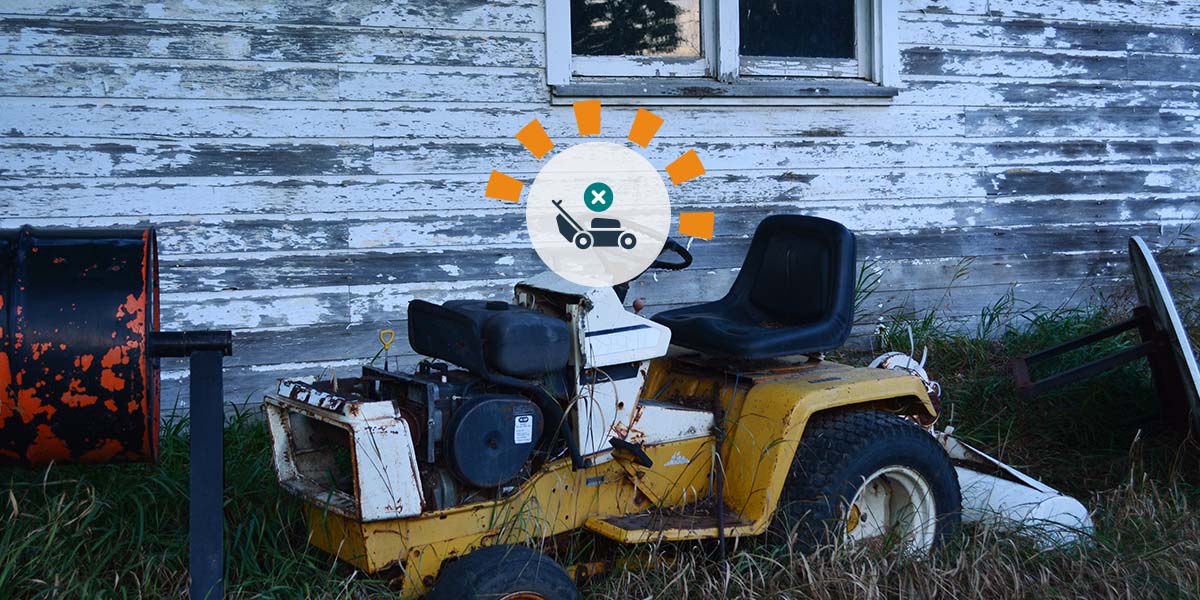
Image Source: dumpsters.com
Selling Your Riding Lawn Mower
Selling your ride-on mower is often the best way to get rid of it, especially if it’s still in good working order. You can recoup some of the cost or even make a profit. Here’s how to sell my ride on mower effectively.
Preparing Your Mower for Sale
Before you list your mower, a little preparation goes a long way.
- Clean it Up: A clean mower looks better and suggests it’s been well-maintained. Wash the deck, engine, and body. Remove any grass clippings, dirt, or oil stains.
- Basic Maintenance: Check the oil, tire pressure, and blade sharpness. A mower that starts easily and runs smoothly will fetch a better price. If you’re comfortable, consider an oil change.
- Fix Minor Issues: If there are small problems like a loose wire or a squeaky belt, try to fix them. These small fixes can significantly improve its appeal.
- Gather Paperwork: If you have the owner’s manual, maintenance records, or receipts for previous repairs, have them ready. This adds value and trust for potential buyers.
Where to Sell Your Riding Lawn Mower
There are several platforms to consider when selling your lawn mower:
- Online Marketplaces:
- Craigslist: A popular choice for local sales. It’s free to list and attracts many buyers looking for used equipment.
- Facebook Marketplace: Similar to Craigslist, but with the added benefit of social networking. You can reach a local audience and even share listings in buy/sell groups.
- eBay: Good for reaching a wider audience, but be prepared for shipping logistics or specifying local pickup only.
- Specialty Equipment Sites: Websites like TractorHouse.com or MachineryTrader.com cater to heavy equipment and might be suitable for larger or more specialized riding mowers.
- Local Options:
- Local Dealerships: Some dealerships buy used mowers, especially if you’re trading in for a new one.
- Yard Sales/Garage Sales: If you’re having a broader sale, include the mower.
- Bulletin Boards: Check local community centers, hardware stores, or feed stores for bulletin boards where you can post a flyer.
Pricing Your Riding Lawn Mower
Pricing is key to a quick sale.
- Research: Look at similar models and conditions on the platforms you plan to use. See what others are asking.
- Consider Condition: A well-maintained mower in good working order will command a higher price than one that needs work.
- Be Realistic: Set a price that reflects the mower’s age, condition, and market value. You can always price it slightly higher to allow for negotiation.
- Add a “OBO” (Or Best Offer): This signals that you’re open to negotiation.
Creating an Effective Listing
- High-Quality Photos: Take clear, well-lit photos from multiple angles. Show the mower from the front, back, sides, top, and any key features or any wear and tear.
- Detailed Description: Include the brand, model number, year (if known), engine size, deck width, and any special features (e.g., hydrostatic transmission, mulching capabilities). Be honest about its condition, including any known issues.
- Keywords: Use relevant keywords in your title and description, such as “riding lawn mower,” “lawn tractor,” “garden tractor,” and the brand name. This helps people find your listing.
Trading In Your Riding Lawn Mower
If you’re buying a new riding lawn mower, trading in your old one can be a convenient option.
How Trade-Ins Work
- Dealership Convenience: Most dealerships that sell new mowers will accept used ones as trade-ins. They will assess its condition and offer you a credit towards your new purchase.
- Pros: It’s a hassle-free way to get rid of your old mower. You don’t have to deal with individual buyers or shipping.
- Cons: You’ll likely get less for your mower through a trade-in than you would if you sold it privately. Dealerships need to make a profit when they resell or refurbish trade-ins.
Tips for Trading In
- Get Multiple Quotes: Visit different dealerships and see who offers the best trade-in value.
- Negotiate: Don’t be afraid to negotiate the trade-in value, especially if you’ve done your research on private sale prices.
- Consider Timing: Sometimes, dealerships have special promotions that include enhanced trade-in values.
Donating Your Riding Lawn Mower
Donating your mower is a great way to help others and potentially get a tax deduction.
Where to Donate
- Local Charities: Many local charities accept donations of usable equipment. This could include community centers, vocational schools, or organizations that help low-income families or veterans.
- Churches or Religious Organizations: Some churches have programs that assist community members and might accept a working mower.
- Schools with Agricultural Programs: Vocational or agricultural schools might be able to use a mower for their grounds maintenance or as a learning tool.
Preparing Your Donation
- Ensure it Works: Most charities prefer working equipment. Ensure your mower starts and runs reasonably well.
- Be Transparent: Let the charity know the condition of the mower upfront.
- Get a Receipt: Always get a written receipt for your donation. This is essential for claiming any tax deductions. Understand the IRS rules for valuing donated property.
Disposing of Your Riding Lawn Mower
If your riding lawn mower is beyond repair or too old to sell or donate, you’ll need to dispose of it properly. Simply dumping it is illegal and environmentally harmful.
Options for Tractor Mower Disposal
- Junk Lawn Mower Removal Services:
- Specialized Companies: Many companies specialize in junk removal and will pick up large items like riding lawn mowers. They often handle the disposal or recycling for you.
- Cost: These services typically charge a fee based on the size and weight of the item and the distance to the disposal site.
- Convenience: This is often the easiest option if you have a junk lawn mower that’s difficult to move.
- Scrap Metal Yards:
- Value: If your mower is mostly metal, scrap metal yards might pay you for it. You may need to drain all fluids (oil, gas) before taking it.
- Preparation: You might need to remove non-metallic parts like plastic panels or tires. Call the scrap yard beforehand to confirm what they accept and any preparation requirements.
- Local Waste Management Facilities:
- Yard Waste or Bulk Item Pickup: Check with your local municipality or waste management provider. Some offer special pickups for large items or have designated drop-off locations for appliances and yard equipment.
- Fees: There might be a fee associated with dropping off large items.
Lawn Mower Recycling
Recycling is an environmentally responsible way to dispose of old equipment, especially when it contains fluids and metals.
Why Recycle?
- Environmental Protection: Proper recycling ensures that hazardous fluids (like oil and gasoline) are disposed of safely, and valuable metals are recovered and reused.
- Resource Conservation: Recycling metal reduces the need for mining new ore, saving energy and minimizing environmental impact.
How to Recycle Your Riding Lawn Mower
- Local Recycling Centers: Many municipalities or private companies operate recycling centers that accept large metal items. Some may specifically mention lawn mower recycling or scrap metal recycling.
- Dealers: Some equipment dealers participate in recycling programs, especially when you purchase a new mower. Inquire with your local dealer.
- Scrap Metal Yards (Again): As mentioned, scrap yards are a primary recycling avenue for metal components.
Preparing for Recycling
- Drain Fluids: This is crucial. Safely drain all gasoline and oil. Contact your local hazardous waste disposal facility for proper disposal methods for these fluids.
- Remove Tires: Tires are often recycled separately and may need to be removed from the mower before dropping it off.
- Check with the Facility: Always call ahead to confirm what they accept and any specific preparation instructions for lawn mower recycling.
Getting Rid of Old Mower: A Step-by-Step Approach
Let’s break down the process for getting rid of an old mower, regardless of its condition.
Step 1: Assess Your Mower’s Condition
- Is it functional? Does it start, run, and cut grass?
- What are its cosmetic issues? Rust, dents, torn seats?
- Are there mechanical problems? Engine trouble, transmission issues, broken blades?
Step 2: Choose Your Method
Based on your assessment, decide which option makes the most sense:
- Excellent/Good Condition: Sell privately, trade-in.
- Fair Condition (Minor Issues): Sell privately (disclose issues), donate if functional.
- Poor Condition (Major Issues/Non-functional): Sell as-is for parts, scrap metal, junk removal service, recycle.
Step 3: Prepare and List/Arrange Pickup
- For Selling: Clean, maintain, take photos, write description, list online or locally.
- For Trading In: Contact dealerships, get quotes.
- For Donating: Clean, confirm functionality, contact charity, get receipt.
- For Disposal/Recycling: Arrange for junk removal, take to scrap yard or recycling center, drain fluids, remove tires.
Step 4: Complete the Transaction
- Selling: Meet buyers, handle payment, transfer ownership.
- Trade-In: Finalize paperwork with the dealer.
- Donation: Drop off the mower and get your receipt.
- Disposal/Recycling: Ensure the mower is picked up or dropped off correctly.
Specifics for Different Mower Types
While this guide focuses on riding lawn mowers, the principles apply to other similar equipment.
Lawn Tractor Removal
Lawn tractor removal follows the same principles as riding lawn mower removal. They are generally larger and heavier, so you might lean more towards professional junk removal or scrap metal yards if they are not functional. Selling a working lawn tractor privately can yield good results due to their utility.
Tractor Mower Disposal
When considering tractor mower disposal, think about the size and weight. If it’s a very large tractor mower, specialized equipment might be needed for transport. Scrap yards are well-equipped for this, and junk removal services often handle heavier items.
Key Considerations for a Fast Removal
- Price Competitively: If selling, a good price is the fastest way to get interest.
- Be Responsive: Answer inquiries promptly.
- Offer Convenience: For buyers, easy pickup can be a deciding factor. For you, junk removal services offer maximum convenience.
- Honesty: Be upfront about the condition to avoid wasted time with uninterested buyers.
Summary Table of Options
| Method | Best For | Pros | Cons | Speed |
|---|---|---|---|---|
| Private Sale | Working mower, good condition | Highest potential return, direct control | Time-consuming, requires marketing and negotiation | Moderate |
| Trade-In | Buying a new mower | Convenient, hassle-free | Lower return value, limited negotiation | Fast |
| Donation | Working mower, wanting to help or tax deduction | Good deed, potential tax benefits | Mower must be functional, tax deduction value varies | Moderate |
| Junk Removal | Non-working mower, immediate removal needed | Extremely convenient, handles all logistics | Costs money, no return value | Very Fast |
| Scrap Metal | Non-working mower, primarily metal components | Can get some money for it, environmentally responsible metal recovery | Requires preparation (fluid draining, part removal), lower return value | Fast |
| Recycling Center | Non-working mower, environmental focus | Environmentally sound, recovers materials | Requires preparation (fluid draining, part removal), no return value | Fast |
Frequently Asked Questions (FAQ)
Q1: How much can I sell a used riding lawn mower for?
A1: The price depends heavily on the brand, model, age, condition, and features. A well-maintained, relatively new mower might sell for hundreds or even thousands of dollars, while an older, well-used one might sell for a few hundred dollars or just for parts. Researching similar listings is your best bet.
Q2: Can I sell a broken riding lawn mower?
A2: Yes, you can sell a broken riding lawn mower. You should clearly list it as “for parts” or “non-working” and price it accordingly. People often buy them for spare parts or to repair themselves.
Q3: Is it illegal to just leave my old mower on the curb?
A3: Yes, in most areas, it is illegal and environmentally irresponsible to simply leave old equipment on the curb for bulk trash pickup without proper arrangements. Many municipalities have specific rules for disposing of large items and hazardous materials.
Q4: What fluids need to be drained before taking a mower to a scrap yard or recycling center?
A4: You must drain all gasoline and engine oil. These are considered hazardous materials and require proper disposal. Some facilities may also require you to remove the battery. Always confirm with the specific facility.
Q5: How can I ensure a quick sale of my riding lawn mower?
A5: To ensure a quick sale, price your mower competitively, clean it thoroughly, take excellent photos, write a detailed and honest description, and be responsive to potential buyers. If speed is paramount, consider a trade-in or a junk removal service, though these may offer less financial return.
By following these guidelines, you can efficiently and responsibly handle the task of getting rid of your riding lawn mower, whether through a quick sale, a convenient trade-in, or proper disposal and recycling.