
Do you find yourself battling unwanted tree shoots popping up in your lawn? Yes, you can effectively get rid of tree shoots in your lawn through a combination of manual removal, targeted treatments, and preventative measures. These persistent invaders, often referred to as tree saplings, suckers, or stump sprouts, can detract from your lawn’s beauty and even damage your turf. This comprehensive guide will walk you through the most effective methods for controlling tree regrowth and eliminating tree shoots, ensuring a pristine and healthy lawn.
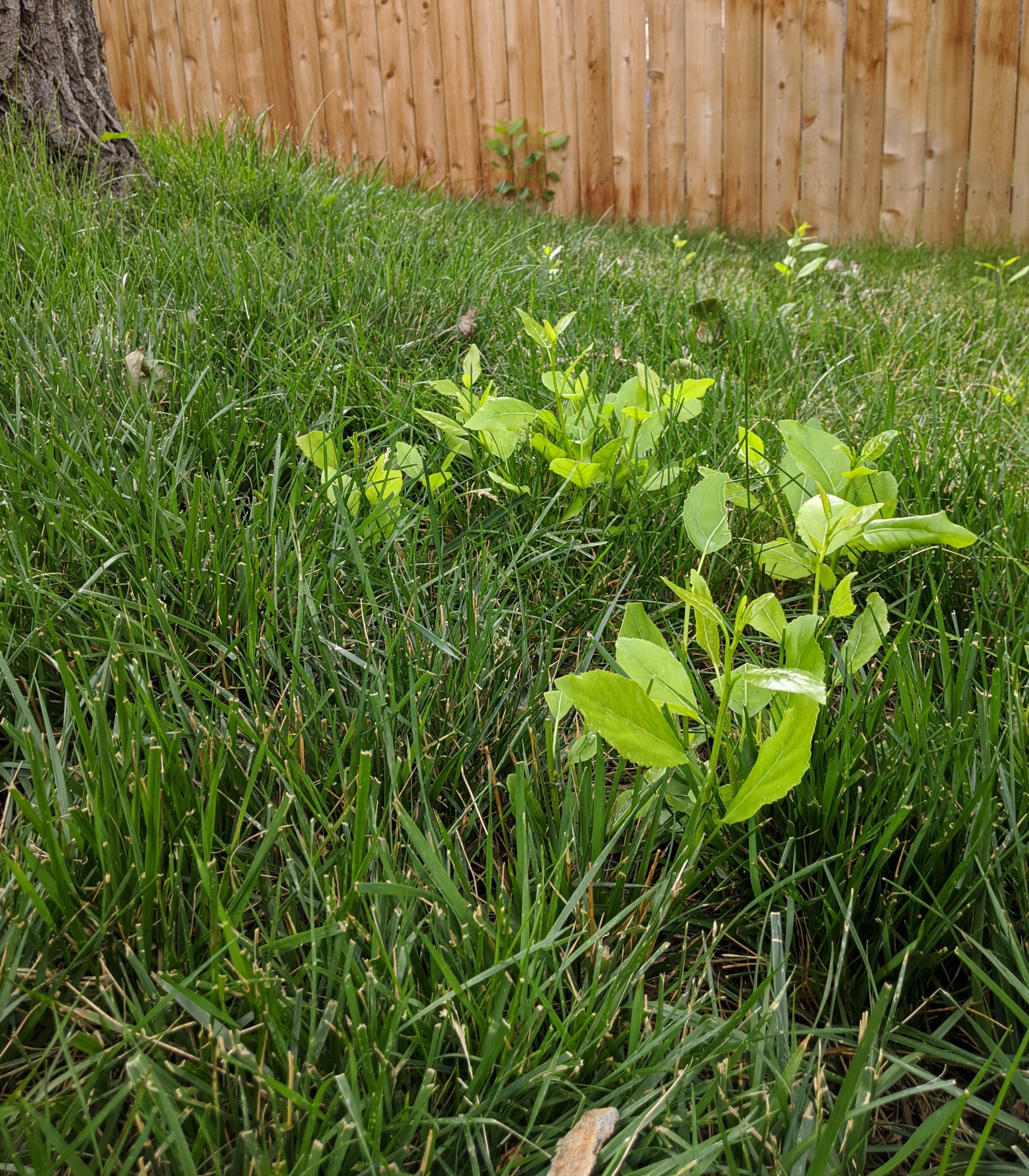
Image Source: organolawn.com
Why Do Tree Shoots Appear?
Before we dive into how to remove them, let’s understand why these little invaders are so determined to take over your lawn. Tree regeneration is a natural process, and many trees have evolved robust methods for survival and propagation.
Understanding Tree Biology and Resprouting
Many tree species have a remarkable ability to survive damage or adverse conditions by resprouting. This often happens from root sprouts or from dormant buds on the main trunk or roots. When a tree is cut down, but the root system remains alive, the tree can still send up new growth. These are often what we see as annoying basal shoots or stump sprouts.
Common Culprits of Lawn Shoots
Certain tree species are more prone to sending up shoots than others. Some common offenders include:
- Maple trees: Especially red and silver maples.
- Poplar and Aspen trees: Known for their extensive root systems that produce numerous sprouts.
- Willow trees: Similar to poplars, they are prolific sprouters.
- Oak trees: Can resprout from roots and stumps.
- Fruit trees: Often grafted, and the rootstock can send up unwanted shoots.
Methods for Eliminating Tree Shoots
Getting rid of these unwanted growths requires persistence and the right approach. Here are several effective methods, ranging from simple manual removal to more targeted treatments.
1. Manual Removal: The First Line of Defense
For young, small shoots, manual removal is often the most straightforward and environmentally friendly solution.
Pulling Shoots by Hand
- Timing is Key: The best time to pull shoots is when the soil is moist, making it easier to get the entire root.
- Grip Firmly: Get a good grip on the shoot as close to the ground as possible.
- Pull Steadily: Pull upward with a steady motion, trying to dislodge the entire root system. Wiggling slightly can help.
- Be Thorough: Ensure you remove as much of the root as possible. Small remnants can still regenerate.
Using Tools for Stubborn Shoots
For shoots that are too tough to pull by hand or are growing from larger stumps:
- Garden Spade or Shovel: Dig around the base of the shoot to loosen the soil and expose the root. Cut the root cleanly with the spade.
- Pruning Saw: For thicker shoots emerging from a stump, a pruning saw can be used to cut them flush with the ground.
Important Note: While cutting shoots flush with the ground can temporarily remove them, it’s crucial to remember that many trees will simply resprout from the remaining stump or roots. Therefore, follow-up action is almost always necessary.
2. Chemical Treatments: Targeted Application
When manual removal isn’t enough, or you want to prevent resprouting more effectively, chemical treatments can be a viable option. It’s important to use these products responsibly and follow label instructions carefully.
Herbicides for Tree Shoots
Herbicides are designed to kill plants. For woody shoots, systemic herbicides are generally most effective as they are absorbed by the plant and travel down to the roots, killing the entire plant.
- Glyphosate (e.g., Roundup): A broad-spectrum, non-selective herbicide that is effective on woody growth. It is absorbed through the leaves and stems.
- Triclopyr: Another effective systemic herbicide, often recommended for woody plants and brush. It works by mimicking plant hormones, causing uncontrolled growth that kills the plant.
Application Methods for Herbicides
The way you apply herbicide significantly impacts its effectiveness and minimizes damage to your desired lawn.
- Cut-Surface Treatment: This is a highly effective method for resprouting stumps.
- Cut: Cut the offending sprout or stump as close to the ground as possible using a saw.
- Apply Immediately: Within minutes of cutting, apply a concentrated herbicide (like glyphosate or triclopyr) directly to the freshly cut surface. Use a brush, sponge, or a dedicated applicator. The cambium layer (the green layer just beneath the bark) is particularly receptive to herbicide.
- Concentration: Ensure you use the herbicide at the concentration recommended for woody plants on the product label. Dilute according to instructions if necessary.
- Foliar Spray (for multiple small shoots):
- Choose the Right Time: Apply when the shoots are actively growing and have healthy foliage.
- Targeted Spraying: Use a sprayer and aim directly at the leaves of the unwanted shoots. Avoid spraying desirable grass or plants, as these herbicides can harm them. Wind can be a factor, so consider using a shield or spraying on a calm day.
- Coverage: Ensure thorough coverage of the foliage for maximum absorption.
Natural and Organic Approaches
If you prefer to avoid synthetic chemicals, some natural methods can help, though they might require more frequent application and may not be as potent on established root systems.
- Vinegar: Horticultural vinegar (higher acidity than household vinegar) can burn the leaves of shoots. However, it’s non-selective and may damage surrounding grass. It’s more of a contact killer and less effective at reaching the roots.
- Boiling Water: Pouring boiling water directly onto the base of the shoots can kill them. This is best for very small, new shoots and will require repeated applications.
3. Stump Treatment to Prevent Resprouting
For larger stumps that are the source of persistent stump sprouts, treating the stump directly is crucial.
Chemical Stump Treatment
As mentioned in the herbicide section, the cut-surface application is highly effective. Applying concentrated glyphosate or triclopyr to the freshly cut cambium layer of a stump is one of the best ways to prevent resprouting trees.
Physical Stump Removal
While this doesn’t directly address shoots, removing the stump entirely eliminates the source of resprouting.
- Grinding: Hire a professional stump grinding service. This machine grinds the stump into wood chips, usually several inches below ground level.
- Digging: For smaller stumps, you can try to dig them out. This is labor-intensive and may require cutting major roots.
4. Long-Term Prevention and Management
The best approach to controlling tree regrowth is to prevent it from starting in the first place or to manage it proactively.
Mulching
Applying a thick layer of mulch around the base of trees can suppress the growth of new shoots.
- Depth: Aim for a mulch layer of 3-4 inches.
- Coverage: Extend the mulch ring out to the drip line of the tree, if possible.
- Avoid Volcano Mulching: Keep mulch a few inches away from the tree trunk to prevent rot and pest issues.
Regular Lawn Care
A healthy, dense lawn is more competitive and can better suppress the growth of unwanted shoots.
- Mowing: Mow at the appropriate height for your grass type. Taller grass shades the soil, making it harder for weed seeds and tree sprouts to establish.
- Watering: Water deeply and less frequently to encourage strong root growth in your lawn grass.
- Fertilizing: Proper fertilization will keep your lawn healthy and vigorous.
Vigilance and Early Intervention
The most effective strategy is to be vigilant and address any new shoots as soon as they appear.
- Weekly Checks: Make a habit of walking your lawn weekly to spot any new tree saplings or suckers.
- Immediate Action: Pull or cut any new shoots you find immediately. This prevents them from developing a strong root system and becoming more difficult to manage.
Choosing the Right Method for Your Situation
The best method for eliminating tree shoots depends on several factors:
- Size and Age of the Shoots: Small, new shoots can often be pulled by hand. Larger, established shoots might require cutting and herbicide treatment.
- Type of Tree: Some trees are more aggressive resprouters than others.
- Your Proximity to Desired Plants: If shoots are growing near valuable plants, careful, targeted application of herbicides is crucial.
- Your Comfort Level with Chemicals: If you prefer to avoid chemicals, focus on diligent manual removal and preventative mulching.
Comparative Table of Removal Methods
| Method | Effectiveness (New Shoots) | Effectiveness (Established Shoots) | Effort Required | Potential for Lawn Damage | Best For |
|---|---|---|---|---|---|
| Manual Pulling | High | Moderate | Low to Moderate | Low | Small, young shoots; areas near desired plants. |
| Cutting (Flush) | Low (promotes resprouting) | Low (promotes resprouting) | Low | Low | Temporary cosmetic fix, but requires follow-up. |
| Cut-Surface Herbicide | High | Very High | Moderate | Low to Moderate | Resprouting stumps, thick, established shoots. |
| Foliar Herbicide | Moderate to High | Moderate | Moderate | Moderate to High | Multiple, scattered young to moderately established shoots. |
| Stump Grinding | N/A | N/A | High (or hired) | Low | Eliminates source of stump sprouts and root sprouts. |
| Mulching | Preventative | Preventative | Low to Moderate | Low | Suppressing new growth around established trees. |
| Boiling Water | Moderate | Low | Moderate | Low to Moderate | Very small, new shoots; when avoiding all chemicals. |
Frequently Asked Questions
Here are some common questions people have about dealing with tree shoots:
Q1: Can I just cut them off every time they grow back?
A: While cutting shoots off might keep them from growing too tall, it’s rarely a permanent solution. Most trees that send up shoots do so from a living root system. Cutting them removes the visible growth, but the root will likely send up more shoots. For effective eliminating tree shoots, you need to target the root or use a systemic herbicide.
Q2: Will mowing the lawn eventually kill the tree shoots?
A: Mowing might weaken very young, tender shoots over time, but it’s unlikely to kill established suckers or stump sprouts. Repeated mowing can sometimes stimulate root growth, encouraging more resprouting. It’s not a reliable method for controlling tree regrowth.
Q3: How do I know if a shoot is from a tree or a different type of weed?
A: Tree shoots typically have the characteristic leaves and bark of the parent tree. They often emerge from a distinct stump or from the ground near the base of the tree. Weeds tend to have different leaf shapes and growth habits. If you’re unsure, observe the growth pattern and leaf structure closely.
Q4: Are there any organic ways to kill tree roots that cause sprouts?
A: Organic methods for killing tree roots are limited and often less effective on established systems. Boiling water can kill small, new sprouts. Some gardeners have had limited success with concentrated vinegar solutions applied directly to cut surfaces, but this is not as reliable as commercial herbicides. The most effective organic approach is consistent manual removal of all new growth, which can eventually exhaust the root’s energy reserves, though this is a long process.
Q5: My neighbor’s tree is sending shoots into my yard. What can I do?
A: You have a few options. First, try talking to your neighbor politely about the issue. They might be unaware or willing to help manage the problem. If that doesn’t work, you may need to manage the shoots yourself on your property. You are generally responsible for managing growth that encroaches onto your land. You can use the manual removal or chemical treatment methods described above on the shoots growing in your yard. For persistent issues originating from a neighbor’s property, consulting local ordinances or a legal professional might be necessary in extreme cases.
Q6: When is the best time of year to treat tree shoots?
A: The best time to treat tree shoots is when they are actively growing, typically in spring and early summer. This is when the plant is actively transporting nutrients from the leaves to the roots, allowing systemic herbicides to be most effective. Applying herbicides to dormant or stressed plants is generally less successful.
Q7: How can I prevent fruit tree rootstock sprouts?
A: Fruit trees are often grafted, meaning a desirable fruit-producing variety is attached to a rootstock that is hardy or suited to specific soil conditions. The rootstock can often send up its own shoots, which are usually different from the scion (the fruiting part). To prevent these, regularly inspect the base of your fruit trees for any growth emerging below the graft union (a swelling or scar on the trunk where the two parts were joined). Remove these shoots promptly by cutting them as close to the rootstock as possible.
By understanding the biology behind resprouting trees and employing these practical methods, you can effectively tackle unwanted tree shoots and maintain a beautiful, healthy lawn. Consistency and early intervention are your greatest allies in this ongoing battle against tree regeneration in unwanted places.