
Can you get rid of white clover in your lawn? Yes, you absolutely can! Getting rid of white clover is achievable with the right approach and consistent effort. This small, persistent plant, often recognized by its three-leaf clusters and distinctive white flowers, can quickly take over a healthy lawn, making it look patchy and unkempt. But don’t despair! With our easy-to-follow steps, you’ll be well on your way to a beautiful, clover-free lawn. We’ll cover everything from identification and prevention to effective white clover removal and long-term clover control.
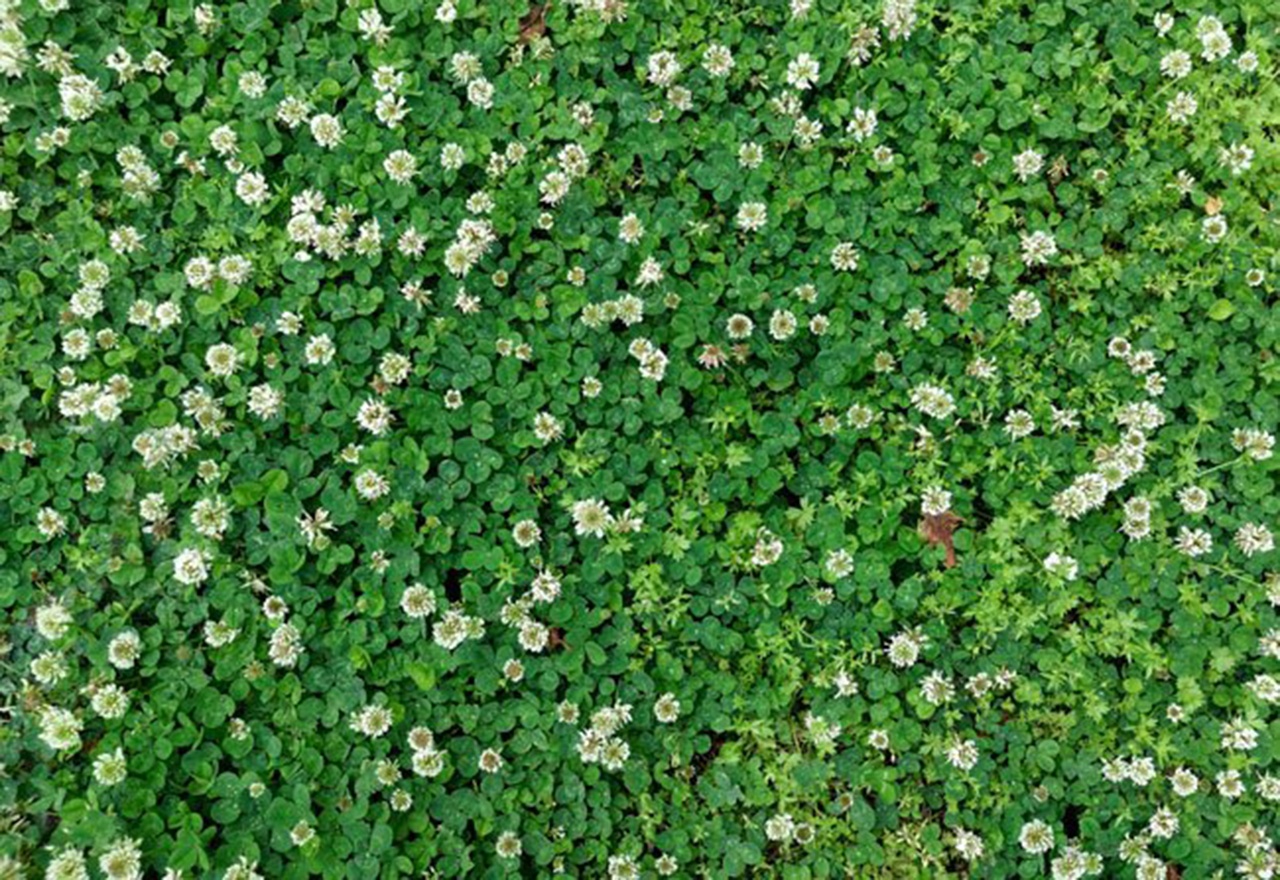
Image Source: www.whygoodnature.com
Identifying White Clover
Before you can effectively tackle white clover, it’s crucial to know what you’re dealing with. White clover (Trifolium repens) is a low-growing, perennial plant that spreads through its creeping stems, called stolons. These stolons allow it to root and create new plants wherever they touch the soil.
Here’s what to look for:
- Leaves: Three leaflets, often with a white or lighter green “X” or crescent-shaped marking in the center of each leaflet.
- Flowers: Small, round, white clusters that appear from late spring through summer. These flowers are what attract bees, which is a major reason many people want to remove clover.
- Growth Habit: It forms dense mats and tends to thrive in compacted or nutrient-poor soil, as well as in lawns that are mowed too high.
Why White Clover Invades Your Lawn
Several factors make your lawn a prime candidate for white clover. Understanding these reasons is key to successful clover control and preventing clover in the future.
- Soil Conditions: White clover loves compacted soil and low nitrogen levels. It actually fixes nitrogen from the air, putting it into the soil, which helps it thrive where other grasses struggle.
- Mowing Habits: Mowing your lawn too short weakens the turfgrass, allowing shallow-rooted weeds like clover to gain a foothold.
- Drought Stress: When grass is stressed by drought, it thins out, creating open spaces for clover to colonize.
- Compacted Soil: Heavy foot traffic or heavy machinery can compact your soil. This makes it harder for grass roots to penetrate and access nutrients and water, giving clover an advantage.
Strategies for White Clover Removal
There are several effective methods for killing clover. You can choose a single method or combine a few for the best results.
Chemical Control: The Power of Herbicides
For a quick and effective solution, chemical herbicides are often the go-to. The key is to use a product specifically designed for broadleaf weed control, as most lawn grasses are not broadleaf plants.
What Herbicide for Clover to Use
When selecting an herbicide for clover, look for products containing active ingredients like:
- 2,4-D: A common selective herbicide that targets broadleaf weeds.
- MCPP (Mecoprop): Another effective broadleaf weed killer.
- Dicamba: Often found in combination with other herbicides, it’s effective against many broadleaf weeds.
- Triclopyr: Particularly useful for tough-to-kill weeds, including clover.
Many commercial weed killers are formulated as broadleaf weed control solutions and will list clover among the weeds they target. Some products are even designed as a dandelion killer and will also work on clover. Always read the product label carefully to ensure it’s safe for your specific type of lawn grass and to follow application instructions precisely.
Application Tips for Herbicides
- Timing is Key: Apply herbicides when clover is actively growing. This is usually in the spring or fall when temperatures are mild (between 60-85°F or 15-29°C). Avoid applying during hot, dry weather, as this can stress your lawn and reduce the herbicide’s effectiveness.
- Read the Label: Seriously, this is the most important step. The label provides crucial information on application rates, safety precautions, and which grass types the product is safe for.
- Spot Treatment: Instead of spraying your entire lawn, target only the areas with clover. This conserves the product and minimizes chemical use.
- Don’t Mow Before or After: Avoid mowing your lawn for at least 2-3 days before and after applying herbicide. This allows the weed to absorb more of the chemical.
- Watering: Water your lawn a day or two before applying the herbicide. A hydrated plant will absorb the chemical better. However, avoid watering for 24-48 hours after application.
- Repeat Applications: Some stubborn patches of clover may require a second application. Wait at least 7-10 days between applications, as per the product label.
Table 1: Common Herbicide Ingredients Effective Against Clover
| Active Ingredient | How it Works | Best Use Case | Caution |
|---|---|---|---|
| 2,4-D | Disrupts plant growth hormones | General broadleaf weed control | Can damage desirable plants if applied incorrectly; sensitive to drift |
| MCPP (Mecoprop) | Disrupts plant growth hormones | Effective on clover, chickweed, and plantain | Similar to 2,4-D; avoid contact with desirable plants |
| Dicamba | Mimics plant hormones, causing abnormal growth | Works well on tough broadleaf weeds | Can cause injury to some grass types; sensitive to drift |
| Triclopyr | Disrupts plant growth; acts as a defoliant | Excellent for woody plants and persistent weeds | Can be harsh; test on a small area if unsure about grass tolerance |
Natural and Organic Methods: A Gentler Approach
If you prefer to avoid chemicals, there are several natural clover killer options and organic white clover removal techniques.
Manual Removal
For small infestations, hand-pulling is a viable option.
- When to Pull: The best time to pull clover is after a rain or when the soil is moist. This makes it easier to extract the entire root system.
- Use a Tool: A weeding tool or a trowel can help loosen the soil around the clover, making it easier to pull. Aim to get as much of the root as possible.
- Dispose Properly: Bag the pulled clover and dispose of it to prevent seeds from spreading.
Corn Gluten Meal
Corn gluten meal is a natural pre-emergent herbicide and a good source of nitrogen. It works by inhibiting root formation in germinating seeds.
- How it Works: Apply corn gluten meal in early spring before clover seeds (or any weed seeds) have a chance to sprout. It won’t kill established clover plants, but it can help prevent new ones from taking root.
- Application: Spread a thin layer (about 20 lbs per 1,000 sq ft) over your lawn. It’s best applied when the soil is dry and then watered in lightly.
- Timing: Apply in early spring as soil temperatures rise. A second application in the fall can also be beneficial for preventing winter annual weeds.
Vinegar (Acetic Acid)
Vinegar, particularly horticultural vinegar (which has a higher concentration of acetic acid than household vinegar), can burn the foliage of weeds.
- How it Works: The acetic acid breaks down the cell walls of the plant, causing it to dry out.
- Application: Spray directly onto the clover leaves. It’s a non-selective killer, meaning it will also damage grass if it comes into contact with it.
- Caution: Vinegar is most effective on young, actively growing weeds. Repeat applications may be necessary for established clover. Be very careful to only spray the clover itself and avoid any desirable grass.
Boiling Water
A simple, yet effective, method for spot treatment.
- How it Works: Pouring boiling water directly onto clover will kill it by essentially cooking the plant.
- Application: Carefully pour boiling water directly onto the clover patches.
- Caution: Like vinegar, this is non-selective and will kill any plant it touches, including your grass. Use this method only for small, isolated patches.
Cultural Practices: Building a Stronger Lawn
The most effective long-term strategy for clover control is to create a lawn that is so healthy and dense, clover has no room to grow. This is all about good lawn care.
Aeration
Compacted soil is a major reason clover thrives. Aerating your lawn helps alleviate this.
- What it is: Aeration involves removing small plugs of soil from your lawn, which allows air, water, and nutrients to penetrate deeper into the soil.
- When to Aerate: The best times to aerate are during the active growing seasons for your grass type – typically spring or fall for cool-season grasses and late spring or early summer for warm-season grasses.
- Benefits: Improved soil structure, better root growth, and reduced soil compaction, which makes it harder for clover to establish.
Dethatching
A thick layer of thatch (dead grass stems and roots) can also prevent water and nutrients from reaching the soil, creating favorable conditions for weeds.
- What it is: Dethatching physically removes this layer.
- When to Dethatch: Similar to aeration, do it during your grass’s active growing season.
- Benefits: Allows water, air, and nutrients to reach the soil and grass roots more effectively.
Proper Mowing
The height at which you mow your lawn significantly impacts its health.
- Mow High: Aim to mow your grass at a height of 3 to 3.5 inches for most cool-season grasses. Taller grass shades the soil, making it difficult for weed seeds to germinate and for shallow-rooted weeds like clover to establish.
- Sharp Blades: Always use sharp mower blades. Dull blades tear grass, leaving it susceptible to disease and stress.
Fertilization
A well-fed lawn is a strong lawn, better able to outcompete weeds.
- Nitrogen is Key: Clover is a nitrogen fixer, meaning it produces its own nitrogen. Grass, on the other hand, needs regular nitrogen fertilization.
- Regular Feeding: Fertilize your lawn according to a schedule appropriate for your grass type and climate. This will encourage thick, healthy growth that crowds out weeds.
- Soil Testing: Consider getting a soil test to determine specific nutrient deficiencies in your lawn.
Overseeding
Overseeding fills in thin or bare spots in your lawn, giving weeds less opportunity to grow.
- Best Time: Fall is generally the best time for overseeding cool-season lawns.
- Proper Technique: Ensure good seed-to-soil contact by raking the areas to be seeded before spreading the seed. Keep the seeded areas consistently moist until germination.
Combining Methods for Maximum Impact
Often, the most successful clover control comes from a combination of approaches. For example:
- Start with cultural practices: Aerate and dethatch your lawn in the spring or fall to improve soil health.
- Apply fertilizer: Feed your lawn to encourage vigorous grass growth.
- Spot treat with herbicide: Use a selective herbicide for clover on any remaining patches. If you’re looking for a dandelion killer and clover killer in one, choose a broadleaf weed killer that lists both.
- Natural deterrents: Consider using corn gluten meal in the spring to prevent new weed seeds from germinating.
- Maintain good lawn care: Continue with proper mowing, watering, and ongoing fertilization to keep your lawn dense and healthy.
This integrated approach tackles the problem from multiple angles, addressing both the existing clover and the conditions that allow it to thrive. This is the essence of effective lawn care for long-term success.
Frequently Asked Questions (FAQ)
Q1: Will killing clover hurt my lawn grass?
A1: If you use a selective herbicide designed for broadleaf weed control and follow the label instructions carefully, it should not harm your lawn grass. However, non-selective herbicides or improper application of selective herbicides can damage or kill your grass. Natural methods like vinegar and boiling water are non-selective and will harm grass if they touch it.
Q2: Is there a best weed killer for lawns that targets clover?
A2: The “best” weed killer depends on your specific lawn type and the severity of the clover infestation. Look for products specifically labeled for broadleaf weed control that list clover as a target weed. Common active ingredients like 2,4-D, MCPP, dicamba, and triclopyr are generally effective. Always check the label for compatibility with your grass type.
Q3: Can I use a dandelion killer to get rid of clover?
A3: Often, yes. Many products designed as dandelion killer also contain ingredients effective against other broadleaf weeds, including white clover. When purchasing a weed killer, check the product label to see if clover is listed as a target weed.
Q4: How do I prevent clover from coming back?
A4: Preventing clover involves maintaining a thick, healthy lawn. This includes regular fertilization (especially with nitrogen), mowing at the correct height (3-3.5 inches), watering deeply and infrequently, aerating compacted soil, and overseeding thin areas. Addressing soil deficiencies identified by a soil test will also help.
Q5: Is it better to use chemicals or natural methods for white clover removal?
A5: It depends on your priorities. Chemical herbicides offer faster and often more complete elimination of clover. Natural methods are safer for the environment and pets but may require more time, patience, and repeat applications. For a truly robust solution, combining good lawn care practices with judicious use of herbicides or natural treatments is often most effective.
By following these steps, you can effectively achieve white clover removal and enjoy a healthier, more attractive lawn. Remember that consistent lawn care is the key to keeping clover and other weeds at bay for good.