
Want a greener lawn quickly? You can get a vibrant, healthy lawn fast by focusing on good soil, the right watering, and proper feeding. This guide will show you how to achieve a lush green carpet using professional tips and natural solutions.
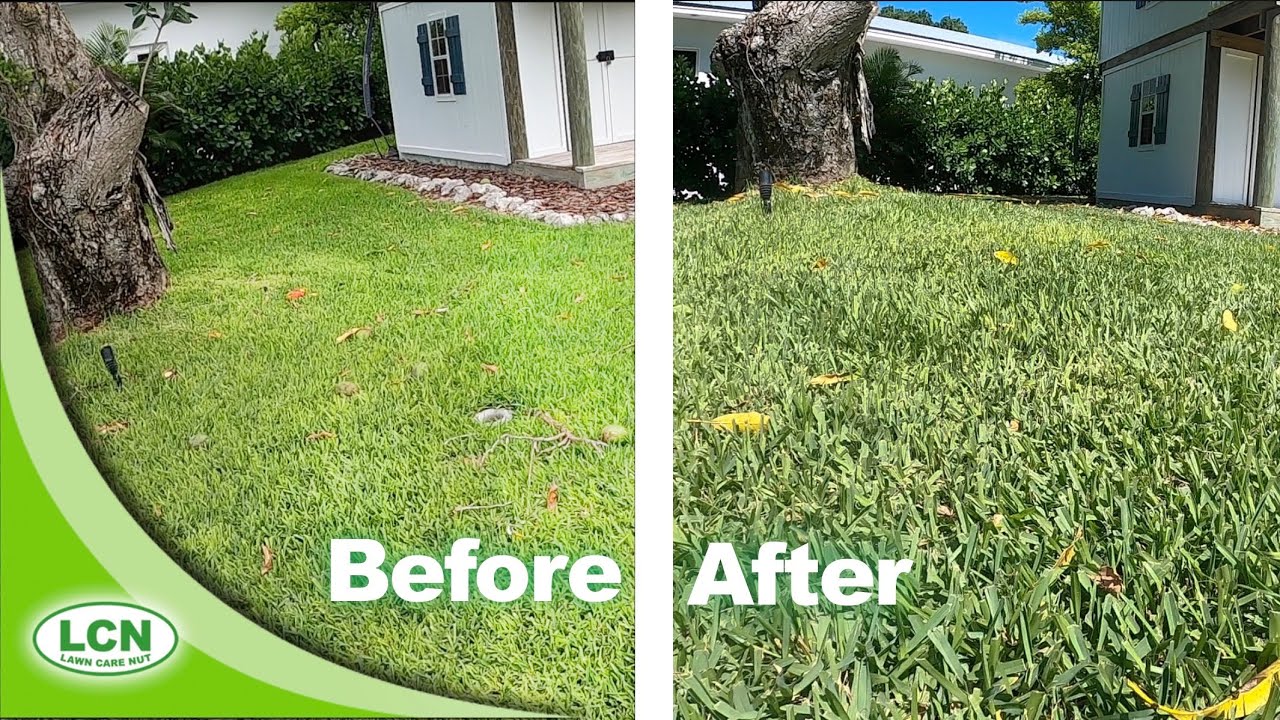
Image Source: i.ytimg.com
Revitalizing Your Lawn: The Fast Track to Green
Achieving a brilliantly green lawn doesn’t have to be a long, drawn-out process. With the right approach, you can significantly improve your lawn’s color and vitality in a surprisingly short time. This involves addressing the core needs of your grass: healthy soil, adequate moisture, proper nutrition, and protection from pests and diseases.
The Foundation: Lawn Soil Improvement
A healthy lawn starts with healthy soil. Think of your soil as the pantry for your grass. If the pantry is bare or filled with poor-quality ingredients, your grass won’t thrive. Improving your lawn soil is the first, and arguably most crucial, step to a fast green-up.
Understanding Your Soil’s Needs
Before you can improve your soil, you need to know what it’s missing. A soil test is your best friend here. It tells you about your soil’s pH, nutrient levels, and organic matter content. You can get kits from garden centers or contact your local cooperative extension office for testing.
- pH Levels: Most grasses prefer a slightly acidic to neutral pH, typically between 6.0 and 7.0. If your pH is too high or too low, grass struggles to absorb nutrients.
- Nutrient Deficiencies: Soil tests reveal if your soil lacks essential nutrients like nitrogen (N), phosphorus (P), and potassium (K) – the key components of fertilizer.
- Organic Matter: This is the lifeblood of healthy soil. It improves drainage, water retention, and nutrient availability.
Natural Soil Enhancement Techniques
Once you know what your soil needs, you can start making improvements.
Composting and Organic Matter
Adding compost is one of the best ways to improve soil structure and fertility naturally. Compost enriches the soil with nutrients and beneficial microorganisms.
- How to Apply: Spread a thin layer (about 1/4 to 1/2 inch) of compost over your lawn and rake it in.
- Benefits: Improves soil aeration, drainage, and water retention. It also feeds beneficial microbes that help grass grow.
Mulching Mowing: A Smart Practice
Leave grass clippings on your lawn after mowing. These clippings decompose and return valuable nutrients, especially nitrogen, back to the soil. This is a cornerstone of organic lawn care.
- Key Tip: Ensure your mower blade is sharp. Dull blades tear grass, leading to browning and disease.
- Avoid Clumping: If clippings are very long, bag them for a few mows or mulch them into smaller pieces.
The Power of Aeration: Letting Your Lawn Breathe
Lawn aeration is a process that removes small plugs of soil from your lawn. This simple yet effective technique has profound benefits for a fast green-up.
Why Aeration Matters for Speed
- Improved Air and Water Penetration: Compacted soil prevents air, water, and nutrients from reaching the grass roots. Aeration creates channels for these essentials to penetrate deeply.
- Enhanced Nutrient Uptake: With better access to water and air, grass roots can absorb nutrients more efficiently, leading to faster growth and greener color.
- Reduced Thatch: Aeration helps break down the layer of dead grass and organic matter (thatch) that can suffocate your lawn.
When and How to Aerate
- Best Times: Aerate when your grass is actively growing. For cool-season grasses (like fescue, ryegrass, bluegrass), this is in the spring or fall. For warm-season grasses (like Bermuda, Zoysia, St. Augustine), aerate in late spring or early summer.
- Methods: You can rent a core aerator (which pulls out plugs) or use a spike aerator. Core aeration is generally more effective for severely compacted soil.
- Follow-up: After aerating, it’s the perfect time to fertilize and overseed lawn areas if needed.
Fertilizing for a Quick Green Boost
Fertilizing lawn areas is essential for providing the nutrients grass needs to grow quickly and look its best. The type of fertilizer and how you apply it can make a big difference.
Choosing the Right Fertilizer
- Nitrogen is Key: Nitrogen (N) is the nutrient primarily responsible for green, leafy growth. Look for fertilizers with a higher first number in the N-P-K ratio (e.g., 20-5-10).
- Slow-Release vs. Quick-Release:
- Quick-release fertilizers provide an immediate green-up but can lead to rapid growth spurts and require more frequent applications. They are good for a quick fix but can burn the lawn if over-applied.
- Slow-release fertilizers feed your lawn over a longer period, promoting more consistent, healthy growth. They are generally preferred for sustainable lawn practices.
- Organic Fertilizers: These release nutrients slowly as they decompose, feeding the soil and the grass. They are excellent for long-term organic lawn care and building a drought tolerant lawn. Examples include composted manure, bone meal, and feather meal.
Proper Application Techniques
- Read the Label: Always follow the application rates on the fertilizer bag. Over-fertilizing can damage your lawn and the environment.
- Even Distribution: Use a spreader (broadcast or drop spreader) for even application. This prevents streaks of dark green and areas that are too heavily fertilized.
- Watering In: Water your lawn thoroughly after fertilizing to help the nutrients dissolve and reach the roots. This also prevents fertilizer burn.
The Role of Overseeding Lawn for Density and Color
If your lawn is thin or has bare patches, overseeding lawn can quickly fill in those gaps, leading to a denser, more uniform green appearance.
When and Why to Overseed
- Best Times: Similar to aeration, overseed when grass is actively growing. Fall is ideal for cool-season grasses, while spring is better for warm-season grasses.
- Benefits of a Dense Lawn:
- Improved Color: A thicker lawn looks greener.
- Weed Suppression: Dense grass outcompetes weeds, reducing the need for weed control.
- Drought Tolerance: Healthy, dense turf uses water more efficiently, contributing to a drought tolerant lawn.
Overseeding Steps for Success
- Prepare the Area: Mow the lawn short and rake up any thatch or debris. If possible, aerate the lawn first.
- Choose the Right Seed: Select a grass seed variety that matches your existing lawn and climate.
- Apply Seed: Use a spreader for even distribution. Follow the recommended seeding rates.
- Ensure Seed-to-Soil Contact: Lightly rake the seed into the soil to ensure good contact.
- Keep Moist: Water gently and consistently to keep the seedbed moist until germination. Avoid heavy watering that can wash seeds away.
- Protect New Seedlings: Avoid heavy foot traffic and mowing until the new grass is at least 3 inches tall.
Effective Weed Control: Natural and Chemical Approaches
Weeds detract from your lawn’s greenness and compete for resources. Effective weed control is vital for a beautiful lawn.
Natural Weed Solutions
- Healthy Turf is the Best Defense: A dense, healthy lawn is your strongest weapon against weeds. Focus on the healthy lawn tips mentioned earlier – good soil, proper watering, and feeding.
- Manual Removal: For isolated weeds, hand-pulling (especially after rain when the soil is moist) is effective. Make sure to get the entire root.
- Corn Gluten Meal: This is a natural pre-emergent herbicide that can prevent weed seeds from germinating. Apply it in early spring before weed seeds sprout. It also adds nitrogen to the soil.
- Vinegar and Salt (Use with Caution): Household vinegar (horticultural vinegar is stronger) and salt can kill weeds on contact. However, they can also harm grass and affect soil health. Use sparingly and only directly on weeds, avoiding the lawn.
Chemical Weed Control (When Necessary)
- Selective Herbicides: These target specific types of weeds (broadleaf weeds like dandelions) without harming your grass.
- Pre-emergent vs. Post-emergent:
- Pre-emergent herbicides prevent weed seeds from sprouting.
- Post-emergent herbicides kill weeds that have already emerged.
- Application: Always follow label instructions carefully. Apply when weeds are actively growing and when temperatures are mild.
Watering Wisely for a Speedy Green-Up
Proper watering is critical for a fast green-up, but over or under-watering can hinder progress.
Watering Best Practices
- Deep and Infrequent: Water deeply to encourage roots to grow down into the soil. Aim for about 1 inch of water per week, including rainfall.
- Morning Watering: Water in the early morning (between 4 AM and 10 AM). This allows grass to dry before nightfall, reducing the risk of fungal diseases.
- Check Soil Moisture: Stick a screwdriver or soil probe into the ground. If it goes in easily to a depth of 4-6 inches, the soil is moist. If it’s hard to push, your lawn needs water.
- Seasonal Adjustments: Water needs change with the weather. You’ll need to water more during hot, dry periods and less during cooler, rainy spells.
Watering for New Seed and Established Lawns
- New Seed: Newly seeded lawns need consistent moisture. Water lightly several times a day to keep the top inch of soil moist until the grass is about 1 inch tall.
- Established Lawns: Water deeply once or twice a week, depending on your soil type and weather.
The Importance of Mowing Technique
How you mow your lawn significantly impacts its health and appearance.
Pro Mowing Tips
- Mow High: Set your mower to a higher blade height. Taller grass shades the soil, reducing weed growth and conserving moisture, which helps create a drought tolerant lawn. For most grasses, this means 2.5 to 3.5 inches.
- Sharp Blades: As mentioned earlier, sharp blades cut grass cleanly, promoting faster healing and preventing browning.
- One-Third Rule: Never remove more than one-third of the grass blade’s height in a single mowing. This prevents shocking the grass.
- Vary Mowing Patterns: Alternating mowing directions helps grass grow upright and prevents ruts from forming.
Addressing Specific Lawn Problems
Sometimes, a lack of greenness is due to underlying issues.
Pest and Disease Management
- Identify the Problem: Brown patches, thinning areas, or unusual spots can indicate pests or diseases. Research common lawn problems in your area.
- Natural Solutions: Many pest problems can be managed with beneficial nematodes or by attracting natural predators like ladybugs. For fungal diseases, improving air circulation and watering practices can help.
- Chemical Treatments: If infestations are severe, you may need to resort to chemical treatments, but always use them as a last resort and follow instructions carefully.
Thatch Management
- What is Thatch? Thatch is a layer of dead and living organic matter (stems, roots, leaves) that builds up between the soil surface and the green grass blades.
- Problems with Thatch: Excessive thatch (more than 1/2 inch) can suffocate grass, block water and nutrient penetration, and provide a haven for pests.
- Solutions: Dethatching with a power rake or verticutter is necessary if thatch is a problem. Aeration also helps break down thatch.
Achieving a Drought Tolerant Lawn: Long-Term Green
While you want a fast green-up, building a drought tolerant lawn ensures it stays healthy and green through dry spells.
Key Strategies for Drought Tolerance
- Deep Root Growth: Encourage deep roots through deep, infrequent watering and by mowing high.
- Soil Health: Healthy soil with plenty of organic matter retains moisture better. Focus on lawn soil improvement.
- Grass Variety: Some grass species are naturally more drought-tolerant than others.
- Reduced Nitrogen: While nitrogen promotes greenness, excessive amounts can lead to weak, thirsty grass. Balance your fertilizing lawn approach.
Sustainable Lawn Practices: A Greener Future
Embracing sustainable lawn practices benefits your lawn, your family, and the environment.
Making Your Lawn Eco-Friendly
- Reduce Chemical Use: Opt for organic lawn care whenever possible.
- Water Conservation: Implement efficient watering techniques.
- Support Biodiversity: Allow some clover to grow, which fixes nitrogen in the soil and provides food for pollinators.
- Native Plants: Consider incorporating native plants and groundcovers that are adapted to your local climate and require less maintenance.
Summary of Fast Green-Up Strategies
| Action | Why It Works for Fast Green-Up | Natural/Sustainable Aspect |
|---|---|---|
| Soil Improvement | Improves nutrient and water uptake. | Compost, organic matter. |
| Lawn Aeration | Allows air, water, nutrients to reach roots faster. | Core aeration, spike aeration are mechanical. |
| Fertilizing | Provides essential nutrients for rapid growth and color. | Organic fertilizers, slow-release options. |
| Overseeding | Fills in thin areas for a denser, greener appearance. | Using quality seed, ensuring good germination. |
| Weed Control | Eliminates competition for resources. | Manual removal, natural herbicides. |
| Smart Mowing | Encourages healthy growth and moisture retention. | Mowing high, sharp blades, mulching clippings. |
| Proper Watering | Ensures grass has adequate moisture for growth. | Deep, infrequent watering, watering in the morning. |
Frequently Asked Questions (FAQ)
Q1: How quickly can I expect to see results after fertilizing?
A1: You can often see a visible greening effect within 24-72 hours of applying a quick-release nitrogen fertilizer. Slow-release or organic fertilizers will show results more gradually over a few weeks.
Q2: Is it okay to fertilize and aerate at the same time?
A2: Yes, it’s often recommended. Aerating first creates better channels for the fertilizer to reach the root zone.
Q3: My lawn is patchy. Can overseeding fix this fast?
A3: Overseeding can significantly improve patchiness within a few weeks as the new grass germinates and grows, but a fully established, uniform lawn takes a season or more.
Q4: What’s the best natural way to kill dandelions?
A4: The most effective natural method is to hand-pull them, ensuring you get the entire taproot. Corn gluten meal can also prevent their seeds from sprouting.
Q5: How often should I aerate my lawn?
A5: For most lawns, aerating once a year is sufficient. If your soil is heavily compacted, you might consider aerating twice a year (spring and fall).
By implementing these healthy lawn tips, focusing on lawn soil improvement, and employing smart practices like lawn aeration and proper fertilizing lawn, you can indeed green up your lawn fast, creating a vibrant, healthy, and drought tolerant lawn through sustainable lawn practices and effective weed control, all while embracing organic lawn care principles. Remember, consistency is key to maintaining that beautiful green carpet.