
What is the best way to hire lawn care employees? The best way to hire lawn care employees is through a multi-faceted approach that includes clear job descriptions, targeted advertising, thorough screening, effective interviews, and a structured onboarding process, all aimed at finding reliable, hardworking individuals who can contribute to your team’s success.
Building a skilled and dependable lawn care crew is crucial for any landscaping business. Without the right people, even the best equipment and strategies will fall short. This guide will walk you through the entire process of hiring lawn care employees, from knowing what to look for to keeping your valuable team members long-term. We’ll cover everything you need to know about hiring lawn care crew members who will help your business thrive.
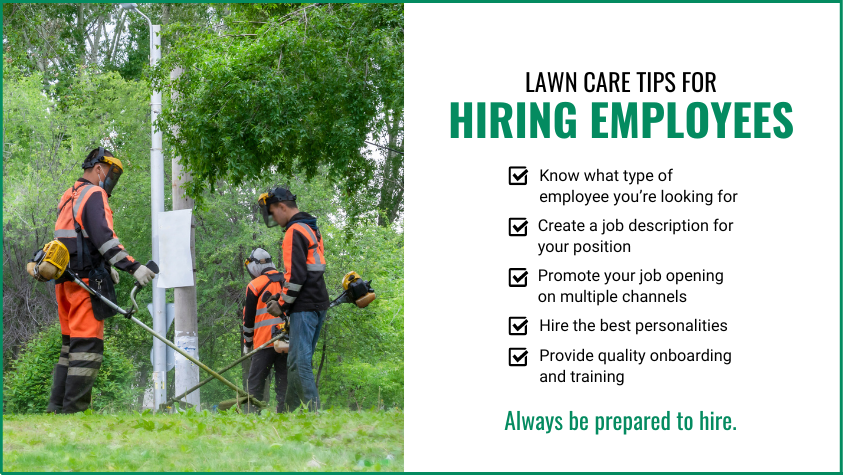
Image Source: lawnbuddy.com
Defining Your Needs: What Kind of Lawn Care Employees Do You Need?
Before you even think about placing an ad, you need to know exactly what you’re looking for. This involves more than just a general idea; it requires a clear understanding of the roles and responsibilities within your business.
Identifying Key Roles and Responsibilities
Lawn care is a broad field. Your needs might range from entry-level crew members to experienced supervisors. Consider these common roles:
- Lawn Care Crew Member (Entry-Level): This is the backbone of many operations. These individuals perform basic tasks like mowing, trimming, edging, blowing, and weeding. They need to be physically fit, able to follow instructions, and willing to learn.
- Lawn Care Crew Leader/Foreman: This role requires more experience. A crew leader oversees a small team, delegates tasks, ensures quality, and acts as a point of contact for clients. They need leadership skills, strong knowledge of lawn care techniques, and problem-solving abilities.
- Landscaping Technician: This position might involve more specialized skills like planting, pruning, mulching, and basic landscape maintenance. They often need a good eye for design and plant health.
- Equipment Operator: For businesses that use specialized machinery like aerators, dethatchers, or larger mowers, you might need someone specifically skilled in operating and maintaining this equipment.
- Customer Service/Sales Representative: While not directly in the field, these roles are vital for client communication and business growth.
Crafting Effective Job Descriptions
A well-written job description is your first line of defense in attracting the right talent. It sets expectations and helps candidates self-select. A good job description should include:
- Job Title: Clear and concise.
- Company Overview: Briefly describe your business and its mission.
- Job Summary: A brief overview of the role.
- Responsibilities: A detailed list of daily tasks and duties. Be specific. For example, instead of “mow lawns,” say “operate zero-turn mowers, ensuring clean cuts and proper striping.”
- Qualifications: List the essential skills, experience, and physical requirements.
- Preferred Qualifications: Skills or experience that are a bonus but not strictly necessary.
- Work Environment: Mention outdoor work, varying weather conditions, and physical demands.
- Compensation and Benefits: Be transparent about pay range and any benefits offered.
- How to Apply: Clear instructions on the application process.
Example Job Description Snippet for a Lawn Care Crew Member:
Job Title: Lawn Care Crew Member
Job Summary: Join our growing team and help maintain beautiful outdoor spaces! You will perform essential lawn care tasks, ensuring client properties are kept neat, tidy, and healthy.
Key Responsibilities:
* Operate commercial lawn mowers, trimmers, edgers, and blowers safely and efficiently.
* Perform detailed trimming and edging around obstacles, beds, and structures.
* Clean debris from properties using blowers.
* Assist with planting, mulching, and seasonal cleanups.
* Adhere to safety protocols at all times.
* Maintain equipment in good working order.
Qualifications:
* Ability to perform physically demanding tasks in outdoor conditions (heat, humidity, rain).
* Reliable and punctual.
* Willingness to learn and follow instructions.
* Basic knowledge of lawn care practices is a plus.
* Valid driver’s license preferred.
Finding Landscaping Workers: Where to Look and How to Advertise
Once you know what you need, it’s time to start the search. Finding landscaping workers requires reaching out through various channels to attract candidates.
Leveraging Online Job Boards and Platforms
These are often the first places people look for jobs.
- General Job Boards: Indeed, LinkedIn, ZipRecruiter, Glassdoor.
- Industry-Specific Platforms: Some platforms cater to trades and outdoor work.
- Social Media: Post openings on your company’s Facebook page, local community groups, and relevant LinkedIn groups.
Utilizing Local Resources and Community Outreach
Don’t overlook local talent pools.
- Community Colleges and Trade Schools: Connect with their career services departments. Many have programs focused on horticulture or landscape management.
- Local High Schools: Reach out to vocational programs or career counselors, especially for seasonal or entry-level positions.
- Local Employment Agencies: Specialized agencies can often help fill positions quickly.
- Word-of-Mouth Referrals: Encourage your current employees to refer friends and family. Offer a referral bonus for successful hires. This is often one of the most effective methods for finding reliable workers.
Advertising Strategies for Lawn Maintenance Staff Recruitment
Your advertising needs to be clear and appealing.
- Catchy Headlines: Grab attention. “Join Our Team of Landscape Pros!” or “Get Paid to Work Outdoors!”
- Highlight Benefits: Mention competitive pay, opportunities for growth, friendly work environment, and any health benefits.
- Use Visuals: If advertising online or on social media, include photos of your team working on beautiful properties.
- Targeted Ads: Use location-based targeting on social media and job boards to reach people in your service area.
Screening Lawn Care Applicants: Cutting Through the Noise
Not everyone who applies will be a good fit. Effective screening is essential to save time and resources. Screening lawn care applicants involves reviewing resumes and conducting initial checks to identify promising candidates.
Resume and Application Review
- Look for Red Flags: Frequent job hopping, unexplained gaps in employment, or spelling/grammar errors on applications can indicate issues.
- Assess Relevant Experience: Prior lawn care, landscaping, or manual labor experience is a good sign.
- Check for Basic Requirements: Do they meet the minimum qualifications you outlined?
Conducting Initial Phone Screens
A quick phone call can reveal a lot about a candidate’s communication skills and basic suitability.
- Purpose: Confirm basic qualifications, salary expectations, availability, and interest in the role.
- Key Questions:
- “Can you tell me about your experience with lawn care equipment?”
- “Are you comfortable working outdoors in various weather conditions?”
- “What are your salary expectations?”
- “What is your availability for work?”
- “Why are you interested in this position?”
Background and Reference Checks
Once you’ve narrowed down your candidate pool, it’s time for deeper checks.
- Criminal Background Checks: Essential for ensuring the safety of your clients and your team, especially when working on residential properties.
- Driving Record Checks: Crucial if employees will be driving company vehicles.
- Employment Verification: Confirm previous employment details.
- Reference Checks: Speak to former employers to get insights into their work ethic, reliability, and skills. Ask specific questions like:
- “How would you describe this person’s punctuality and reliability?”
- “What were their primary responsibilities?”
- “How did they handle working as part of a team?”
- “Would you rehire this individual?”
Interviewing Landscaping Candidates: Digging Deeper
The interview is your chance to get to know the candidate beyond their resume. Interviewing landscaping candidates should focus on assessing their skills, attitude, and fit with your company culture.
Structuring Your Interviews
A structured interview process ensures you ask all candidates the same important questions, making comparisons easier.
- In-Person Interviews: This is usually the best format. It allows you to observe their demeanor and communication.
- Panel Interviews: Consider having a supervisor or experienced crew member join the interview.
- Practical Assessments: For skilled roles, consider a short practical test (e.g., identifying common weeds, demonstrating basic equipment handling if safe and appropriate).
Key Interview Questions to Ask
Focus on behavioral and situational questions to gauge how they will perform.
Behavioral Questions (Past Experiences)
- “Tell me about a time you had to work on a challenging landscaping project. How did you approach it?”
- “Describe a situation where you had to work closely with a team to complete a task. What was your role?”
- “How do you handle feedback or constructive criticism on your work?”
- “Tell me about a time you made a mistake on the job. What did you learn from it?”
Situational Questions (Hypothetical Scenarios)
- “Imagine a client is unhappy with the work done on their lawn. How would you handle the situation?”
- “If you notice a potential safety hazard while working, what would you do?”
- “You’re given a set of tasks for the day, but the weather suddenly changes. What’s your plan?”
- “How would you prioritize tasks if you had multiple properties to service with limited time?”
Assessing Soft Skills
Beyond technical abilities, soft skills are vital for team cohesion and client satisfaction.
- Teamwork: Do they seem like a good collaborator?
- Communication: Can they articulate their thoughts clearly?
- Problem-Solving: Can they think on their feet?
- Attitude: Are they positive, eager to learn, and respectful?
- Work Ethic: Do they convey a sense of responsibility and dedication?
Table: Interview Question Focus Areas
| Skill Area | Example Questions | What to Look For |
|---|---|---|
| Reliability | “How do you ensure you arrive on time for work?” | Punctual, organized, understands commitment. |
| Work Ethic | “Describe a time you went above and beyond to get a job done.” | Proactive, takes initiative, dedicated to quality. |
| Teamwork | “How do you handle disagreements with coworkers?” | Collaborative, respectful, communicative. |
| Problem-Solving | “If a piece of equipment malfunctions, what steps would you take?” | Resourceful, calm under pressure, seeks solutions. |
| Safety Focus | “What safety precautions do you take when operating machinery?” | Cautious, knowledgeable about safety procedures, prioritizes well-being. |
| Client Focus | “How would you respond if a client approached you with a concern?” | Professional, courteous, good communicator, focused on customer satisfaction. |
| Adaptability | “How do you feel about working in different weather conditions?” | Resilient, flexible, positive attitude towards challenging environments. |
Onboarding Lawn Care Personnel: Setting Them Up for Success
Hiring is only half the battle. Proper onboarding lawn care personnel ensures they integrate smoothly, learn your procedures, and feel valued from day one.
The Importance of a Structured Onboarding Program
A good onboarding process reduces turnover, increases productivity, and fosters loyalty.
- First Day Essentials: Paperwork, uniform distribution, introduction to the team and facility.
- Company Culture and Values: Share your mission, values, and expectations for behavior.
- Job-Specific Training: Detailed instruction on your methods and standards.
- Safety Training: Crucial in this industry. Cover equipment safety, proper lifting techniques, hazard identification, and emergency procedures.
Essential Training Components
Your training should cover both the practical aspects of the job and the operational side of your business.
Safety Training
This is non-negotiable. All employees must be thoroughly trained on:
- Personal Protective Equipment (PPE): Proper use of safety glasses, ear protection, gloves, sturdy footwear, etc.
- Equipment Operation: Safe startup, shutdown, operation, and shutdown procedures for mowers, trimmers, blowers, edgers, and any other machinery.
- Hazard Recognition: Identifying trip hazards, electrical wires, uneven terrain, and other dangers.
- Chemical Safety (if applicable): Safe handling and application of fertilizers, herbicides, and pesticides.
- First Aid and Emergency Procedures: What to do in case of injury or accident.
Skill Development and Best Practices
Train your staff on your specific methods to ensure consistency and quality.
- Mowing Techniques: Proper height, pattern, and speed to ensure a healthy lawn and aesthetically pleasing finish.
- Trimming and Edging: Achieving clean lines around beds, walkways, and structures.
- Blowing and Debris Removal: Efficiently clearing clippings and debris.
- Planting and Mulching: Best practices for soil preparation, planting depth, and mulch application.
- Pruning: Techniques for different types of plants.
- Irrigation System Basics (if applicable): Basic checks and troubleshooting.
Operational Procedures
Help them understand the workflow of your business.
- Route Planning and Scheduling: How daily routes are assigned and managed.
- Time Tracking: How to clock in and out, and track time for specific jobs.
- Equipment Maintenance: Basic daily checks and cleaning.
- Client Communication Protocols: How to interact with clients and report any issues.
Table: Onboarding Checklist
| Phase | Key Activities |
|---|---|
| Pre-Employment | Offer letter, background check completion, HR paperwork initiation. |
| Day 1 | Welcome, HR paperwork completion, introductions, tour of facilities, uniform and tool issuance, initial safety overview. |
| Week 1 | In-depth safety training, equipment operation basics, shadowing experienced crew members, introduction to company procedures and job expectations. |
| Month 1 | Hands-on training with direct supervision, performance feedback, review of company policies, introduction to advanced techniques, job site familiarity. |
| Ongoing | Regular check-ins, performance reviews, advanced training opportunities, team meetings, feedback sessions. |
Training Lawn Care Staff: Continuous Growth and Skill Enhancement
Training lawn care staff is an ongoing process, not a one-time event. It ensures your team stays up-to-date with industry best practices and company standards.
Developing a Training Plan
A good training plan is structured and targets specific skill development.
- New Hires: Focus on foundational safety, equipment operation, and basic lawn care tasks.
- Experienced Staff: Offer training on more advanced techniques, new equipment, leadership skills, or specialized services (e.g., pest control, landscape design).
- Seasonal Training: Before the peak season begins, conduct refresher courses on safety and key procedures.
Training Methods
Variety can make training more engaging and effective.
- Hands-on Demonstration: Having experienced staff show new hires how to perform tasks.
- Shadowing: Pairing new hires with experienced team members on job sites.
- Workshops and Seminars: Bringing in experts or internal trainers for specific topics.
- Online Resources: Utilizing videos and tutorials for specific skills or safety topics.
- Mentorship Programs: Pairing junior staff with senior team members for guidance.
Managing Lawn Care Teams: Leading for Success
Effective managing lawn care teams requires strong leadership, clear communication, and a focus on fostering a positive and productive work environment.
Communication is Key
Open and consistent communication prevents misunderstandings and builds trust.
- Daily Briefings: Start the day with a quick meeting to discuss the day’s schedule, specific client needs, and any safety reminders.
- Regular Team Meetings: Discuss company updates, celebrate successes, and address challenges.
- One-on-One Check-ins: Provide individual feedback and support.
- Open Door Policy: Encourage team members to come to you with concerns or ideas.
Setting Clear Expectations and Goals
Your team needs to know what success looks like.
- Performance Standards: Clearly define quality standards for mowing, trimming, cleanup, etc.
- Efficiency Targets: Communicate expected production rates where appropriate.
- Client Satisfaction: Emphasize the importance of positive customer interactions.
Performance Management and Feedback
Regularly evaluate performance and provide constructive feedback.
- Site Inspections: Periodically check job sites to ensure quality and adherence to standards.
- Client Feedback: Solicit feedback from clients and share it with the team.
- Constructive Criticism: Deliver feedback in a private, supportive manner, focusing on specific behaviors and solutions.
- Recognition and Rewards: Acknowledge and reward good work, whether through verbal praise, small bonuses, or employee-of-the-month programs.
Conflict Resolution
Disagreements can arise within any team. Having a process for resolving them is important.
- Listen Actively: Hear all sides of the story.
- Facilitate Discussion: Help team members communicate respectfully.
- Focus on Solutions: Work towards a resolution that benefits the team and the company.
Retaining Lawn Care Employees: Keeping Your Best People
Retaining lawn care employees is often more cost-effective than constantly hiring and training new staff. High turnover can significantly impact productivity and morale.
Competitive Compensation and Benefits
Fair pay is fundamental.
- Hourly Wages/Salaries: Research industry standards in your area.
- Performance Bonuses: Incentivize exceeding expectations.
- Health Insurance: Offer benefits if feasible.
- Paid Time Off: Vacation and sick days are highly valued.
Opportunities for Growth and Advancement
Employees are more likely to stay if they see a future with your company.
- Skill Development: Offer advanced training and certifications.
- Promotional Paths: Create clear opportunities to move up to crew leader or supervisor roles.
- Cross-Training: Allow employees to learn new aspects of the business.
Positive Work Environment and Culture
A supportive and respectful workplace is crucial.
- Team Building: Organize social events or activities to foster camaraderie.
- Respect and Recognition: Ensure all employees feel valued and appreciated.
- Fair Treatment: Apply company policies consistently to everyone.
- Work-Life Balance: While demanding, try to respect employees’ personal time when possible.
Investing in Equipment and Tools
Providing your team with well-maintained, efficient equipment shows you value their work and safety.
- Modern Machinery: Keep your equipment up-to-date.
- Proper Maintenance: Ensure tools are in good working order.
- Ergonomic Tools: Consider tools that reduce strain and fatigue.
Frequently Asked Questions (FAQ)
Q1: How much should I pay lawn care employees?
A1: Pay rates vary by location, experience, and the specific role. Research local market rates for similar positions. Generally, entry-level crew members might start at minimum wage or slightly above, while experienced crew leaders can command higher wages. Offering competitive pay, including potential for overtime and bonuses, is crucial for attracting and retaining talent.
Q2: What are the essential skills for a lawn care employee?
A2: Key skills include physical stamina, reliability, ability to follow instructions, basic mechanical aptitude for equipment, attention to detail, teamwork, and a willingness to learn. For crew leader roles, leadership, communication, and problem-solving skills are also vital.
Q3: How do I handle seasonal hiring for lawn care?
A3: For seasonal work, clearly state the temporary nature of the position in your job description. Focus your recruitment efforts closer to the start of the season. Consider offering incentives for seasonal employees who return year after year. Highlight the opportunity to gain experience and potentially return for permanent roles if performance is strong.
Q4: What is the best way to ensure safety on the job?
A4: Comprehensive safety training is paramount. This includes proper use of personal protective equipment (PPE), safe operation of all machinery, hazard identification, safe lifting techniques, and emergency procedures. Regular safety briefings and ongoing reinforcement of safety protocols are essential for managing lawn care teams effectively and preventing accidents.
Q5: How can I make my company an attractive place to work for lawn care professionals?
A5: Offer competitive wages and benefits, provide opportunities for skill development and advancement, foster a positive and respectful work environment, invest in quality equipment, and communicate clearly and openly. Recognizing and rewarding hard work also goes a long way in retaining lawn care employees.
By following these comprehensive steps, you can build a strong, reliable, and skilled lawn care team. From finding landscaping workers to keeping them engaged and productive, a well-thought-out hiring and management strategy is the foundation of a successful landscaping business. Good luck with your lawn maintenance staff recruitment efforts!