
Can you hydroseed your own lawn? Yes, you can hydroseed your own lawn, and with the right information, it can be a straightforward and rewarding DIY project. Hydroseeding is a process that can give you a beautiful, lush lawn faster than traditional seeding methods. It involves spraying a slurry of water, seed, mulch, fertilizer, and tackifier onto your prepared soil. This method helps seeds stay moist and protected, promoting quick germination and robust growth.
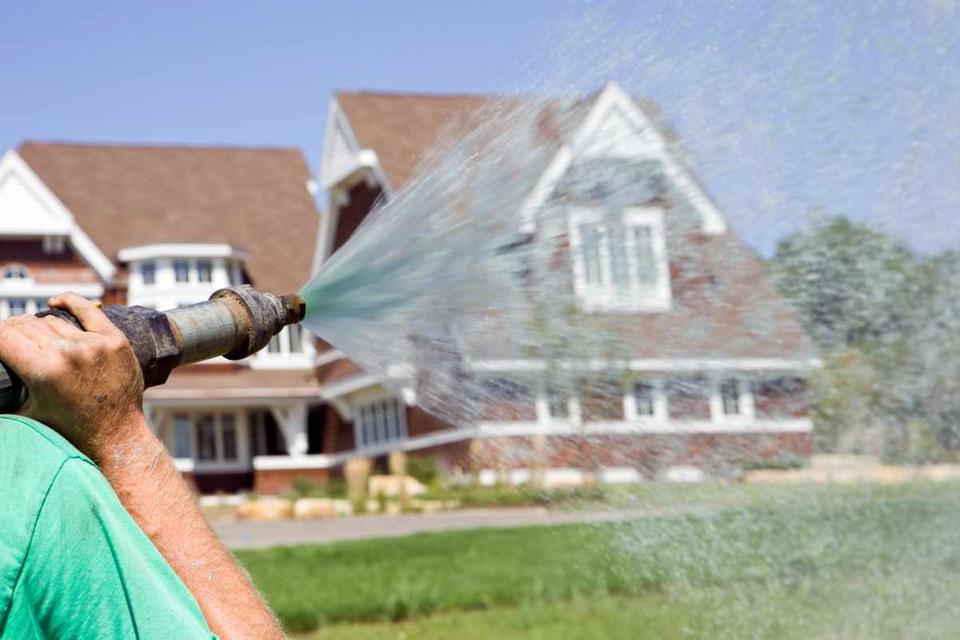
Image Source: www.wikilawn.com
Why Choose Hydroseeding? Exploring the Hydroseeding Benefits
If you’re considering how to get a new lawn or improve an existing one, hydroseeding offers several advantages. The hydroseeding benefits are significant, making it an attractive option for homeowners.
- Faster Germination: The moisture-retaining mulch in the hydroseeding mixture helps seeds sprout quickly. You can often see germination within a week.
- Even Coverage: The spray application ensures seed is distributed uniformly across the entire area, avoiding patchy spots.
- Moisture Retention: The mulch acts like a sponge, keeping the seeds consistently moist, which is crucial for healthy growth, especially in dry weather.
- Erosion Control: The mulch helps bind the soil, preventing seeds from washing away due to rain or wind. This is especially helpful on slopes.
- Cost-Effective: While initial hydroseeding cost can seem like an investment, it often proves more economical than sodding and can be comparable to or cheaper than traditional hand-seeding, especially when considering the long-term results.
- Weed Suppression: The dense mat formed by the mulch can help suppress weed seeds from germinating, giving your grass a better chance to establish.
What You’ll Need: Essential Hydroseeding Equipment
To embark on your DIY hydroseeding adventure, you’ll need specific hydroseeding equipment. While professional companies use large, specialized hydroseeding machines, you can rent or purchase smaller, more manageable units for residential use.
Hydroseeding Machine Options
- Rental: This is often the most cost-effective option for a one-time project. Many garden centers or equipment rental companies offer hydroseeding machines. Ensure you understand how to operate it before you leave the rental facility.
- Purchase: If you have a large property or plan to hydroseed regularly, investing in your own hydroseeding machine might be worthwhile. These range from smaller portable units to larger, more powerful machines.
Other Necessary Tools
Beyond the hydroseeding machine, you’ll require a few other items:
- Water Source: A reliable and readily available water source is essential. You’ll need a hose that can connect to your machine and the water supply.
- Hoses and Fittings: Sturdy hoses and appropriate fittings to connect your water source to the machine and to the spray gun.
- Measuring Tools: For accurate measurement of seed, mulch, fertilizer, and water.
- Shovel or Hoe: For mixing ingredients within the hydroseeding machine’s tank.
- Protective Gear: Gloves, eye protection, and possibly a dust mask, especially when handling dry ingredients.
- Rake or Leaf Blower: For final soil preparation.
Preparing Your Site: The Foundation for Success
Before you can start spraying, meticulous site preparation is key. This is one of the most critical hydroseeding steps.
Site Preparation Steps
- Clear the Area: Remove all existing vegetation, rocks, debris, and weeds. You can do this by digging, tilling, or using a weed killer. If you’ve used a chemical weed killer, wait the recommended time before proceeding.
- Grade and Level: Ensure the ground is properly graded to allow for water runoff and prevent pooling. Fill in any low spots and level the area as much as possible. This helps create a uniform surface for seeding.
- Loosen the Soil: For best seed-to-soil contact, the top few inches of soil should be loosened. You can achieve this by tilling or raking. This also helps with water penetration.
- Amend the Soil (Optional but Recommended): If your soil is poor, consider adding compost or other organic matter. This improves soil structure, fertility, and moisture retention, further enhancing hydroseeding results.
- Final Rake: Lightly rake the surface to create a smooth, even seedbed. Remove any remaining clumps or debris.
Crafting Your Hydroseeding Mixture: The Perfect Blend
The heart of hydroseeding lies in the hydroseeding mixture. This slurry is a carefully balanced combination of ingredients designed to nourish and protect your grass seed.
Key Components of the Hydroseeding Mixture
- Water: The base of the slurry. The amount will depend on the size of your hydroseeding machine’s tank.
- Seed: Choose a high-quality grass seed blend suitable for your climate, soil type, and intended lawn use (e.g., sun, shade, high traffic).
- Mulch: This is typically wood fiber or paper mulch. It holds moisture and provides a protective layer for the seeds. Wood fiber mulch is generally preferred for its superior moisture-holding capabilities.
- Fertilizer: A starter fertilizer is essential to provide the young seedlings with the nutrients they need to establish strong roots.
- Tackifier (Binder): This is a sticky substance that helps the mulch and seed adhere to the soil, preventing them from washing away. Common tackifiers include psyllium or paper pulp.
Typical Hydroseeding Mixture Ratios
While specific ratios can vary based on the product manufacturer and seed type, a common starting point for a hydroseeding mixture might look something like this for a 100-gallon tank:
| Component | Quantity | Notes |
|---|---|---|
| Water | 50-75 Gallons | Adjust to fill the tank to the desired level after other ingredients are added. |
| Grass Seed | 5-10 lbs (depending on area and type) | Use a premium blend suitable for your region. |
| Mulch (Wood Fiber) | 15-20 lbs | Provides excellent moisture retention and coverage. |
| Starter Fertilizer | 1-2 lbs | Contains phosphorus to promote root growth. |
| Tackifier | 0.5-1 lb (follow product instructions) | Helps bind the mixture to the soil, crucial for preventing wash-off. |
Important Considerations for the Mixture:
- Seed Rate: Always check the recommended seeding rate for your chosen grass seed. This is usually provided on the seed packaging or by the seed supplier.
- Mulch Percentage: The amount of mulch is critical for moisture retention. Too little, and the seeds dry out; too much, and the seeds can struggle to emerge.
- Fertilizer Type: Use a starter fertilizer. Avoid high-nitrogen fertilizers at this stage, as they can burn young seedlings.
- Product Instructions: Always follow the specific instructions provided by the manufacturers of your seed, mulch, fertilizer, and tackifier.
The Application Process: Spraying Your New Lawn
This is where the magic happens! The hydroseeding application requires careful technique to ensure even coverage and optimal results.
Step-by-Step Hydroseeding Application
- Load the Machine: Begin by filling the hydroseeding machine’s tank with the specified amount of water.
- Add Ingredients: Add the other components to the tank in the following order:
- Fertilizer
- Tackifier
- Mulch (this helps prevent clumping)
- Grass Seed (add last)
- Mix Thoroughly: Activate the machine’s agitation system. Allow the mixture to churn for several minutes (usually 5-10 minutes) to ensure all ingredients are evenly dispersed and no clumping occurs. The mixture should have a consistent, soupy, oatmeal-like consistency.
- Test the Spray: Before applying to your lawn, test the spray on a small, inconspicuous area or a tarp. Adjust the nozzle pressure and flow as needed. The spray should be a consistent, even stream, not a forceful jet.
- Begin Spraying: Start at the highest point of your property (if on a slope) and work your way down. This prevents you from walking over newly seeded areas.
- Maintain Even Coverage: Walk at a consistent pace, sweeping the spray gun back and forth in overlapping passes. Aim for a coverage that results in a visible green mat of mulch. You want the soil to be covered but not buried.
- Address Edges and Slopes: Pay extra attention to the edges of your lawn and any sloped areas. Ensure these sections receive adequate coverage to prevent erosion.
- Don’t Overlap Excessively: While some overlap is good for uniformity, excessive overlap can lead to over-seeding in certain areas, which can cause competition between grass plants.
- Clean Up: Once you’re finished, thoroughly clean the hydroseeding machine and all equipment according to the manufacturer’s instructions. Residual material can dry and harden, making cleaning difficult.
Post-Application Care: Nurturing Your New Lawn
After the hydroseeding application, the work isn’t entirely done. Proper hydroseeding maintenance is crucial for achieving those beautiful hydroseeding results.
Watering Schedule
- Initial Watering: Immediately after application, lightly water the entire seeded area to settle the mulch and ensure good seed-to-soil contact.
- Frequent, Light Watering: For the first 1-2 weeks, keep the seedbed consistently moist. This means watering several times a day (morning, midday, and late afternoon), especially in warm or windy weather. The goal is to keep the top layer of soil damp, not waterlogged.
- Gradual Reduction: As the grass seedlings grow taller (about 1-2 inches), you can gradually reduce the frequency of watering but increase the duration of each watering session. This encourages deeper root growth.
- Established Lawn: Once the grass is well-established (around 4-6 weeks), transition to a more typical watering schedule for your region, usually a deeper watering less frequently.
Mowing
- First Mow: Wait until the grass reaches about 3-4 inches in height.
- Mower Blade Height: Set your mower blade to a higher setting (e.g., 3 inches) for the first few mows.
- Never Remove More Than One-Third: Always follow the one-third rule – never cut off more than one-third of the grass blade’s height at a time. This prevents stressing the young grass.
- Mulch Clippings: Leave the grass clippings on the lawn. They act as a natural fertilizer.
Fertilization
- Starter Fertilizer: The starter fertilizer in the initial mixture provides nutrients for the first few weeks.
- Subsequent Fertilization: Depending on your soil test and the type of grass, you may need to fertilize again after the grass is well-established. Follow the recommendations for your specific grass type and climate.
Weed Control
- Post-Emergence: If weeds appear, a post-emergence herbicide can be used. However, be cautious, as some herbicides can harm young grass. Read labels carefully and consider using a product specifically labeled for new lawns or cool-season grasses.
- Manual Removal: For isolated weeds, manual removal is often the safest option.
Hydroseeding Pros and Cons: A Balanced View
Like any lawn care method, hydroseeding has its advantages and disadvantages. Weighing the hydroseeding pros and cons will help you decide if it’s the right choice for you.
Hydroseeding Pros
- Speed of Establishment: Significantly faster germination and growth compared to traditional methods.
- Excellent for Slopes: The tackifier and mulch provide superior erosion control.
- Uniform Coverage: Promotes a consistent, even lawn.
- Cost-Effective for Large Areas: Can be cheaper than sod and more efficient than hand-seeding for extensive lawns.
- Moisture Retention: High success rate even in drier conditions.
- Less Compaction: No heavy equipment like sod rollers is needed, leading to less soil compaction.
Hydroseeding Cons
- Requires Specialized Equipment: You’ll need access to a hydroseeder, either by renting or purchasing.
- Weather Dependent: Application is best done in calm, mild weather. Strong winds can affect spray distribution, and extreme heat or cold can hinder germination.
- Post-Application Care is Crucial: Consistent watering is essential for success.
- Potential for Clogging: If the mixture isn’t prepared correctly, the equipment can clog.
- Initial Cost: While cost-effective in the long run, the initial rental or purchase of equipment and materials can seem like a significant outlay for DIY hydroseeding.
Comparing Hydroseeding to Other Lawn Establishment Methods
To further appreciate hydroseeding benefits, it’s useful to compare it to other popular methods.
Hydroseeding vs. Traditional Seeding
| Feature | Hydroseeding | Traditional Seeding (Hand-Seeding) |
|---|---|---|
| Speed | Fast germination, quick establishment | Slower germination, slower establishment |
| Coverage | Very even, uniform | Prone to patching and unevenness |
| Moisture Control | Excellent, mulch retains moisture | Prone to drying out if not watered meticulously |
| Erosion Control | High due to mulch and tackifier | Low, seeds can easily wash away on slopes |
| Cost | Moderate to high (depending on equipment) | Low material cost, labor intensive |
| Effort | Moderate (machine operation, prep) | High (raking, watering, potential reseeding) |
| Results | Typically lush and dense quickly | Can be patchy, requires more effort to get good results |
Hydroseeding vs. Sodding
| Feature | Hydroseeding | Sodding |
|---|---|---|
| Speed | Fast germination, quick establishment | Instant lawn |
| Coverage | Very even, uniform | Uniform, but dependent on sod installation quality |
| Moisture Control | Excellent, mulch retains moisture | High initial moisture requirement, then standard watering |
| Erosion Control | High due to mulch and tackifier | High, the sod itself is a barrier |
| Cost | Moderate to high (depending on equipment) | High, sod is expensive and requires transport |
| Effort | Moderate (machine operation, prep) | High (laying sod, ensuring good contact) |
| Results | Can be less prone to transplant shock | Can be prone to transplant shock if not installed properly |
Estimating Your Hydroseeding Cost
The hydroseeding cost can vary significantly based on several factors. For a DIY project, you’ll be looking at the cost of renting equipment and purchasing the materials.
Factors Influencing DIY Hydroseeding Cost
- Area Size: Larger areas will naturally require more seed, mulch, and fertilizer, increasing the overall material cost.
- Equipment Rental: Rental fees for hydroseeders can range from $100 to $300+ per day, depending on the size and type of machine and your location.
- Seed Type: Premium seed blends or specialty seeds can be more expensive.
- Mulch Quality: Wood fiber mulch is generally more expensive than paper mulch but offers better performance.
- Fertilizer and Additives: The cost of starter fertilizer and tackifier will also factor in.
General Cost Estimates for DIY:
For a typical residential lawn (e.g., 1,000 sq ft to 5,000 sq ft), the DIY hydroseeding cost for materials alone might range from $100 to $500. Adding in a one-day equipment rental, the total DIY project cost could be in the range of $200 to $800. This is often significantly less than hiring a professional hydroseeding service for the same area.
Frequently Asked Questions About Hydroseeding
Here are some common questions people have about hydroseeding their own lawns.
FAQ
-
Q: How long does it take to see results from hydroseeding?
A: You can typically expect to see germination within 5-14 days, depending on the seed type and weather conditions. The lawn will start to look established within 2-3 weeks, and a mature lawn can be achieved within 4-6 weeks. -
Q: Can I hydroseed in the fall?
A: Yes, fall is often an ideal time to hydroseed, especially for cool-season grasses. The cooler temperatures and increased moisture in the fall provide excellent conditions for seed germination and root development before winter. -
Q: How much water does a hydroseeded lawn need?
A: Initially, keep the seedbed consistently moist with frequent, light watering (several times a day). As the grass grows, gradually reduce the frequency and increase the duration of watering to encourage deep roots. -
Q: Will hydroseeding kill existing weeds?
A: Hydroseeding itself doesn’t kill weeds, but the dense growth it promotes can outcompete some weeds. It’s best to clear the area of weeds before hydroseeding for optimal results. -
Q: What is the best time of day to hydroseed?
A: The best time of day to apply the hydroseeding mixture is typically in the morning or late afternoon when temperatures are cooler and there’s less wind. Avoid the hottest part of the day. -
Q: Is hydroseeding suitable for all grass types?
A: Yes, hydroseeding is effective for most common grass types, including fescue, bluegrass, rye, and warm-season grasses like Bermuda and Zoysia. The key is to use the appropriate seed blend for your region and conditions.
Conclusion: Your Path to a Beautiful Hydroseeded Lawn
Embarking on a DIY hydroseeding project can seem daunting at first, but by following these detailed hydroseeding steps, preparing your site thoroughly, mixing your hydroseeding mixture correctly, and providing diligent hydroseeding maintenance, you can achieve impressive hydroseeding results. The hydroseeding benefits of rapid growth, even coverage, and excellent erosion control make it a fantastic option for transforming your yard. While the initial hydroseeding cost might require an investment in equipment and materials, the savings compared to professional services, combined with the satisfaction of a job well done, make it a worthwhile endeavor for any homeowner looking for a greener, lusher lawn.