
Can you tell me what type of grass is in my lawn? Yes, this guide will help you identify your lawn grass by looking at key features. Identifying your grass types is the first step to better lawn care and lawn maintenance. Knowing what grass species you have allows for tailored watering, fertilizing, and pest control, leading to a healthier, more vibrant lawn. This grass identification guide will break down the process into easy-to-follow steps, helping you become a pro at lawn grass identification and turfgrass identification.
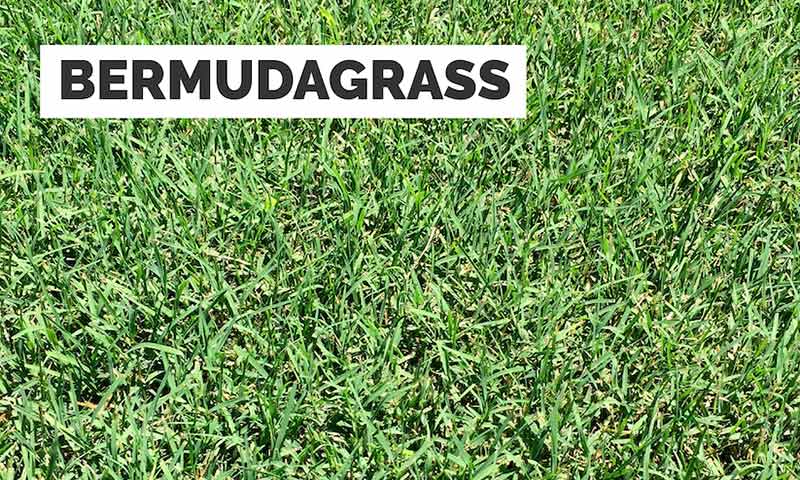
Image Source: www.pennington.com
Why Knowing Your Grass Matters
Every lawn is unique, and so is the grass that grows in it. Different types of grass have different needs. Some love the sun, while others thrive in shade. Some need lots of water, and others are quite drought-tolerant. Understanding your specific grass type helps you:
- Water Smarter: Avoid over- or under-watering.
- Fertilize Effectively: Provide the right nutrients at the right time.
- Control Weeds and Pests: Target problems specific to your grass type.
- Choose the Right Treatments: Select the best products for your lawn’s health.
- Overseed Properly: Ensure new grass seeds will thrive alongside your existing lawn.
Getting Started: What You’ll Need
Before you head out to examine your lawn, gather a few simple tools. These will make the identification process much easier.
- Magnifying Glass: Essential for looking closely at leaf blades and seed heads.
- Ruler or Tape Measure: For measuring leaf width and growth patterns.
- Notebook and Pen: To jot down your observations.
- Camera or Smartphone: To take pictures for reference or sharing.
- Gloves: To keep your hands clean.
- A Clear Day: Good natural light is best for seeing details.
Examining Your Grass: The Key Features
Lawn grass identification relies on observing several key characteristics of the grass blades and how the grass grows. Let’s dive into what to look for.
1. Leaf Blade Characteristics
The leaf blade is the most obvious part of the grass plant. Look closely at its shape, texture, and how it feels.
Leaf Blade Width
- Narrow Blades: Many cool-season grasses have narrower leaves.
- Wide Blades: Some warm-season grasses have wider leaves.
How to Measure: Gently pull a few blades and use your ruler.
Leaf Blade Shape
- Pointed Tip: Does the tip come to a sharp point, a rounded tip, or a boat-shaped tip?
- Veins: Can you see prominent veins running down the blade?
Texture and Feel
- Smooth: Does the blade feel smooth all over?
- Rough or Ribbed: Is there a noticeable texture, perhaps a raised ridge on the upper surface or serrations on the edges?
Color
- Deep Green: Many grasses are a rich green.
- Bluish-Green: Some grasses have a blueish tint.
- Yellowish-Green: Others might lean towards a lighter, yellowish hue.
2. Growth Habit
How does the grass spread? This is a crucial factor in identifying grass species.
- Spreading by Rhizomes (Underground Stems): These grasses spread underground, creating a dense, uniform turf. When you dig up a small clump, you might see these underground runners.
- Spreading by Stolons (Above-Ground Stems): These grasses creep across the surface of the soil. You can often see these thin, above-ground stems rooting at the nodes.
- Bunch-Type Grasses: These grasses grow in clumps and don’t spread aggressively by runners. They tend to be less dense.
3. Auricles
Auricles are small, ear-like appendages where the leaf blade meets the stem (sheath). They can be a definitive identifying feature.
- Presence or Absence: Do you see them?
- Shape: Are they long and pointed, short and blunt, or absent altogether?
4. Ligule
The ligule is a membrane or fringe of hairs located on the inner surface of the leaf sheath where the blade attaches.
- Type: Is it a membranous fringe, a smooth membrane, or a hairy fringe?
- Shape: Is it short, long, or pointed?
5. Seed Heads (If Present)
If your grass has gone to seed, the seed head can be a very reliable identifier.
- Shape: Are they spiky, feathery, or clustered?
- Arrangement: How are the seeds arranged on the stem?
6. Collar
The collar is the area on the outer surface of the leaf sheath opposite the blade.
- Color: Is it a different color than the rest of the blade?
- Texture: Is it smooth, ribbed, or divided?
Common Lawn Grasses: A Quick Reference
Here are some of the most common grass types found in lawns across different regions. We’ll look at their key features to help you compare.
Cool-Season Grasses
These grasses thrive in cooler temperatures and can often tolerate some shade. They are common in northern regions.
1. Kentucky Bluegrass (Poa pratensis)
- Leaf Blade: Medium width (2-4 mm), boat-shaped tip, smooth surface, prominent parallel veins, may have a “W” pattern when viewed from above.
- Growth Habit: Spreads by rhizomes and stolons, forming a dense, sod-like turf.
- Auricles: Absent.
- Ligule: Short, membranous, often with a blunt tip.
- Collar: Broad, with parallel veins, often lighter green than the blade.
- Seed Head: Loose, open panicle with spikelets.
2. Perennial Ryegrass (Lolium perenne)
- Leaf Blade: Narrow to medium width (2-6 mm), pointed tip, smooth surface, very shiny on the underside, distinct parallel veins.
- Growth Habit: Bunch-type, spreads slowly by tillers (short shoots from the base).
- Auricles: Short, claw-like, clasping the stem.
- Ligule: Short, membranous, often with a pointed tip.
- Collar: Narrow, smooth.
- Seed Head: Slender spike with flattened, overlapping spikelets.
3. Fine Fescue (e.g., Creeping Red Fescue, Chewings Fescue, Hard Fescue)
- Leaf Blade: Very narrow (1-3 mm), often folded or V-shaped, soft texture, sometimes slightly rough on the edges.
- Growth Habit: Bunch-type or shallow spreading by rhizomes (Creeping Red Fescue).
- Auricles: Absent.
- Ligule: Short, membranous, often with a pointed tip.
- Collar: Narrow, smooth.
- Seed Head: Open, airy panicle with long, thin awnlets on the spikelets.
4. Tall Fescue (Festuca arundinacea)
- Leaf Blade: Wider than fine fescues (4-7 mm), pointed tip, rough surface with prominent parallel veins, often has a ribbed appearance on the upper surface.
- Growth Habit: Bunch-type, but can form a dense turf over time.
- Auricles: Absent.
- Ligule: Short, membranous, often with a blunt tip.
- Collar: Broad, smooth.
- Seed Head: Tall, dense, often pyramid-shaped panicle.
Warm-Season Grasses
These grasses thrive in hot temperatures and are common in southern regions. They go dormant and turn brown in cooler weather.
1. Bermudagrass (Cynodon dactylon)
- Leaf Blade: Narrow (1-3 mm), pointed tip, smooth surface, may have fine hairs at the base.
- Growth Habit: Aggressive spreader by both rhizomes and stolons, forming a dense, tough turf.
- Auricles: Absent.
- Ligule: A fringe of short hairs.
- Collar: Narrow, often with fine hairs.
- Seed Head: Typically 3-7 finger-like spikes radiating from the top of the stem.
2. Zoysiagrass (e.g., Meyer, Emerald)
- Leaf Blade: Medium width (2-5 mm), pointed tip, smooth surface, feels somewhat stiff or leathery.
- Growth Habit: Spreads by both rhizomes and stolons, forming a dense, slow-growing turf.
- Auricles: Absent.
- Ligule: A ring of fine hairs.
- Collar: Narrow, often with fine hairs.
- Seed Head: Spike-like or open panicle, not always prominent.
3. Centipedegrass (Eremochloa ophiuroides)
- Leaf Blade: Medium width (2-4 mm), often has a rounded or blunt tip, smooth surface, grows in a decumbent (lying down) manner.
- Growth Habit: Spreads by stolons, forming a relatively low-density turf.
- Auricles: Absent.
- Ligule: A fringe of hairs.
- Collar: Narrow, with hairs.
- Seed Head: Short, finger-like spikes at the top of the stem.
4. St. Augustinegrass (Stenotaphrum secundatum)
- Leaf Blade: Broad (6-12 mm), rounded or blunt tip, smooth surface.
- Growth Habit: Spreads aggressively by thick, above-ground stolons.
- Auricles: Absent.
- Ligule: A fringe of short hairs.
- Collar: Narrow, with hairs.
- Seed Head: A thick, bristly spike.
Step-by-Step Identification Process
Let’s put this knowledge into practice. Follow these steps for accurate lawn grass identification.
Step 1: Observe the Overall Lawn Appearance
- Texture: Does the lawn feel soft and fine, or coarse and rough?
- Density: Is it a thick, uniform carpet, or are there gaps and thinner patches?
- Color: What is the dominant green hue? Does it stay green year-round, or does it turn brown in cooler months? (This is a key indicator of cool-season vs. warm-season grass).
Step 2: Examine Individual Blades Up Close
This is where your magnifying glass comes in handy.
- Width: Measure the width of several blades.
- Tip Shape: Is it pointed, rounded, or boat-shaped?
- Surface Texture: Feel the blade – is it smooth or rough? Look for ridges.
- Color: Note the shade of green and any bluish or yellowish tints.
Step 3: Investigate the Growth Habit
Gently dig up a small clump of grass with some soil.
- Underground Runners (Rhizomes): Are there thick or thin white or tan stems growing horizontally beneath the soil surface?
- Above-Ground Runners (Stolons): Are there above-ground stems creeping across the soil, rooting at nodes?
- Clumping: Does the grass seem to grow in distinct clumps without spreading runners?
Step 4: Check for Auricles and Ligules
This requires careful observation, often with your magnifying glass.
- Auricles: Where the leaf blade meets the stem, do you see small, ear-like structures? What is their shape?
- Ligule: Look on the inside of the sheath. Is there a membrane, a fringe of hairs, or is it absent? What is its shape and size?
Step 5: Identify Seed Heads (If Available)
If your grass is flowering, examine the seed heads for clues.
- Structure: Are they spiky, feathery, or clustered in a panicle?
- Arrangement: How are the seeds or spikelets arranged on the stem?
Step 6: Consult a Grass Identification Guide or Chart
Compare your observations to reliable resources. Many university extension offices and reputable lawn care sites offer detailed charts and guides.
Table 1: Key Features for Common Cool-Season Grasses
| Feature | Kentucky Bluegrass | Perennial Ryegrass | Fine Fescues | Tall Fescue |
|---|---|---|---|---|
| Leaf Width | Medium (2-4mm) | Narrow-Medium (2-6mm) | Very Narrow (1-3mm) | Wider (4-7mm) |
| Tip Shape | Boat-shaped | Pointed | Pointed | Pointed |
| Texture | Smooth | Smooth (shiny underside) | Soft, sometimes rough | Rough, ribbed |
| Growth Habit | Rhizomes & Stolons | Tillers (clumping) | Bunch/Rhizomes | Bunch |
| Auricles | Absent | Short, claw-like | Absent | Absent |
| Ligule | Short, membranous | Short, membranous | Short, membranous | Short, membranous |
Table 2: Key Features for Common Warm-Season Grasses
| Feature | Bermudagrass | Zoysiagrass | Centipedegrass | St. Augustinegrass |
|---|---|---|---|---|
| Leaf Width | Narrow (1-3mm) | Medium (2-5mm) | Medium (2-4mm) | Broad (6-12mm) |
| Tip Shape | Pointed | Pointed | Rounded/Blunt | Rounded/Blunt |
| Texture | Smooth, hairy base | Stiff, leathery | Smooth | Smooth |
| Growth Habit | Rhizomes & Stolons | Rhizomes & Stolons | Stolons | Thick Stolons |
| Auricles | Absent | Absent | Absent | Absent |
| Ligule | Ring of hairs | Ring of hairs | Ring of hairs | Ring of hairs |
Dealing with Mixed Lawns and Weeds
Many lawns are a mix of different grass types. This can make identification a bit trickier, but the principles remain the same. Focus on the dominant grass type, or identify the different types present.
Identifying Lawn Weeds
While you’re examining your grass, you might also notice unwanted plants. Identifying lawn weeds is just as important for effective lawn maintenance. Many weeds have distinct features that differ from your desired grass.
- Leaf Shape: Are the leaves jagged, lobed, or completely different from grass blades?
- Growth Pattern: Do they grow close to the ground in a rosette, or are they upright and bushy?
- Flowers: Do they produce distinct flowers?
- Root System: Some weeds have taproots, while others have fibrous roots.
Common weeds like dandelions have deeply toothed leaves and bright yellow flowers. Clover has three leaflets. Crabgrass, a common annual weed, has wider, often twisted blades and a spreading growth habit that can mimic some turfgrasses but usually lacks the sophisticated underground or above-ground spreading systems of desirable grasses.
When Identification is Still Tricky
Sometimes, even with careful observation, you might be unsure.
- Take Clear Photos: Capture close-ups of leaf blades, growth habits, and any seed heads.
- Consult Local Experts: Your local county extension office or a reputable lawn care professional can often help identify your grass type. They have years of experience with regional grass species.
- Send a Sample: Some services allow you to send in a grass sample for professional identification.
Putting Your Knowledge to Use: Tailoring Lawn Care
Once you’ve identified your grass, you can fine-tune your lawn care strategies.
- Watering: Kentucky bluegrass needs consistent moisture, while tall fescue is more drought-tolerant. Bermudagrass loves deep watering but can tolerate less frequent watering once established.
- Fertilizing: Different grasses have different nutrient needs and optimal feeding times. Cool-season grasses benefit from fall and spring feeding, while warm-season grasses are best fertilized in late spring and summer.
- Mowing: The ideal mowing height varies by grass type. For example, fine fescues prefer to be mowed a bit higher than Kentucky bluegrass.
- Overseeding: Knowing your grass type helps you choose the right seed for overseeding. You wouldn’t overseed a warm-season lawn with cool-season grass in most cases.
Frequently Asked Questions
Q1: How can I tell if I have a cool-season or warm-season grass?
A1: The easiest way is to observe its color and growth pattern throughout the year. Cool-season grasses stay green and actively grow in cooler temperatures (spring and fall) and may tolerate some winter conditions. Warm-season grasses thrive in heat and go dormant (turn brown) during cooler months and frost.
Q2: My lawn is a mix of grasses. What should I do?
A2: Identify the dominant grass type in your lawn. Most of your lawn care practices will be geared towards that primary species. You can also identify the secondary grass types and try to find a middle ground for your care practices, or focus on managing the less desirable types.
Q3: Can I identify grass just by looking at its color?
A3: Color is a good starting point, especially for distinguishing between cool-season and warm-season grasses. However, many different grass species share similar shades of green, so you’ll need to examine other features like leaf texture, growth habit, and ligules for a definitive identification.
Q4: What is the difference between rhizomes and stolons?
A4: Both are specialized stems that help grasses spread. Rhizomes grow underground, while stolons grow above ground. Some grasses, like Bermudagrass, spread using both, while others primarily use one or the other.
Q5: Is it important to identify the specific type of fescue I have?
A5: Yes, it can be helpful. Fine fescues (like Creeping Red Fescue) have different texture and maintenance needs than Tall Fescue. Knowing the exact species allows for more precise lawn maintenance.
By following this detailed guide, you’ll be well-equipped to identify the grass types in your lawn. This knowledge is the foundation for successful lawn care, transforming your yard into a healthy and beautiful space. Happy identifying!