
What are effective ways to keep geese off my lawn? Effective methods involve a combination of deterrents, habitat modification, and prevention strategies, focusing on humane goose control. Can I legally remove geese from my property? Legally removing geese often requires permits and adherence to local wildlife regulations, so it’s essential to check with your state’s wildlife agency.
Geese can be a beautiful sight in nature, but when they decide your pristine lawn is their preferred grazing ground, they can quickly become a nuisance. Their constant droppings can ruin the aesthetic of your yard, attract insects, and even spread diseases. Beyond the mess, geese can damage your lawn by eating grass down to the roots and can become aggressive, especially during nesting season, posing a risk to pets and children. The good news is that you don’t need to resort to harmful measures. This comprehensive guide will walk you through effective, humane goose control methods to reclaim your lawn and enjoy your outdoor space once again. We’ll cover everything from simple natural goose repellent options to more advanced goose proofing yard techniques.
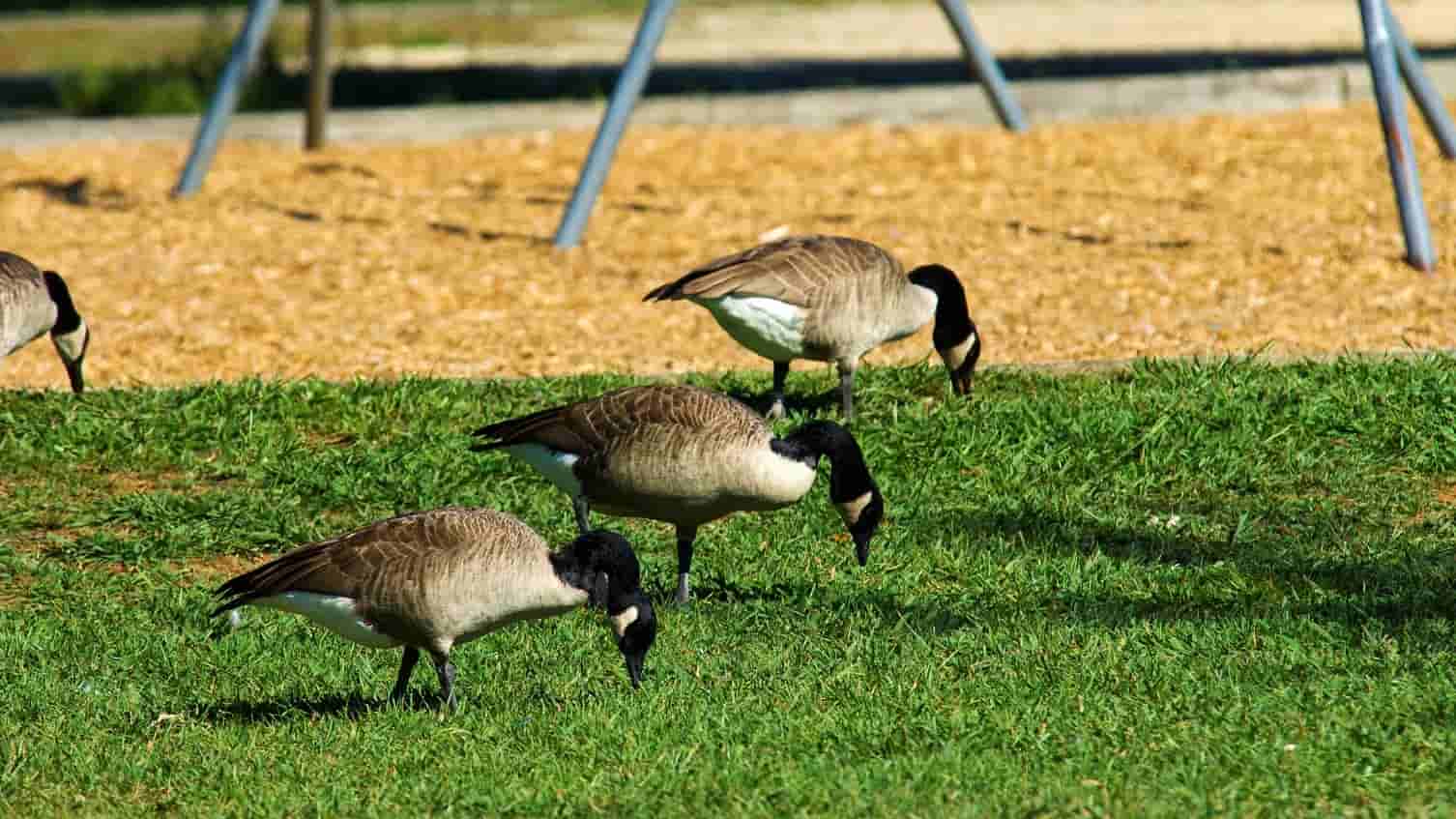
Image Source: cdn11.bigcommerce.com
Deciphering Goose Behavior: Why Your Lawn is So Appealing
To effectively deter geese, it helps to grasp why they are drawn to your lawn in the first place. Geese are herbivores, and well-maintained lawns offer a readily available, nutritious food source. They are attracted to open spaces with access to water, making suburban yards near ponds, lakes, or rivers prime real estate for them.
Here’s a breakdown of what attracts geese:
- Abundant Food Source: Short, green grass is essentially a buffet for geese.
- Proximity to Water: Geese feel safe near water sources, as it provides an escape route from predators.
- Open Spaces: They prefer open, unobstructed areas where they can see approaching threats.
- Nesting Opportunities: Quiet, undisturbed areas near water are ideal for raising their young.
Employing Goose Deterrents: A Multi-Pronged Approach
A single strategy is rarely enough to keep geese away permanently. A layered approach using various goose deterrents is often the most successful. The key is to make your lawn less attractive and more intimidating for them.
Visual Deterrents: Frightening Fowl
Geese rely heavily on their eyesight to detect danger. Visual deterrents exploit this by creating an illusion of threat.
Reflective and Shiny Objects
Many reflective objects can startle geese and make them wary of your property.
- Mylar Balloons: These shiny, fluttering balloons create movement and reflections that can spook geese. Place them strategically around your lawn.
- Shiny Tape or Ribbons: Weather-resistant, reflective tape can be tied to trees or stakes to create a visual distraction and deterrent.
- Predator Decoys: Realistic decoys of predators like owls, hawks, or coyotes can provide a temporary solution. However, geese are intelligent and will eventually recognize them as harmless if they remain stationary. Move decoys regularly to maintain their effectiveness.
Scarecrows and Flags
While traditional scarecrows might not fool a goose for long, modern, more dynamic scarecrow designs or fluttering flags can be more effective. The unpredictable movement is key.
Lasers and Lights
Some specialized goose deterrents include predator-like eye effects or sweeping laser lights that mimic predator movements, particularly effective at dawn and dusk when geese are most active. These are often used in agricultural settings but can be adapted for larger properties.
Auditory Deterrents: Making Some Noise
Geese are sensitive to noise and can be scared away by sudden or threatening sounds.
Distress Calls and Predator Sounds
Specialized devices can emit the distress calls of geese or the sounds of their natural predators. These audible goose repellent systems can be very effective but may also disturb neighbors if not used considerately.
Motion-Activated Alarms
These devices emit a sudden sound or burst of noise when motion is detected, startling geese and encouraging them to leave.
Olfactory and Taste Deterrents: Unpleasant Sensations
Geese have a sense of smell and taste, and certain natural substances can make your lawn unappealing.
Natural Goose Repellent Sprays
Several commercially available and DIY natural goose repellent sprays use ingredients like grape seed extract or essential oils that geese find unpleasant. Regular reapplication is necessary, especially after rain.
- Grape Seed Extract: Studies have shown that a spray containing grape seed extract can deter geese by making the grass taste unpalatable.
- Essential Oils: Peppermint, garlic, and citrus oils are often cited as having repellent properties for geese. Dilute them with water and a carrier oil before spraying.
Chemical Repellents (Use with Caution)
While not always the most humane option, certain chemical repellents can be used. Always follow product instructions carefully and consider their impact on other wildlife and the environment.
Habitat Modification: Making Your Yard Less Inviting
Changing the physical environment of your yard can make it a less desirable place for geese to visit or nest.
Goose Fencing: Creating Physical Barriers
Goose fencing is a physical barrier that prevents geese from accessing your lawn. The most effective fencing is short (around 2-3 feet high) and buried a few inches into the ground to prevent geese from walking underneath.
Types of Goose Fencing:
- Netting: Lightweight netting can be draped over gardens or specific areas. It needs to be taut to be effective.
- Wire Fencing: Small-gauge wire mesh or chicken wire can be used, especially around gardens.
- Buried Fencing: For larger areas, consider burying the bottom edge of a fence a few inches into the soil to stop them from simply walking under.
Important Considerations for Goose Fencing:
- Height: Geese can fly over low fences, so ensure it’s high enough or that they don’t have a clear flight path.
- Visibility: Geese can be wary of invisible barriers. Ensure fences are visible or incorporate visual deterrents alongside them.
- Burial: Burying the bottom edge is crucial to prevent them from walking underneath.
Modifying Water Features
If you have a pond or water feature on your property, geese will be drawn to it.
- Reduce Access: Make it harder for geese to get in and out of the water. Planting dense shrubs or installing landscaping around the edges can help.
- Change Water Depth: Geese prefer shallow water for easier access. Deepening your pond can make it less appealing.
- Floating Devices: Some people use floating balls or other objects in ponds to disrupt geese’s sense of security.
Landscape Design for Garden Goose Control
Garden goose control involves making your garden less accessible and appealing.
- Planting Unappealing Vegetation: Geese tend to avoid plants with prickly leaves, strong scents, or tough textures. Consider planting:
- Rose bushes
- Barberry
- Lavender
- Mint
- Garlic
- Raised Garden Beds: These can make it slightly harder for geese to graze.
- Protective Covers: For vulnerable plants, consider using netting or row covers, especially during nesting season.
Preventing Geese from Nesting: Early Intervention is Key
Preventing geese from nesting is one of the most effective long-term strategies for controlling their population on your property. Geese typically nest in the early spring.
Goose Nest and Egg Control
- Locate Nests Early: If you find a goose nest, act quickly. Geese are protective of their nests and eggs.
- Egg Oiling (Permit Required): In some areas, it’s legal to oil goose eggs to prevent them from hatching. This is a humane goose control method that stops the development of the embryo. You will likely need a permit from your state’s wildlife agency to do this. The process involves covering the eggs with a non-toxic, food-grade mineral oil, which prevents them from breathing.
- Egg Shaking (Permit Required): Another method, also requiring a permit, is to shake the eggs vigorously. This also prevents hatching.
- Relocation (Permit Required): In rare cases, with proper permits, nests might be relocated.
Crucially, attempting to disturb or remove nests or eggs without the proper permits can result in significant fines. Always consult your local wildlife authorities first.
Habitat Deterrents for Nesting
- Remove Nesting Materials: Geese look for soft materials to build their nests. Keep your yard tidy and free of loose straw, grass clippings, or debris near water sources.
- Discourage Loitering: Make areas near water less comfortable and inviting.
Advanced Goose Proofing Yard Techniques
For persistent goose problems, more robust solutions might be necessary.
Motion-Activated Sprinklers for Geese
Motion-activated sprinklers for geese are an excellent natural goose repellent. These devices detect movement and spray a burst of water, startling the geese and driving them away. They are effective because geese dislike being sprayed unexpectedly.
- Coverage Area: Ensure the sprinkler covers the areas where geese are most active.
- Placement: Position them to cover entry points or popular resting spots.
- Water Pressure: Sufficient water pressure is needed for an effective deterrent spray.
Ultrasonic Goose Repeller Devices
Ultrasonic goose repellers emit high-frequency sounds that are unpleasant to geese but typically inaudible to humans and most pets.
- Effectiveness Varies: The effectiveness of these devices can vary greatly depending on the specific model, the terrain, and the goose population’s adaptability. Geese can sometimes become accustomed to consistent sounds.
- Coverage: Ensure the device’s range covers your entire lawn.
- Placement: Obstructions like fences or buildings can block the ultrasonic waves.
Dog Deterrents
Geese are prey animals and have a natural fear of canines.
- Goose-Herding Dogs: Breeds like Border Collies are specifically trained for this purpose. Their presence alone can deter geese. However, this is a significant commitment and requires professional training.
- Visual Deterrents: Even a dog’s silhouette or a dog’s bark (if the dog is confined to a safe area) can sometimes act as a deterrent.
Professional Goose Removal Services
If you’ve tried various methods with limited success, or if the problem is severe, consider hiring a professional wildlife control service. They have access to specialized tools and knowledge, including humane trapping and relocation services, often requiring permits. They can also provide tailored advice for your specific situation. Humane goose removal is their priority.
Legal and Ethical Considerations for Goose Removal
It’s important to be aware of the legalities surrounding wildlife management.
Permits and Regulations
In many regions, geese are protected under federal and state laws (e.g., Migratory Bird Treaty Act in the US). This means that interfering with nests, eggs, or adult birds without proper permits is illegal.
- Contact Your Local Wildlife Agency: Before taking any action beyond simple deterrents, contact your state’s Department of Natural Resources or wildlife agency. They can advise on local regulations and available options.
- Permitted Methods: Professionals often use methods like addling (oiling or shaking eggs) or trapping and relocation, which require specific permits.
Humane Practices
The goal of any goose control strategy should be humane goose control. This means avoiding methods that cause unnecessary suffering, injury, or death to the birds.
- Focus on Deterrence: Prioritize making your property unattractive rather than harming the geese.
- Respect Wildlife: Remember that geese are a natural part of the ecosystem.
Maintaining a Goose-Free Lawn: Ongoing Effort
Keeping geese off your lawn is not a one-time fix. It requires ongoing vigilance and adaptation.
Regular Maintenance
- Consistent Application of Deterrents: Reapply natural goose repellent sprays regularly, especially after rain.
- Relocate Decoys: Move visual deterrents periodically to prevent geese from becoming accustomed to them.
- Inspect Fencing: Ensure your goose fencing remains intact and effective.
- Keep Yard Tidy: Regularly clean up any goose droppings to discourage return visits.
Adapting Your Strategy
Geese are intelligent and can adapt to certain deterrents. If you notice a particular method is losing its effectiveness, be prepared to try something new or combine different techniques.
Summary Table of Goose Deterrent Methods
| Method | Description | Effectiveness | Considerations |
|---|---|---|---|
| Visual Deterrents | Mylar balloons, reflective tape, predator decoys, shiny objects. | Moderate to High (if rotated) | Geese can habituate; requires regular movement of decoys or shiny objects. |
| Auditory Deterrents | Distress calls, predator sounds, motion-activated alarms. | Moderate to High | May disturb neighbors; geese can habituate to consistent sounds. |
| Natural Goose Repellent | Sprays with grape seed extract, essential oils (peppermint, garlic, citrus). | Moderate (requires frequent reapplication) | Best for smaller areas; needs reapplication after rain. |
| Motion-Activated Sprinklers | Detects movement and sprays water to startle geese. | High | Excellent natural goose repellent; effective for large areas; requires water source. |
| Ultrasonic Repellers | Emit high-frequency sounds unpleasant to geese. | Variable (can habituate) | Effectiveness depends on model and goose population; ensure proper placement. |
| Goose Fencing | Physical barriers (netting, wire mesh) often buried slightly. | High (if installed correctly) | Can be expensive and labor-intensive; requires proper height and burial depth. |
| Habitat Modification | Planting unappealing vegetation, reducing access to water, removing nesting materials. | Moderate (long-term strategy) | Gradual effectiveness; requires consistent landscaping and maintenance. |
| Egg Oiling/Shaking | Prevents egg hatching (requires permits). | Highly Effective (for population control) | Requires permits from wildlife agencies; humane method to prevent new goslings. |
| Professional Services | Trapping, relocation, specialized deterrents. | High | Costly; requires professional expertise and permits. |
Frequently Asked Questions (FAQ)
Q1: Will a dog chase geese away permanently?
A1: While a dog can be a good deterrent, they may not chase geese away permanently. Geese are intelligent and can learn to avoid areas where dogs are present, or they may become accustomed to a stationary dog. Consistent presence and active herding are more effective.
Q2: Are ultrasonic goose repellers effective?
A2: The effectiveness of ultrasonic goose repellers varies. Some users report success, while others find that geese become habituated to the sound over time. It’s often best used in conjunction with other deterrent methods.
Q3: How high does goose fencing need to be?
A3: For geese, a fence around 2 to 3 feet high is generally effective. It’s also crucial to bury the bottom edge a few inches into the ground to prevent them from simply walking underneath.
Q4: Can I use salt to keep geese off my lawn?
A4: Using salt can harm your lawn, soil, and other plants, and is not considered a humane or effective long-term goose repellent. Stick to methods that are safe for your environment.
Q5: What should I do if I find a goose nest with eggs?
A5: If you find a goose nest with eggs, the most humane and often legal approach is to leave it undisturbed unless you have obtained the necessary permits from your local wildlife agency for egg treatment or relocation. Early detection is key to preventing nesting.
By implementing a combination of these strategies, you can create a less hospitable environment for geese and enjoy your lawn once again. Remember that patience and persistence are key to successful humane goose control.