
What is crabgrass and can I prevent it? Yes, crabgrass is an annual grassy weed that thrives in warm weather and can quickly take over your lawn. Fortunately, you can prevent it with the right strategies.
Crabgrass is a common enemy for homeowners who take pride in their manicured lawns. This unwelcome annual grass sprouts in the summer heat and dies off in the first frost, leaving behind unsightly bare patches. Getting rid of it requires a multi-pronged approach, focusing on both prevention and removal. This in-depth guide will walk you through everything you need to know about crabgrass control and how to prevent crabgrass from ever taking hold. We’ll explore the most effective methods for crabgrass killer applications, the importance of pre-emergent crabgrass treatment, and how to tackle it once it’s already established with post-emergent crabgrass control. Whether you’re seeking organic crabgrass removal or the most potent crabgrass killer, we have the expert tips you need for successful lawn care crabgrass management.
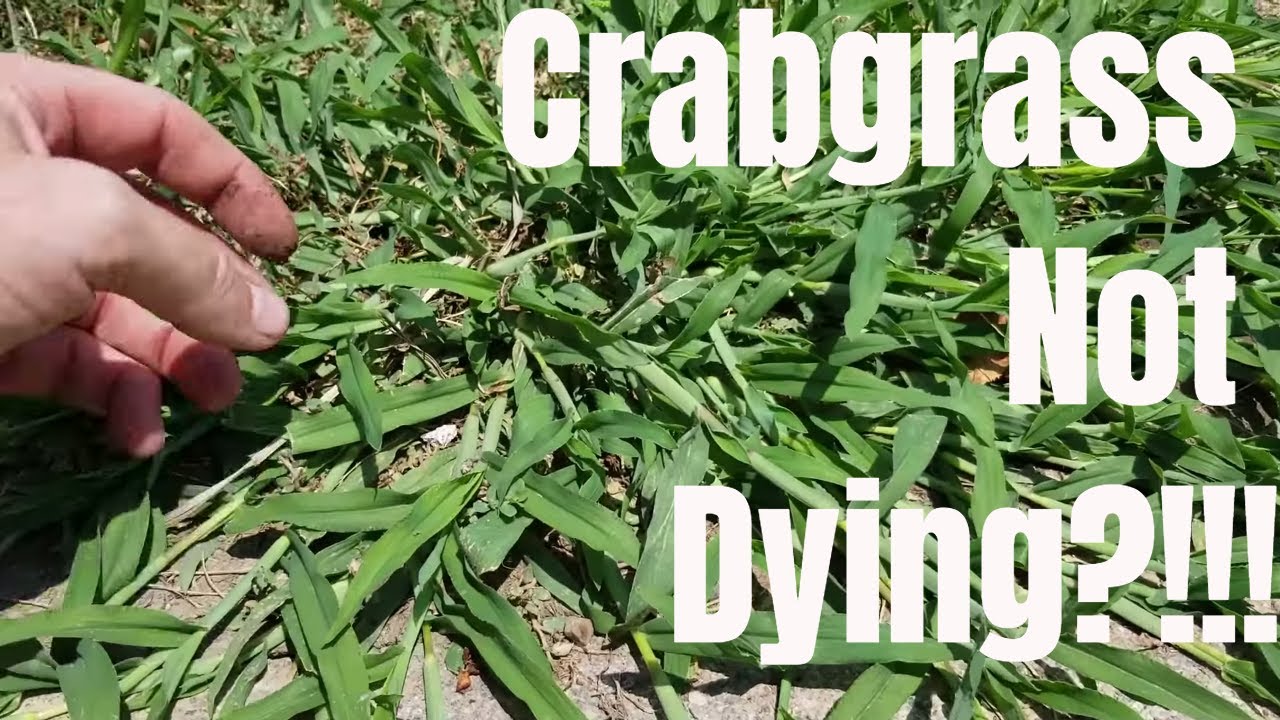
Image Source: i.ytimg.com
Deciphering Crabgrass: The Weed That Loves the Heat
Crabgrass (Digitaria spp.) is a warm-season annual grass. This means it germinates from seed in the spring, grows throughout the summer, and dies with the first hard frost. Its growth pattern makes it particularly problematic because it thrives when your desirable cool-season grasses are often stressed by heat and drought.
Life Cycle of Crabgrass
- Seed: Crabgrass seeds can remain dormant in the soil for years. They require specific conditions to germinate.
- Germination: Germination typically begins when soil temperatures consistently reach 55-60°F (13-16°C) for several consecutive days, usually in late spring. This is often around the time the forsythias finish blooming.
- Growth: Once germinated, crabgrass grows rapidly in warm weather. It produces a coarse, spreading growth habit with multiple stems that radiate from a central crown. This makes it very competitive and capable of choking out finer turf grasses.
- Seed Production: A single crabgrass plant can produce thousands of seeds, which then fall to the ground, ensuring a new generation for the following year if left unchecked.
- Death: Crabgrass dies in the fall with the first frost, leaving behind dead plants and open spots in the lawn.
Why Crabgrass is a Problem
- Aesthetics: Its coarse texture and lighter green color contrast sharply with well-maintained turf, making your lawn look unkempt.
- Competition: Crabgrass competes with your lawn’s desirable grasses for water, nutrients, and sunlight, weakening them over time.
- Bare Patches: When crabgrass dies in the fall, it leaves bare soil, which is an invitation for other weeds to establish themselves.
Preventing Crabgrass: The First Line of Defense
The most effective way to remove crabgrass from lawn is to prevent it from germinating in the first place. This is where pre-emergent crabgrass treatment is key.
The Importance of Pre-Emergent Herbicides
Pre-emergent herbicides work by killing crabgrass seeds as they germinate. They create a barrier in the soil that prevents the young crabgrass seedlings from establishing roots. For the best results, timing is crucial.
Timing Your Pre-Emergent Application
- The Golden Rule: Apply pre-emergent herbicides when soil temperatures consistently reach 50-55°F (10-13°C) and are expected to remain there. This usually occurs in early to mid-spring.
- Look for Signs: Watch for early spring flowering plants like redbuds and dogwoods. When they bloom, it’s often a good indicator that it’s time for your first application.
- Two Applications May Be Needed: For season-long crabgrass control, a second application about 6-8 weeks after the first might be necessary, especially in areas with a long spring and early summer heat.
Common Pre-Emergent Crabgrass Control Products
Several active ingredients are commonly found in pre-emergent herbicides. Always read and follow label instructions carefully.
- Dithiopyr: Offers both pre-emergent and some early post-emergent activity. It’s effective and has a good safety profile for established turf.
- Prodiamine: A widely used and effective pre-emergent that provides a long residual control.
- Pendimethalin: Another common pre-emergent that works well against crabgrass.
- Mesotrione: While often used as a post-emergent, Mesotrione can also provide pre-emergent suppression of crabgrass.
Table 1: Common Pre-Emergent Herbicides for Crabgrass Control
| Active Ingredient | Common Trade Names (Examples) | Primary Use | Notes |
|---|---|---|---|
| Dithiopyr | Dimension, Stalwart | Pre-emergent | Also has some early post-emergent activity. |
| Prodiamine | Barricade, Hi-Yield Prodiamine | Pre-emergent | Long-lasting control. |
| Pendimethalin | Pendulum, Prowl | Pre-emergent | Effective against a broad spectrum of grassy weeds. |
Non-Chemical Pre-Emergent Strategies
For those seeking organic crabgrass removal, or as a supplement to chemical methods, a healthy, dense lawn is your best defense.
- Proper Mowing: Mow your lawn at the higher end of the recommended height for your grass type. Taller grass shades the soil, making it harder for crabgrass seeds to germinate. For most cool-season grasses like fescue and bluegrass, this means mowing at 3-4 inches.
- Healthy Soil: Good soil health supports a robust turf. Aerate your lawn annually to improve soil structure and reduce compaction, which allows desirable grass roots to grow deeper and stronger.
- Proper Fertilization: Feed your lawn with the right nutrients at the right times. A well-fed lawn is a dense lawn, which naturally outcompetes weeds. Avoid over-fertilizing in late spring, as this can encourage crabgrass germination.
- Overseeding: Regularly overseed your lawn, especially in the fall. This fills in any thin areas with desirable grass species, leaving less room for crabgrass to establish.
How to Get Rid of Crabgrass: Tackling Established Weeds
If you missed the pre-emergent window or have a persistent crabgrass problem, you’ll need to focus on post-emergent crabgrass control.
Post-Emergent Herbicides: When and How
Post-emergent herbicides kill crabgrass after it has already germinated and started to grow. These herbicides are most effective when applied to young, actively growing crabgrass plants. Older, mature crabgrass plants are much harder to kill.
Timing is Still Key for Post-Emergent Control
- Early Detection: The sooner you spot and treat crabgrass, the better your chances of success. Look for the distinctive clumpy, spreading growth habit in late spring and early summer.
- Actively Growing: For best results, apply post-emergent herbicides when temperatures are between 65-85°F (18-29°C) and the crabgrass is actively growing. Avoid applying herbicides during extreme heat or drought, as this can stress your lawn and reduce herbicide effectiveness.
- Follow-Up Applications: You may need a second application, usually 10-14 days after the first, to catch any surviving crabgrass plants or late-germinating seeds.
Effective Post-Emergent Crabgrass Killer Options
- Quinclorac: This is a highly effective post-emergent herbicide specifically for crabgrass. It works on young and mature crabgrass and is often found in many commercial crabgrass killer products.
- Fenoxaprop-p-ethyl: Another excellent post-emergent option that targets crabgrass effectively. It’s important to note that some Fenoxaprop products can temporarily discolor desirable turfgrass, so always read the label.
- MSMA (Monosodium Methanearsonate): While effective, MSMA is being phased out in many areas due to environmental concerns. It should only be used on specific turf types and with extreme caution. It is not generally recommended for residential lawn use.
- Mesotrione: As mentioned earlier, Mesotrione can also be used as a post-emergent treatment. It inhibits pigment production, causing crabgrass to turn white and die. It’s often safe for most established turfgrasses.
Table 2: Common Post-Emergent Herbicides for Crabgrass Control
| Active Ingredient | Common Trade Names (Examples) | Target Stage | Notes |
|---|---|---|---|
| Quinclorac | Drive XLR8, Facet | Young/Mature | Very effective, often safe for most turf types. |
| Fenoxaprop-p-ethyl | Acclaim Extra, Over-The-Top | Young/Mature | Can cause temporary discoloration in some turf. Check label for grass compatibility. |
| Mesotrione | Tenacity, Tenacity Turf Herbicide | Young/Mature | Inhibits pigment; causes whitening. Safe for most turf. Can also be used as a pre-emergent suppressor. |
Manual Removal of Crabgrass
For smaller infestations or if you prefer an organic approach, manual removal is an option.
- Pulling by Hand: If you catch crabgrass early, especially when the soil is moist, you can often pull the entire plant, including its root system. This is most effective before the plant goes to seed.
- Tools for Removal: For larger plants with extensive root systems, a weeding tool or a trowel can help loosen the soil and make pulling easier.
- Dispose Properly: Bag the pulled crabgrass and dispose of it in the trash. Do not leave it on the lawn, as seeds can still mature.
Organic Crabgrass Removal Methods
For those committed to organic crabgrass removal, the focus shifts to building a healthy lawn that crowds out weeds naturally.
- Corn Gluten Meal: This is a natural pre-emergent that inhibits root formation in germinating seeds. It also provides nitrogen to the soil. Apply in early spring before crabgrass germination.
- Vinegar (Horticultural Strength): Horticultural vinegar (20% acetic acid) can kill young crabgrass on contact. However, it’s a non-selective herbicide, meaning it will also kill desirable grass and can damage soil microbes. Use with extreme caution and only on target weeds, avoiding contact with your lawn. It’s more of a spot treatment solution.
- Boiling Water: Pouring boiling water directly on crabgrass can kill it. This is a viable option for spot treatment in pavement cracks or isolated areas, but it will also kill any desirable grass it touches.
Best Practices for Effective Crabgrass Control
Achieving a crabgrass-free lawn requires consistent effort and a good understanding of lawn care crabgrass management.
Year-Round Lawn Care Strategies
- Spring: Apply pre-emergent herbicides in early to mid-spring. Continue with proper mowing and fertilization. Consider a spring aeration if needed.
- Summer: Monitor for any breakthrough crabgrass and spot treat with a post-emergent herbicide. Ensure your lawn is adequately watered during hot periods to reduce stress on desirable grasses.
- Fall: This is the most critical time for overseeding and strengthening your cool-season turf. Apply fall fertilizers to encourage root development. You can also apply a second round of pre-emergent in the fall to control certain winter annual weeds, which can prevent some spring weeds.
- Winter: While the focus is on crabgrass in warmer months, a healthy dormant lawn is less susceptible to winter weeds that can pave the way for summer problems.
Understanding Your Lawn Type
The type of grass you have will influence your crabgrass control methods and the types of herbicides you can safely use.
- Cool-Season Grasses: (e.g., Kentucky bluegrass, fescues, ryegrass) These grasses thrive in cooler temperatures and are most susceptible to crabgrass competition during the summer heat. Most herbicides are formulated with these grasses in mind.
- Warm-Season Grasses: (e.g., Bermuda grass, Zoysia grass, St. Augustine grass) These grasses are dormant in winter and actively grow in the summer. Crabgrass is a native competitor to these grasses, but the timing of pre-emergent applications will be different. Pre-emergents are typically applied in late winter or early spring before the warm-season grass breaks dormancy.
When to Seek Professional Help
If you have a severe crabgrass infestation or are unsure about the best approach for your lawn, consider consulting a local lawn care professional. They have access to professional-grade products and the expertise to diagnose and treat specific lawn issues.
Frequently Asked Questions (FAQ)
Q1: When is the best time to apply pre-emergent for crabgrass?
A: The best time is in early to mid-spring, when soil temperatures consistently reach 50-55°F (10-13°C) for several days. Watch for early spring blooms like forsythia as a visual cue.
Q2: Can I apply pre-emergent and fertilizer at the same time?
A: Many products are available that combine pre-emergent herbicides with fertilizers. This can be a convenient way to manage your lawn. However, always ensure the product is suitable for your grass type and that you apply it at the correct time.
Q3: My lawn already has crabgrass. Can I still use a pre-emergent?
A: No, pre-emergent herbicides are not effective on established crabgrass plants. You will need to use a post-emergent herbicide or pull the weeds manually.
Q4: What is the best crabgrass killer for established weeds?
A: For established crabgrass, post-emergent herbicides containing quinclorac or fenoxaprop-p-ethyl are generally considered the most effective. Always check the product label to ensure it’s safe for your specific turfgrass.
Q5: How often should I apply post-emergent treatments?
A: It depends on the product and the severity of the infestation. Typically, a follow-up application 10-14 days after the initial treatment may be necessary to eliminate all the crabgrass. Always follow label instructions.
Q6: Is there an organic way to kill crabgrass that is already growing?
A: Organic options for killing existing crabgrass are limited and often less effective than chemical herbicides. Horticultural vinegar or boiling water can be used for spot treatment, but they are non-selective and can harm desirable grass. Corn gluten meal is primarily a pre-emergent. Building a dense, healthy lawn through proper cultural practices is the most effective organic strategy.
By combining diligent crabgrass control with proactive prevent crabgrass strategies, you can maintain a lush, healthy lawn that is resistant to this common weed. Remember that consistent effort and timely applications are key to success in your lawn care crabgrass battle.