
Is your beautiful lawn being invaded by a persistent, grass-like weed? You’re likely battling nutgrass, also known as yellow nutsedge. What is nutgrass? Nutgrass is a perennial sedge characterized by its triangular stems and shiny, grass-like leaves, often appearing brighter green than your lawn grass. Can I kill nutgrass in my lawn? Yes, you absolutely can kill nutgrass in your lawn with the right approach. Who is responsible for its spread? Often, new infestations arrive via contaminated soil, sod, or equipment. This comprehensive guide will equip you with the knowledge and strategies for effective nutgrass removal.
Yellow nutsedge can be a challenging weed to conquer, but with persistence and the correct methods, you can reclaim your lawn. This guide will delve into yellow nutsedge control, offering solutions for killing sedges in grass effectively. We’ll explore various lawn weed killer for nutsedge, discuss organic nutsedge treatment, and cover both pre-emergent nutsedge control and post-emergent nutsedge control. Let’s get started on nutsedge identification in lawns and discover the best way to get rid of nutsedge.
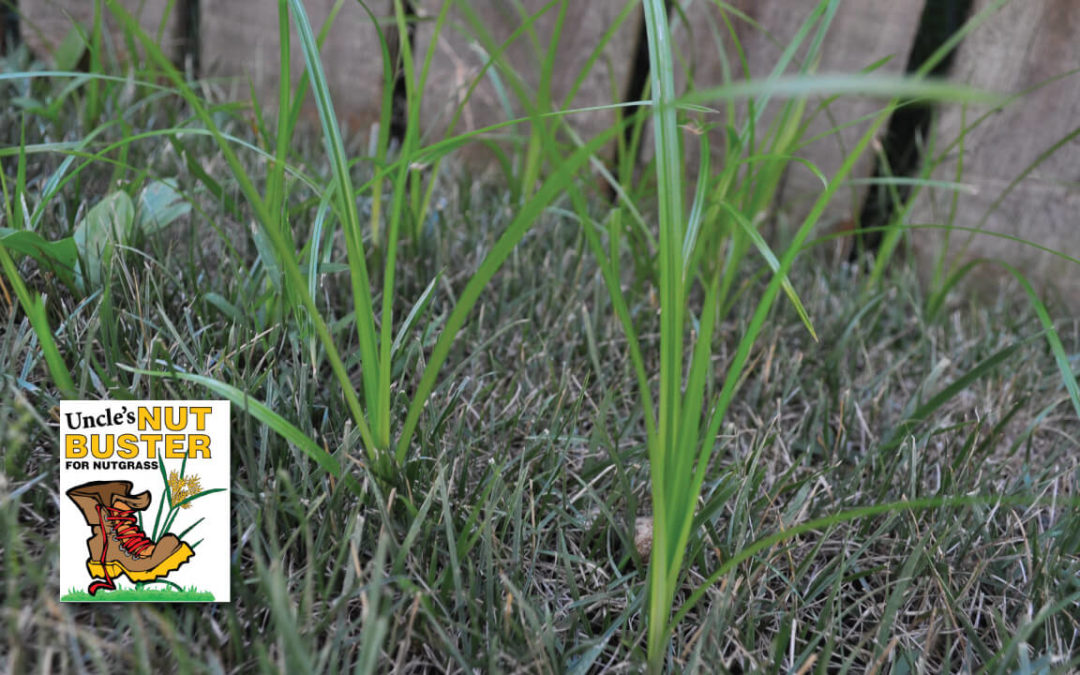
Image Source: grasspad.com
Deciphering Nutgrass: What You’re Up Against
Before you can effectively banish nutgrass from your lawn, it’s crucial to recognize it.
Nutsedge Identification in Lawns
Nutgrass, or yellow nutsedge (Cyperus esculentus), is not actually a grass. It belongs to the sedge family, and its distinct features make it identifiable.
- Stems: Nutgrass stems are triangular in cross-section. Grass stems are typically round.
- Leaves: The leaves are usually a brighter, more yellowish-green than most lawn grasses. They are also glossier. Leaves grow in groups of three at the base, creating a triangular appearance.
- Flowers/Seed Heads: Nutgrass produces a spikelet of small, yellowish-brown flowers or seed heads at the end of its stems, often drooping over.
- Rhizomes and Tubers: This is the most defining characteristic and the key to its persistence. Nutgrass spreads underground via rhizomes (horizontal stems) and tubers (small, nut-like structures at the end of the rhizomes). These “nuts” are the storage organs of the plant and can survive for years in the soil, even through harsh conditions, allowing new shoots to emerge when conditions are favorable.
Why is Nutgrass So Stubborn?
The primary reason nutgrass is so difficult to eradicate lies in its underground tuber system. Simply cutting the above-ground growth won’t kill the plant. These tubers can lie dormant in the soil and sprout new growth whenever conditions are right. Pulling the plant without removing the tubers often just breaks off the top, leaving the “nuts” to regrow.
Strategies for Killing Nutgrass: A Multi-Pronged Attack
Conquering nutgrass requires a combination of methods, tackling both the visible growth and the hidden underground network.
Pre-Emergent Nutsedge Control
Applying pre-emergent herbicides is a proactive strategy to prevent nutgrass seeds and tubers from successfully sprouting. This approach is most effective when timed correctly.
When to Apply Pre-Emergent Herbicides
The key to successful pre-emergent application is timing. Nutgrass typically begins to germinate when soil temperatures consistently reach around 55-60°F (13-16°C) for several consecutive days. In most regions, this occurs in early to mid-spring, before the nutgrass becomes visibly established.
Types of Pre-Emergent Herbicides for Nutgrass
Several pre-emergent herbicides can effectively prevent nutgrass from establishing. Look for products containing:
- Pendimethalin: This is a common pre-emergent that creates a barrier in the soil, inhibiting root and shoot growth.
- Prodiamine: Another effective pre-emergent that works similarly to pendimethalin.
- Trifluralin: Used in some pre-emergent formulations to prevent weed seed germination.
Important Considerations for Pre-Emergent Application:
- Watering: Most pre-emergent herbicides need to be watered into the soil after application to activate them. Follow product label instructions carefully.
- Timing is Crucial: Applying too early or too late will reduce effectiveness.
- Lawn Health: A healthy, dense lawn is the best defense against weeds. Proper mowing, watering, and fertilization will help your grass outcompete nutgrass.
- Do Not Overseed: Avoid applying pre-emergent herbicides if you plan to overseed your lawn within a specific timeframe, as it will also prevent grass seed from germinating.
Post-Emergent Nutsedge Control: Tackling Existing Growth
Once nutgrass has emerged, you’ll need to use post-emergent treatments to kill the existing plants. This is where many homeowners focus their efforts.
Chemical Post-Emergent Herbicides
Several herbicides are specifically formulated for yellow nutsedge control and can be highly effective when used correctly. These products target the sedge without harming most desirable turfgrasses.
Common Active Ingredients for Lawn Weed Killer for Nutsedge:
- Halosulfuron-methyl: This is a highly effective active ingredient found in many selective herbicides for nutsedge. It is absorbed by the leaves and roots and translocates throughout the plant, disrupting growth. It’s often safe for many cool-season and warm-season grasses when used according to label directions.
- Metsulfuron-methyl: Another potent herbicide that controls sedges and broadleaf weeds. It works similarly to halosulfuron-methyl.
- Sulfentrazone: This herbicide works by disrupting the plant’s cellular processes. It can be very effective but requires careful application to avoid damaging desirable turf.
How to Apply Post-Emergent Herbicides:
- Read the Label: This is the most critical step. Always read and follow the product label directions precisely. This includes application rates, mixing instructions, safety precautions, and which turfgrass types the product is safe for.
- Timing of Application: Apply when nutgrass is actively growing. Avoid applying during drought stress or when temperatures are extremely high (typically above 85-90°F or 29-32°C), as this can damage your lawn.
- Spot Treatment vs. Broadcast: For smaller infestations, spot treatment is often the most efficient and economical approach. This involves applying the herbicide directly to the weeds. For larger infestations, a broadcast application might be necessary.
- Repeat Applications: Nutgrass often requires multiple applications to fully eradicate its underground tuber system. New shoots may emerge from surviving tubers, so be prepared for follow-up treatments. Wait at least 7-10 days between applications, or as recommended on the product label.
- Mowing: Do not mow your lawn for 2-3 days before and after applying a post-emergent herbicide. This allows the weed to absorb the herbicide effectively.
Table: Popular Post-Emergent Herbicides for Nutgrass Control
| Product Name (Example) | Active Ingredient(s) | Target Weeds | Turfgrass Safety (General) | Application Notes |
|---|---|---|---|---|
| Drive XLR8 | Quinclorac, Sulfentrazone | Nutsedge, Crabgrass | Turfgrasses (check label for specifics) | Post-emergent, requires good coverage. |
| Image Weed Killer for Nutsedge | Sulfentrazone | Nutsedge | Warm-season grasses (Bermuda, Zoysia, St. Augustine, etc.) | Post-emergent, can cause temporary discoloration on some grasses. |
| Monument 75 WDG | Halosulfuron-methyl | Nutsedge | Cool-season grasses (Fescue, Rye, Bluegrass), warm-season | Post-emergent, highly effective, multiple applications may be needed. |
| Spectracide Weed Stop for Lawns | 2,4-D, Dicamba, MCPP, MCPA | Broadleaf Weeds, Sedges | Varies by formulation, check label | Broad-spectrum, often contains multiple active ingredients. Check for nutsedge control. |
Always refer to the specific product label for the most accurate and up-to-date information.
Organic Nutsedge Treatment: Natural Approaches
For those seeking organic nutsedge treatment, the options are more limited but can still be effective with persistence.
- Manual Removal: The most labor-intensive but completely organic method is to hand-pull the nutgrass. This is most effective when the soil is moist, as it helps to loosen the tubers. It’s crucial to try and remove as much of the root system and tubers as possible. However, this method is rarely 100% successful on its own due to the extensive tuber network.
- Boiling Water: Some gardeners have reported success by pouring boiling water directly onto the nutgrass. This will kill the plant on contact. However, this method is only suitable for spot treatment and can also kill the surrounding grass. It will likely require repeated applications as new shoots emerge from tubers.
- Vinegar: Horticultural vinegar (higher acetic acid concentration) can be used as a contact killer for weeds. Like boiling water, it will kill the foliage but may not reach the tubers effectively. Repeated applications are necessary, and it can also damage desirable grass.
- Corn Gluten Meal: This is often touted as an organic pre-emergent. While it can inhibit root formation in germinating seeds, its effectiveness against the established tuber system of nutgrass is debatable and generally considered low.
Homemade Nutsedge Killer:
While there isn’t a truly effective “homemade nutsedge killer” that rivals the targeted action of commercial herbicides, some natural solutions are explored:
- Vinegar Solution: A concentrated vinegar solution (10-20% acetic acid) can be sprayed directly onto the nutgrass. For enhanced effectiveness, you can add a drop of dish soap to help the vinegar stick to the leaves. Again, this is a contact killer and will likely require multiple applications.
- Salt Solution: A highly diluted salt solution can sometimes be used, but this is very risky for your lawn. Salt can accumulate in the soil, making it difficult for any plant life to grow. Use with extreme caution and only on very small, isolated patches where you are willing to sacrifice the grass.
It’s important to note that organic methods generally require more patience and persistence than chemical treatments. They are best suited for smaller infestations or for individuals who prioritize avoiding synthetic chemicals.
Cultural Practices for Long-Term Nutgrass Control
Beyond direct treatment, employing good lawn care practices is essential for preventing future nutgrass infestations and promoting a healthy lawn that can better compete.
Mowing Practices
- Mow High: Most lawn grasses benefit from being mowed at a higher setting. Taller grass shades the soil, making it harder for weed seeds and tubers to sprout and grow. Check the recommended mowing height for your specific turfgrass type.
- Sharp Mower Blades: Ensure your mower blades are sharp. Dull blades tear the grass, making it more susceptible to disease and stress, which can create opportunities for weeds.
Watering Practices
- Deep and Infrequent Watering: Water your lawn deeply but less often. This encourages grass roots to grow deeper into the soil, making them more drought-tolerant and better able to outcompete shallow-rooted weeds like nutgrass. Shallow, frequent watering encourages shallow root systems for both your grass and the weeds.
Fertilization
- Proper Nutrition: A well-fertilized lawn is a dense, healthy lawn. Follow a regular fertilization schedule based on soil test results and the needs of your turfgrass type. This will help your grass grow vigorously and crowd out weeds.
Aeration
- Improve Soil Structure: Aerating your lawn, especially compacted soil, improves air, water, and nutrient penetration to the root zone. This promotes healthier grass growth, which in turn helps suppress weeds.
The Battle Plan: Combining Methods for the Best Results
The best way to get rid of nutsedge is often a multi-faceted approach that combines several of the strategies discussed.
- Identify and Assess: First, confirm you are dealing with nutgrass and determine the extent of the infestation.
- Spring Pre-Emergent Application: If you anticipate nutgrass, apply a suitable pre-emergent herbicide in early spring before germination.
- Targeted Post-Emergent Treatment: As soon as you see nutgrass actively growing, begin post-emergent spot treatments with a selective herbicide.
- Persistence is Key: Be prepared to make multiple applications of post-emergent herbicides throughout the growing season. You will likely see new shoots emerge from tubers.
- Enhance Lawn Health: Implement good cultural practices like proper mowing, watering, and fertilization to strengthen your lawn’s ability to compete.
- Fall Treatment: In the fall, as temperatures cool but before dormancy, a post-emergent application can be very effective as the plant is moving nutrients down to the tubers, ensuring the herbicide reaches its target.
What to Do After Killing Nutgrass
Once you’ve successfully killed the visible nutgrass and have reduced the tuber population, it’s vital to maintain your lawn’s health to prevent re-infestation.
- Overseed Thin Areas: If your nutgrass infestation has left bare patches, overseed them with a high-quality turfgrass seed appropriate for your region. A dense lawn is your best defense.
- Continue Good Cultural Practices: Maintain proper mowing heights, watering schedules, and fertilization to keep your lawn healthy and vigorous.
- Monitor for Regrowth: Keep an eye out for any new nutgrass shoots and address them immediately with spot treatments.
Frequently Asked Questions About Nutgrass Removal
Can I Pull Nutgrass by Hand?
Yes, you can pull nutgrass by hand, but it’s often ineffective as a sole method. You must ensure you pull out the entire root system, including the tubers. This is best done when the soil is moist. While it removes the visible plant, it rarely eliminates the underground network of tubers, meaning it will likely regrow.
How Long Does It Take to Get Rid of Nutgrass?
Getting rid of nutgrass is a process that can take one to several growing seasons, depending on the severity of the infestation and the methods used. Persistence with repeated applications of herbicides and good cultural practices is key.
Is Nutgrass Harmful to My Lawn?
Nutgrass itself is not inherently harmful to your lawn in terms of disease or pest transmission. However, its aggressive growth habit and ability to spread can choke out desirable turfgrass, creating thin, unsightly patches in your lawn.
When is the Best Time to Treat Nutgrass?
The best time to treat nutgrass with post-emergent herbicides is when it is actively growing, typically from late spring through summer. For pre-emergent control, apply in early to mid-spring before germination. A fall application can also be very effective.
Can I Use Weed and Feed Products for Nutgrass?
Some “weed and feed” products contain herbicides that can control nutgrass. However, it’s essential to check the active ingredients on the product label to ensure it specifically lists control for sedges or nutsedge. These products often apply a broad spectrum of control, and sometimes a more targeted approach is better for specific weed issues like nutgrass.
Will Mulching Help Control Nutgrass?
Mulching can help suppress the growth of any weed, including nutgrass, by blocking sunlight. However, nutgrass’s ability to spread via tubers underground means that even mulched areas can still see regrowth if tubers are present beneath the mulch layer. It’s a supplementary practice rather than a primary solution.
By following this comprehensive guide, you are well-equipped to tackle the challenge of nutgrass and achieve a healthy, beautiful lawn. Remember, patience and persistence are your greatest allies in this battle.