
Can you kill thistles in your lawn? Yes, you absolutely can kill thistles in your lawn. This guide provides a complete roadmap to help you reclaim your green space from these prickly invaders.
Thistles are a common nuisance in many lawns. They are tough, thorny plants that can spread quickly and make your lawn look untidy. Dealing with thistles requires persistence and the right approach. This guide will walk you through thistle identification, effective removal methods, and how to keep them from coming back.
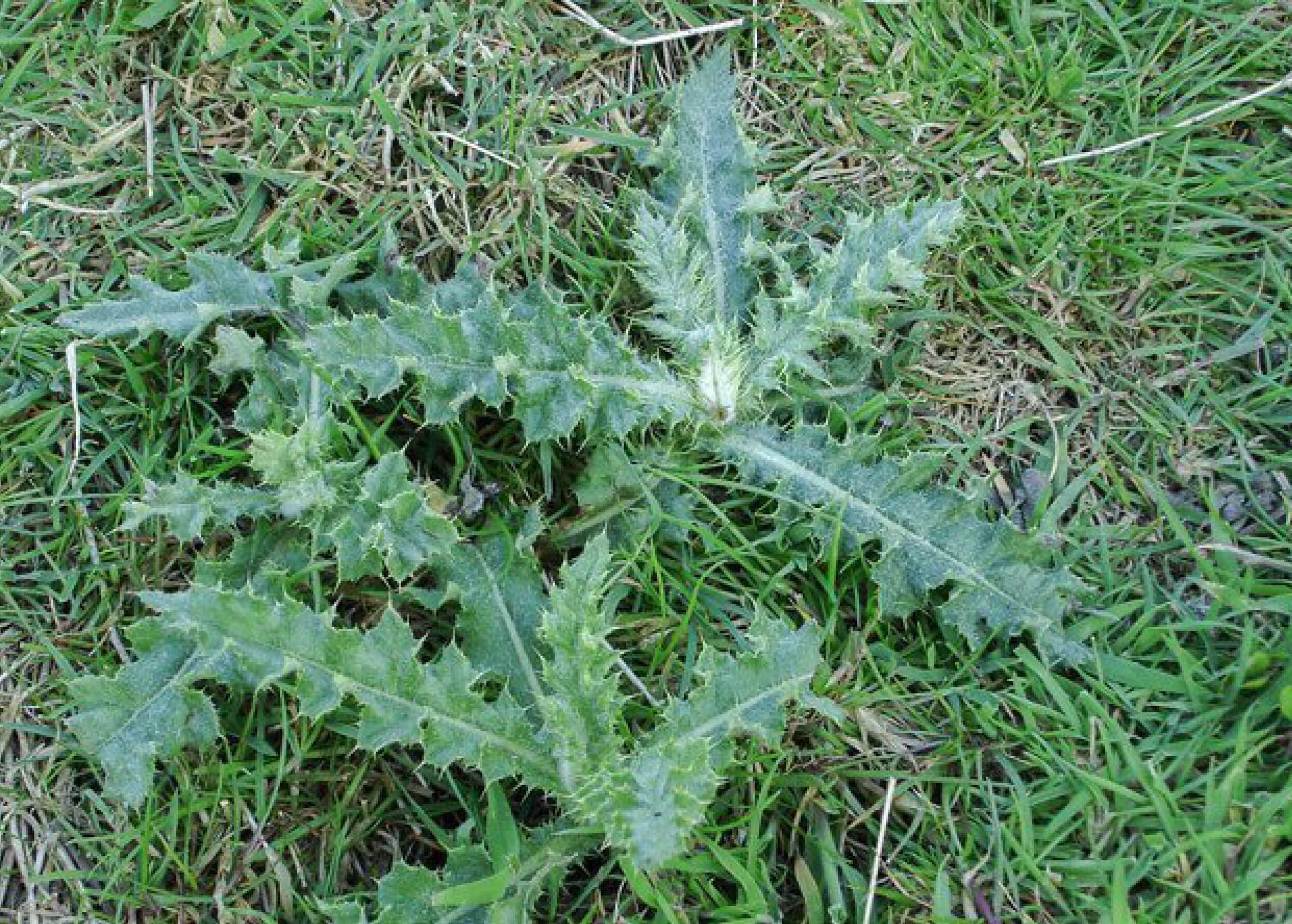
Image Source: www.myhometurf.com.au
Deciphering Thistle Types: Knowing Your Enemy
Before you can effectively tackle thistles, it’s crucial to know which ones you’re dealing with. Different thistle species might respond slightly differently to treatments.
Common Thistle Varieties
Here are some of the most common thistles you might find in your lawn:
- Canada Thistle (Cirsium arvense): This is arguably the most troublesome. It spreads through both seeds and its extensive root system. It has spiny leaves and typically purple flowers.
- Bull Thistle (Cirsium vulgare): A larger, more robust thistle. It has very spiny, deeply lobed leaves and large purple flower heads. It’s often a biennial, meaning it lives for two years.
- Creeping Thistle: This is another name often used for Canada Thistle due to its spreading root system.
- Field Thistle (Cirsium discolor): Similar to Bull Thistle, with large, spiny leaves and purple flowers. It’s also a biennial.
Key Identifying Features:
- Spiny Leaves: All thistles have sharp spines along their leaf edges.
- Purple Flowers: Most common lawn thistles sport beautiful, but painful, purple or pinkish-purple flower heads.
- Taproots or Spreading Roots: This is a critical difference. Canada Thistle has a deep, creeping root system, while others might have a strong taproot.
Tackling Thistles: A Multi-Pronged Approach
Killing thistles in your lawn involves more than just a single action. A combination of methods often yields the best results.
Manual Removal: The Direct Attack
Sometimes, the most straightforward approach is the best, especially for young plants or when you want to avoid chemicals.
Digging Out Thistles
When to Dig:
- Small Infestations: If you only have a few thistles, digging them out is a good option.
- Young Plants: Before they establish deep roots or go to seed, digging is more effective.
- When Avoiding Chemicals: This is the most natural method.
How to Dig:
- Gear Up: Wear thick gloves (leather or heavy-duty gardening gloves) and long sleeves to protect yourself from the spines.
- Loosen the Soil: Use a garden fork or trowel to loosen the soil around the base of the thistle. This makes it easier to pull the entire plant.
- Focus on Root Removal: The most crucial part of manual removal is getting as much of the root system as possible. Thistles can regrow from even small root fragments. Dig deep around the plant, aiming to unearth the entire taproot or spreading root system.
- Dispose Properly: Place the dug-out thistles in a plastic bag and seal it tightly. Do not compost them, as the seeds or root fragments can survive and spread.
Challenges of Manual Removal:
- Time-Consuming: For large infestations, this method is very labor-intensive.
- Incomplete Root Removal: It’s very difficult to get every last bit of the root, leading to regrowth.
- Risk of Spreading: If you break the roots, new plants can sprout.
Chemical Warfare: Harnessing Weed Killers
For more persistent or widespread thistle problems, weed killers can be very effective.
Selective Herbicides: Targeting the Thistle, Not the Grass
Selective herbicides are designed to kill broadleaf weeds (like thistles) while leaving your grass unharmed. This is key for a healthy lawn.
How They Work:
These chemicals are absorbed by the leaves and roots of the weed. They then disrupt the plant’s growth processes, leading to its death.
Timing is Everything: Post-Emergent Treatment
The best time to apply post-emergent treatment (killing weeds that have already emerged) is when the thistles are actively growing and before they go to seed.
- Young Thistles: Generally more susceptible.
- Before Flowering: This prevents the spread of seeds.
- Actively Growing: The plant needs to be taking up nutrients for the herbicide to be effective.
Key Ingredients to Look For:
Many selective herbicides for lawn use contain active ingredients like:
- 2,4-D: A common and effective herbicide for broadleaf weeds.
- Dicamba: Often used in combination with 2,4-D for broader control.
- Mecoprop (MCPP): Another broadleaf herbicide.
- Triclopyr: Very effective against woody plants and tough broadleaf weeds.
Application Tips:
- Read the Label: Always read and follow the instructions on the herbicide product label precisely. This includes application rates, safety precautions, and whether it’s safe for your specific type of grass.
- Spot Treatment: For isolated thistles, use a spray bottle for spot treatment. This conserves the product and minimizes exposure to non-target areas.
- Even Coverage: If treating a larger area, use a sprayer with a fan nozzle for even coverage.
- Avoid Mowing: Do not mow your lawn for a few days before or after applying herbicide. This allows the weed to absorb more of the chemical.
- Weather Conditions: Apply on a calm, dry day. Avoid spraying before rain, as it can wash the herbicide away. High temperatures can also stress the grass, making it more susceptible to damage.
Types of Selective Herbicides for Thistles:
- Liquid Sprays: The most common form. Mix with water according to label directions and apply.
- Granular Products: Spread on the lawn, often combined with fertilizer. Water is usually needed to activate them.
Caution: Always wear protective gear, including gloves and eye protection, when handling and applying herbicides.
Natural Remedies: Eco-Friendly Options
For those who prefer a more natural approach, there are several options, though they may require more persistence.
Vinegar and Salt Solutions
A mixture of vinegar and salt can be effective, but it’s important to use this method with caution.
How it Works:
Vinegar (especially horticultural vinegar with higher acetic acid content) and salt act as desiccants, drawing moisture out of the plant tissue.
Application:
- Mix horticultural vinegar (20% acetic acid) with a tablespoon of salt and a squirt of dish soap (to help it stick).
- Spray directly onto the thistle leaves.
- Caution: This is a non-selective killer. It will harm your grass if it comes into contact with it. Use for spot treatment only and try to shield the surrounding grass. Repeat applications may be necessary.
Boiling Water
Pouring boiling water directly onto the thistle can kill the top growth and sometimes damage the root.
Application:
- Boil a kettle of water.
- Carefully pour the boiling water directly onto the base of the thistle.
- Caution: This will kill any vegetation it touches, including your lawn. Use with extreme care for spot treatment.
Corn Gluten Meal (Pre-Emergent Control)
While not a direct killer of established thistles, corn gluten meal acts as a pre-emergent control.
How it Works:
When applied to the soil, it inhibits root formation in germinating seeds.
Application:
- Apply in early spring, before thistle seeds have a chance to germinate.
- It needs to be watered in and then remain dry until germination occurs.
Limitations: It only works on seeds and will not kill existing plants. Its effectiveness can also be variable.
Preventing Thistle Regrowth: Long-Term Strategies
Killing thistles is one thing; keeping them away is another. Effective prevention methods are key to maintaining a thistle-free lawn.
Healthy Lawn Practices
A thick, healthy lawn is your best defense against weeds.
- Proper Mowing: Mow your grass at the correct height for your grass type. Taller grass shades the soil, making it harder for weed seeds to germinate.
- Adequate Watering: Water deeply and less frequently. This encourages strong root growth in your grass.
- Fertilization: Feed your lawn with appropriate fertilizer at the right times of the year. A well-nourished lawn outcompetes weeds.
- Aeration: Regularly aerate your lawn to improve soil structure and allow air, water, and nutrients to reach the grass roots. This also helps break up compacted soil where thistles might thrive.
- Overseeding: Overseeding with a quality grass seed can fill in bare patches where thistles might otherwise take hold.
Pre-Emergent Control: Stopping Seeds Before They Sprout
Pre-emergent control targets weed seeds before they germinate.
- Timing: Apply pre-emergent herbicides in early spring, before soil temperatures consistently reach 50-55°F (10-13°C). This is typically when thistle seeds begin to germinate.
- Product Selection: Look for products that list thistle control among their target weeds.
- Application: Follow label instructions carefully. Many pre-emergents require watering in to activate.
Managing Seeds
Thistles produce vast quantities of seeds, which can travel by wind, water, animals, and even on your clothing or equipment.
- Mow Before Flowering: If you catch thistles before they bloom, you prevent them from going to seed.
- Clean Equipment: Clean your lawnmower, trimmer, and other tools after working in areas with thistles to avoid spreading seeds.
Addressing Stubborn Thistles: Advanced Tactics
Sometimes, thistles prove particularly resilient. Here’s how to deal with them.
Repeating Treatments
Thistles, especially Canada Thistle, are notorious for their ability to regenerate from their roots. You will likely need to apply post-emergent treatment multiple times.
- Follow-Up: Continue to monitor the treated areas. When new shoots appear, reapply the herbicide or use manual removal.
- Persistence: It might take several seasons of consistent treatment to significantly reduce or eliminate a severe thistle problem.
Root Removal Deep Dive
For persistent thistles, especially those with deep taproots or extensive creeping root systems, root removal is paramount.
- Digging Deep: As mentioned earlier, use a spade or garden fork to dig deeply around the plant, aiming to lift the entire root ball.
- Patience: This is a labor-intensive process that requires dedication.
- Testing Soil: If your soil is heavily compacted, aeration before digging can make root removal easier.
Combination Strategies
The most effective approach often involves combining different methods:
- Initial Herbicide Application: Use a selective herbicide to weaken the existing thistles.
- Manual Removal of Regrowth: Once the herbicide has had time to work, dig out any plants that are still alive or have regrown. Focus on getting the roots.
- Pre-Emergent in Spring: Apply a pre-emergent herbicide in the spring to catch any new seedlings.
- Maintain a Healthy Lawn: Continue with good lawn care practices to outcompete any remaining weeds.
Troubleshooting Common Thistle Issues
My Thistles Keep Coming Back!
This is a common frustration. The primary reason is incomplete root removal or persistent seed viability.
- Are you getting the roots? Most thistle species spread via their root systems. If any part of the root is left behind, it can sprout a new plant.
- Seed Bank: Thistle seeds can remain viable in the soil for many years. New seedlings will continue to emerge.
- Treatment Frequency: You need to treat them consistently, especially in the first few years.
Can I Use a Non-Selective Herbicide?
While a non-selective herbicide like glyphosate will kill thistles, it will also kill your lawn grass.
- Spot Treatment Only: If you choose to use a non-selective herbicide, it should only be used for very careful spot treatment, shielding the surrounding grass.
- Reseeding: You will likely need to reseed any bare patches created by non-selective herbicides.
When is the Best Time to Kill Thistles?
- Spring: Actively growing young thistles are most vulnerable. Apply post-emergent herbicides. Pre-emergent herbicides are also applied in spring.
- Late Summer/Early Fall: Thistles are storing energy in their roots for the winter. Herbicides applied at this time can be very effective in translocating down to the roots.
Summary of Thistle Control Methods
| Method | Pros | Cons | Best For |
|---|---|---|---|
| Manual Removal | Chemical-free, precise for small patches | Labor-intensive, difficult to remove all roots | Small infestations, young plants, eco-conscious |
| Selective Herbicides | Targets thistles, leaves grass intact | Requires careful application, may need repeat use | Moderate to large infestations |
| Natural Remedies | Eco-friendly | Can be less effective, may require more repeats, can harm grass if not careful | Small patches, eco-conscious, when chemicals are not an option |
| Pre-Emergent Control | Prevents new weeds from germinating | Does not kill existing plants | Preventing future thistle problems |
Frequently Asked Questions (FAQ)
Q1: How quickly do thistles grow?
Thistles can grow quite rapidly, especially in favorable conditions. Their growth rate depends on the species, soil, moisture, and temperature. Some can develop from seedling to flowering in a single season.
Q2: Will mowing kill thistles?
Mowing will not kill thistles. While it removes the flowers and prevents seeding, the plant will regrow from its roots. Repeated mowing can weaken some plants over time, but it’s not an effective eradication method for thistles.
Q3: Can I spray my lawn with weed killer at any time of year?
It’s best to apply post-emergent treatment when thistles are actively growing and before they flower. Early spring and late summer/early fall are generally the most effective times. Always check the product label for the ideal application window.
Q4: Are there any homemade weed killers for thistles?
Yes, some people use homemade solutions like vinegar and salt. However, these are often non-selective and can harm your lawn grass if not applied with extreme care. Horticultural vinegar (higher acetic acid content) is more effective than standard kitchen vinegar.
Q5: What is the best way to get rid of the deep roots of Canada Thistle?
The best way to deal with the deep roots of Canada Thistle is a combination of diligent manual removal (digging as deep as possible) and repeated applications of a selective herbicide that translocates to the roots, applied during the active growing season or in the fall.
Q6: How do I prevent thistles from coming back next year?
Prevention involves maintaining a healthy, dense lawn through proper mowing, watering, and fertilization. Applying pre-emergent control in the early spring is also a crucial step to stop new thistle seedlings from establishing. Continue monitoring and treating any new growth promptly.