
Can you mow lawn stripes? Yes, you absolutely can! Achieving those crisp, eye-catching lawn stripes is a rewarding aspect of lawn care. This guide will walk you through everything you need to know to transform your lawn into a professional-looking masterpiece. We’ll explore the best way to stripe a lawn, the tools involved, and the techniques for creating and maintaining those dazzling patterns.
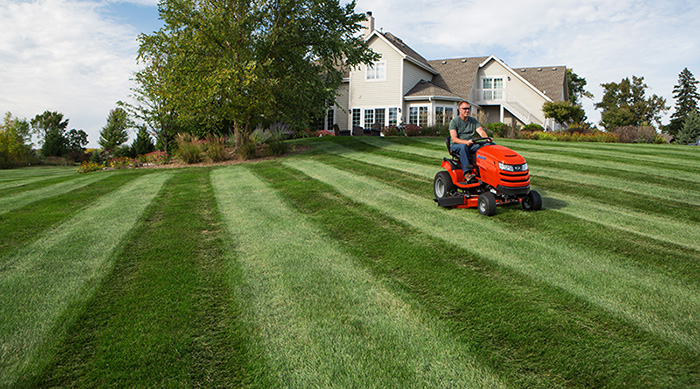
Image Source: www.simplicitymfg.com
The Magic Behind Lawn Stripes
Lawn stripes, also known as “striping” or “banding,” are created by bending the grass blades in opposite directions. When you mow your lawn, the mower’s roller (or the action of the mower itself) presses down the grass blades. The way light reflects off these bent blades is what creates the alternating light and dark bands. Grass blades bent away from you appear darker because they reflect less light back to your eyes. Conversely, blades bent towards you appear lighter because they reflect more light. This simple principle, when applied with precision and care, yields stunning visual results.
What Causes Lawn Stripes?
The primary cause of lawn stripes is the bending of grass blades. This bending is achieved by the physical action of mowing. Whether it’s a dedicated lawn roller or the roller integrated into your mower, the tool pushes the grass blades over. The direction you mow dictates the direction the blades bend.
Different Lawn Striping Patterns
There are numerous lawn striping patterns you can create to add character and flair to your yard. The most common are simple parallel stripes, running either horizontally or vertically across the lawn. However, you can get creative with more intricate designs:
- Checkerboard: This involves alternating the direction of mowing in adjacent sections, creating a classic checkerboard effect.
- Diagonal Stripes: Mowing at a 45-degree angle to the lawn’s edges can produce diagonal patterns.
- Concentric Circles: For a truly unique look, you can mow in widening or narrowing circles around a central point.
- Chevron Patterns: These V-shaped patterns are more advanced but can be very striking.
- Bushel Basket Pattern: This is a more complex geometric design.
The key to any successful lawn striping pattern is consistency and precision in your mowing direction.
Essential Tools for Lawn Striping
To achieve those perfect stripes, you’ll need the right equipment. While some mowers are better suited for striping than others, you can often enhance their striping capabilities.
The Best Lawn Mower for Stripes
Reel mower lawn stripes are often considered the gold standard for striping. This is because reel mowers cut grass with a scissor-like action, which is gentler on the grass blades and less likely to cause damage. More importantly, most reel mowers come with a substantial roller integrated into the front and/or rear of the deck. This roller is specifically designed to bend the grass blades effectively, producing very sharp and distinct stripes.
Rotary mowers can also create stripes, but their effectiveness depends on a few factors:
- Rear Roller: Mowers with a dedicated roller on the rear of the deck are far better for striping than those without. Some walk-behind rotary mowers have a bolt-on roller attachment you can purchase.
- Blade Sharpness: Dull blades tear grass, leading to browning and less defined stripes. Keep your blades razor-sharp.
- Cutting Height: Mowing at a slightly higher height (typically 2.5 inches or more) generally results in better striping, as there are more grass blades to bend.
Lawn Rollers for Stripes
A lawn roller for stripes is a dedicated piece of equipment that can significantly improve your striping results, especially if you have a rotary mower without a good rear roller. These rollers are essentially heavy drums that you fill with water or sand. You attach them to the rear of your mower or pull them behind a tractor.
- Types of Rollers:
- Pull-behind Rollers: These are towed by a riding mower or garden tractor. They are excellent for large areas.
- Mower-Mounted Rollers: These attach directly to the mower deck, usually at the rear. They are a great option for walk-behind mowers.
Using a roller before or after mowing can enhance the bending of grass blades, leading to sharper stripes. Some people find that rolling after mowing is most effective for achieving that crisp look.
Other Important Considerations
- Sharp Blades: As mentioned, sharp mower blades are crucial. Dull blades tear grass, leading to browning tips and poor stripe definition.
- Grass Type: Certain grass types are better for striping than others. Cool-season grasses like Fescue and Ryegrass tend to stripe well because of their upright growth habit. Warm-season grasses like Bermuda and Zoysia can also stripe, but they might require more effort.
- Grass Health: A healthy, dense lawn will always stripe better than a thin, weak one. Proper watering, fertilization, and aeration contribute to overall lawn health and, therefore, better striping.
How to Create Lawn Stripes: Step-by-Step Guide
Now that you have the tools, let’s dive into the process of how to create lawn stripes. The best way to stripe lawn involves careful planning and precise execution.
Step 1: Prepare Your Lawn
- Mow Regularly: Ensure your grass is at a consistent height.
- Water Properly: Healthy, hydrated grass bends better.
- Fertilize and Aerate: These practices promote a thick, healthy turf that will stripe beautifully.
- Remove Debris: Clear any sticks, toys, or other objects from the lawn that could obstruct your mowing path.
Step 2: Choose Your Pattern and Starting Point
Decide on the mowing patterns for stripes you want to achieve (e.g., parallel stripes, checkerboard). Identify a starting point, usually along an edge or sidewalk.
Step 3: The First Pass – Straight Lines are Key
- Achieving Straight Lawn Stripes: This is where accuracy matters most. For your first pass, aim to mow as straight as possible along your chosen starting line. Use a fence, sidewalk, or even a string line as a visual guide.
- Mowing Direction: If you are using a reel mower, the roller will do most of the work. If you have a rotary mower with a rear roller, ensure it’s making firm contact with the turf. If you’re using a mower-mounted roller attachment, make sure it’s correctly installed and effective.
Step 4: The Turning Technique
This is crucial for maintaining straight lines and avoiding “hook” marks at the ends of your stripes.
- On a Walk-Behind Mower: As you reach the end of your mowing pass, lift the mower deck slightly as you turn. Most rollers are designed to allow for a smooth turn without digging into the turf. Turn gradually, aiming to align your next pass precisely with the edge of the stripe you just created.
- On a Riding Mower: Lift the deck if your mower allows, or make a wide, sweeping turn to avoid cutting into the previous stripe. The goal is to avoid leaving ruts or damaging the turf.
Step 5: Alternating Directions for Stripes
- The Key to Contrast: For your second pass, turn your mower 180 degrees and mow back in the opposite direction, parallel to your first stripe. This creates the first contrast in light and dark.
- Maintaining Alignment: The most challenging part is achieving straight lawn stripes by keeping your subsequent passes perfectly aligned. Use the edge of the previous stripe as your guide. Look ahead to where you are going, not directly down at the mower deck.
Step 6: Completing Your Pattern
Continue mowing back and forth, alternating directions with each pass. If you are creating a checkerboard pattern, you will need to change the direction of your stripes in adjacent sections. For example, if you mowed north-south in the first half of the lawn, you would then mow east-west in the second half.
Step 7: Final Touches
Once you’ve completed all your stripes, you might notice that the edges along sidewalks or garden beds aren’t as sharp. You can use a string trimmer or edger to clean up these borders for a truly professional finish.
Mastering Different Mowing Patterns for Stripes
Let’s delve deeper into some specific mowing patterns for stripes and how to execute them.
Parallel Stripes
This is the most straightforward pattern.
- Start at one edge of the lawn.
- Mow in a straight line to the opposite edge.
- Turn your mower 180 degrees.
- Mow back in the opposite direction, aligning with the edge of your previous stripe.
- Repeat until the entire lawn is mowed.
Checkerboard Pattern
This requires a bit more planning.
- Mow the first half of your lawn in parallel stripes in one direction (e.g., north-south).
- Once the first half is complete, change your mowing direction for the second half of the lawn (e.g., east-west).
- Ensure your turns are precise to maintain straight lines and clean edges between the two directional sections.
Diagonal Stripes
- Identify a corner of your lawn.
- Mow at a 45-degree angle from that corner to the opposite side.
- Turn and mow back at a 45-degree angle, creating parallel diagonal stripes.
- You can mow diagonally across the entire lawn or in sections.
Circular or Concentric Patterns
This is an advanced technique.
- Start in the center of the area you want to stripe in a circle.
- Mow outwards in a widening spiral.
- Alternatively, you can mow in a series of concentric circles, always turning carefully to maintain a smooth path. This often requires a riding mower with good maneuverability.
How to Maintain Lawn Stripes
How to maintain lawn stripes is as important as creating them. Consistency is key.
Regular Mowing
The most effective way to maintain stripes is to mow regularly. As the grass grows, the stripes will fade. Frequent mowing, at the correct height, will reinforce the bent grass blades.
Rolling
If your mower doesn’t have a built-in roller, using a dedicated lawn roller for stripes periodically, especially after mowing, can help keep the stripes looking sharp. Light rolling when the grass is dry is usually best.
Watering
Water your lawn deeply and infrequently. This encourages deep root growth, which contributes to a healthier, more resilient turf that stripes better. Avoid watering too late in the day, as this can promote disease.
Fertilization and Aeration
Continue with a regular fertilization schedule tailored to your grass type. Aerating your lawn annually (or biannually for compacted soils) improves air, water, and nutrient penetration, leading to healthier grass that stripes more effectively.
Weed and Pest Control
Keep your lawn free of weeds and pests. These can create bare patches and uneven growth, which will detract from your stripes.
Troubleshooting Common Striping Issues
Even with the best intentions, you might encounter some challenges. Here’s how to address them:
Faded Stripes
- Cause: Grass is growing and returning to an upright position. Mower blades might be dull, or the roller isn’t bending the grass enough.
- Solution: Mow more frequently. Ensure your mower blades are sharp. Consider using a dedicated lawn roller.
Wavy or Jagged Stripes
- Cause: Inconsistent turning, uneven ground, or dull mower blades.
- Solution: Practice smooth, consistent turns. Ensure your mower deck is level and your blades are sharp. Check your tire pressure on a riding mower for evenness.
Uneven Stripe Widths
- Cause: Inconsistent alignment on turns or not mowing close enough to the previous stripe.
- Solution: Focus on precise alignment during turns. Use visual cues like fence lines or sidewalks to keep your passes straight.
Grass Browning Along Stripes
- Cause: This can be due to dull mower blades tearing the grass, or the roller bending the grass too sharply, causing stress.
- Solution: Sharpen your mower blades immediately. If using a roller, ensure it’s not overly heavy or packed too tightly, which can damage the grass.
Frequently Asked Questions (FAQ)
Here are answers to some common questions about lawn striping.
Q1: Do I need a special mower for lawn stripes?
A1: While reel mowers are excellent for striping, many rotary mowers with a rear roller can also produce good stripes. A mower-mounted roller attachment can significantly improve the striping ability of most mowers.
Q2: How often should I mow to maintain stripes?
A2: You should mow your lawn often enough to maintain your desired height. As grass grows, stripes will fade, so regular mowing is key to keeping them visible. This often means mowing every 5-7 days during the growing season.
Q3: Can I stripe my lawn with a battery-powered mower?
A3: Yes, if your battery-powered mower has a rear roller, you can stripe your lawn. The power source doesn’t affect the striping mechanism itself.
Q4: What is the best time of day to mow for stripes?
A4: Mowing in the late afternoon or early evening is often recommended. The grass blades will have had time to dry, and the lower angle of the sun can make the stripes more pronounced. Mowing when the grass is slightly damp can also help the blades bend.
Q5: How do I get my stripes really dark?
A5: To get darker stripes, you need to bend the grass blades away from you more sharply. Ensure your mower’s roller is pressing down effectively. The more upright the grass is before mowing, and the more it’s bent over, the more dramatic the contrast.
Q6: Is it bad for my lawn to bend the grass like this?
A6: No, it’s generally not harmful. The grass blades are flexible. As long as your mower blades are sharp and you aren’t excessively rolling or forcing the grass, striping is a safe practice.
Q7: Can I stripe my Zoysia grass lawn?
A7: Yes, you can stripe Zoysia grass. It’s a warm-season grass that can produce good stripes, often with a slightly different visual texture compared to cool-season grasses. Ensure your mower is set to the appropriate height for Zoysia.
Q8: What is the best way to achieve straight lawn stripes?
A8: The best way to achieve straight lawn stripes is to practice precise turning techniques and use visual guides like sidewalks or fences. Focus on keeping your mower’s path consistent and aligned with previous passes.
Conclusion
Achieving perfect lawn stripes is a satisfying blend of art and science. By selecting the right equipment, practicing proper mowing techniques, and maintaining your lawn diligently, you can create stunning visual patterns that elevate your lawn’s appearance. From the simple elegance of parallel bands to the intricate beauty of a checkerboard, the possibilities for lawn care striping techniques are vast. With a little patience and practice, you’ll be creating professional-looking stripes that impress your neighbors and bring you immense pride in your beautifully manicured yard. Remember, the key to how to maintain lawn stripes lies in consistency and attention to detail. Happy striping!