
Can you naturally kill clover in your lawn? Yes, you can effectively manage and eliminate clover using natural methods that promote a healthy, sustainable lawn. This blog post will guide you through the best natural approaches to tackle clover infestations in your grass.
Clover, particularly white clover (Trifolium repens), is a common sight in many lawns. While it has some benefits, like nitrogen fixation which can help other plants grow, many homeowners find its aggressive spread and low-growing habit undesirable. It can create a patchy, uneven appearance and sometimes outcompete desirable grass species. Fortunately, you don’t need harsh chemicals to win the battle against clover. This guide will delve into effective, eco-friendly strategies for organic clover removal, focusing on natural lawn care principles to achieve a beautiful and resilient lawn. We’ll explore everything from manual tactics to the judicious use of natural herbicides and preventative measures.
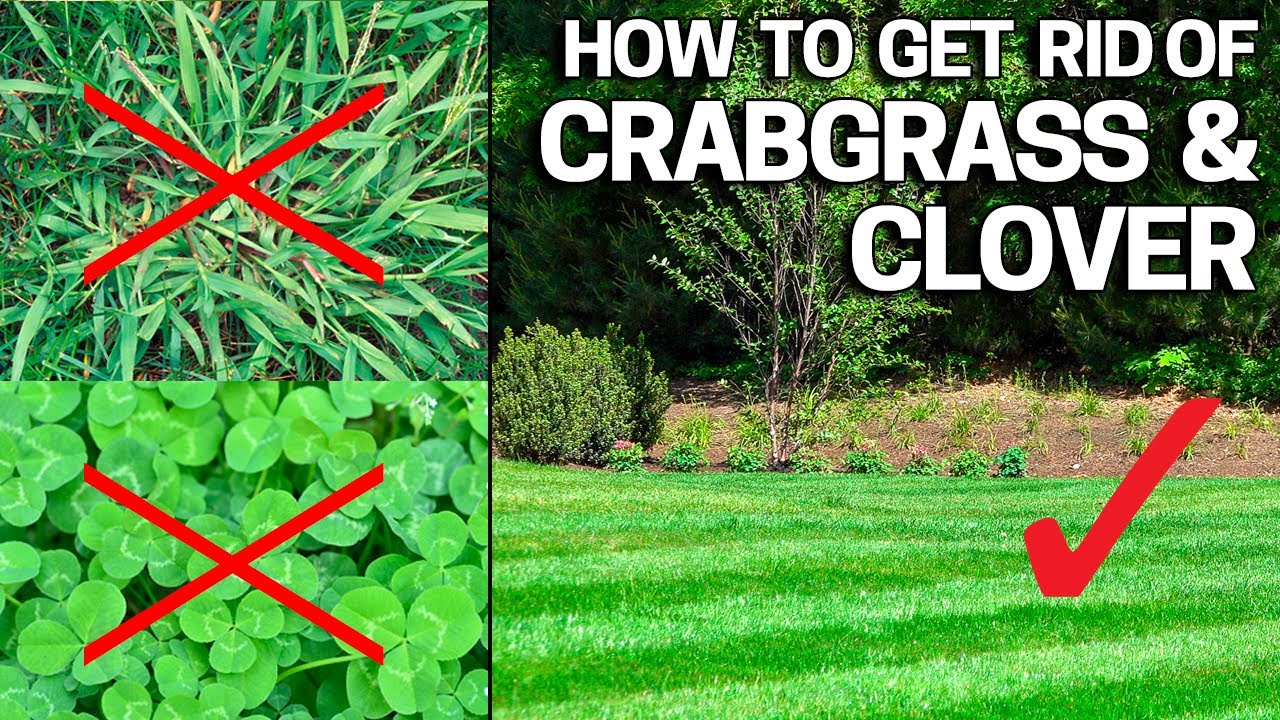
Image Source: i.ytimg.com
Identifying Clover and Why It Thrives
Before we can eliminate clover, it’s helpful to know what we’re dealing with and why it likes your lawn so much.
What is Clover?
Clover is a low-growing, herbaceous perennial plant belonging to the legume family. It’s characterized by its trifoliate leaves (three leaflets per leaf) and clusters of small, often white or pink flowers. Its ability to fix atmospheric nitrogen makes it a natural fertilizer for the soil.
Why Does Clover Appear in Your Lawn?
Clover often appears and thrives in lawns that have certain conditions:
- Low Nitrogen Levels: When your lawn is deficient in nitrogen, grass struggles to grow vigorously. Clover, being a legume, can fix its own nitrogen and therefore outcompetes the weakened grass.
- Compacted Soil: Compacted soil restricts root growth for grass, making it less healthy and more susceptible to weed invasion, including clover.
- Poor Drainage: Clover tolerates moist conditions better than many turf grasses.
- Mowing Too Short: Mowing your grass too low weakens the turf, opening up opportunities for clover to establish.
- pH Imbalance: Clover generally prefers slightly acidic to neutral soil pH, and can indicate that your soil might be more acidic than your grass prefers.
Natural Strategies for Clover Control
Achieving organic clover removal is a process that often involves a combination of methods. The key is to create an environment where grass thrives and clover struggles.
Manual Clover Removal
For small patches of clover, the most straightforward and immediate solution is manual removal. This is a labor-intensive but highly effective organic clover removal method.
Tools for Manual Removal:
- Dandelion Weeder/Dandelion Puller: These tools are designed to get under the root ball of tap-rooted weeds, but they can also be adapted to loosen the soil around clover roots.
- Hand Trowel or Small Spade: Useful for digging around the base of clover patches.
- Garden Fork: Can help aerate the soil and loosen larger patches, making them easier to pull.
- Gloves: To protect your hands.
- Wheelbarrow or Bag: To collect the removed clover.
How to Manually Remove Clover:
- Timing is Key: The best time to pull clover is after a good rain or watering. The soil will be softer, making it easier to pull out the entire root system.
- Loosen the Soil: Use your tool to carefully loosen the soil around the base of the clover patch.
- Pull Firmly: Grasp the clover at its base and pull steadily and firmly upwards. Try to get as much of the root system as possible. Clover has a main taproot and can also spread via runners (stolons).
- Inspect the Roots: If you see remaining roots or runners, try to dig them out as well. Leaving root fragments can allow the clover to regrow.
- Fill the Hole: Once the clover is removed, fill the void with good quality topsoil and reseed the area with your preferred grass seed.
- Dispose Properly: Don’t compost clover that has gone to seed, as you risk spreading it further. Bag it for trash disposal.
Pros of Manual Removal:
- Completely natural, no chemicals involved.
- Immediate removal of clover from specific areas.
- Provides an opportunity to amend the soil and reseed.
Cons of Manual Removal:
- Time-consuming and physically demanding.
- May not be practical for large or widespread infestations.
- Missed roots can lead to regrowth.
Improving Lawn Health for Grass Dominance
The most sustainable way to combat clover is to create a lawn environment that favors grass over clover. This aligns with sustainable lawn maintenance principles.
Proper Mowing Practices:
- Mow at the Right Height: Aim to mow your grass at the higher end of its recommended range. For most cool-season grasses like fescue and ryegrass, this means around 3-4 inches. Taller grass shades the soil, suppressing weed seeds and encouraging deeper root growth in your turf.
- Keep Mower Blades Sharp: Dull mower blades tear grass blades, leaving them susceptible to disease and stress. Sharp blades make clean cuts, helping grass recover quickly.
- Leave Grass Clippings: Grass clippings are a natural source of nitrogen and organic matter. They help fertilize your lawn and improve soil health.
Watering Wisely:
- Deep and Infrequent Watering: Water your lawn deeply but less often. This encourages grass roots to grow deeper, making the grass more drought-tolerant and resilient. Shallow, frequent watering promotes shallow roots, making the grass weaker and more susceptible to weeds.
- Water in the Morning: Watering in the morning allows grass to dry off before evening, reducing the risk of fungal diseases.
Aeration and Dethatching:
- Core Aeration: This process removes small plugs of soil from your lawn, relieving soil compaction and allowing air, water, and nutrients to reach the grass roots. Aeration is crucial for promoting a healthy, dense turf that can outcompete clover. Perform aeration in the fall or spring when grass is actively growing.
- Dethatching: Thatch is a layer of dead and living organic matter that builds up between the grass blades and the soil surface. A thick thatch layer can prevent water and nutrients from reaching the soil and can harbor pests and diseases. Dethatching removes this layer, improving soil contact and grass health.
Soil Nutrition and pH:
- Soil Testing: Get a soil test to determine your soil’s pH and nutrient levels. This is fundamental to natural lawn care. The results will tell you if you need to add lime (to raise pH) or sulfur (to lower pH) to make your soil more hospitable to grass and less so to clover.
- Natural Fertilizers: Use organic fertilizers like compost, aged manure, or slow-release organic blends. These feed the soil and the grass over time, promoting steady, healthy growth rather than rapid, weak growth that can be susceptible to weeds.
Natural Herbicides for Clover Control
While manual removal and improving lawn health are foundational, sometimes a more direct approach to killing clover is needed. Fortunately, there are natural options. These are often referred to as best natural herbicides for lawns.
Corn Gluten Meal for Clover
Corn gluten meal is a natural pre-emergent and post-emergent herbicide. It works by inhibiting root formation in germinating seeds and can also damage existing young plants.
- How it Works: Corn gluten meal contains proteins that, when broken down, interfere with cell division during the early stages of plant growth. For existing clover, it can stress and weaken the plant.
- Application: Apply corn gluten meal in early spring before clover seeds germinate, or in early fall. You can also apply it in late fall after the first frost. For post-emergent effects on established clover, you may need multiple applications.
- Benefits: It’s also a good organic fertilizer, adding nitrogen to your lawn.
- Considerations: It’s most effective on young weeds. Established clover may require repeated applications or combination with other methods. Ensure you purchase feed-grade corn gluten meal, not the type used for animal feed, as the protein content is higher.
Vinegar Weed Killer for Lawns
Household vinegar (acetic acid) can act as a natural weed killer. However, it’s crucial to use it correctly to avoid damaging your grass.
- How it Works: Acetic acid burns the foliage of plants it comes into contact with, dehydrating them. It is a contact killer, meaning it only affects the parts of the plant it touches.
- Application: Use horticultural vinegar (which has a higher concentration of acetic acid, typically 10-20%) rather than standard household vinegar (5%). Apply on a sunny, dry, and windless day. Aim to spray directly onto the clover, avoiding the desirable grass as much as possible. You might need to use a shield or applicator that targets individual plants.
- Effectiveness: Vinegar is non-selective, meaning it will kill any plant it contacts, including grass. It is most effective on young, actively growing weeds. For established clover with extensive root systems, it might require repeated applications and may only kill the top growth, allowing the plant to regrow from the roots.
- DIY Option: You can mix horticultural vinegar with a bit of dish soap (which acts as a surfactant, helping the vinegar stick to the leaves) and a tablespoon of salt. Use salt sparingly, as it can damage your soil long-term.
Essential Oils and Soaps
Some natural products use essential oils (like clove oil or citrus oil) and soaps to kill weeds.
- How they Work: These substances act as contact herbicides, breaking down the waxy cuticle on plant leaves and causing dehydration.
- Application: Similar to vinegar, these are contact killers and best applied directly to the clover on sunny days.
Salt (Use with Extreme Caution)
Salt (sodium chloride) is a potent weed killer because it draws moisture out of plants and can sterilize the soil.
- Use: It is generally not recommended for use on lawns because it can kill grass and severely damage soil structure, making it difficult for anything to grow for a long time. If you use it, it must be on isolated patches away from desirable plants, and very sparingly.
Understanding and Managing Other Common Lawn Weeds
While your focus might be clover, effective sustainable lawn maintenance often involves managing other common weeds as well. For instance, dealing with dandelions in lawn control is often part of the same strategy. Dandelions, like clover, often thrive in lawns with poor soil health and low nitrogen. The same practices that discourage clover—healthy, dense turf, proper mowing, and balanced soil fertility—will also help control dandelions and other broadleaf weeds.
Preventing Clover Growth: The Long-Term Strategy
The best approach to organic clover removal is to prevent clover from establishing in the first place. This involves proactive sustainable lawn maintenance.
Promoting a Dense, Healthy Turf
A thick, healthy lawn is the best defense against weeds.
- Overseeding: Regularly overseed your lawn, especially in the fall, with high-quality grass seed appropriate for your climate and lawn type. This helps fill in bare spots and strengthens the turf density.
- Proper Fertilization: Feed your lawn with organic fertilizers at the right times of the year. This ensures your grass has the nutrients it needs to grow vigorously and outcompete weeds.
- Watering: As mentioned, deep and infrequent watering promotes strong root systems in grass.
Managing Soil Health
- Regular Aeration: Continually address soil compaction through regular aeration.
- Topdressing: Apply a thin layer of compost or good quality topsoil after aeration to further improve soil structure and fertility.
Addressing Drainage Issues
If your lawn holds water or stays soggy, clover will likely thrive. Address any drainage problems by improving grading, installing drainage systems, or amending heavy clay soils with organic matter.
Clover Seed Management
Clover seeds can lie dormant in the soil for years. While you can’t eliminate all dormant seeds, promoting a healthy lawn makes it harder for them to germinate and establish.
When Natural Methods Aren’t Enough: Spot Treatment Considerations
While the goal is organic clover removal, sometimes particularly stubborn or extensive clover infestations in grass might require more targeted intervention.
Spot Treating with Natural Herbicides
If you’ve tried the above methods and still have significant clover, you can consider spot-treating.
- Vinegar: As discussed, horticultural vinegar can be used.
- Salt: Extremely limited use, only in isolated spots where no other plants are desired.
- Commercial Natural Herbicides: Look for commercially available herbicides made from plant-based oils (like clove oil, cinnamon oil, or vinegar) or soaps. Always read and follow product instructions carefully.
Combining Methods
Often, the most effective strategy is to combine approaches. For instance:
- Manually pull larger patches of clover.
- Apply corn gluten meal in early spring to prevent germination of new clover seeds.
- Improve soil health and mowing practices to create a dense turf that outcompetes any remaining clover.
- Spot treat any persistent clover with a natural herbicide.
Sustainable Lawn Maintenance: A Holistic Approach
Sustainable lawn maintenance is about working with nature, not against it. It involves building a resilient ecosystem within your lawn.
Understanding the Ecosystem
Your lawn is a living system. By feeding the soil, encouraging beneficial microorganisms, and supporting healthy grass growth, you create an environment that naturally resists weeds like clover.
Patience and Persistence
Organic clover removal and sustainable lawn maintenance are not quick fixes. They require patience and consistent effort. Over time, your lawn will become healthier, denser, and more resistant to invasive plants.
Frequently Asked Questions (FAQ)
Q1: Will corn gluten meal kill existing clover?
A1: Corn gluten meal is primarily a pre-emergent, meaning it works best by preventing weed seeds from germinating. While it can stress and weaken existing, actively growing clover, it is not typically considered a strong post-emergent herbicide for established weeds. Multiple applications might be needed for any effect on mature clover.
Q2: How quickly does vinegar kill clover?
A2: Vinegar is a contact killer. You will usually see the clover begin to wilt and brown within a few hours to a day after application, especially on a sunny day. However, it only kills the top growth and may not kill the entire root system, leading to regrowth.
Q3: Can I use vinegar and corn gluten meal together?
A3: It’s generally not recommended to use vinegar and corn gluten meal together in the same application. Corn gluten meal is a pre-emergent, and vinegar is a post-emergent. Applying them simultaneously might interfere with each other’s effectiveness. It’s better to use them at different times of the year or for different purposes.
Q4: Is it better to pull clover by hand or use a natural herbicide?
A4: For small patches, pulling by hand is often the most effective and environmentally friendly method, as it removes the entire plant and roots. For larger infestations, or if hand-pulling is impractical, natural herbicides can be a good option, but they may require repeat applications and careful targeting to avoid harming the grass. Improving overall lawn health is the most sustainable long-term strategy.
Q5: What are the best natural herbicides for lawns?
A5: The best natural herbicides for lawns include horticultural vinegar, essential oil-based products, and certain soaps. Corn gluten meal is effective as a pre-emergent weed suppressor. Always choose products specifically designed for lawn use and follow application instructions carefully.
Q6: How do I prevent clover infestations in grass in the future?
A6: Preventative measures include maintaining a dense, healthy lawn through proper mowing (high), watering (deep and infrequent), aeration, and regular fertilization with organic materials. Addressing soil compaction and drainage issues is also crucial. A strong turf is your best defense against clover and other weeds.
By adopting these natural methods, you can effectively manage and eliminate clover, fostering a healthier, more sustainable, and beautiful lawn that you can enjoy for years to come.