
Mushrooms popping up in your lawn can be a nuisance, but can I prevent mushrooms in my lawn? Yes, by addressing the underlying conditions that encourage their growth, you can significantly reduce or eliminate mushrooms from your grass. This post will guide you through the best lawn care practices and lawn disease prevention strategies to keep your lawn healthy and mushroom-free.
Mushrooms are the fruiting bodies of fungi that live underground in the soil. They appear when conditions are just right for them to reproduce. While not directly harmful to your grass, their presence often signals underlying issues in your lawn’s ecosystem, such as excess moisture, decaying organic matter, or compacted soil. Fathoming why mushrooms grow is the first step to effective lawn fungus control.
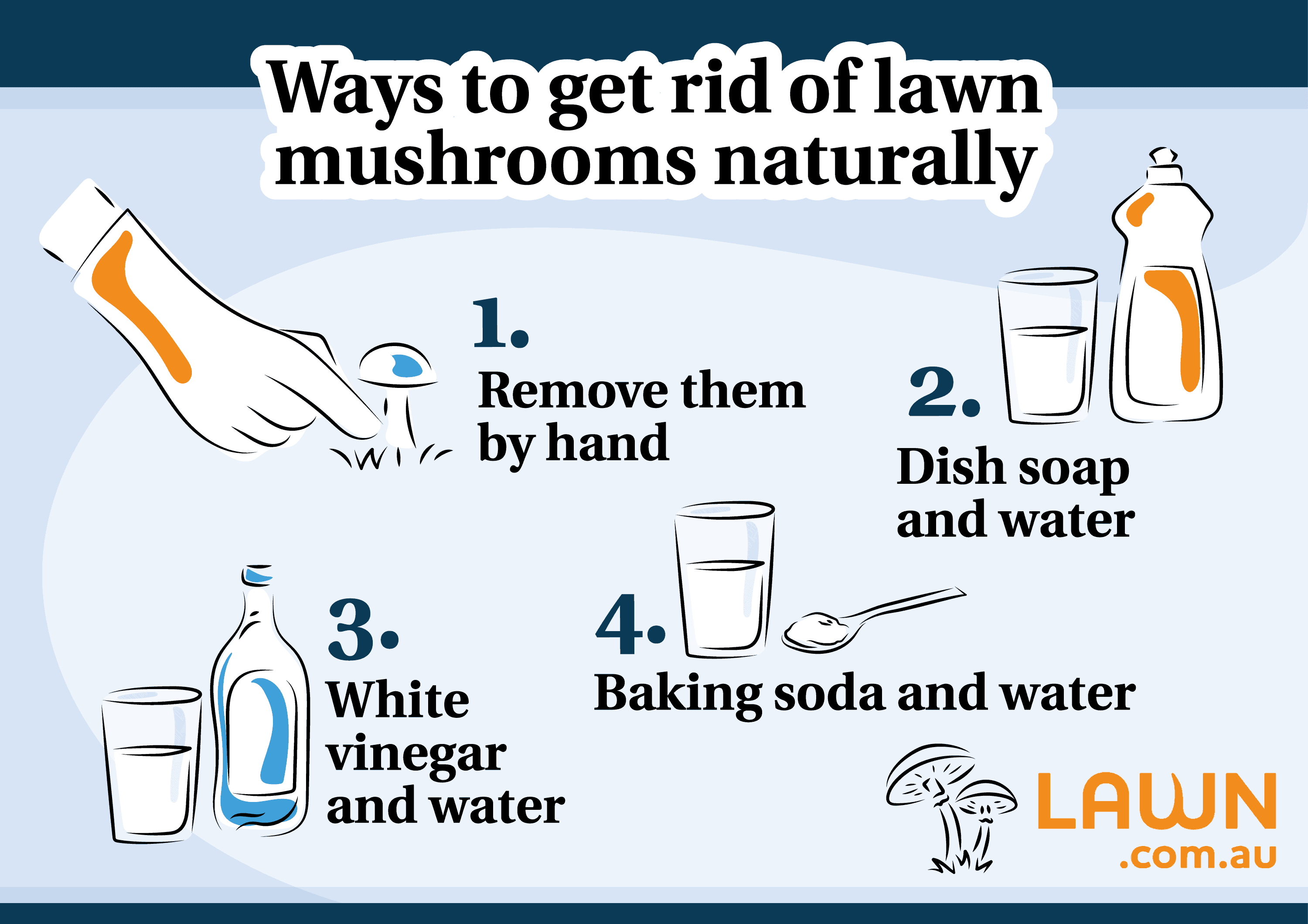
Image Source: lawn.com.au
Why Do Mushrooms Appear in Lawns?
Mushrooms thrive in damp, shaded areas with plenty of decaying organic material. Think of them as nature’s recyclers, breaking down dead grass clippings, leaves, animal waste, and even buried wood or roots.
Here are the key factors that contribute to mushroom growth:
- Excess Moisture: Fungi, like mushrooms, need water to grow. Overwatering, poor drainage, or prolonged periods of rain can create the perfect environment.
- Decaying Organic Matter: This is the food source for fungi. Thick thatch layers, buried debris, animal droppings, and dead plant material all provide sustenance.
- Shade and Poor Air Circulation: Shaded areas stay moist longer and often have less air movement, which is ideal for fungal growth.
- Compacted Soil: Compacted soil restricts water and air penetration, leading to surface moisture and creating conditions favorable for superficial fungal growth.
Step-by-Step Guide to Preventing Mushrooms
Preventing mushrooms is about creating a less hospitable environment for fungi. This involves a combination of good cultural practices and addressing specific issues.
1. Proper Lawn Watering: The Foundation of Healthy Lawn Tips
Watering your lawn correctly is crucial for preventing mushrooms. Overwatering is a primary culprit.
- Water Deeply and Infrequently: Aim to water your lawn only when it needs it. A good rule of thumb is to water when the grass starts to look dull or when footprints remain visible on the lawn after walking on it. Water deeply enough to moisten the soil several inches down. This encourages deeper root growth, making your grass more resilient.
- Water in the Morning: Watering early in the morning allows the grass blades to dry off throughout the day. Watering in the evening can leave the grass wet overnight, creating an ideal environment for fungi to thrive.
- Check Soil Moisture: Use a screwdriver or soil probe to check how deep the water has penetrated. If it only wets the top inch, you need to water longer.
- Improve Drainage: If your lawn holds water for extended periods after rain or watering, you may have drainage issues.
2. Thatch Removal: Keeping Decomposition in Check
Thatch is a layer of dead and living grass stems, roots, and other organic matter that accumulates between the green grass blades and the soil surface. A thin layer is normal and beneficial, but when it gets too thick (over half an inch), it can create a spongy, moist layer that harbors fungi.
- What is Thatch? Thatch is composed of organic materials that decompose slowly.
- How Thatch Causes Mushrooms: A thick thatch layer acts like a sponge, holding moisture close to the surface. It also provides a rich food source for fungi.
- Lawn Aeration: This is one of the most effective ways to manage thatch. Aeration involves removing small plugs of soil and thatch from the lawn, allowing air, water, and nutrients to reach the root zone.
- When to Aerate: The best times to aerate are during the active growing seasons for your grass type – typically spring or fall for cool-season grasses, and late spring or early summer for warm-season grasses.
- How it Helps: Aeration breaks up thatch, improves soil structure, and reduces compaction, all of which discourage mushroom growth.
- Dethatching (Power Raking): This process uses a machine to pull up and remove accumulated thatch. It’s a more aggressive approach than aeration and should be done carefully to avoid damaging the grass.
- Frequency: Dethatching is usually necessary only once every 1-3 years, depending on your lawn’s growth rate and thatch accumulation.
3. Lawn Fertilization: Nourishing Your Grass, Not the Fungi
Proper lawn fertilization promotes strong, healthy grass, which can outcompete fungi. However, over-fertilizing or using the wrong type of fertilizer can sometimes exacerbate fungal problems.
- Choose the Right Fertilizer: Opt for a balanced fertilizer formulated for your grass type and the time of year. Slow-release fertilizers are generally preferable as they provide a steady supply of nutrients without causing rapid, weak growth that is susceptible to disease.
- Fertilize at the Right Time: Fertilize during your lawn’s active growing season. Avoid fertilizing dormant or stressed lawns, as this can weaken them further.
- Apply Evenly: Use a spreader to ensure fertilizer is applied evenly across the lawn. Uneven application can lead to localized over-fertilization, which can stress the grass and create favorable conditions for fungi.
- Consider Organic Lawn Care: Organic fertilizers release nutrients slowly as they decompose, promoting a more balanced soil ecosystem. This can be beneficial for long-term lawn health and discourage opportunistic fungi.
4. Improve Sunlight and Air Circulation
Mushrooms often appear in shaded, damp areas. Increasing sunlight and air circulation can help dry out the soil and grass, making it less hospitable for fungi.
- Prune Overhanging Branches: Trim trees and shrubs that cast dense shade on your lawn.
- Remove Debris: Regularly clear away fallen leaves, grass clippings, and other debris that can trap moisture and provide food for fungi.
- Consider Grass Type: If you have a heavily shaded area, consider overseeding with a shade-tolerant grass variety.
5. Addressing Organic Debris
As mentioned, decaying organic matter is a prime food source for the fungi that cause mushrooms.
- Remove Animal Waste Promptly: Dog waste and other animal droppings are rich in nutrients and can contribute to localized mushroom growth.
- Rake Leaves and Grass Clippings: Don’t let leaves or excessive grass clippings sit on the lawn. Mulch them with a mower or rake them up.
- Bury or Remove Buried Wood: If you know there’s buried wood or roots from old stumps, consider excavating them.
6. Soil Health and pH
The health of your soil plays a significant role in preventing lawn problems, including fungal issues.
- Soil Testing: Consider getting your soil tested. This will tell you the pH level and nutrient deficiencies.
- pH Adjustment: Most lawn grasses prefer a slightly acidic to neutral pH (between 6.0 and 7.0). If your soil is too alkaline or too acidic, it can favor certain fungal diseases. Your soil test results will recommend amendments, such as lime to raise pH or sulfur to lower it.
- Composting: Adding compost to your lawn can improve soil structure, drainage, and nutrient availability, creating a healthier environment for grass. This is a key aspect of organic lawn care.
7. Removing Mushrooms from Grass
While focusing on prevention is key, you may still find mushrooms appearing.
- Manual Removal: The simplest way to remove mushrooms is to pick them by hand or use a spade to dig them out, including the base. It’s important to try and get the entire mushroom to prevent reseeding.
- Dispose Properly: Put the removed mushrooms in a plastic bag and dispose of them in the trash. Do not compost them, as this can spread fungal spores.
- Rake the Area: After removal, gently rake the area to break up any remaining mycelium (the underground fungal network) and remove spores.
Lawn Fungus Control: More Than Just Removing Mushrooms
Effective lawn fungus control goes beyond simply eradicating visible mushrooms. It’s about creating an environment where fungi struggle to establish and thrive.
Here’s a summary of best lawn care practices that contribute to overall lawn fungus control:
| Practice | How it Helps Prevent Fungi | Frequency/Timing |
|---|---|---|
| Proper Watering | Dries grass blades, reduces soil moisture | As needed, morning watering |
| Thatch Removal | Removes food source, improves air/water penetration | Annually or bi-annually |
| Lawn Aeration | Reduces compaction, improves drainage, breaks thatch | Annually or bi-annually |
| Balanced Fertilization | Promotes strong grass that outcompetes fungi | During active growing seasons |
| Sunlight/Airflow | Dries surfaces, reduces dampness | Ongoing, prune as needed |
| Debris Management | Removes food sources | Regularly |
| Soil Health | Creates a balanced ecosystem that favors grass over fungi | Ongoing |
When to Consider Professional Help
If you’ve tried these methods and are still experiencing persistent or widespread mushroom growth, or if you suspect a more serious fungal disease is present, it may be time to consult a local lawn care professional. They can diagnose specific issues and recommend targeted treatments.
Frequently Asked Questions (FAQ)
Q1: Are lawn mushrooms dangerous to my pets or children?
A1: Most common lawn mushrooms are not directly poisonous to pets or children when simply touched. However, it’s always best to prevent them from eating any type of mushroom, as some species can be toxic. If ingestion is suspected, contact your veterinarian or poison control center immediately.
Q2: Can I use a fungicide to kill lawn mushrooms?
A2: Fungicides are designed to kill fungal growth. While a broad-spectrum fungicide might temporarily suppress mushroom growth, it’s not a long-term solution if the underlying conditions (moisture, organic matter, compaction) are not addressed. Focusing on cultural practices is usually more effective and environmentally friendly for preventing mushrooms.
Q3: How long does it take to get rid of mushrooms?
A3: Getting rid of mushrooms is a process of improving your lawn’s health. It might take a season or two of consistent application of best lawn care practices to see a significant reduction in mushroom growth.
Q4: Is it bad to leave mushrooms in the lawn?
A4: Leaving mushrooms in the lawn isn’t directly harmful to your grass, but their presence is a strong indicator of underlying issues like too much moisture or decaying organic matter. Addressing these issues will improve your lawn’s overall health and make it less susceptible to various lawn diseases.
Q5: Why do mushrooms grow in fairy rings?
A5: Fairy rings are circular patterns of mushrooms that appear due to the growth of underground fungal mycelium. As the fungus spreads outward, it decomposes organic matter in the soil, which can sometimes benefit or, in other cases, harm the grass within the ring. Managing the underlying thatch and soil compaction can help prevent them.
By implementing these simple yet effective tips, you can create a healthier, more resilient lawn that is far less prone to mushroom growth, leading to a greener, more enjoyable outdoor space.