
Can you remove Bermuda grass from your lawn? Yes, you can remove Bermuda grass, but it often requires persistent effort and a combination of methods. What is the best way to kill Bermuda grass? The best way to kill Bermuda grass usually involves a multi-pronged approach, often starting with manual removal and followed by herbicides or other control methods to prevent its return.
Bermuda grass, while a popular choice for many lawns in warmer climates due to its resilience and drought tolerance, can become a nuisance when it creeps into areas where it’s not wanted. Its aggressive growth habit, characterized by thick rhizomes and stolons (underground and above-ground runners), allows it to spread rapidly and outcompete desirable turfgrasses. Tackling this invasive grass requires a strategic plan and consistent application of the right techniques. This guide will explore various Bermuda grass control methods, from manual Bermuda grass eradication to herbicide Bermuda grass control, helping you achieve a cleaner, more uniform lawn.
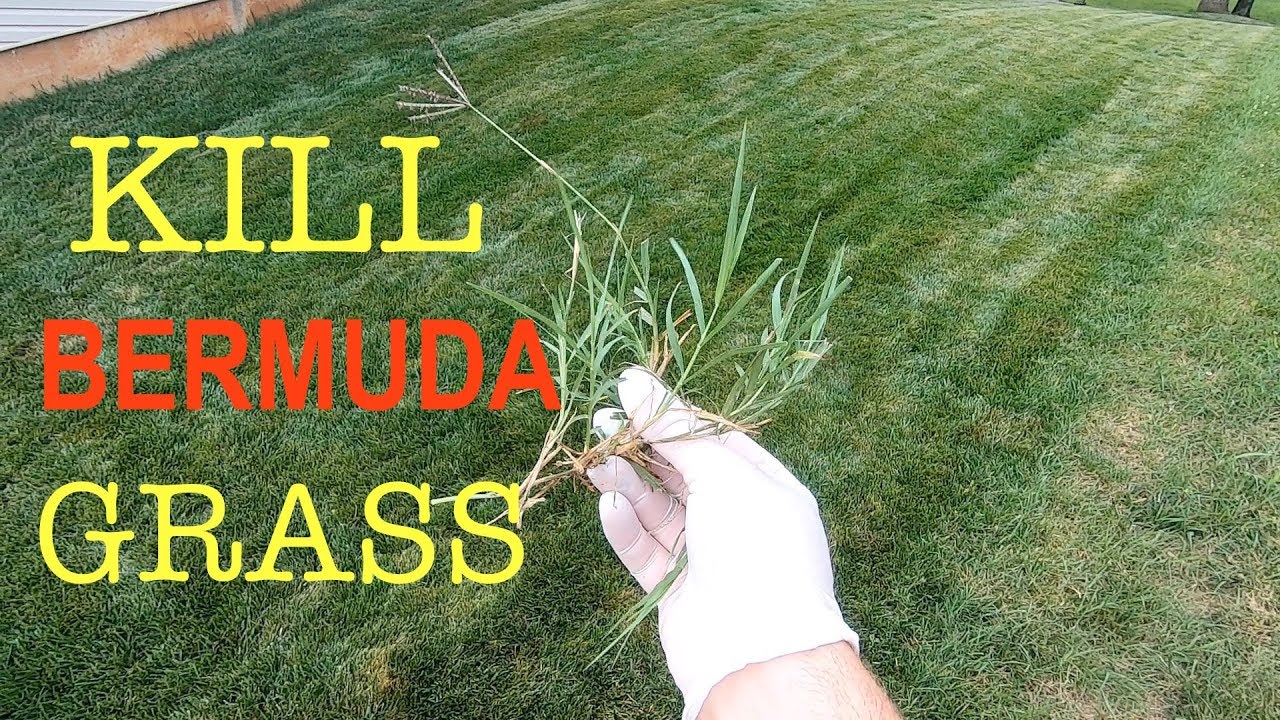
Image Source: i.ytimg.com
Deciphering Bermuda Grass’s Growth Habit
To effectively remove Bermuda grass, it’s crucial to grasp how it grows. Bermuda grass is a warm-season perennial grass. This means it thrives in heat and can survive through winter by going dormant, then regrowing from its root system in the spring.
- Rhizomes: These are underground stems that grow horizontally. They anchor the plant and store food, allowing it to regrow even if the top growth is destroyed.
- Stolons: These are above-ground runners that also spread horizontally. They can root at nodes, forming new plants.
This dual-pronged spread is what makes Bermuda grass so tenacious. It can quickly invade garden beds, crack pavement, and choke out other plants.
Manual Bermuda Grass Eradication: The Foundation of Control
Often, the most direct way to begin Bermuda grass control is through manual methods. While labor-intensive, this approach offers immediate results and is a key component of natural Bermuda grass removal.
Digging Out Bermuda Grass Roots: The Most Thorough Method
The most effective manual method is to dig out Bermuda grass roots. This involves physically removing the entire plant, including its extensive network of rhizomes and stolons.
Steps for Digging Out Bermuda Grass Roots:
- Water the Area: Lightly water the soil a day or two before digging. Moist soil makes it easier to pull out the roots and reduces the chance of them breaking off.
- Use the Right Tools: A sharp spade, garden fork, or a specialized weeding tool with a long handle can be very effective. For smaller areas, a trowel or hori hori knife works well.
- Loosen the Soil: Insert your tool deep into the soil, around and beneath the Bermuda grass patch. Aim to go at least 6-8 inches deep to capture as much of the root system as possible.
- Lift and Remove: Gently lift the clump of grass and soil. Shake off excess soil back onto the ground, but be meticulous about collecting all visible roots and runners.
- Inspect and Repeat: Examine the excavated soil and the surrounding area for any remaining roots or runners. This is a critical step, as even small fragments left behind can regenerate the grass.
- Dispose Properly: Place the removed grass and roots in a sealed bag or bin. Do not compost Bermuda grass roots, as they can survive and re-sprout in a compost pile.
This method is particularly useful for controlling Bermuda grass in flower beds, vegetable gardens, or when establishing a new lawn area. It’s a prime example of diy Bermuda grass removal that avoids chemicals.
The Solarization Method: Harnessing the Sun’s Power
Solarization is an effective natural Bermuda grass removal technique that uses the sun’s heat to kill grass and weed seeds. It’s best performed during the hottest months of the year.
How to Solarize Your Lawn Area:
- Mow Low: Cut the Bermuda grass as short as possible.
- Water Thoroughly: Water the area deeply to ensure good soil moisture.
- Cover with Plastic: Cover the area tightly with clear, heavy-duty plastic sheeting (4-6 mil thickness is recommended). Seal the edges by burying them several inches into the ground or weighing them down with rocks or bricks. This traps heat and moisture.
- Wait: Leave the plastic in place for 4-6 weeks during the peak summer heat. The trapped solar radiation can reach temperatures high enough to kill Bermuda grass and many weed seeds.
Solarization is a passive yet powerful way to eliminate Bermuda grass, especially in larger areas before planting.
Smothering with Mulch or Cardboard
Another organic Bermuda grass removal technique involves smothering the grass. This deprives it of sunlight, causing it to weaken and die.
Steps for Smothering:
- Mow or Cut: Cut the Bermuda grass as short as possible.
- Cover: Lay down a thick layer of cardboard or several layers of newspaper directly over the Bermuda grass. Ensure there are no gaps. Overlap the edges generously.
- Add Mulch: Cover the cardboard or newspaper with a thick layer of organic mulch (wood chips, compost, straw). Aim for at least 4-6 inches of mulch.
- Maintain: Keep the area moist. Over time, the cardboard will decompose, and the Bermuda grass underneath will die. This process can take several months to a year.
This method is excellent for clearing out areas for new garden beds or landscaping.
Herbicide Bermuda Grass Control: Targeted Solutions
For more aggressive infestations or when manual methods are impractical, herbicide Bermuda grass control can be an effective solution. It’s important to use herbicides responsibly and according to label instructions to minimize harm to desirable plants and the environment.
Selective vs. Non-Selective Herbicides
When dealing with Bermuda grass, you’ll encounter two main types of herbicides:
- Non-Selective Herbicides: These kill all plant life they come into contact with. Glyphosate (the active ingredient in products like Roundup) is a common example. These are best used for complete lawn renovation or in areas where you don’t mind killing everything. The best way to kill Bermuda grass in an unwanted area often involves a non-selective herbicide followed by clearing the dead vegetation.
- Selective Herbicides: These target specific types of plants while leaving others unharmed. Finding a selective herbicide that effectively targets Bermuda grass without damaging cool-season grasses (like fescue or bluegrass) is challenging, as they are closely related. However, some herbicides can be used to suppress Bermuda grass in certain desirable turf types.
Best Practices for Herbicide Application
When using herbicide Bermuda grass control, always follow these guidelines:
- Read the Label: This is the most crucial step. The label provides specific instructions on application rates, timing, safety precautions, and target weeds.
- Timing is Key: Apply herbicides when Bermuda grass is actively growing. This is typically in the warmer months. Avoid applying when rain is expected soon after, as it can wash the herbicide away.
- Spot Treatment: For localized patches, use spot treatments to minimize chemical use and impact on surrounding areas.
- Personal Protective Equipment (PPE): Wear gloves, long sleeves, pants, and eye protection during application.
- Consider the Environment: Be aware of wind conditions to prevent drift onto desirable plants. Avoid applying near water sources.
Common Herbicides for Bermuda Grass Control
While specific product recommendations can change, here are some commonly used active ingredients for Bermuda grass control:
- Glyphosate: As mentioned, this is a non-selective herbicide. It’s highly effective but will kill any grass or plant it touches. It’s often used for complete lawn renovation.
- Fluazifop-P-butyl: This is a selective herbicide that can be effective against Bermuda grass in certain types of turf, like fescue or bluegrass. It targets grassy weeds.
- Quinclorac: This selective herbicide is often used for crabgrass control but can also suppress Bermuda grass in certain cool-season turf situations.
- Sethoxydim: Another selective herbicide that targets grassy weeds, it can be used to control Bermuda grass in ornamental beds or certain non-turf areas.
Important Note: Always check the product label to confirm if it is safe for your specific lawn type and the surrounding plants.
Combining Methods for Comprehensive Bermuda Grass Control
The most successful Bermuda grass control methods often involve a combination of techniques. This integrated approach addresses the immediate problem and works to prevent Bermuda grass spread.
The “Kill, Dig, Prevent” Strategy
A proven strategy for diy Bermuda grass removal and long-term control is:
- Kill: Use a non-selective herbicide like glyphosate on the affected areas. Allow sufficient time for the herbicide to work (usually a week or two). The grass will turn brown.
- Dig: Once the grass is dead and dry, manually dig out Bermuda grass roots and any remaining plant material. This is crucial to remove the dormant buds and runners that could resprout.
- Prevent: Implement strategies to prevent Bermuda grass spread and discourage its return. This might include overseeding with desirable turfgrasses, applying pre-emergent herbicides in areas where it might try to invade, or using physical barriers.
Killing Bermuda Grass Without Harming Desirable Grass
This is a common challenge. If you have Bermuda grass encroaching on a cool-season lawn, you need to be extremely careful.
- Manual Removal: This is the safest bet for kill Bermuda grass without harming grass in adjacent areas. Meticulously dig out every bit of Bermuda grass.
- Timing and Selective Herbicides: If using herbicides, identify the Bermuda grass and the desirable grass. Research selective herbicides that target Bermuda grass but are safe for your specific desirable grass type. Apply only to the Bermuda grass, using a shield or careful application technique to avoid contact with the desired turf. Fluazifop or Quinclorac might be options, but always verify the product’s label for use in your lawn type.
- “Burning Out” Patches: In extreme cases, you might need to accept losing a small patch of desirable grass to eliminate Bermuda grass. Apply a non-selective herbicide to the Bermuda grass patch, and then re-seed or sod the area once the Bermuda grass is dead and removed.
Preventing Bermuda Grass Spread
Once you’ve begun the removal process, preventing its return and further spread is paramount.
Physical Barriers
- Edging: Install sturdy, deep edging (at least 4-6 inches) between lawn areas and garden beds. This can help stop the spread of stolons.
- Root Barriers: For severe cases, consider installing specialized plastic or metal root barriers deep into the soil.
Maintaining a Healthy Lawn
A dense, healthy lawn is the best defense against weeds, including Bermuda grass.
- Proper Mowing: Mow at the correct height for your turfgrass type. Taller grass shades the soil, discouraging weed seeds from germinating and weakening existing weeds.
- Adequate Watering: Water deeply and less frequently to encourage deep root growth in your desirable grass.
- Fertilization: Feed your lawn with the appropriate fertilizers at the right times to promote vigorous growth.
- Overseeding: In cooler climates, overseeding with a more vigorous cool-season grass in the fall can help fill in bare spots and outcompete any returning Bermuda grass.
Pre-Emergent Herbicides
Pre-emergent herbicides prevent weed seeds from germinating. While they won’t kill established Bermuda grass, they can be useful in areas where you’ve removed it to prevent new seeds from sprouting and establishing. They are typically applied in early spring before soil temperatures consistently reach 55°F.
Natural Bermuda Grass Removal: A Chemical-Free Approach
For those who prefer to avoid chemicals, natural Bermuda grass removal is achievable, though it often requires more patience and physical effort.
- Manual Digging: As detailed earlier, meticulous digging is the cornerstone of natural removal.
- Smothering: Using cardboard, newspaper, and mulch is highly effective over time.
- Vinegar and Salt: While some DIY recipes suggest using vinegar and salt solutions, these are generally not recommended for lawn care. High concentrations of salt can damage soil structure and fertility, making it difficult for any grass to grow back. Vinegar can kill grass but is non-selective and can also harm beneficial soil microbes. Use these with extreme caution, if at all, and only in small, isolated areas where no other plants are desired.
Frequently Asked Questions (FAQ)
- Q: How long does it take to remove Bermuda grass?
- A: The time frame varies greatly depending on the extent of the infestation and the methods used. Manual removal can be ongoing as you spot new growth. Herbicide treatment might require multiple applications over several months. Completely eradicating a severe infestation can take a full growing season or longer.
- Q: Can I kill Bermuda grass with boiling water?
- A: Boiling water can kill the top growth of Bermuda grass on contact, similar to how vinegar works. However, it’s unlikely to kill the deep root system, so regrowth is probable. It’s best suited for small, isolated patches in hardscaping areas rather than a lawn.
- Q: When is the best time to start removing Bermuda grass?
- A: The best time to start is when Bermuda grass is actively growing, usually in late spring or summer. This is when it’s most vulnerable to herbicides and when manual removal is most effective at depleting its energy reserves.
- Q: Is Bermuda grass a perennial?
- A: Yes, Bermuda grass is a perennial, meaning it lives for multiple years and regrows from its root system each spring after going dormant in the winter.
- Q: Can I use a tiller to remove Bermuda grass?
- A: While tilling might seem like a good idea, it can actually worsen the problem. Tilling breaks up the rhizomes and stolons, and each fragment can potentially grow into a new plant, spreading the infestation further. Manual digging is preferred over tilling for Bermuda grass removal.
By employing a combination of persistent manual efforts, strategic herbicide applications if necessary, and proactive prevention, you can effectively manage and remove unwanted Bermuda grass, restoring the beauty and health of your lawn.