
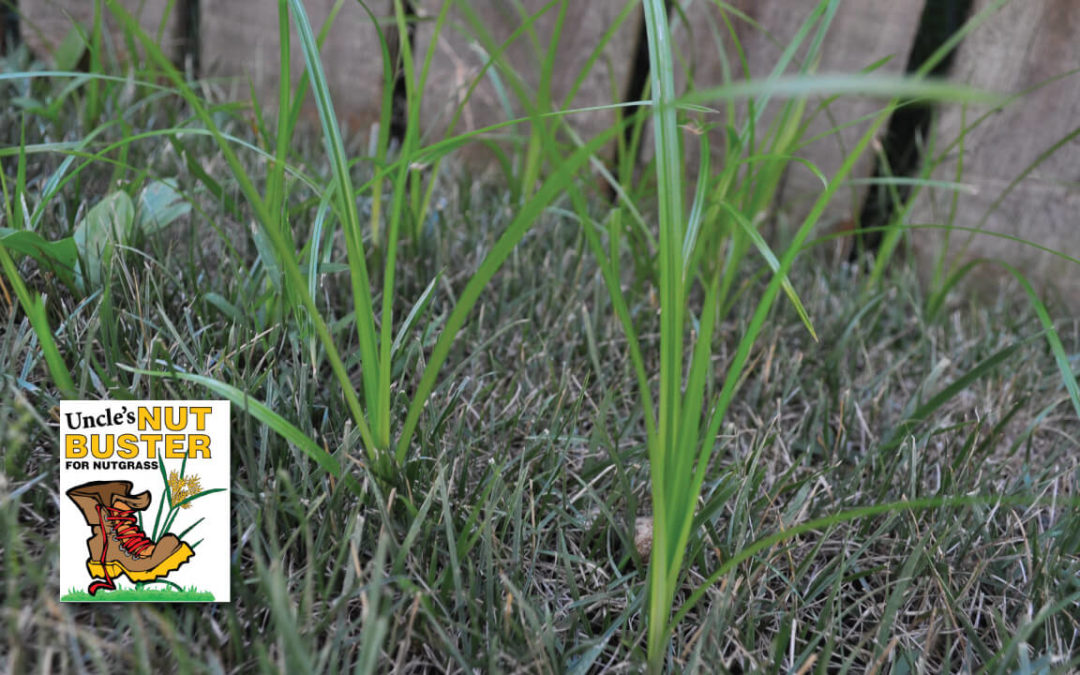
Image Source: grasspad.com
How to Remove Nut Grass From Lawn: Safe & Effective Methods
Can you get rid of nutgrass easily? Yes, you can, but it requires a persistent and multi-pronged approach. Nutgrass, scientifically known as Cyperus spp., is a notorious lawn weed that can be incredibly difficult to eradicate due to its unique underground tuber system. It’s not actually a grass, but a sedge, identifiable by its triangular stems and shiny, grass-like leaves. For many homeowners, the appearance of nutgrass signals the start of a battle in their quest for a pristine lawn. This article will guide you through various methods for nutgrass eradication, from manual removal to targeted herbicide use and preventative strategies.
Deciphering the Nutgrass Problem
Before we delve into how to remove nutgrass, it’s helpful to understand why it’s so persistent. Nutgrass reproduces primarily through underground tubers, often called “nuts” or “nutlets.” These tubers can remain dormant in the soil for years, waiting for the right conditions to sprout. Each tuber can sprout multiple stems, and a single plant can produce thousands of new tubers in a season. This makes simply pulling the above-ground growth ineffective, as the root system and tubers are left behind to regrow.
The characteristic triangular stem of sedges is a key identifier, setting them apart from true grasses. Yellow nutsedge, a common culprit, is particularly aggressive and can quickly outcompete desirable turfgrass. Its presence not only detracts from the aesthetic appeal of your lawn but can also signal underlying soil issues or poor lawn health that make it more susceptible to weed invasion. Effectively tackling this weed often involves a combination of physical removal and chemical treatments, alongside improving your lawn’s overall vigor.
Manual Nutgrass Removal: The First Line of Defense
While often a Sisyphean task if done alone, manual nutgrass removal is a crucial step in any comprehensive nutgrass control strategy. This method is best employed when you first spot a few scattered plants or in smaller lawn areas. The key here is to remove as much of the root system and tubers as possible.
Digging Out Nutgrass
- Tools: A trowel, a dandelion digger, or a soil knife are ideal.
- Technique:
- Moisten the Soil: Water the area where the nutgrass is growing thoroughly. Moist soil makes it easier to pull out the entire root system.
- Dig Deep: Insert your chosen tool around the base of the nutgrass plant, aiming to go deep enough to loosen the soil around the tubers.
- Gently Pull: Carefully pull the plant upwards, trying to lift the entire root system and any visible tubers.
- Inspect and Remove Tubers: Examine the removed root ball for small, potato-like tubers. Collect these tubers and discard them in a sealed bag, as they can resprout if left in your compost.
- Fill and Reseed: Fill the hole with good quality topsoil and reseed with your desired lawn grass.
Considerations for Manual Removal
- Persistence is Key: You will need to repeat this process regularly as new plants emerge.
- Early Detection: The sooner you spot and remove nutgrass, the easier it will be to manage.
- Environmental Impact: This method is completely chemical-free and safe for the environment.
Chemical Control: Targeted Herbicides for Nutgrass
For larger infestations or when manual removal proves insufficient, chemical treatments become a necessary consideration for nutgrass eradication. The right herbicide can effectively target nutgrass without harming your desirable lawn grasses. It’s important to select a product specifically labeled for nutgrass control and to follow application instructions precisely.
Identifying Effective Herbicides for Nutgrass
Several types of herbicides are effective against nutgrass. The most common active ingredients to look for include:
- Mesotrione: This pre- and post-emergent herbicide is absorbed by both the roots and foliage of the weed. It inhibits a key enzyme involved in chlorophyll production, leading to whitening and eventual death of the nutgrass. It is generally safe for most cool-season turfgrasses when applied according to label directions.
- Sulfentrazone: A pre- and post-emergent herbicide that is highly effective against sedges, including yellow nutsedge. It works by disrupting cell membranes. It’s important to note that sulfentrazone can cause temporary discoloration of desirable turfgrass in some cases, so proper application is crucial.
- Halosulfuron-methyl: This selective herbicide is absorbed by both roots and foliage and translocates throughout the plant, including the tubers. It inhibits a key enzyme in amino acid synthesis. It’s typically safe for use on many established turfgrass species.
- Mecoprop-P, Dicamba, and 2,4-D combinations: While these are broadleaf weed killers, some formulations can provide suppression or control of nutsedge, especially when applied repeatedly. However, they are generally less effective than herbicides specifically designed for sedge control.
Application Strategies
- Timing is Crucial: Apply herbicides when nutgrass is actively growing, typically during warm, moist weather. This ensures the plant can effectively absorb the herbicide.
- Follow Label Instructions: Always read and adhere to the product label for mixing ratios, application rates, safety precautions, and turfgrass compatibility.
- Spot Treatment: For smaller infestations, spot treatment is more economical and reduces the amount of herbicide used in your lawn.
- Repeat Applications: Most herbicides require repeat applications to fully eradicate the tubers. Allow sufficient time between applications as recommended on the product label.
- Watering: Some herbicides require watering in after application, while others are best applied to dry foliage. Check the label for specific instructions.
Table 1: Common Herbicides for Nutgrass Control
| Active Ingredient | Target Weed | Common Lawn Grass Compatibility | Application Type | Notes |
|---|---|---|---|---|
| Mesotrione | Nutgrass, many broadleaf weeds | Most cool-season turfgrasses | Pre- and Post-emergent | Can cause temporary whitening of turf. |
| Sulfentrazone | Nutgrass, sedges, broadleaf weeds | Many turfgrasses | Pre- and Post-emergent | Can cause temporary turf discoloration. Monitor soil moisture after application. |
| Halosulfuron-methyl | Nutgrass, sedges | Many turfgrasses | Post-emergent | Highly effective against tubers. Avoid applications on newly seeded lawns. |
| Mecoprop-P, Dicamba, 2,4-D (combo) | Broadleaf weeds, some sedges | Varies by formulation | Post-emergent | Primarily for broadleaf weeds; may suppress nutsedge with repeated applications. |
Important Note: Always test a small, inconspicuous area of your lawn before applying any herbicide to the entire affected area to ensure it doesn’t damage your desirable turfgrass.
Cultural Practices for Nutgrass Control and Prevention
Beyond manual removal and herbicides, improving your lawn’s health through good cultural practices is paramount for long-term nutgrass control and to prevent nutgrass lawn infestations. A healthy, dense lawn is the best defense against weeds.
Mowing Practices
- Mow High: Set your mower to a higher setting. Taller grass shades the soil, making it harder for weed seeds and tubers to germinate. For most cool-season grasses, this means mowing at 2.5 to 3.5 inches.
- Sharp Mower Blades: Dull blades tear grass, leaving it vulnerable to disease and stress. Keep your mower blades sharp.
- Leave Grass Clippings: Unless they are excessively thick and clumping, leave grass clippings on the lawn. They act as a natural fertilizer and help retain soil moisture.
Watering Habits
- Deep and Infrequent Watering: Water your lawn deeply but infrequently. This encourages deeper root growth in your turfgrass, making it more resilient. Shallow, frequent watering favors shallow-rooted weeds like nutgrass.
- Avoid Overwatering: Soggy soil can create ideal conditions for nutgrass to thrive.
Fertilization
- Proper Nutrition: Fertilize your lawn according to its specific needs. A well-fed lawn is a strong lawn, better able to outcompete weeds.
- Balanced Fertilizers: Use a balanced fertilizer that provides all the necessary nutrients for healthy grass growth. Avoid excessive nitrogen, which can promote rapid but weak growth that is more susceptible to weeds.
Aeration and Dethatching
- Aeration: Core aeration helps to relieve soil compaction, allowing for better air, water, and nutrient penetration to the grass roots. Compacted soil can weaken your lawn and make it easier for weeds to establish.
- Dethatching: A thick layer of thatch can harbor pests and diseases and hinder water and nutrient uptake. Dethatch your lawn when the thatch layer exceeds half an inch.
Prevent Nutgrass Lawn: Proactive Strategies
Prevention is always better than cure, especially when dealing with a persistent weed like nutgrass. Implementing preventative measures can significantly reduce the likelihood of an infestation.
Seeding and Sodding
- Healthy Turf Establishment: When establishing a new lawn or overseeding an existing one, use high-quality seed or sod that is disease-resistant and adapted to your climate. A vigorous turf will naturally suppress weed growth.
- Proper Seeding Techniques: Ensure good seed-to-soil contact and adequate moisture during the germination phase.
Mulching
- Around Beds and Trees: While not directly applicable to lawn areas, using mulch around garden beds, trees, and shrubs can suppress weed growth in those areas, preventing nutgrass from spreading into your lawn from adjacent landscapes.
Soil Improvement
- pH Balance: Ensure your soil pH is within the optimal range for your lawn grass. Soil testing can help identify any imbalances.
- Organic Matter: Incorporating organic matter into your soil improves its structure, drainage, and nutrient-holding capacity, leading to a healthier lawn.
Advanced Nutgrass Eradication Techniques
For particularly stubborn nutgrass problems, you might consider more advanced or integrated approaches.
Pre-emergent Herbicides
While not a primary solution for existing nutgrass, pre-emergent herbicides applied in early spring can help prevent new nutgrass tubers from sprouting. These herbicides work by creating a chemical barrier in the soil that kills germinating weed seeds before they emerge. They are most effective when timed correctly, typically before soil temperatures reach the threshold for nutgrass germination.
Post-emergent Herbicides for Tuber Control
Some post-emergent herbicides, like those containing halosulfuron-methyl, are specifically formulated to be absorbed by the plant and translocated down to the tubers, effectively killing them. This is crucial for long-term nutgrass eradication.
Combination Treatments
A combination of manual removal to reduce the immediate population, followed by targeted herbicide applications to eliminate the tubers, is often the most effective strategy.
Table 2: Integrated Approach to Nutgrass Control
| Stage | Method | Description | Best Time to Apply |
|---|---|---|---|
| Early Spring | Pre-emergent Herbicide | Apply a product labeled for nutgrass prevention to create a barrier against germinating tubers. | Before soil temperatures consistently reach 55-60°F. |
| Growing Season | Manual Removal | Dig out individual nutgrass plants, ensuring removal of tubers. | As soon as nutgrass is spotted. |
| Growing Season | Post-emergent Herbicide | Apply selective herbicides to actively growing nutgrass to target both foliage and tubers. | When nutgrass is actively growing and before seeding. |
| Summer/Fall | Fertilization & Watering | Maintain a healthy lawn with proper fertilization and deep, infrequent watering to promote turf vigor. | Throughout the growing season. |
| Fall/Late Fall | Core Aeration/Dethatching | Improve soil conditions to enhance turf health and resilience against weeds. | When the lawn is actively growing, but before dormancy. |
| Next Spring | Repeat Pre-emergent | Continue preventative measures by applying pre-emergent herbicides. | Before soil temperatures consistently reach 55-60°F. |
Frequently Asked Questions About Nutgrass Removal
Q1: What is the fastest way to get rid of nutgrass?
While there’s no single “fastest” way due to its stubborn nature, a combination of manual removal of visible plants and immediate application of a targeted post-emergent herbicide labeled for nutsedge is often the most efficient approach to begin nutgrass eradication.
Q2: Can I just pull out nutgrass?
You can pull out nutgrass, but it’s generally not effective on its own. You must try to remove as many of the underground tubers as possible. If you only pull the above-ground parts, the tubers will remain and the plant will regrow.
Q3: Will a common weed killer kill nutgrass?
Many common weed killers that target broadleaf weeds may not effectively kill nutgrass. You need to use a herbicide specifically labeled for sedge or nutsedge control for the best results. Look for active ingredients like mesotrione, sulfentrazone, or halosulfuron-methyl.
Q4: Is there an organic way to remove nutgrass?
Organic methods primarily involve manual removal of the plants and tubers. Improving soil health through compost and proper watering can also help your lawn outcompete nutgrass. Some natural products claim to control sedges, but their effectiveness against the tubers can be limited compared to synthetic herbicides.
Q5: How do I prevent nutgrass from coming back?
Preventing nutgrass involves maintaining a healthy, dense lawn. This includes proper mowing at a high setting, deep and infrequent watering, appropriate fertilization, and addressing any soil compaction issues through aeration. Applying pre-emergent herbicides in early spring can also help.
Q6: When is the best time to treat nutgrass?
The best time to treat nutgrass with post-emergent herbicides is when it is actively growing, typically during warm, moist weather in late spring and summer. Pre-emergent treatments should be applied in early spring before soil temperatures consistently reach 55-60°F.
Q7: Can I remove sedges from my lawn safely?
Yes, you can remove sedges from your lawn safely. Manual removal is the safest method. When using herbicides, always choose products labeled for your specific turfgrass type and follow all label instructions carefully regarding application rates, safety gear, and watering.
By employing a consistent and informed strategy that combines manual effort, judicious use of herbicides, and robust cultural practices, you can effectively tackle nutgrass and restore your lawn to its former glory. Remember that patience and persistence are your greatest allies in the battle against this tenacious weed.