
What is the best way to fix a lawn damaged by dog urine? The best approach involves a multi-step process: first, you need to neutralize the nitrogen in the urine, then you can reseed and nurture the damaged areas to restore your lawn’s appearance.
Dog urine can wreak havoc on your lawn, leaving behind unsightly brown spots and patches. This common problem, often referred to as dog urine lawn spots, occurs because the high concentration of nitrogen and salts in a dog’s urine can burn and kill grass blades. This guide will walk you through how to repair dog pee lawn damage and restore grass from dog urine. We’ll cover everything from immediate fixes to long-term strategies to prevent future issues, ensuring you can effectively repair dog urine burn.
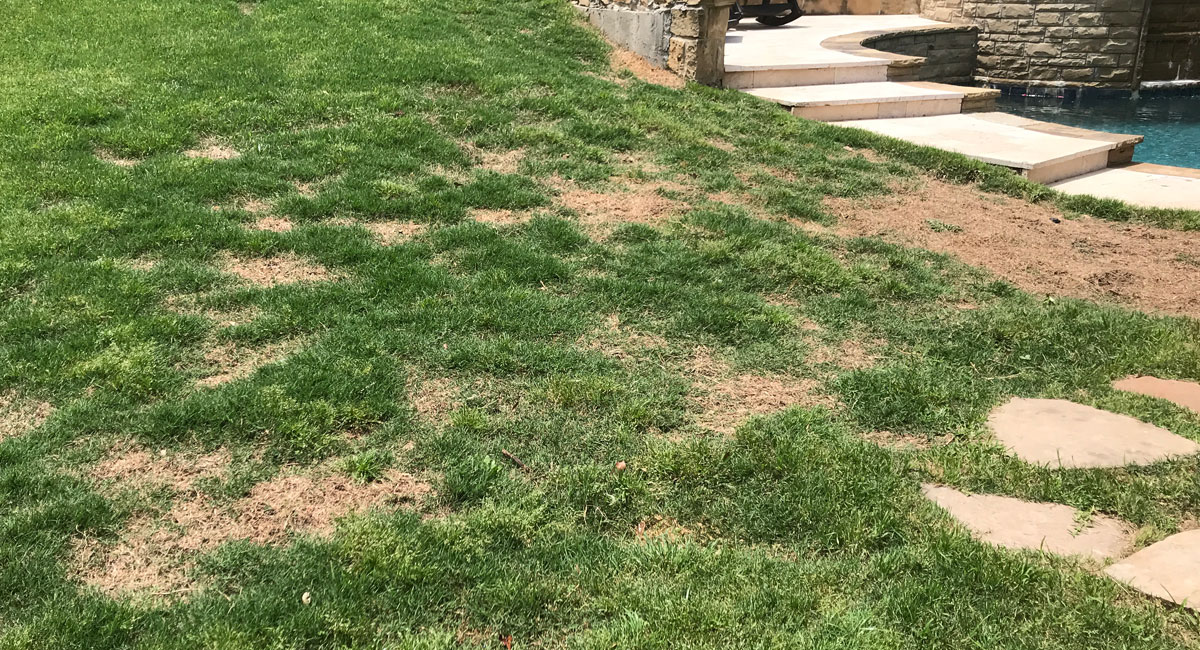
Image Source: sgtpoopers.com
Why Dog Urine Harms Your Lawn
Fido’s bodily fluids, while natural, contain compounds that are detrimental to your grass. The primary culprits are nitrogen and salts. While nitrogen is a vital nutrient for plant growth in controlled amounts, concentrated dog urine delivers an overdose. This excess nitrogen essentially “burns” the grass, similar to how too much fertilizer can kill dog urine grass.
Here’s a breakdown of what’s in dog urine that causes damage:
- Nitrogen: In high concentrations, this nutrient leads to rapid top growth, followed by a breakdown of the grass’s root system.
- Salts: These can dehydrate the grass, further contributing to the “burning” effect.
- Uric Acid: This compound breaks down into ammonia, which can also be toxic to grass in large quantities.
Immediate Steps to Address Dog Urine Spots
When you discover a fresh dog urine lawn patch, acting quickly can minimize the damage.
Watering Down the Area
The most immediate and effective action is to dilute the urine.
- How to do it: As soon as you notice your dog urinating on the lawn, or shortly after, thoroughly water the area.
- Why it works: This dilutes the concentration of nitrogen and salts, reducing the likelihood of a burn. Aim for about 5-10 minutes of watering with a hose.
Rinsing Existing Spots
Even if you missed the initial “event,” rinsing established spots can help.
- How to do it: Use a watering can or hose to gently rinse the affected areas.
- Why it works: This can wash away some of the concentrated urine salts and nitrogen that are still present in the soil.
Repairing Existing Lawn Damage
Once the damage is done, you’ll need a more structured approach to repair dog urine burn. This often involves removing the dead grass and encouraging new growth.
Step 1: Remove the Dead Grass
The brown, dead grass needs to be cleared out to allow for new growth.
- Tools: You’ll need a rake or a stiff brush. For larger areas, a dethatcher or scarifier can be helpful.
- Method: Gently rake or brush the dead grass away. You want to expose the soil underneath without causing further damage to surrounding healthy grass. If the area is completely dead and the soil is hard, you might need to aerate the soil first.
Step 2: Amend the Soil
Dog urine can alter the soil’s pH and nutrient balance. Correcting this is crucial for new grass to thrive.
- Neutralizing Urine: To neutralize dog urine in soil, you can use a few methods.
- Baking Soda: Mix a tablespoon of baking soda with a gallon of water and pour it over the affected area. This helps to neutralize acidity.
- Gypsum: A natural soil amendment, gypsum can help to improve soil structure and counteract the effects of salts. Apply a thin layer and water it in.
- Commercial Soil Conditioners: Several products are specifically designed to neutralize dog urine in soil. Look for those containing beneficial microbes or compounds that break down urea.
- Adding Nutrients: Once neutralized, the soil will benefit from added nutrients.
- Compost: Mixing in a layer of compost will enrich the soil with organic matter and beneficial microbes, helping to restore grass from dog urine.
- Topsoil: If the damage is deep, adding a layer of good quality topsoil can provide a better base for new grass.
Step 3: Reseed or Patch the Area
With the dead grass removed and the soil prepared, it’s time to reintroduce grass.
- Choosing the Right Seed: Select a grass seed mix that is compatible with your existing lawn type. Consider a blend that is known for its hardiness and ability to recover from stress. Some varieties are more dog urine resistant grass.
- Seeding Technique:
- Sprinkle the seeds evenly over the prepared soil.
- Gently rake the seeds into the soil to ensure good contact. A depth of about 1/8 to 1/4 inch is ideal.
- Cover the seeded area with a thin layer of straw or a specialized seed-starting mulch. This helps retain moisture and protect the seeds.
- Patching: For very small spots, you can use pre-made grass patches or sod. Cut a piece of sod to fit the damaged area and press it firmly into the soil.
Step 4: Watering and Fertilizing
Consistent watering is key to successful re-seeding.
- Watering: Keep the newly seeded or patched area consistently moist, but not waterlogged. Light watering multiple times a day is often better than one deep watering.
- Fertilizing: Once the new grass is about an inch tall, you can begin a lawn treatment dog urine involves applying a starter fertilizer. This will provide the necessary nutrients for strong root development. Look for a fertilizer with a higher phosphorus content, which is crucial for root growth. A balanced fertilize dog urine lawn approach is best, avoiding over-fertilization which can cause new damage.
Long-Term Strategies to Prevent Dog Urine Damage
Prevention is often the best cure when it comes to dog pee lawn damage. Implementing a few strategies can significantly reduce the occurrence of dog urine lawn spots.
Encouraging Hydration
A well-hydrated dog is often a dog with less concentrated urine.
- Provide Plenty of Fresh Water: Always ensure your dog has access to clean, fresh water.
- Add Water to Food: If your dog eats dry kibble, consider adding a little water to it to increase their fluid intake.
Diet Considerations
What your dog eats can influence the composition of their urine.
- High-Quality Food: A balanced, high-quality dog food can lead to healthier urine.
- Digestive Enzymes/Supplements: Some owners report success with supplements designed to alter urine composition, though scientific evidence is mixed. Consult your veterinarian before making any dietary changes.
Training Your Dog
Redirecting your dog’s bathroom habits can save your lawn.
- Designated Potty Areas: Train your dog to use a specific area of the yard, such as a patch of gravel, mulch, or a designated dog run.
- Positive Reinforcement: Reward your dog with praise and treats when they use the designated area.
- Leash Training: Initially, take your dog out on a leash to guide them to the correct spot.
- Supervision: Supervise your dog when they are in the yard, especially during the training phase, to intervene if they start to urinate on the lawn.
Mowing and Watering Practices
Your general lawn care can also play a role.
- Mowing Height: Keep your grass slightly longer. Taller grass blades can better withstand the effects of urine and recover more quickly. Aim for a mowing height of 3-4 inches.
- Regular Watering: A healthy, well-watered lawn is more resilient. Deep, infrequent watering encourages deeper root growth, making the grass stronger overall.
Choosing Dog Urine Resistant Grass Varieties
Some grass types are naturally more tolerant of dog urine than others. While no grass is completely immune, certain varieties can minimize the damage.
Types of Grass to Consider
- Perennial Ryegrass: Known for its quick germination and establishment, it also has a decent tolerance for dog urine compared to some other grasses.
- Tall Fescue: This grass has deep roots and a more robust nature, allowing it to withstand some urine stress.
- Bermuda Grass: While a warm-season grass, Bermuda is tough and can recover relatively well from urine damage.
Grasses to Avoid (or manage carefully)
- Kentucky Bluegrass: While beautiful, this grass is more susceptible to urine burn and may struggle to recover.
- Fine Fescues: These can be less tolerant of the salts and nitrogen in dog urine.
Table 1: Grass Tolerance to Dog Urine
| Grass Type | Tolerance Level | Notes |
|---|---|---|
| Perennial Ryegrass | Moderate | Quick to establish, good recovery. |
| Tall Fescue | Moderate | Deep roots offer some resilience. |
| Bermuda Grass | Moderate | Tough, warm-season grass with good recovery. |
| Kentucky Bluegrass | Low | Susceptible to burn, slower recovery. |
| Fine Fescues | Low to Moderate | Can vary, but generally less resistant. |
Products and Treatments for Dog Urine Lawn Spots
Beyond basic repairs, there are various products designed to help manage or mitigate dog urine lawn damage.
Soil Conditioners and Neutralizers
These products aim to alter the soil’s chemistry to reduce urine’s impact.
- Purpose: They work by breaking down the harmful components of urine or by improving soil structure to better absorb them.
- Application: Typically applied to the soil surface and watered in. Follow product instructions carefully.
Lawn Treatments for Dog Urine
Specific lawn treatment dog urine applications can help restore damaged areas.
- Enzymatic Cleaners: These contain enzymes that break down organic matter, including urea and ammonia, in the soil.
- Nutrient Boosters: Some products focus on replenishing depleted nutrients in the soil after urine damage.
Dog Urine Repellents
These are designed to deter dogs from urinating in certain areas.
- Effectiveness: Their success can vary depending on the dog. Consistent reapplication is usually necessary.
Advanced Repair Techniques
For severe or widespread damage, more intensive methods might be required.
Aeration
If the soil has become compacted due to urine saturation and repeated traffic, aeration can help.
- How it works: Aeration involves creating small holes in the soil, which improves air, water, and nutrient penetration.
- When to do it: Best performed in spring or fall when grass is actively growing.
Overseeding
This is the process of sowing new grass seed over an existing lawn.
- Benefits: It helps to fill in thin or bare patches and can introduce more resilient grass varieties.
- Process: After aerating and dethatching (if needed), overseed the entire lawn or specific damaged areas.
Frequently Asked Questions (FAQ)
Can I use vinegar to fix dog urine spots?
While vinegar is acidic and can help neutralize alkalinity, it’s not the ideal solution for repairing dog urine burn. Too much vinegar can harm your grass. Diluted applications might offer minimal benefit, but specialized soil conditioners are generally more effective.
How long does it take for grass to grow back from dog urine damage?
With proper care, including removing dead grass, preparing the soil, and reseeding, you can expect to see new growth within 7-14 days. The lawn will typically look fully restored within 3-4 weeks.
Is there such a thing as dog urine resistant grass?
Yes, some grass varieties are more tolerant of dog urine than others, as discussed in the “Choosing Dog Urine Resistant Grass Varieties” section. Perennial Ryegrass and Tall Fescue are often cited as being more resilient.
How do I fertilize a lawn damaged by dog urine?
After addressing the immediate damage and preparing the soil, use a starter fertilizer to fertilize dog urine lawn. This provides essential nutrients for new grass growth. Avoid over-fertilizing, as this can cause further damage.
What is the best way to neutralize dog urine in soil?
Using a baking soda and water solution, applying gypsum, or using commercially available soil conditioners are effective ways to neutralize dog urine in soil. These methods help to counteract the high nitrogen and salt content.
How do I restore grass from dog urine spots?
To restore grass from dog urine spots, remove the dead grass, amend the soil with a neutralizer and organic matter, reseed or patch the area, and provide consistent watering and appropriate fertilization.
What are effective lawn treatment dog urine methods?
Effective lawn treatment dog urine involves a combination of rinsing fresh spots, removing dead grass, amending the soil with neutralizers, reseeding, and proper watering and fertilization.
My dog keeps making dog urine lawn spots. What can I do?
To prevent recurring dog urine lawn spots, train your dog to use a designated potty area, ensure they are well-hydrated, consider their diet, and consider planting more dog urine resistant grass varieties.
How do I repair dog urine burn on my lawn?
To repair dog urine burn, you need to remove the dead grass, treat the soil to neutralize the urine’s effects, and then reseed or patch the affected area. Consistent watering and feeding are crucial for regrowth.
By following these steps and implementing preventative measures, you can effectively repair dog urine burn and maintain a beautiful, healthy lawn even with a beloved canine companion.