
How To Rid Ants In Lawn Naturally: Safe & Effective DIY Solutions
Can you get rid of ants in your lawn naturally? Yes, you absolutely can! This guide will show you how to tackle ants in your yard using safe and effective DIY methods that are kind to the environment and your family.
Dealing with ants in your lawn can be a real nuisance. They can build unsightly mounds, disrupt your grass, and even venture into your home. While chemical pesticides are an option, many people prefer natural, DIY solutions to avoid harming beneficial insects, pets, and the environment. This in-depth guide explores how to rid ants in your lawn naturally, covering everything from identifying common lawn ants to implementing effective ant control lawn strategies and long-term prevention.
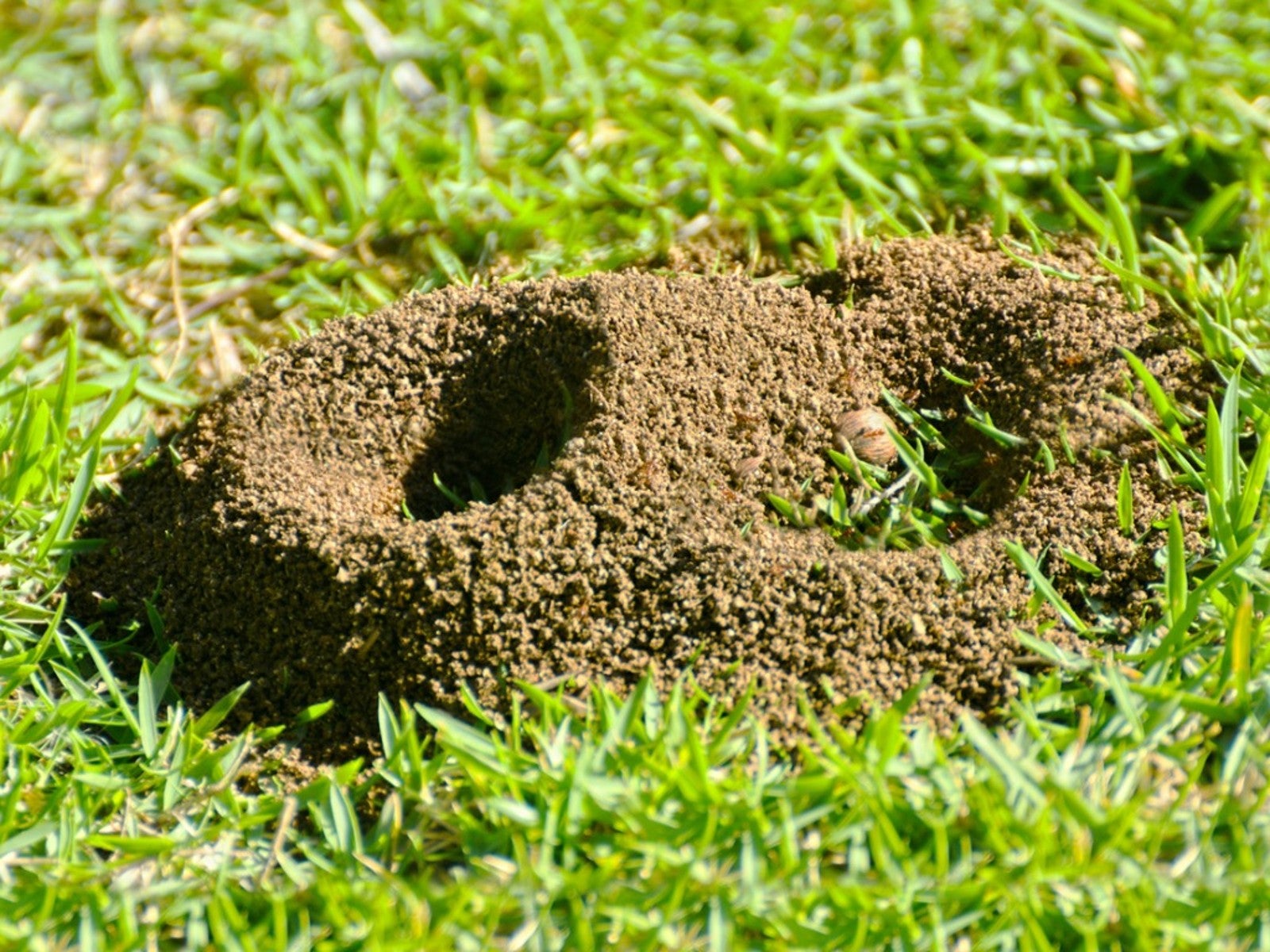
Image Source: cdn.mos.cms.futurecdn.net
Why Natural Ant Control for Your Lawn?
Opting for natural methods for your lawn’s ant problem isn’t just about avoiding harsh chemicals. It’s about fostering a healthier ecosystem in your backyard.
- Safety: Natural remedies are generally safer for children, pets, and wildlife. You can tackle ant control lawn issues without worrying about toxic residues.
- Environmental Friendliness: Many chemical ant killers can harm beneficial insects like bees and ladybugs, as well as pollute water sources. Natural alternatives are much gentler on the planet.
- Cost-Effectiveness: Many of the best ant killer for lawns, DIY solutions utilize common household ingredients, making them budget-friendly.
- Sustainability: By focusing on natural ant killer lawn methods, you’re contributing to a more sustainable approach to pest management.
Identifying Common Lawn Ants
Before you can effectively treat your lawn, it’s helpful to know what kind of ants you’re dealing with. The approach might vary slightly depending on the species.
Common Lawn Ants You Might Encounter:
- Odorous House Ants: These ants are often found in sunny areas of lawns. They get their name from the unpleasant smell they emit when crushed, often described as rotten coconuts or rancid butter. They build small nests, often under rocks or debris.
- Carpenter Ants: While primarily known for nesting in wood, larger carpenter ants may forage for food in your lawn and can sometimes nest in damp soil. Their presence can indicate a larger issue with wooden structures near your yard.
- Fire Ants: If you live in certain regions, you might be dealing with fire ants. These aggressive ants build distinctive mounds and deliver painful stings. Their control often requires more targeted approaches, though natural methods can still be effective.
- Pavement Ants: These small, dark brown to black ants are often found nesting in cracks in sidewalks and driveways, but they frequently forage in lawns for food.
Knowing your ant enemy is the first step in your DIY ant removal lawn strategy.
Natural Ant Killer Lawn: DIY Solutions for Immediate Relief
These methods focus on directly eliminating or repelling ants you see on the surface or around their mounds.
1. Boiling Water: A Direct Approach
This is one of the simplest and most immediate ways to deal with visible ant mounds.
- How it works: The extreme heat of boiling water kills ants and their eggs on contact.
- How to use:
- Boil a large pot of water.
- Carefully pour the boiling water directly into the center of the ant mound.
- Be cautious as the steam and water can cause burns. Avoid pouring on desirable plants or grass that can be damaged by extreme heat.
- Effectiveness: Can be very effective for small, isolated mounds. It might require repeat applications for larger colonies.
2. Vinegar Solution: The Acidic Barrier
Vinegar is a fantastic natural ant killer lawn option because its acidity disrupts ant trails and its scent repels them.
- How it works: The acetic acid in vinegar kills ants and masks their pheromone trails, making it difficult for them to navigate.
- How to use:
- Mix equal parts white vinegar and water in a spray bottle.
- Spray the solution directly onto ant trails, mounds, and any areas where you see ants congregating.
- Avoid spraying directly on plants, as vinegar can harm them.
- Effectiveness: Good for deterring ants and killing those on contact. Repeat applications are often needed.
3. Citrus Peels: Natural Repellents
Many ants dislike the strong scent of citrus.
- How it works: The oils in citrus peels act as a natural repellent.
- How to use:
- Collect orange, lemon, or grapefruit peels.
- Place the peels around the base of plants or near ant trails and mounds.
- You can also blend the peels with a little water to create a spray.
- Effectiveness: Primarily a repellent, it can help deter ants from entering certain areas of your lawn.
4. Diatomaceous Earth (Food-Grade): A Natural Desiccant
Diatomaceous earth (DE) is a naturally occurring sedimentary rock that is ground into a fine powder. Food-grade DE is safe for use around homes and gardens.
- How it works: DE has sharp edges that, under magnification, look like shards of glass. When ants walk through it, the powder abrases their exoskeletons, causing them to dehydrate and die.
- How to use:
- Sprinkle a thin layer of food-grade diatomaceous earth around ant mounds, along ant trails, and at the base of plants.
- Apply when the ground is dry. DE loses its effectiveness when wet.
- Effectiveness: Highly effective for killing ants. It’s a good option for long-term ant control lawn strategies. Be sure to use food-grade DE and avoid inhaling the dust.
5. Coffee Grounds: A Natural Deterrent
Used coffee grounds can also deter ants.
- How it works: The scent and texture of coffee grounds can disrupt ant trails and repel them.
- How to use:
- Sprinkle used coffee grounds around ant mounds and areas of infestation.
- Effectiveness: A mild deterrent, best used in conjunction with other methods.
Effective DIY Ant Bait: Targeting the Colony
For a persistent ant problem lawn, you need to target the source – the colony itself. DIY baits are designed to be carried back by worker ants to the queen and other colony members.
1. Borax and Sugar Bait: The Classic DIY Ant Killer Lawn Solution
Borax is a naturally occurring mineral that is toxic to ants when ingested. When combined with sugar, it becomes an attractive food source.
- How it works: Ants are attracted to the sugar, ingest the borax, and carry it back to the colony, inadvertently poisoning the queen and other ants.
- How to use:
- Mix 1 part borax with 3 parts powdered sugar.
- Add a small amount of water to create a paste or thick syrup.
- Place small amounts of this bait on pieces of cardboard or bottle caps near ant trails and mounds, but out of reach of pets and children.
- Alternatively, soak cotton balls in the borax-sugar syrup and place them in small containers with holes.
- Effectiveness: Very effective for targeting the entire colony. It requires patience as ants need time to carry the bait back. Important: Borax is toxic if ingested by pets or children, so placement is crucial.
2. Cornmeal Bait: A Natural Alternative
Cornmeal is sometimes suggested as a bait, though its effectiveness is debated.
- How it works: The theory is that ants eat the cornmeal and cannot digest it, leading to their demise.
- How to use:
- Sprinkle cornmeal liberally around ant mounds and trails.
- Effectiveness: Results can be inconsistent. It’s generally less effective than borax-based baits.
Advanced Natural Ant Treatment Grass Strategies
Beyond immediate relief, these methods focus on long-term ant control lawn management and prevention.
1. Corn Gluten Meal: A Natural Pre-emergent Herbicide and Ant Deterrent
Corn gluten meal is a byproduct of corn milling. It’s known for its pre-emergent herbicide properties, which can also deter ants.
- How it works: When used as a pre-emergent, it inhibits root development in germinating seeds. It also contains compounds that ants find unpalatable.
- How to use:
- Apply corn gluten meal to your lawn during the spring and fall, following product instructions for application rates.
- It works best when watered in and then allowed to dry.
- Effectiveness: Primarily a preventative measure. It can help reduce the overall ant population by making the lawn less attractive and by potentially disrupting their food sources (like grubs, which are also targeted by corn gluten meal).
2. Essential Oils: Natural Repellents
Certain essential oils have strong scents that ants dislike.
- How it works: Oils like peppermint, tea tree, cinnamon, and clove oil disrupt ant pheromone trails and act as repellents.
- How to use:
- Mix 10-20 drops of your chosen essential oil with 2 cups of water in a spray bottle.
- Add a teaspoon of mild liquid soap to help the oil and water emulsify.
- Spray directly onto ant mounds and trails.
- Reapply as needed, especially after rain.
- Effectiveness: Provides a good repellent effect and can kill ants on contact.
3. Neem Oil: A Powerful Organic Ant Control Lawn Agent
Neem oil is derived from the neem tree and is a potent natural insecticide and repellent.
- How it works: Neem oil contains azadirachtin, which acts as an insect growth regulator, disrupting insect molting and reproduction. It also has repellent properties.
- How to use:
- Dilute neem oil concentrate with water and a mild soap according to product instructions.
- Apply the mixture to ant mounds and affected areas of your lawn.
- It’s best to apply in the early morning or late evening when beneficial insects are less active.
- Effectiveness: Highly effective for controlling a wide range of pests, including ants. It’s a key component in organic ant control lawn practices.
4. Boiling Water and Dish Soap: A Double Whammy
Adding a little dish soap to boiling water can enhance its effectiveness.
- How it works: The soap breaks down the waxy outer layer of ants, causing them to dehydrate and die.
- How to use:
- Add 1-2 tablespoons of mild liquid dish soap to a gallon of boiling water.
- Pour the mixture directly into ant mounds.
- Effectiveness: More potent than plain boiling water for direct mound treatment.
Prevention: How to Prevent Ants in Lawn From Returning
Once you’ve tackled an active infestation, preventing future problems is key to long-term ant control lawn success.
1. Maintain a Healthy Lawn: The First Line of Defense
A strong, healthy lawn is less susceptible to pest infestations.
- Proper Mowing: Mow at the correct height for your grass type. Taller grass shades the soil, keeping it cooler and moister, which is less inviting to some ant species.
- Adequate Watering: Water deeply and less frequently to encourage strong root growth. Avoid overwatering, which can create damp conditions that attract ants.
- Fertilization: Use a balanced fertilizer to keep your grass healthy and resilient.
- Thatch Management: Remove excess thatch (dead grass) as it can provide shelter for ants.
2. Eliminate Food and Water Sources
Ants are drawn to your lawn for food and water. Removing these attractants is crucial for prevention.
- Clean Up Spills: Promptly clean up any food or drink spills in your yard.
- Pet Food: Don’t leave pet food or water bowls outside for extended periods.
- Trash Management: Ensure trash cans are sealed tightly and emptied regularly.
- Water Leaks: Fix any leaky outdoor faucets or irrigation systems that create consistent moisture.
3. Natural Barriers and Repellents
Creating physical or scent barriers can deter ants from entering your lawn.
- Vinegar Spray: Regularly spray a diluted vinegar solution around the perimeter of your lawn or areas where ants are frequently seen.
- Essential Oils: Place cotton balls soaked in peppermint or tea tree oil in strategic locations.
- Diatomaceous Earth: Maintain a light dusting of food-grade DE around the edges of your lawn or near entry points to your home.
4. Address Other Pests
Sometimes, ants are attracted to other insects in your lawn, such as aphids or mealybugs, which they “farm” for their sweet honeydew.
- Aphid Control: Use natural methods like insecticidal soap or neem oil to control aphid populations.
Troubleshooting a Persistent Ant Problem Lawn
If you’re struggling with a persistent ant problem lawn, it might be time to reassess your strategy.
- Identify the Colony: Try to find the main ant nest. This often involves observing ant activity for a day to see where they are coming from and going to.
- Combine Methods: Don’t rely on just one method. Combine baiting with repellent sprays for a multi-pronged attack.
- Patience is Key: Natural ant control lawn methods often take longer than chemical treatments because they work with nature, not against it. Be patient and consistent.
- Consider Professional Help (Natural Options): If your efforts are not yielding results, you might consider consulting a pest control professional who specializes in eco-friendly or organic pest management. They can help identify specific species and recommend targeted, natural treatments.
Best Ant Killer for Lawns: A Natural Comparison
| Method | Primary Action | Target | Effectiveness | Notes |
|---|---|---|---|---|
| Boiling Water | Direct Kill | Mounds | High (short-term) | Can harm plants, needs repetition. |
| Vinegar Solution | Repellent, Direct Kill | Trails, Mounds | Medium | Repeat applications needed, avoid spraying plants. |
| Diatomaceous Earth (Food-Grade) | Dehydration | All ants | High | Must be kept dry, apply thin layers. |
| Borax & Sugar Bait | Colony Elimination | Queen, Colony | Very High | Requires patience, keep away from pets/children. |
| Essential Oils | Repellent, Direct Kill | Trails, Mounds | Medium | Pleasant scent for humans, needs frequent reapplication. |
| Neem Oil | Growth Regulator, Repellent | All ants, Eggs | Very High | Organic, effective, follow dilution instructions carefully. |
| Corn Gluten Meal | Deterrent, Pre-emergent | General Lawn | Medium | Primarily preventative, also fertilizes. |
Frequently Asked Questions About Natural Ant Control Lawn
Q1: How quickly do natural ant killers work?
A1: Natural ant killers work at varying speeds. Direct contact methods like boiling water or vinegar solutions show immediate results on visible ants. Baits, however, need time for ants to transport them back to the colony, which can take several days to a couple of weeks to see a significant reduction in ant activity. Repellents work to keep ants away as long as the scent lasts.
Q2: Are natural ant treatments safe for my pets and children?
A2: Generally, yes. However, some natural ingredients, like borax, are toxic if ingested. It is crucial to use these baits in areas inaccessible to pets and children. Diatomaceous earth is safe when used as directed, but avoid inhaling the dust. Essential oils and vinegar are generally safe in diluted forms, but always monitor pets and children.
Q3: How often do I need to reapply natural ant treatments?
A3: The frequency of reapplication depends on the method and environmental conditions. Repellents like vinegar and essential oils may need to be reapplied every few days or after rain. Diatomaceous earth should be reapplied when it gets wet or disturbed. Baits typically remain effective for a longer period, but you may need to replenish them as they are consumed.
Q4: Can I use natural ant killer lawn methods on all types of grass?
A4: Most natural methods are safe for all types of grass. However, boiling water can damage grass roots and blades, so use it with caution. Vinegar can also be harmful to plants if applied too concentrated or directly on foliage. Always test any new treatment on a small, inconspicuous area of your lawn first.
Q5: What if I have fire ants in my lawn? Are natural methods effective?
A5: Fire ants can be challenging to control. While natural methods like boiling water poured directly into mounds, or borax-based baits can be effective, they may require persistent and repeated applications. For severe fire ant infestations, consider combining several natural strategies or consulting a professional who uses organic pest control methods.
By employing these safe and effective DIY solutions, you can successfully rid your lawn of ants and maintain a healthy, beautiful yard without resorting to harsh chemicals. Remember that consistency and observation are your greatest allies in the battle against these persistent backyard visitors.