
Can you get rid of clover in your lawn? Yes, you absolutely can! This guide will show you how to tackle clover, whether you want to eliminate it entirely or reduce its presence.
Clover, particularly the common white clover (Trifolium repens), is a frequent guest in many home lawns. While it offers some benefits, like fixing nitrogen and attracting pollinators, most homeowners prefer a uniformly green, weed-free turf. Dealing with clover in grass can be frustrating, but with the right approach, you can reclaim your lawn’s pristine appearance. This guide is your ultimate resource for effective clover removal and maintaining a healthy, beautiful lawn.
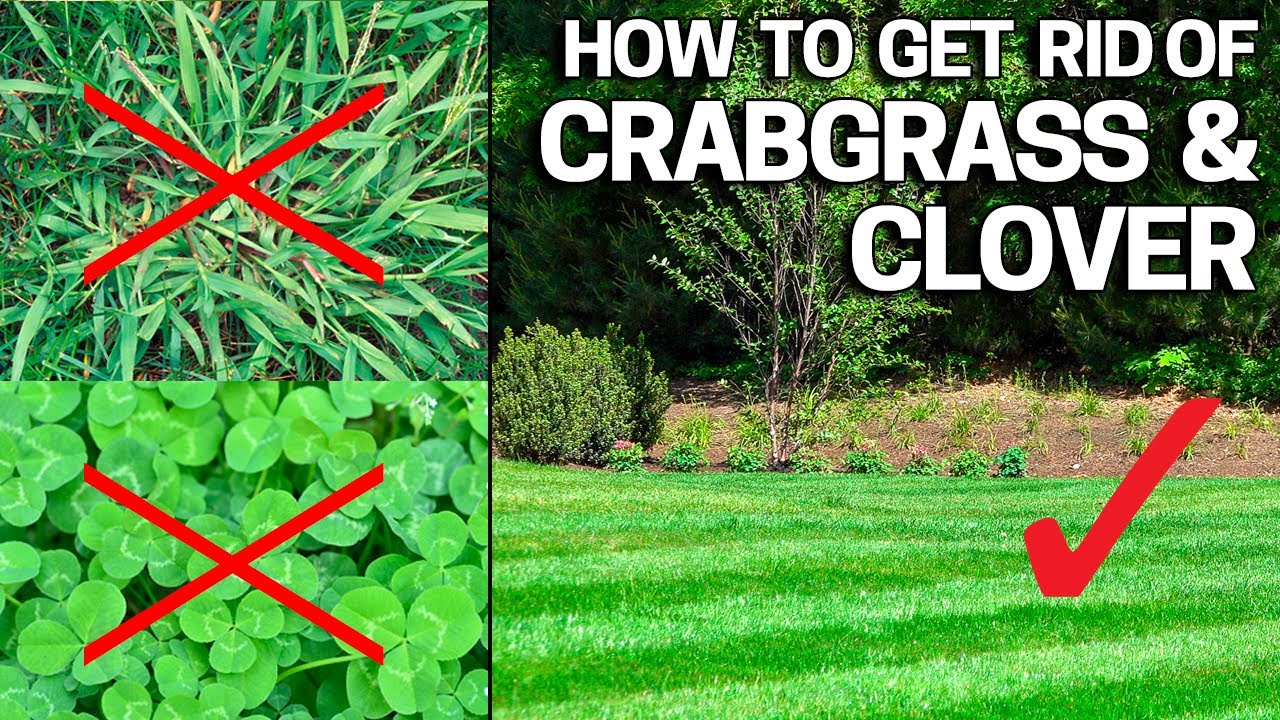
Image Source: i.ytimg.com
Why Clover Appears in Your Lawn
Before we delve into the methods for clover removal, it’s helpful to understand why it thrives. Clover is a tough little plant that loves certain conditions.
Favorable Conditions for Clover
- Poor Soil Fertility: Clover is a nitrogen-fixing plant. This means it can pull nitrogen from the air and convert it into a form that plants can use. When your soil is lacking in nitrogen, grass struggles, creating an opening for clover to take over. It essentially fills the void where grass is weak.
- Compacted Soil: Heavily compacted soil makes it hard for grass roots to grow deep and access nutrients and water. Clover has shallow roots and can tolerate these conditions much better than many types of lawn grass.
- Drought Conditions: While we aim for a healthy lawn, prolonged dry spells can stress grass, making it thin and vulnerable. Clover is generally more drought-tolerant than many turfgrass species.
- Mowing Too Short: Cutting your grass too low stresses the turf and exposes the soil surface, giving clover seeds a chance to germinate and establish themselves.
- Overwatering or Poor Drainage: While clover is drought-tolerant, it can also survive in areas with consistent moisture, especially if the soil drainage isn’t ideal.
Methods for Clover Removal
There are several effective ways to get rid of clover. Your choice will depend on your preference for chemical versus natural methods, the size of your lawn, and how quickly you want results.
Chemical Weed Control: The Targeted Approach
When it comes to effective clover in grass management, chemical treatments are often the quickest and most efficient. A good weed killer for clover can target the broadleaf nature of the plant without harming your lawn grass.
Selective Herbicides
Selective herbicides are designed to kill specific types of plants, usually broadleaf weeds like clover, while leaving your desirable turfgrass unharmed. This is the most common and effective chemical approach.
Types of Herbicides to Look For:
- Broadleaf Weed Killers: These are your go-to. Look for products containing active ingredients like:
- 2,4-D: A widely used herbicide that is effective against many broadleaf weeds, including clover.
- Mecoprop (MCPP): Often found in combination with 2,4-D, it targets clover and other broadleaf invaders.
- Dicamba: Another potent broadleaf herbicide, frequently combined with 2,4-D and MCPP for a broader spectrum of control.
- Triclopyr: Effective against tough broadleaf weeds and woody plants.
Application Tips for Weed Killers for Clover:
- Read the Label: This is crucial. Always follow the instructions on the product label precisely. This includes application rates, mixing instructions, and safety precautions.
- Timing is Key: Apply herbicides when clover is actively growing and before it sets seed. This is typically in the spring or fall when temperatures are mild (between 60°F and 85°F). Avoid applying during extreme heat, drought, or when rain is expected within 24 hours.
- Ensure Good Coverage: Spray evenly over the affected areas. You want to coat the clover leaves thoroughly.
- Repeat Applications: For stubborn infestations, a second application may be necessary after a few weeks. Check the product label for recommended intervals.
- Spot Treatment: If clover is scattered, spot treating individual patches is more efficient and uses less product.
Combination Weed Control
Sometimes, you might be dealing with more than just clover. If you also have issues with dandelions, look for products that offer dandelion and clover control. These multi-ingredient herbicides can tackle a wider range of common lawn weeds.
Natural Clover Control: Eco-Friendly Solutions
For those who prefer a more organic approach to lawn care clover, several natural methods can help you eliminate clover or significantly reduce its presence. These methods often require more patience and persistence.
Cultural Practices: Building a Stronger Lawn
A healthy, dense lawn is the best defense against weeds, including clover. Focusing on these practices will help your grass outcompete clover over time.
-
Proper Mowing:
- Mow Higher: Set your mower to a higher setting. For most cool-season grasses, this means 3-4 inches. Taller grass shades the soil, preventing weed seeds from germinating and encourages deeper root growth, making your turf more resilient.
- Don’t Remove Too Much: Never cut off more than one-third of the grass blade at a time.
- Keep Blades Sharp: Dull mower blades tear grass, making it susceptible to disease and stress.
-
Proper Watering:
- Water Deeply and Infrequently: Encourage deep root growth by watering thoroughly when the lawn needs it, rather than shallow watering every day. This helps your grass withstand dry periods better than clover.
- Avoid Overwatering: Soggy soil can create favorable conditions for some weeds.
-
Fertilization:
- Feed Your Grass: A well-fed lawn is a strong lawn. Use a balanced fertilizer appropriate for your grass type and the season. This helps your grass grow thick and crowd out weeds.
- Nitrogen Boost: Since clover thrives on nitrogen, ensuring your grass has adequate nitrogen is key to a natural clover control strategy.
-
Aeration and Dethatching:
- Aeration: This process removes small plugs of soil, relieving compaction and allowing air, water, and nutrients to reach the grass roots.
- Dethatching: A thick layer of thatch (dead grass and organic matter) can suffocate grass and create a welcoming environment for weeds. Dethatching removes this layer.
Manual Removal
For small infestations or if you want to eliminate clover without any chemicals, manual removal is an option.
-
Hand-Pulling:
- Best Time: Pull clover when the soil is moist, as this makes it easier to remove the entire plant, including its roots.
- Use Tools: A weeding tool or a small trowel can help loosen the soil around the roots and ensure complete extraction.
- Be Thorough: Make sure you get the entire root system. If roots are left behind, the clover can regrow.
-
Digging Out Patches:
- For larger patches, you might need to dig out the clover and the surrounding soil.
- Replace the Soil: Fill the void with good quality topsoil and reseed with your desired grass type.
Organic Treatments
There are also organic sprays and methods that can help with white clover removal.
-
Vinegar-Based Sprays:
- How they Work: Household vinegar (acetic acid) can act as a contact herbicide, burning the leaves of the clover.
- Application: Mix horticultural vinegar (which has a higher acidity) or even standard white vinegar with a few drops of dish soap (to help it stick) and spray directly onto the clover.
- Caution: Vinegar is a non-selective herbicide, meaning it will kill any plant it touches, including your grass. Use this method for spot treatment only and be very careful to avoid spraying desirable grass. It may require repeat applications.
-
Corn Gluten Meal:
- Pre-Emergent: Corn gluten meal acts as a pre-emergent herbicide, meaning it can prevent weed seeds from germinating.
- Timing: Apply it in early spring before clover seeds (or other weed seeds) begin to sprout.
- Benefits: It also acts as a natural fertilizer, adding nitrogen to the soil, which benefits your grass.
- Limitations: It’s not effective on clover that has already established.
Specialized Treatments for Specific Weeds
Some lawn care challenges require specific solutions.
Dandelion and Clover Control
If your lawn is plagued by both dandelions and clover, you’ll want a treatment that addresses both. Many selective broadleaf herbicides are formulated to handle these common lawn invaders simultaneously. Look for products specifically mentioning both dandelion and clover on the label. Applying these in the fall can be particularly effective as many weeds are storing energy in their roots, making them more susceptible to herbicide action.
Re-seeding and Lawn Repair After Clover Removal
Once you’ve successfully removed clover, you’ll likely have some bare patches in your lawn. Repairing these areas is crucial to prevent new weeds from taking hold.
Preparing the Area
- Clean Up Debris: Remove any dead clover or debris from the treated area.
- Loosen the Soil: Use a rake to lightly loosen the soil in the bare patch. This creates a good seedbed for new grass.
- Add Topsoil: If the patch is deep, add a layer of quality topsoil to level it with the surrounding lawn.
Seeding
- Choose the Right Seed: Select a grass seed mix that matches your existing lawn or is suitable for your climate and soil conditions.
- Spread the Seed: Scatter the grass seed evenly over the prepared area. Follow the recommended seeding rate on the product.
- Rake In: Lightly rake the seeds into the soil so they are about 1/4 inch deep.
- Water: Keep the seeded area consistently moist until the new grass is established. Water lightly but frequently.
Mulching (Optional)
For larger bare areas, you can apply a thin layer of straw or a specialized seed mulch over the newly seeded patch. This helps retain moisture and protect the seeds from birds and wind.
Preventing Clover from Returning
The best way to manage clover is to prevent it from becoming a problem in the first place. Consistent, good lawn care clover practices are your best defense.
Maintain a Healthy, Dense Lawn
- Right Grass Type: Ensure you have a turfgrass species well-suited to your climate and soil.
- Proper Fertilization Schedule: Follow a seasonal fertilization plan to keep your grass healthy and vigorous.
- Correct Watering Habits: Deep, infrequent watering promotes strong root systems.
- Optimal Mowing Height: Mowing at the recommended height for your grass type is essential.
Soil Health Management
- Soil Testing: Periodically test your soil to check nutrient levels and pH. Amend as needed based on the results.
- Aeration: Aerate your lawn annually or bi-annually to prevent soil compaction.
Monitor and Address Early Signs
- Be Vigilant: Regularly inspect your lawn for any signs of clover or other weeds.
- Early Intervention: Catching weeds when they are small and few makes them much easier to eliminate clover or any other unwanted plant. A quick spot treatment or hand-pull can save you a lot of work later.
Frequently Asked Questions About Clover Removal
Q1: How long does it take to get rid of clover?
A1: The time it takes depends on the method used and the severity of the infestation. Chemical treatments can show results within a few days to a couple of weeks. Natural methods and cultural practices take longer, often requiring a full growing season or more to see significant reduction.
Q2: Can I use household bleach to kill clover?
A2: While bleach can kill plants, it is not recommended for lawn care. Bleach is a harsh chemical that can severely damage or kill your lawn grass, harm soil microbes, and contaminate groundwater. It is non-selective and will not differentiate between clover and your desirable turf.
Q3: Is clover bad for my lawn?
A3: Clover itself isn’t inherently “bad” for a lawn. It can add nitrogen, which is beneficial for grass growth. However, it is often considered an undesirable weed because it can overtake the grass, creating a patchy appearance and potentially weakening the turf if it becomes too dominant.
Q4: When is the best time to treat clover?
A4: The best time to treat clover with herbicides is when it is actively growing. This is typically in the spring or fall when temperatures are mild (60-85°F). Applying in the fall is often particularly effective as the clover is preparing for winter and drawing nutrients into its roots.
Q5: Will clover come back after I kill it?
A5: Clover can return if the conditions that favored its growth are still present. This is why a comprehensive approach involving proper lawn care, soil health, and potentially repeated treatments is important for long-term clover removal. Addressing underlying issues like poor soil fertility or compaction will help prevent its return.
By following this comprehensive guide, you can effectively tackle clover in your lawn and cultivate a healthier, more attractive turf. Remember that consistency and a focus on overall lawn health are key to maintaining a beautiful yard free from unwanted guests.