
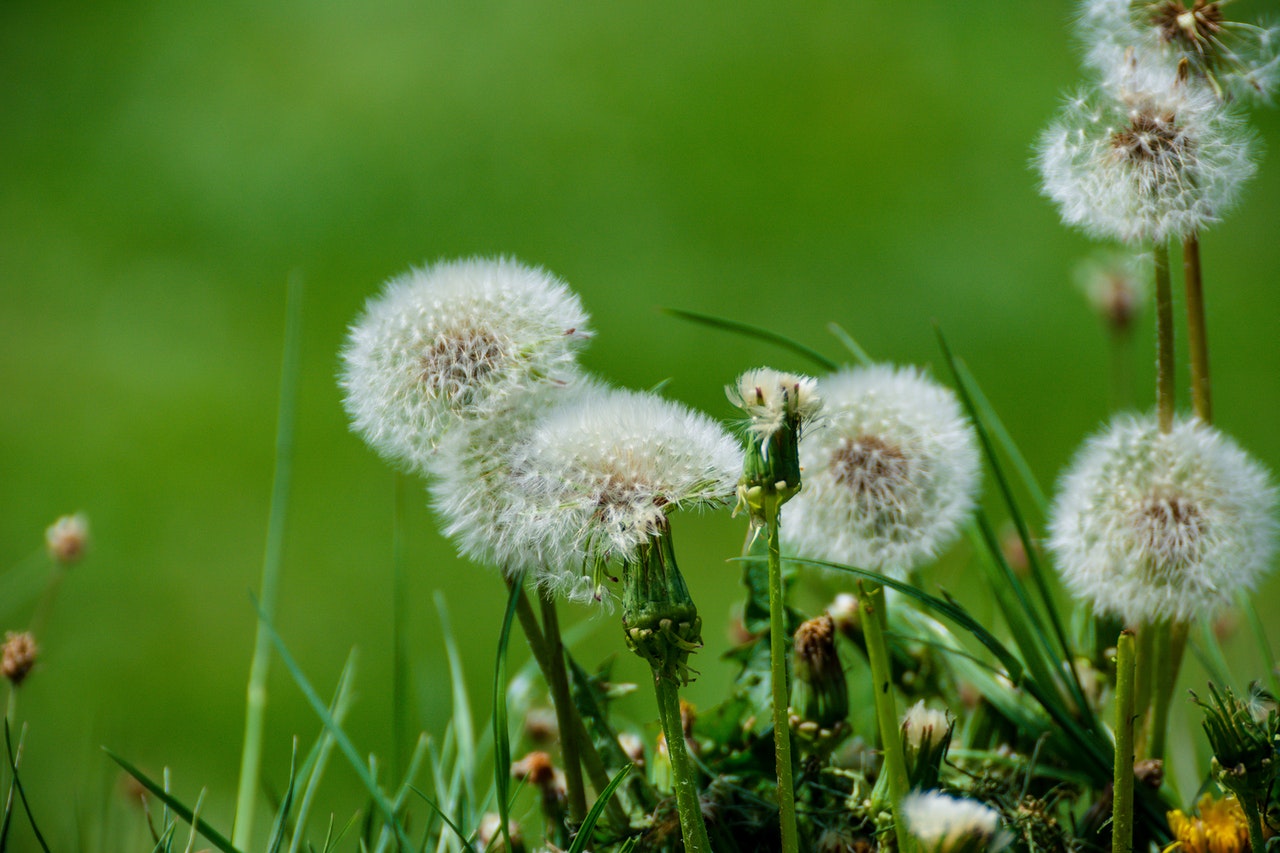
Image Source: organiclawnsbylunseth.com
How to Rid Dandelions From Your Lawn Naturally and Effectively
Can you get rid of dandelions from your lawn naturally? Yes, you can effectively rid dandelions from your lawn using natural methods. This guide provides comprehensive information on natural dandelion removal and other organic lawn care practices to achieve a healthy, weed-free lawn. We’ll explore various weed control methods, lawn maintenance tips, and effective dandelion eradication strategies, all without relying on harsh chemicals. You’ll learn about chemical-free weed killers, the benefits of hand pulling dandelions, and crucial dandelion prevention techniques. Discover the best lawn weed killer options that align with organic principles and how to improve your overall lawn health and appearance.
Why Dandelions Take Over Your Lawn
Dandelions, scientifically known as Taraxacum officinale, are tenacious weeds that can quickly invade a healthy lawn. They thrive in compacted soil, areas with thin grass, and lawns that are cut too short. Their deep taproots allow them to withstand drought and access nutrients deep within the soil. These bright yellow flowers produce fluffy seed heads, each carrying hundreds of seeds that can travel far and wide on the wind, ensuring their proliferation.
The Dandelion Lifecycle: A Persistent Problem
To effectively combat dandelions, it’s helpful to understand their lifecycle.
- Spring Growth: Dandelions emerge in early spring as the soil warms. They are among the first plants to appear.
- Flowering: The iconic yellow flowers bloom shortly after new leaves emerge.
- Seed Dispersal: After flowering, the plant develops a white, puffy seed head. Each seed head contains an average of 100 to 200 seeds, and a single plant can produce thousands of seeds throughout the growing season. These seeds are easily carried by wind, water, and even on shoes and animal fur.
- Root System: The most challenging aspect of dandelion eradication is their extensive taproot. This root can grow up to 10 inches deep, anchoring the plant firmly and allowing it to store energy for regrowth. If even a small portion of the taproot remains in the soil, the dandelion can regrow.
- Perennial Nature: Dandelions are perennial plants, meaning they live for several years. They can survive harsh winters by drawing energy back into their root system.
Natural Dandelion Removal: Your Eco-Friendly Arsenal
When aiming for organic lawn care, natural dandelion removal is key. These methods focus on disrupting the dandelion’s life cycle and promoting a healthy turf that can outcompete weeds.
The Power of Hand Pulling Dandelions
Hand pulling is one of the most direct and satisfying methods of natural dandelion removal. It’s most effective when the soil is moist, making it easier to extract the entire taproot.
- Timing is Crucial: Pull dandelions when they are young and before they go to seed. This prevents further spread.
- Tools for Success: While you can pull by hand, a specialized dandelion weeder or a soil knife can be very helpful. These tools are designed to reach deep into the soil and grasp the taproot.
- Technique Matters:
- Insert the tool next to the dandelion’s taproot.
- Gently loosen the soil around the root.
- Wiggle the tool and pull upwards, trying to extract the entire root.
- Inspect the root after pulling to ensure no significant portion remains.
- Disposal: Dispose of pulled dandelions properly in a compost bin or trash can. Do not leave them on the lawn, as they can sometimes reroot or go to seed.
Pros of Hand Pulling:
* Completely natural and chemical-free.
* Targeted removal, protecting desirable grass.
* Immediate visual results.
* A good form of exercise!
Cons of Hand Pulling:
* Labor-intensive, especially for large infestations.
* Can be difficult to remove the entire taproot, leading to regrowth.
* Less effective in very dry or compacted soil.
Natural Weed Control Methods: Beyond the Pull
Beyond hand pulling, several other natural weed control methods can significantly reduce dandelion populations.
- Vinegar Solutions (Horticultural Strength): While household vinegar (5% acetic acid) can damage grass, horticultural vinegar (10-20% acetic acid) can be effective as a contact killer for dandelions.
- Application: Apply directly to the dandelion leaves on a sunny, calm day. The acetic acid burns the plant tissue.
- Caution: Vinegar is non-selective. It will damage any plant it touches, including your lawn grass. Use with extreme care. Repeat applications may be necessary.
- Boiling Water: Pouring boiling water directly onto dandelions can kill them.
- Application: Be precise and pour only on the weed itself.
- Caution: Like vinegar, boiling water is non-selective and will kill grass. Best used for dandelions in cracks in pavement or along pathways.
- Corn Gluten Meal: This is a pre-emergent weed suppressor. It inhibits root formation in germinating seeds, including dandelion seeds.
- Application: Apply in early spring, before dandelion seeds have a chance to germinate. It works best when watered in and then allowed to dry.
- Benefit: It also acts as a slow-release nitrogen fertilizer for your lawn.
- Limitations: It does not kill existing dandelions; it only prevents new ones from growing.
Dandelion Prevention: Building a Strong Defense
The most effective strategy for long-term dandelion control is prevention. A healthy, dense lawn is your best defense against weeds.
- Mow High: Set your mower to a higher setting. Taller grass shades the soil, making it difficult for weed seeds to germinate and for existing weeds to establish. Aim for a grass height of 2.5 to 3.5 inches, depending on your grass type.
- Proper Watering: Water your lawn deeply and infrequently. This encourages deep root growth in your grass, making it more resilient. Shallow, frequent watering promotes shallow root systems, which are more susceptible to stress and invasion by weeds.
- Regular Fertilization: A well-fertilized lawn grows thicker and healthier, crowding out weeds. Use organic fertilizers that release nutrients slowly and improve soil health.
- Aeration: Compacted soil is a haven for weeds. Aerating your lawn relieves compaction, allowing air, water, and nutrients to reach grass roots, promoting thicker growth. Aerate in the fall or spring when the grass is actively growing.
- Overseeding: Overseeding a lawn, especially in the fall, helps to fill in thin patches with new grass. This reduces the open space available for weed seeds to germinate.
The Best Lawn Weed Killer: Organic and Effective Options
When looking for the best lawn weed killer, especially within an organic lawn care framework, the focus shifts from broad-spectrum chemicals to targeted, natural solutions.
Chemical-Free Weed Killers: Nature’s Approach
These options work by disrupting plant cells or interfering with growth processes without introducing synthetic chemicals.
- Essential Oil-Based Herbicides: Products containing oils like clove oil, cinnamon oil, or citrus oil can act as contact herbicides, burning the foliage of weeds. They are generally faster-acting than vinegar but still non-selective.
- Salt (Sodium Chloride): Salt can kill plants by dehydrating them and disrupting their cellular processes.
- Application: Dissolve salt in water and apply it to the weeds.
- Caution: Salt can sterilize soil and harm grass. Use it very sparingly and only on persistent weeds in areas where you don’t mind soil degradation, like driveway cracks.
- Fermented Weed Juices (Advanced DIY): Some gardeners create their own weed killers by fermenting weeds in water. The resulting liquid can be acidic and may have some herbicidal properties, though effectiveness varies.
Table: Comparing Natural Weed Control Methods
| Method | Effectiveness on Dandelions | Selectivity (Impact on Grass) | Ease of Use | Best For |
|---|---|---|---|---|
| Hand Pulling | High (if root removed) | Highly Selective | Moderate | Targeted removal, early infestations |
| Horticultural Vinegar | Moderate | Non-Selective | Easy | Spot treatment on sunny days |
| Boiling Water | Moderate | Non-Selective | Easy | Cracks, pathways, small patches |
| Corn Gluten Meal | Prevents germination | Selective (pre-emergent) | Moderate | Early spring application to prevent new weeds |
| Essential Oils | Moderate | Non-Selective | Easy | Spot treatment |
| Salt | High | Non-Selective (soil damage) | Easy | Non-lawn areas like pavement cracks |
Advanced Weed Control Methods for Dandelion Eradication
For more stubborn cases of dandelion eradication, consider combining methods or employing more advanced organic techniques.
Dandelion Eradication Strategies: A Multi-Pronged Attack
- Combined Approaches: Don’t rely on a single method. Hand pull, then follow up with a targeted application of horticultural vinegar on any regrowth. Apply corn gluten meal in the spring to prevent new seedlings.
- Soil Health Improvement: The ultimate goal is a robust lawn that naturally suppresses weeds. Focus on improving your soil’s structure and nutrient content through composting, aeration, and proper watering. Healthy soil supports healthy grass, which is the best defense against dandelions.
- Broadleaf Herbicides (Organic Options): While the focus is on “natural,” it’s worth noting that some commercially available organic herbicides are designed for broadleaf weeds. These often use naturally derived ingredients like iron HEDTA (iron-based) or fatty acids.
- Iron-Based Herbicides: These are effective at killing dandelions and other broadleaf weeds by causing them to absorb too much iron, which is toxic. They are generally safe for grass and pets once dry. They work best on actively growing weeds.
- Fatty Acid Herbicides: These disrupt cell membranes, causing the weed’s foliage to dry out and die. They are also contact killers and non-selective.
Table: Organic Broadleaf Weed Killer Options
| Active Ingredient | How it Works | Selectivity | Best Time to Apply | Notes |
|---|---|---|---|---|
| Iron HEDTA (e.g., Fiesta) | Overloads weeds with iron, causing them to blacken and die | Selective (broadleaf) | Actively growing weeds, spring/fall | Safe for grass, pets, and children when dry; may stain surfaces |
| Fatty Acids (e.g., Soap) | Disrupts cell membranes, causing dehydration | Non-Selective | Actively growing weeds | Contact killer, may require repeat applications; can damage grass |
| Acetic Acid (Vinegar) | Burns plant tissue | Non-Selective | Sunny, calm days | Horticultural strength recommended; can damage grass |
Lawn Health and Appearance: The Ultimate Goal
Achieving a beautiful, weed-free lawn is about more than just removing dandelions; it’s about fostering overall lawn health and appearance.
Maintaining a Lush, Dandelion-Free Lawn
- Regular Mowing: As mentioned, mowing high is crucial. Also, ensure your mower blades are sharp. Dull blades tear grass, creating entry points for disease and weeds.
- Watering Wisely: Aim for about 1 inch of water per week, applied in one or two deep watering sessions. This promotes strong, deep root systems.
- Feeding Your Lawn: Use organic fertilizers in spring and fall. These feed the soil microbes that keep your lawn healthy and nutrient-rich.
- Overseeding: In the fall, overseed any thin areas of your lawn. This ensures a dense turf that chokes out weeds.
- Soil Testing: Periodically test your soil to check its pH and nutrient levels. Adjustments can be made with organic amendments to create an ideal environment for grass.
Addressing Dandelions in Specific Areas
Dandelions can pop up in unexpected places. Here are some strategies for different lawn scenarios.
Tackling Dandelions in Lawns, Paths, and Driveways
- Lawns: Prioritize the prevention methods discussed earlier: mowing high, proper watering, fertilization, and aeration. For existing weeds, hand-pulling or targeted application of organic broadleaf killers is best.
- Paths and Driveways (Cracks):
- Boiling Water: Very effective and safe for surrounding areas.
- Horticultural Vinegar: Works well, but be mindful of runoff onto nearby grass.
- Salt: Use with extreme caution, as it can damage pavement over time and will sterilize the soil, making it difficult for anything to grow there again.
- Weed Torches: Flame weeders use propane to quickly burn weeds. They are effective for cracks and pathways. Be sure to follow safety instructions carefully.
Frequently Asked Questions (FAQ)
Q1: When is the best time to pull dandelions?
A1: The best time to pull dandelions is when the soil is moist, typically after a rain or watering, and before the plant goes to seed. Early spring is ideal for removing young plants before they flower.
Q2: Can I use table salt to kill dandelions?
A2: While table salt (sodium chloride) can kill dandelions, it is not recommended for lawns. Salt can damage grass, kill beneficial soil organisms, and sterilize the soil, making it difficult for any plant to grow there in the future. It’s best reserved for cracks in pavement where soil health is not a concern.
Q3: How can I prevent dandelions from coming back?
A3: Prevention is key! Maintain a healthy, dense lawn by mowing high, watering deeply and infrequently, fertilizing with organic options, and aerating regularly. Overseeding thin areas in the fall will also help crowd out new weeds.
Q4: Are there any natural weed killers that are safe for my pets?
A4: Many natural weed control methods are safe for pets once they dry. This includes hand-pulling and iron-based herbicides like Fiesta. Always check the product label for specific safety information, and keep pets off the treated area until it is dry. Vinegar and essential oil-based weed killers can be irritating, so exercise caution.
Q5: Why do dandelions keep coming back even after I pull them?
A5: This is likely because the entire taproot was not removed. Dandelions have deep taproots that can easily regrow if even a small piece is left in the soil. Ensure you are using a tool designed for deep taproots and pulling when the soil is moist to maximize root extraction. Repeat applications or a combination of methods may be necessary.