
Can you get rid of mushrooms in your lawn? Yes, you can effectively get rid of mushrooms from your lawn by addressing the underlying causes and employing specific removal techniques. While mushrooms are often a sign of a healthy soil ecosystem, their appearance can be unsightly and, in some cases, indicate a problem with the lawn’s health or drainage. This guide will walk you through the best methods for lawn fungus removal and mushroom control in grass, helping you achieve a lush, mushroom-free yard.
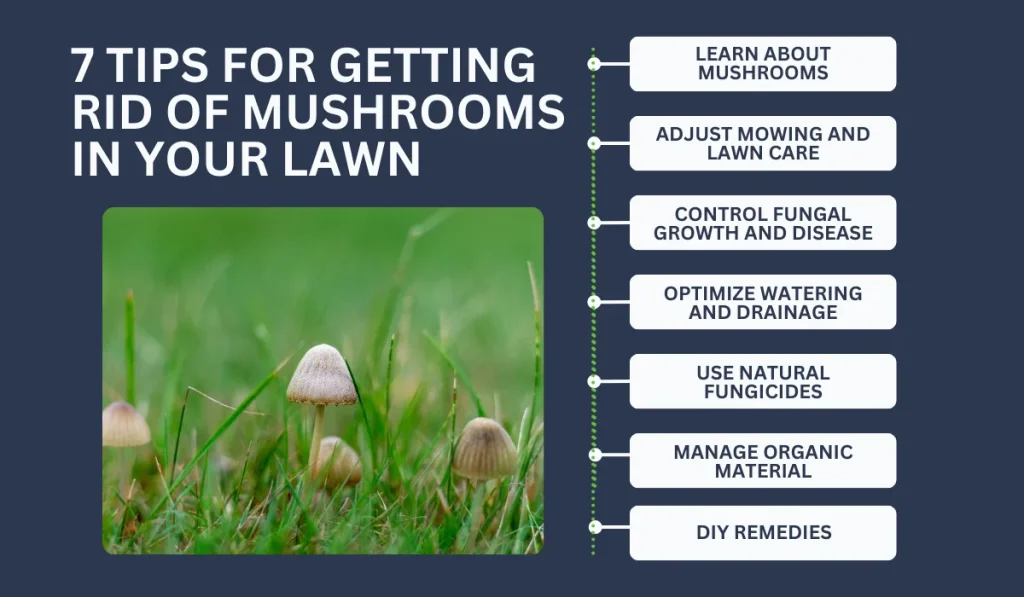
Image Source: sodlawn.com
Why Do Mushrooms Appear in Your Lawn?
Mushrooms, or toadstools, are the fruiting bodies of fungi that live in the soil. They thrive in specific conditions, and understanding these triggers is key to getting rid of lawn mushrooms.
Favorable Conditions for Fungi
- Moisture: Consistent moisture, especially after rain or overwatering, is a primary driver for fungal growth.
- Organic Matter: Decomposing organic materials like thatch, dead grass, fallen leaves, pet waste, and even buried wood or stumps provide a food source for fungi.
- Shade and Poor Air Circulation: Areas of your lawn that are shaded by trees or buildings, and have limited airflow, tend to stay moist longer, creating ideal conditions for mushrooms.
- Compacted Soil: Compacted soil hinders drainage and can lead to waterlogged areas where fungi flourish.
- Nutrient Imbalance: While not always the case, some fungal issues can be exacerbated by certain nutrient levels in the soil.
Common Causes of Mushroom Patches on Lawn
- Thatch Buildup: A thick layer of dead grass and organic matter (thatch) can hold moisture close to the surface, promoting fungal growth.
- Buried Organic Material: Old tree roots, buried logs, or even pet waste can decompose underground, creating a food source for fungi.
- Overwatering or Poor Drainage: Lawns that are consistently too wet are prone to mushroom outbreaks.
- Shady Conditions: Many fungi prefer the cooler, moister environment found in shaded areas.
Getting Rid of Lawn Mushrooms: Practical Steps
Treating mushrooms in yard spaces involves a multi-pronged approach. We’ll cover both manual removal and more sustainable, long-term solutions for lawn mushroom eradication.
Immediate Removal: The Quick Fix
While not a long-term solution, you can manually remove visible mushrooms.
- Hand-Pulling: Gently pull mushrooms from the ground. Be sure to remove the entire mushroom, including the base, to prevent regrowth from remaining mycelium (the underground fungal network).
- Bagging and Disposal: Place the removed mushrooms in a plastic bag and seal it tightly before discarding it in the trash. This prevents spores from spreading.
- Avoid Breaking: Try not to break the mushrooms apart as you pull them, as this can release more spores.
Important Note: Simply removing the visible mushrooms doesn’t address the underlying fungal problem. It’s a temporary measure to improve aesthetics.
Long-Term Lawn Mushroom Eradication Strategies
For lasting results, focus on improving your lawn’s overall health and environment.
1. Improving Lawn Drainage
Proper drainage is crucial for preventing mushroom growth.
- Aeration: Core aeration is a process that removes small plugs of soil from your lawn. This helps relieve soil compaction, improves air and water penetration, and encourages deeper root growth.
- How to Aerate: Use a manual or power aerator. Aerate when the soil is moist but not waterlogged. For best results, aerate in the spring or fall.
- Topdressing: After aerating, you can topdress your lawn with a thin layer of compost or a sand/soil mixture. This further improves soil structure and drainage.
- Addressing Low Spots: If your lawn has low-lying areas that collect water, consider filling them in with topsoil to level the surface and improve drainage.
2. Managing Thatch
Excessive thatch is a common culprit for mushroom problems.
- Dethatching (Scarifying): This process removes the layer of dead and living organic matter that accumulates between the grass blades and the soil surface.
- Tools: You can use a manual dethatching rake or a power dethatcher.
- When to Dethatch: Dethatch when your grass is actively growing, typically in spring or fall.
- After Dethatching: Rake up and dispose of the loosened thatch. You may need to water your lawn afterwards.
3. Adjusting Watering Practices
Overwatering can create the perfect environment for fungi.
- Water Deeply and Infrequently: Encourage deep root growth by watering thoroughly only when the grass shows signs of stress (e.g., wilting, dull color). This promotes a healthier lawn that is more resistant to fungal issues.
- Morning Watering: Water in the early morning. This allows the grass blades to dry off during the day, reducing the likelihood of fungal diseases.
- Check Soil Moisture: Use a soil moisture meter or a screwdriver to check how deep the moisture is. Aim for moisture 4-6 inches down.
4. Reducing Shade and Improving Air Circulation
Fungal growth thrives in damp, stagnant conditions.
- Prune Trees and Shrubs: Trim lower branches of trees and shrubs that overhang your lawn to allow more sunlight and air to reach the grass.
- Improve Airflow: Ensure there are no obstructions that block air circulation around your lawn.
5. Natural Mushroom Removal Methods
For those seeking eco-friendly solutions, several natural approaches can help.
- Baking Soda: A light dusting of baking soda can alter the soil pH, making it less hospitable to fungi. Apply it to affected areas.
- Vinegar Solution: A diluted solution of white vinegar (1 part vinegar to 10 parts water) can be sprayed directly onto mushrooms. Be cautious, as vinegar can also harm grass if applied in higher concentrations or too frequently. Test on a small area first.
- Corn Gluten Meal: Applied in early spring before mushroom growth begins, corn gluten meal acts as a natural pre-emergent herbicide and can also inhibit fungal growth by disrupting spore germination. It also acts as a nitrogen fertilizer.
Chemical Treatments for Lawn Fungus Removal
When natural methods aren’t sufficient, chemical treatments can be considered for mushroom control in grass.
Fungicides
Fungicides are chemicals designed to kill or inhibit the growth of fungi.
- Types of Fungicides:
- Contact Fungicides: These work on the surface of the plant and on the mushroom itself. They need to be reapplied frequently.
- Systemic Fungicides: These are absorbed by the plant and work from within. They offer longer-lasting protection.
- Application:
- Identify the Fungus: If possible, identify the specific type of fungus causing the mushroom growth. This can help in selecting the most effective fungicide.
- Read and Follow Label Instructions: Always read and strictly follow the instructions on the fungicide label. This includes proper dosage, application methods, safety precautions, and reapplication intervals.
- Targeted Application: Apply the fungicide directly to the mushroom patches and surrounding areas where fungi are likely to grow.
- Considerations:
- Environmental Impact: Be mindful of the potential impact of fungicides on beneficial soil organisms, pets, and children.
- Resistance: Over-reliance on a single type of fungicide can lead to the development of resistant fungal strains.
Lawn Care for Mushrooms: A Holistic Approach
Effective lawn care is the best defense against persistent mushroom problems.
- Regular Mowing: Mow your lawn at the recommended height for your grass type. Taller grass shades the soil, retaining moisture and encouraging fungal growth.
- Proper Fertilization: Use a balanced fertilizer according to soil test recommendations. Avoid over-fertilizing, which can lead to rapid, weak growth susceptible to disease.
- Consistent Soil Testing: Periodically test your soil to monitor pH and nutrient levels. Correcting any imbalances can improve overall lawn health.
- Watering Schedule: Stick to a watering schedule that suits your lawn’s needs and climate. Avoid making the lawn too wet.
Tackling Specific Mushroom Problems
Sometimes, mushrooms appear in distinct patterns.
Fairy Rings
Fairy rings are circular patches of mushrooms. They are caused by a fungal mycelium growing outwards from a central point.
- Treatment for Fairy Rings:
- Aeration and Dethatching: These practices can help break up the fungal mat.
- Watering: Keep the area moist, especially during dry spells, to encourage the grass to outcompete the fungus.
- Fungicides: In severe cases, a systemic fungicide can be applied, following label instructions carefully.
- Digging Out: For small fairy rings, you can try digging out the affected soil to a depth of about 12 inches and replacing it with fresh soil and new grass seed.
Fairy Ring Treatment Table
| Method | Description | Effectiveness | Notes |
|---|---|---|---|
| Aeration | Improves soil structure and drainage, helping grass outcompete the fungus. | Moderate | Best done in conjunction with other methods. |
| Dethatching | Removes thatch that harbors moisture, making conditions less favorable for fungi. | Moderate | Essential for overall lawn health and fungal control. |
| Deep Watering | Encourages healthier, deeper grass roots that can outcompete the fungus. | Moderate | Crucial during dry periods. |
| Fungicide | Kills or inhibits fungal growth. Specific types for fairy rings are available. | High | Always follow label instructions; may require multiple applications. |
| Soil Removal | Digging out affected soil and replacing it with new soil and grass seed. | High | Labor-intensive, best for small, localized fairy rings. |
| Increasing Sunlight | Trimming trees and shrubs to allow more light to reach the affected area. | Moderate | Improves air circulation and reduces moisture. |
When to Consider Professional Lawn Mushroom Treatment
If you’ve tried various methods without success, or if the mushroom problem is extensive, it might be time to call in the professionals.
Benefits of Professional Services
- Expert Diagnosis: Professionals can accurately identify the type of fungus and the underlying causes.
- Effective Treatment Plans: They have access to specialized products and equipment for effective lawn disease management.
- Proper Application: Professionals are trained in the safe and effective application of pesticides and other treatments.
- Long-Term Solutions: They can recommend and implement strategies for preventing future mushroom growth.
When to call a professional:
- Persistent and widespread mushroom growth despite your efforts.
- Identification of a particularly aggressive or difficult-to-treat fungus.
- Concerns about applying chemicals correctly and safely.
- Desire for a comprehensive lawn care plan to prevent recurrence.
FAQ Section
Q1: Are lawn mushrooms poisonous?
A1: While not all lawn mushrooms are toxic, it is best to assume they are and keep children and pets away from them. Never taste or eat mushrooms found in your lawn, as some can be poisonous.
Q2: Can I just ignore the mushrooms?
A2: You can, but ignoring them won’t solve the underlying fungal issue. While generally harmless to the grass itself, they can be unsightly and indicate conditions that might eventually lead to other lawn problems. Addressing the cause of their growth is always recommended.
Q3: How quickly can I get rid of mushrooms?
A3: Manual removal provides immediate aesthetic improvement. However, addressing the root causes for true lawn mushroom eradication can take time, often a full growing season or more, depending on the severity of the problem and the methods used.
Q4: Will fertilizing my lawn help with mushrooms?
A4: Proper fertilization contributes to a healthy, resilient lawn that can better outcompete fungi. However, over-fertilizing can sometimes exacerbate fungal problems. It’s about balance and using the right type and amount of fertilizer at the right time.
Q5: Is thatch always bad for my lawn?
A5: A thin layer of thatch (less than ½ inch) is actually beneficial, as it helps retain soil moisture and insulate the grass crowns. However, thatch layers thicker than ½ inch can become a problem, holding excessive moisture and providing a breeding ground for fungi and insects.
By implementing these strategies, you can effectively manage and rid your lawn of unsightly mushrooms, promoting a healthier, more beautiful lawn for years to come. Remember that consistent, good lawn care practices are your best defense against fungal invaders.