
Can you remove lawn mushrooms easily? Yes, you can remove lawn mushrooms with simple steps and consistent lawn care. This guide will show you how to tackle those pesky fungi and promote a healthy lawn.
Mushrooms popping up in your yard can be a common, albeit unwelcome, sight for homeowners. These fungal growths, often referred to as lawn mushrooms, indicate that your soil is rich in organic matter, which sounds good, but their presence can also signal underlying issues. While some mushrooms are harmless, others can be toxic, making mushroom removal a priority for many. This article provides a comprehensive approach to mushroom control and mushroom eradication, focusing on effective lawn care practices and fungus treatment methods to achieve a vibrant and healthy lawn. We’ll cover everything from identifying the causes to implementing a long-term strategy for mushroom prevention, ensuring your lawn health is at its best and your yard care is successful.
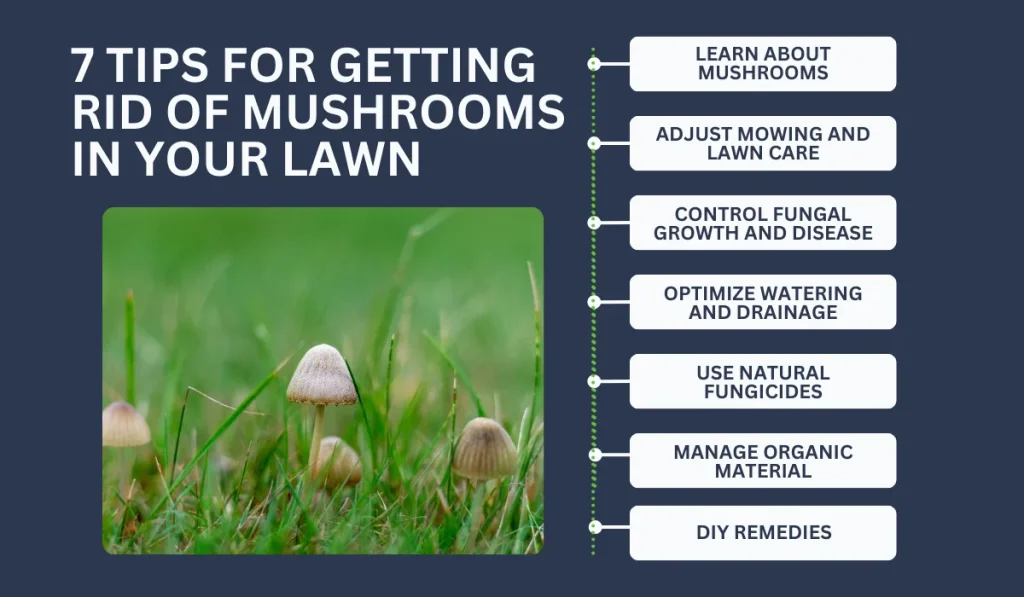
Image Source: sodlawn.com
Why Do Mushrooms Grow in My Lawn?
Mushrooms are the fruiting bodies of fungi that live underground in the soil. They appear when conditions are just right for their growth. Several factors contribute to the sudden appearance of lawn mushrooms:
Moisture Levels
Fungi thrive in damp conditions. Prolonged periods of rain, overwatering your lawn, or poor drainage can create the ideal environment for mushroom growth. Even dew can be enough moisture for some species to flourish.
Organic Matter
Mushrooms are decomposers. They break down dead organic material in the soil, such as thatch (dead grass blades), fallen leaves, twigs, and even buried wood or animal waste. A lawn with a thick layer of thatch or a significant amount of decaying organic matter is more prone to mushrooms.
Soil Compaction
Compact soil limits air and water circulation. This can create pockets of moisture and encourage fungal growth. When the soil is packed down, it’s harder for grass roots to grow deeply, and it can trap excess water at the surface.
Shady Areas
Many types of mushrooms prefer shady, moist environments. Areas of your lawn that don’t receive much direct sunlight are prime real estate for these fungi.
Nutrient Imbalances
While mushrooms indicate organic matter, extreme imbalances in soil nutrients can also play a role. Too much nitrogen, for instance, can sometimes encourage fungal activity.
Identifying Mushroom Causes: A Closer Look
Before diving into mushroom control, it’s helpful to pinpoint the specific reasons for their appearance in your yard. This allows for more targeted lawn care and fungus treatment.
Thatch Buildup
Thatch is a layer of dead and living organic material that accumulates between the grass blades and the soil surface. A thin layer (less than half an inch) is normal, but excessive thatch can become a breeding ground for fungi.
Causes of Thatch Buildup:
- Over-fertilization: Especially with high-nitrogen fertilizers.
- Infrequent mowing: Letting grass grow too long between cuts.
- Mowing too high: Can create dense, mat-like growth.
- Poor aeration: Lack of air circulation in the soil.
- Acidic soil: Can slow down the decomposition of organic matter.
Soil Moisture and Drainage
Persistent dampness is a major culprit.
- Overwatering: Watering your lawn too frequently or for too long.
- Poor Drainage: Soil that doesn’t allow water to drain away quickly. This can be due to compacted soil or clay-heavy soil types.
- Low-lying areas: Spots in the yard where water naturally collects.
Buried Organic Material
Sometimes, mushrooms sprout from decaying material that isn’t immediately visible.
- Buried tree stumps or roots: These can take years to decompose and provide a consistent food source for fungi.
- Animal waste: Pet waste left on the lawn can decompose and encourage mushroom growth.
- Decomposing leaves or debris: Left unmanaged, these can create ideal conditions.
Easy Steps for Mushroom Removal and Control
Now that we know why lawn mushrooms appear, let’s discuss how to get rid of them. Effective mushroom removal involves both immediate action and long-term mushroom prevention strategies.
Step 1: Physical Removal of Mushrooms
The most immediate way to deal with visible lawn mushrooms is to physically remove them. This prevents them from releasing spores and spreading further.
- Hand-pulling: Carefully pull the mushrooms from the ground. Try to get the entire mushroom, including the base of the stem, to prevent regrowth.
- Bagging and Discarding: Place the removed mushrooms in a plastic bag, seal it tightly, and discard it in the trash. Do not compost them, as this can spread spores.
- Mowing: If the mushrooms are small and numerous, mowing them down can be a temporary solution. However, this doesn’t address the underlying cause and spores will still be released.
Important Note: Be cautious if you have children or pets. Some lawn mushrooms can be poisonous. If you’re unsure, it’s best to wear gloves during removal.
Step 2: Address Thatch Buildup
Reducing thatch is a crucial step in mushroom control and promoting lawn health.
Dethatching Your Lawn
- Timing: The best time to dethatch is during your lawn’s active growing season. For cool-season grasses (like fescue, ryegrass, and bluegrass), this is spring and fall. For warm-season grasses (like Bermuda, Zoysia, and St. Augustine), it’s late spring and summer.
- Tools: You can use a manual dethatching rake, a power rake (also called a dethatcher), or a scarifier.
- Process: Rake or run the machine over your lawn at a moderate depth. This will pull up the thatch. Collect the removed thatch and dispose of it.
- Frequency: Dethatching is typically needed when thatch buildup exceeds half an inch. You might need to do it annually or every couple of years, depending on your lawn’s conditions.
Step 3: Improve Soil Aeration
Aeration helps to break up compacted soil, allowing better air, water, and nutrient penetration. This is a key aspect of good yard care.
- Timing: Aerate during your lawn’s peak growing season, similar to dethatching.
- Tools: You can use a manual core aerator (which pulls out plugs of soil) or a power aerator.
- Process: Go over your lawn with the aerator. The small holes left behind will allow air and water to reach the roots and help decompose organic matter more effectively.
- Frequency: Aerate once a year or every two years if you have compacted soil.
Step 4: Manage Soil Moisture
Controlling moisture levels is vital for effective mushroom prevention.
- Watering Practices: Water your lawn deeply but infrequently. Aim for about 1 inch of water per week, delivered in one or two watering sessions. This encourages deeper root growth and reduces surface dampness that fungi love.
- Check Soil Moisture: Before watering, stick a screwdriver or a soil probe into the ground. If it goes in easily, the soil is moist enough. If it’s hard to push in, it’s dry.
- Improve Drainage: If you have areas with poor drainage, consider amending the soil with compost or sand to improve its structure. For persistent waterlogging, installing a drainage system might be necessary.
- Watering Time: Water early in the morning. This allows the grass blades to dry off during the day, reducing the chance of fungal diseases and mushroom growth.
Step 5: Manage Organic Debris
Keep your lawn free from materials that fuel fungal growth.
- Rake Leaves: Regularly rake fallen leaves, especially in autumn.
- Remove Dead Grass Clippings: While light clippings can be beneficial, heavy clumps can contribute to thatch.
- Clear Buried Material: If you suspect buried wood or stumps are the cause, carefully excavate and remove them.
- Clean Up Pet Waste: Promptly remove pet feces from the lawn.
Step 6: Fertilization and Soil Health
A balanced approach to fertilization supports lawn health.
- Soil Testing: Conduct a soil test to determine your soil’s pH and nutrient levels. This helps you fertilize correctly and avoid over-application.
- Proper Fertilization: Use a slow-release fertilizer and apply it according to soil test recommendations. Avoid excessive nitrogen, which can sometimes exacerbate fungal issues.
- Compost: Top-dressing your lawn with a thin layer of compost can improve soil structure and add beneficial microbes that compete with fungi.
Step 7: Fungicide Application (Use with Caution)
Fungicides can be a last resort for persistent mushroom eradication, but they should be used thoughtfully.
- Identify the Fungus: If possible, try to identify the specific type of mushroom. This can help you choose the most effective fungicide. However, this is often difficult for the average homeowner.
- Choose the Right Product: Look for fungicides labeled for lawn use and effective against a broad spectrum of fungi. Products containing active ingredients like thiophanate-methyl, myclobutanil, or propiconazole may be helpful.
- Application: Follow the product label instructions precisely. Apply evenly to the affected areas.
- Timing: Fungicides are most effective when applied preventatively or at the very first sign of fungal growth.
- Limitations: Fungicides primarily kill the visible mushrooms and existing mycelium. They do not eliminate the underlying conditions that promote growth, so other yard care practices are still essential. They are not a substitute for good lawn care.
Table 1: Mushroom Removal and Prevention Checklist
| Action | Purpose | Frequency |
|---|---|---|
| Physical Removal | Immediate mushroom removal, prevent spore spread | As needed, whenever mushrooms appear |
| Dethatching | Reduce thatch layer, remove fungal food source | Annually or as thatch exceeds 1/2 inch |
| Aeration | Improve soil structure, air/water circulation | Annually or every 1-2 years (if needed) |
| Proper Watering | Reduce surface moisture, encourage deep roots | Deeply but infrequently (1-1.5 inches/week) |
| Manage Debris | Remove fungal food sources | Regularly, especially during fall/spring |
| Soil Testing | Balance nutrients, adjust pH | Every 1-2 years |
| Fertilization | Provide necessary nutrients, avoid excess nitrogen | According to soil test recommendations |
| Fungicide Application | Fungus treatment for severe cases | As needed, follow product instructions |
Promoting a Healthy Lawn for Long-Term Mushroom Prevention
The best way to rid your lawn of mushrooms is to create an environment where they can’t thrive. This means focusing on overall lawn health.
Overseeding for a Denser Lawn
A thick, healthy turf is the best defense against weeds and fungi. Overseeding helps fill in bare spots and creates a more competitive grass cover.
- Timing: Overseed cool-season grasses in the fall, and warm-season grasses in late spring or early summer.
- Seed Selection: Choose grass seed varieties that are suited to your climate and lawn conditions (sunlight, shade, traffic).
- Process: Mow your lawn short, then rake lightly to expose the soil. Spread the seed evenly, then lightly cover with a thin layer of compost or topsoil. Keep the area moist until the new grass germinates.
Pest and Disease Management
Other lawn pests and diseases can weaken your grass, making it more susceptible to fungal invaders, including mushrooms. Regularly inspect your lawn for signs of stress or disease.
Professional Help
If you’re struggling with persistent mushroom problems despite your best efforts, consider consulting a local landscaping or lawn care professional. They can help diagnose specific issues and recommend tailored solutions.
Frequently Asked Questions About Lawn Mushrooms
What causes mushrooms to grow in my yard?
Mushrooms grow in lawns when there is sufficient moisture, a food source (like decaying organic matter or thatch), and often in shady or compacted areas. They are the visible part of fungi that live in the soil.
Are lawn mushrooms dangerous?
Some lawn mushrooms can be poisonous, especially to children and pets who might ingest them. While most common lawn mushrooms are not highly toxic, it’s best to err on the side of caution and remove them promptly. Always wear gloves when handling them.
Can I just mow over the mushrooms?
Mowing over mushrooms will temporarily remove the visible fruiting bodies and prevent spore dispersal from those specific mushrooms. However, it does not address the underlying cause of their growth in the soil. The fungi will likely continue to grow and produce more mushrooms.
How quickly do mushrooms grow?
The speed at which lawn mushrooms appear can vary greatly depending on the species and the environmental conditions. They can emerge quite rapidly, sometimes appearing overnight after a period of rain or increased humidity.
What is the best time of year to see mushrooms?
Mushrooms are most commonly seen in the spring and fall when temperatures are moderate and moisture levels are higher. However, they can appear during other times of the year if the conditions are favorable.
Will removing the mushrooms permanently solve the problem?
Physically removing mushrooms is a temporary fix. For long-term mushroom eradication and mushroom prevention, you need to address the root causes: manage thatch, improve soil aeration and drainage, control moisture levels, and maintain overall lawn health.
What is a good fungus treatment for lawns?
A good fungus treatment involves a combination of good lawn care practices. Physically removing mushrooms, dethatching, aerating, proper watering, and managing organic debris are key. In severe cases, a broad-spectrum lawn fungicide can be used, but it’s essential to follow product instructions carefully.
Is it bad to have mushrooms in my lawn?
While mushrooms indicate a healthy soil ecosystem with organic matter, their presence can be a sign of underlying issues like excess thatch or poor drainage, which can eventually impact your lawn health. Some mushrooms can also be toxic.
How does thatch relate to mushroom growth?
Thatch is a layer of dead grass and organic material. It holds moisture and provides a food source for the fungi that produce mushrooms. Reducing thatch buildup is a critical step in mushroom control.
How can I improve my yard care to prevent mushrooms?
Consistent yard care that focuses on aeration, proper watering, dethatching, and keeping the lawn clear of debris will create a less hospitable environment for lawn mushrooms. Creating a dense, healthy lawn is the best long-term strategy.
By implementing these comprehensive lawn care strategies, you can effectively tackle mushroom removal and prevent future occurrences, ensuring a lush, green, and healthy lawn. Remember, consistent yard care and attention to your lawn’s specific needs are the keys to mushroom eradication and overall lawn health.