
Can you rototill a lawn? Yes, you absolutely can rototill a lawn to break up compacted soil, improve drainage, and prepare a surface for new planting or a complete lawn renovation. This guide will walk you through the entire process of tilling your lawn from start to finish.
Rototilling is a powerful way to transform your yard. It’s a key step in preparing soil for planting, whether you’re starting a new vegetable garden, creating flower beds, or reseeding a worn-out lawn. Tilling lawn areas helps with soil aeration, allowing air, water, and nutrients to reach plant roots more effectively. It’s particularly useful for breaking up compacted soil, a common problem in many established lawns that hinders root growth and water penetration. This detailed guide will cover everything you need to know, from choosing the right equipment to making the final preparations for your new landscape.
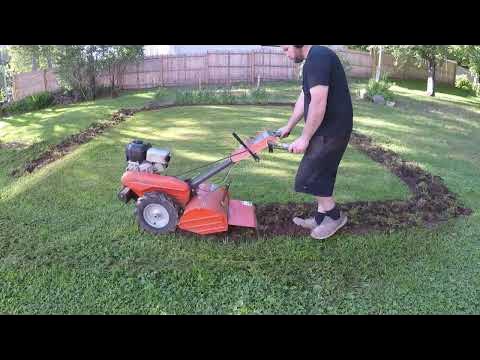
Image Source: i.ytimg.com
Why Rototill Your Lawn?
Rototilling offers several significant benefits for your yard. It’s not just about turning over dirt; it’s about revitalizing your soil.
Key Benefits of Rototilling
- Improved Soil Structure: Rototilling breaks down hard, clumpy soil into smaller, more manageable pieces. This creates a looser, more friable soil that is easier for roots to penetrate.
- Enhanced Drainage: Compacted soil prevents water from draining properly, leading to waterlogged areas and root rot. Tilling loosens the soil, allowing excess water to drain away more freely.
- Better Aeration: Plant roots need oxygen to thrive. Rototilling introduces air into the soil, which is crucial for healthy root development. This process is often referred to as soil aeration.
- Weed Control: While not a complete solution, rototilling can help bring weed seeds to the surface where they may be easier to manage or can be killed off by subsequent steps. It’s also effective for removing sod with tiller, which can be a labor-intensive process otherwise.
- Incorporation of Amendments: When you add compost, manure, or other soil conditioners, rototilling mixes them deeply into the soil, ensuring they are evenly distributed for maximum benefit. This is essential for soil amendment incorporation.
- Seedbed Preparation: For new lawns or garden beds, a well-tilled soil surface creates an ideal seedbed preparation, allowing tiny seeds to make good contact with the soil for germination.
- Garden Bed Preparation: Creating new garden beds often starts with breaking ground, and a tiller is the most efficient tool for this job, making garden bed preparation much easier.
- Lawn Renovation Steps: Rototilling is a fundamental part of many lawn renovation steps, especially when dealing with severely damaged or overgrown areas.
- Subsoiling Lawn Potential: In some cases, the deeper tines of a powerful tiller can help with subsoiling lawn areas, breaking up deeper layers of compacted earth.
When Is the Best Time to Rototill Your Lawn?
Timing is everything when it comes to lawn care. Rototilling is no different. You want to till when the soil is in the right condition to get the best results.
Ideal Soil Moisture Content
The most crucial factor is soil moisture. You don’t want to till when the soil is too wet or too dry.
- Too Wet: Tilling wet soil can create large clods that are very difficult to break apart. It also destroys the soil’s structure, leading to even worse compaction down the line. This can create a muddy mess.
- Too Dry: Tilling bone-dry soil is hard work. The tiller will struggle to penetrate, and the soil will turn into dust, which can easily blow away.
The “Squeeze Test” for Soil Moisture
A simple test can help you determine if your soil is ready:
- Dig a small amount of soil from the area you plan to till.
- Squeeze a handful of it firmly in your fist.
-
Open your hand and look at the soil.
- Perfect: If the soil holds its shape but crumbles easily when you poke it with a finger, it’s ideal.
- Too Wet: If the soil forms a solid, sticky ball that doesn’t break apart, it’s too wet. Wait a few days and retest.
- Too Dry: If the soil is dusty and won’t hold its shape, it’s too dry. You may need to lightly water the area a day or two before tilling, then let it dry to the ideal moisture level.
Seasonal Considerations
- Spring: This is a very common time to rototill, especially for preparing vegetable gardens and flower beds. It allows you to work in amendments and get a jump on the growing season.
- Fall: Tilling in the fall can be beneficial for preparing beds for spring planting or for a major lawn renovation. It gives amendments time to break down over winter.
Choosing the Right Rototiller
Not all rototillers are created equal. The type you choose will depend on the size of your project and the condition of your soil.
Types of Tillers
- Front-Tine Tillers: These are the most common type for home gardens. The tines are located in front of the wheels. They are generally lighter and more maneuverable, making them good for smaller areas and softer soil. However, they can be harder to control in tough, compacted ground and may not dig as deep.
- Rear-Tine Tillers: These tillers have their tines behind the wheels. They are more powerful and can handle harder, more compacted soil. The wheels provide better traction and stability. Rear-tine tillers are ideal for larger areas and tougher jobs like removing sod with tiller. Some have forward-rotating tines (for breaking ground) and others have counter-rotating tines (for finer soil tilth).
- Pest Tillers (or “Mini-Tillers”): These are small, lightweight tillers often used for weeding in tight spaces or preparing small garden beds. They are not suitable for large areas or heavy-duty tilling.
Gas vs. Electric Tillers
- Gas-Powered Tillers: These are more powerful and offer greater freedom as they don’t require a power cord. They are ideal for larger areas and tougher soil conditions. They require more maintenance (oil changes, fuel, spark plugs).
- Electric Tillers (Corded & Cordless): These are lighter, quieter, and easier to start and maintain. Corded electric tillers are best for small areas near an outlet. Cordless (battery-powered) tillers offer more freedom but may have less power and shorter run times than gas models.
What to Look for When Buying or Renting
- Engine Size (for gas tillers): Larger engines generally mean more power.
- Tine Diameter and Material: Thicker, sturdier tines made of hardened steel will last longer and penetrate tougher soil.
- Tilling Width and Depth: Consider the size of your area and how deep you need to till. Most tillers offer adjustable widths and depths.
- Weight and Maneuverability: A tiller that’s too heavy will be difficult to control, especially for smaller individuals.
- Features: Look for features like adjustable handles, reverse gear, and power-assist wheels.
Preparing Your Lawn for Rototilling
Before you fire up the tiller, proper preparation is crucial for safety and efficiency.
Clear the Area
This is a vital step to prevent damage to your tiller and to ensure a thorough job.
- Remove Debris: Pick up all rocks, sticks, toys, garden tools, and any other objects from the surface. Even small stones can damage tiller tines.
- Remove Obstacles: If you have irrigation heads, landscape edging, or sprinkler systems, mark them clearly or consider temporarily removing them if they are in the direct path of your tilling.
- Clear Sod: If you are tilling lawn areas that have thick, established sod, you might want to consider removing the bulk of the sod first with a sod cutter, especially if you don’t plan to use the sod elsewhere. A tiller can cut through sod, but it can be very hard on the machine and may result in a less uniform finish.
- Flag Underground Utilities: If you are digging deeply or in an area where you’re unsure about buried lines (like sprinkler systems or electrical cables), call 811 (in the US) to have utility lines marked before you start.
Check Soil Moisture Again
As mentioned earlier, ensure the soil is at the ideal moisture level using the squeeze test.
Plan Your Tilling Path
Think about the layout of your yard and how you will move the tiller. It’s often easiest to start around the perimeter of the area and work your way inward in overlapping passes.
How to Rototill Your Lawn: Step-by-Step
Now that you’re prepared, it’s time to get down to business. Following these steps will ensure a successful and safe rototilling experience.
Step 1: Read the Tiller’s Manual
Every rototiller is slightly different. Before you even start the engine, take a few minutes to read the manufacturer’s manual. It will cover specific operating instructions, safety precautions, and maintenance tips for your particular model.
Step 2: Start the Tiller Safely
- Gas Tillers:
- Ensure the tiller is on a level surface.
- Check the oil and fuel levels.
- Turn the fuel valve to the “on” position.
- Set the choke if the engine is cold.
- Turn the ignition switch to the “on” position.
- Gently pull the starter rope until you feel resistance, then give it a firm, steady pull.
- Electric Tillers:
- Ensure the power cord is in good condition and not frayed.
- Plug the tiller into a suitable power source.
- Press the power button or squeeze the trigger to start.
Step 3: Begin Tilling – First Pass
- Engage the Tines: Follow the manufacturer’s instructions to engage the tines. This usually involves a lever or handle.
- Start at the Edge: Position the tiller at one edge of the area you want to till.
- Control the Depth: Most tillers have an adjustable depth control, often a lever or a drag bar. Start with a shallower depth for the first pass (e.g., 3-4 inches).
- Move Forward Slowly: Gently guide the tiller forward. The tines will dig into the soil and pull the machine forward. You may need to use some force to guide it. Don’t fight it; let the tiller do the work.
- Overlap Your Passes: For the first pass, try to till a strip along the edge of the area.
Step 4: Second Pass and Deeper Tilling
- Adjust Depth: For your second pass, you can increase the tilling depth if your soil is still compacted or if you need to incorporate amendments deeply. Aim for a depth of 6-8 inches if possible, which is important for effective subsoiling lawn areas and proper soil aeration.
- Overlap Passes: Turn the tiller around and till a new strip, overlapping the previous pass by about half the width of the tiller. This ensures that all the soil is worked.
- Manage the Machine: Keep a firm grip on the handles. Be prepared for the tiller to pull forward. If it gets stuck or difficult to manage, reduce the depth or take a moment to reposition.
Step 5: Incorporating Soil Amendments
If you’re adding compost, manure, or other soil amendments, now is the time to do it.
- Spread Amendments: Evenly distribute your chosen amendments over the tilled soil.
- Second Tilling Pass: Make another pass with the tiller to mix the amendments into the soil. You might want to go perpendicular to your previous passes for better mixing. This is a crucial step for soil amendment incorporation.
- Break Up Clods: As you till, use the tiller to break up any large clumps of soil. You may need to make multiple passes over the same area. For very compacted soil, you might make several passes at increasing depths.
Step 6: Final Pass and Smoothing
- Refine the Surface: After incorporating amendments, make a final pass to create a smoother, more uniform surface. You might reduce the tilling depth for this pass.
- Rake the Area: Use a rake to break up any remaining large clods, level the ground, and remove any large stones or roots that the tiller may have missed or brought to the surface. This is part of good seedbed preparation.
What To Do After Rototilling
The work isn’t quite done once the tilling is complete. A few post-tilling steps will prepare your soil for its next phase.
Assess the Soil
- Check for Compaction: Dig a small hole to see how deep the tines went and if the soil is now loose.
- Inspect for Rocks and Roots: Remove any large rocks or stubborn roots that may have surfaced.
Leveling and Grading
- Raking: Use a sturdy garden rake to level the soil. Fill in any low spots and remove excess soil from high spots.
- Foot Rolling (Optional): For a new lawn, you might consider using a lawn roller to lightly compact the soil, but avoid over-compacting. This helps create a firm surface for seeding.
Adding More Amendments (If Needed)
- Based on your soil assessment and any soil test results, you might add a final light layer of compost or a starter fertilizer. Lightly rake these in.
Waiting Period (Optional but Recommended)
- For major renovations, it can be beneficial to let the tilled soil rest for a week or two. This allows any remaining weed seeds that were brought to the surface to germinate, so you can then remove them before planting.
Frequently Asked Questions About Rototilling
Q: How deep should I rototill my lawn?
A: Typically, you should aim to till 6-8 inches deep. For initial breaking of very compacted soil or for subsoiling lawn areas, you might go deeper with a powerful tiller, but avoid going excessively deep if it compromises the soil structure. For seedbed preparation for fine seeds, a shallower final pass might be better.
Q: Can I rototill over existing grass?
A: Yes, you can rototill over existing grass. This is a common method for removing sod with tiller when starting a new garden bed or undertaking a full lawn renovation. However, be prepared for the tiller to work harder and potentially clog with grass and roots. Multiple passes may be needed.
Q: My tiller is getting clogged with grass. What should I do?
A: If your tiller is constantly clogging with grass and roots, it might be time to stop and clear the tines. You can also try tilling when the grass is drier. For very dense sod, consider removing some of the surface layer with a sod cutter before tilling, or use a rear-tine tiller with counter-rotating tines, which are often better at handling turf.
Q: Is rototilling bad for my soil?
A: Rototilling can be beneficial for breaking up compaction and improving aeration, but it can also disrupt soil structure and harm beneficial soil organisms if done improperly or too frequently. It’s best to till only when necessary, such as for preparing soil for planting or during lawn renovation steps, and always aim to incorporate organic matter to rebuild soil health. Avoid tilling overly wet soil at all costs.
Q: What is the difference between rototilling and cultivating?
A: Rototilling is generally a more aggressive process that breaks up soil and incorporates amendments deeply. Cultivating is usually a lighter process that loosens the top few inches of soil, often done between rows of plants or to prepare a very fine seedbed. While a tiller can cultivate, a dedicated cultivator is designed for this lighter task.
Q: How often should I rototill my lawn?
A: Rototilling is not something you need to do every year. It’s typically done when you are significantly altering the landscape, like starting a new garden bed, performing a major lawn renovation steps, or if your soil has become severely compacted. Over-tilling can degrade soil health.
Conclusion
Rototilling your lawn is a powerful technique that can dramatically improve your soil’s health and prepare it for new growth. By understanding when to till, choosing the right equipment, and following these step-by-step instructions, you can effectively break up compacted soil, improve drainage and aeration, and create the perfect foundation for a beautiful garden or a lush new lawn. Remember to always prioritize safety and soil health, and your efforts will be rewarded with a thriving landscape.