
Getting your Briggs and Stratton lawn mower started can sometimes feel like a puzzle. If you’ve ever found yourself asking, “How do I start my Briggs and Stratton lawn mower?” or “Why won’t my Briggs and Stratton mower start?”, you’re in the right place. This guide will walk you through the steps, cover common issues, and provide solutions so you can get back to a neatly trimmed lawn.
This guide is designed to make starting your Briggs and Stratton mower as simple as possible. We’ll break down the process into easy steps and help you diagnose problems if it doesn’t fire up right away.
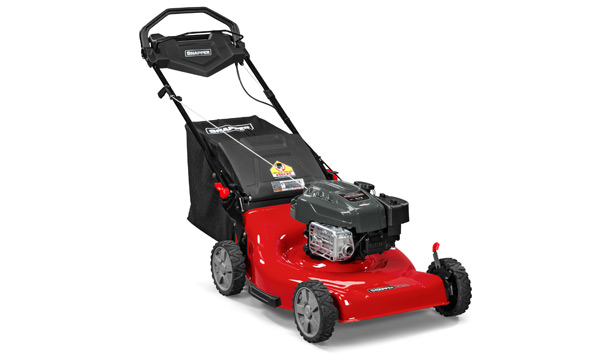
Image Source: www.briggsandstratton.com
Getting Your Briggs and Stratton Mower Ready to Go
Before you even think about pulling the cord, a few simple checks can prevent a lot of frustration.
Essential Pre-Start Checks
Here’s what to do before you try to start your mower:
- Check the Fuel Level: Is there enough gas in the tank? This might seem obvious, but it’s the most common reason a mower won’t start.
- Check the Oil Level: Low oil can prevent the engine from starting or cause serious damage. Most Briggs and Stratton engines have a dipstick. Make sure the oil is between the “Add” and “Full” marks.
- Ensure the Mower is in a Safe Location: Always start your mower on a flat, open area, away from people, pets, and obstacles.
- Check the Blade Engagement Lever: If your mower has a blade engagement lever, make sure it’s in the “disengaged” or “off” position.
The Simple Steps to Starting Your Briggs and Stratton Mower
Starting most Briggs and Stratton engines is straightforward. Here’s the usual process:
Step 1: Prime the Engine
Many Briggs and Stratton engines have a primer bulb. This little button pushes fuel from the tank into the carburetor.
- Locate the Primer Bulb: It’s usually a clear or black rubber bulb located near the air filter or on the carburetor.
- Press the Bulb: Push the bulb firmly 3-5 times. You should feel fuel moving. Don’t over-prime, as this can flood the engine.
Step 2: Engage the Choke
The choke helps start a cold engine by making the fuel-air mixture richer.
- Find the Choke Lever: This lever is usually near the primer bulb or throttle control. It often has markings for “Start,” “Run,” or symbols for cold and warm engines.
- Set the Choke: For a cold engine, move the choke lever to the “Start” or “Cold” position (usually fully closed). If the engine is warm, you might not need the choke, or you might only need it partially engaged.
Step 3: Set the Throttle
The throttle controls the engine speed.
- Locate the Throttle Control: This is usually a lever or knob on the handle.
- Set the Throttle: For starting, set the throttle to the “Fast” or “Start” position (usually a rabbit symbol or a high RPM marking).
Step 4: Pull the Starter Cord (Recoil Starter)
This is the action that turns the engine over.
- Grasp the Handle: Get a firm grip on the starter cord handle.
- Pull Smoothly and Firmly: Pull the cord out until you feel resistance. Then, give it a strong, quick pull. Don’t yank it too hard or too fast initially, as this can cause the Briggs and Stratton pull cord stuck issue or damage the recoil starter.
Step 5: Adjust Choke and Throttle as Engine Warms
Once the engine starts, you’ll need to adjust the choke and throttle.
- Move the Choke: As the engine warms up (usually within 15-30 seconds), gradually move the choke lever towards the “Run” or “Warm” position. If you move it too quickly, the engine might sputter or die.
- Adjust the Throttle: You can then adjust the throttle to your desired mowing speed.
Troubleshooting: When Your Briggs and Stratton Mower Won’t Start
It’s frustrating when your Briggs and Stratton mower won’t start. Don’t worry, most starting problems can be fixed with a little troubleshooting. The most common reasons are fuel, spark, or air issues.
Problem 1: No Fuel or Stale Fuel
This is the most frequent culprit. Gas can go bad over time, and even small amounts of water can cause problems.
Solutions:
- Fresh Fuel: Ensure you have fresh gasoline. If the gas has been sitting for more than a month, drain it and refill with fresh fuel.
- Fuel Shut-Off Valve: Some mowers have a fuel shut-off valve. Make sure it’s in the “On” position.
- Check Fuel Lines: Look for any kinks or blockages in the fuel line.
Problem 2: Clogged Fuel Filter
A dirty fuel filter restricts fuel flow to the engine. This is a common issue and an easy fix.
Solutions:
- Briggs and Stratton Fuel Filter Replacement:
- Locate the fuel filter. It’s usually in the fuel line between the tank and the carburetor.
- Turn off the fuel shut-off valve (if present) or clamp the fuel line.
- Use pliers to squeeze the clamps holding the old filter and slide them away from the filter.
- Gently pull the old filter off the fuel line.
- Slide the new filter onto the fuel line, ensuring the arrow (if present) points in the direction of fuel flow (towards the carburetor).
- Slide the clamps back into place to secure the new filter.
- Turn the fuel shut-off valve back on and check for leaks.
Problem 3: Clogged Carburetor
The carburetor mixes air and fuel. If it’s clogged, the engine won’t get the right mixture. This is a very common reason for a Briggs and Stratton mower won’t start.
Solutions:
-
Briggs and Stratton Carburetor Cleaning:
- Safety First: Disconnect the spark plug wire to prevent accidental starting.
- Remove the Carburetor: This involves disconnecting the fuel line, throttle linkage, and often the air filter housing. It’s helpful to take pictures as you go.
- Disassemble Carefully: Remove the float bowl (usually held by a screw at the bottom of the carburetor).
- Clean the Bowl: Look for debris or water in the bowl.
- Clean the Jet: The main fuel jet is a small brass piece with tiny holes. You can clean it with a fine wire (like a guitar string or a small piece of weed wacker line) or spray carburetor cleaner through it. Never use a drill bit, as this can enlarge the hole.
- Spray Carb Cleaner: Spray carburetor cleaner through all the passages and orifices in the carburetor body.
- Reassemble: Put the carburetor back together carefully, ensuring all gaskets and parts are in place.
- Reinstall: Reattach the carburetor to the engine, reconnecting the fuel line and linkages. Reconnect the spark plug wire.
-
Consider a Carburetor Rebuild Kit: For severely clogged carburetors, a rebuild kit with new gaskets, float needle, and other small parts can be a good option.
Problem 4: Spark Plug Issues
A fouled, worn, or incorrectly gapped spark plug won’t create a strong spark.
Solutions:
-
Briggs and Stratton Spark Plug Replacement:
- Disconnect Spark Plug Wire: Pull the boot off the spark plug.
- Remove the Spark Plug: Use a spark plug socket wrench to unscrew the plug.
- Inspect the Old Plug: Look for a black, sooty coating (too rich), oily residue (internal engine issue), or a white, chalky deposit (too lean).
- Clean or Replace: If it’s just a little dirty, you can try cleaning it with a wire brush. However, replacing the spark plug is often the easiest and most effective solution. Ensure you get the correct plug for your Briggs and Stratton engine model.
- Gap the New Plug: Check the gap on the new spark plug using a feeler gauge. The correct gap is usually listed in your mower’s manual or on a sticker on the mower itself. It’s typically around 0.030 inches.
- Install the New Plug: Screw the new plug in by hand first to avoid cross-threading. Then, tighten it with the spark plug socket wrench.
- Reconnect the Wire: Push the spark plug wire boot firmly back onto the new plug.
-
Test the Spark: After replacing or cleaning the plug, you can briefly hold the metal body of the spark plug against a metal part of the engine (not the spark plug hole itself) while pulling the starter cord. You should see a strong blue spark jump across the gap. Be careful not to touch the spark plug or wire while pulling.
Problem 5: Air Filter Blockage
A clogged air filter restricts airflow, preventing the engine from running properly.
Solutions:
- Clean or Replace the Air Filter:
- Locate the air filter cover (usually held by screws or clips).
- Remove the cover and the air filter.
- Paper Filters: If the filter is paper and dirty, it’s best to replace it. Lightly tap it to remove loose debris, but don’t try to wash it unless the manufacturer explicitly states it’s washable.
- Foam Filters: If it’s a foam filter, wash it with warm, soapy water, rinse it thoroughly, and let it air dry completely. Once dry, lightly saturate it with clean engine oil and squeeze out any excess.
- Reinstall: Place the clean or new air filter back into the housing and secure the cover.
Problem 6: Safety Interlock Switches
Modern mowers have safety features that prevent starting if not engaged correctly.
Solutions:
- Blade Control: Ensure the blade engagement lever is in the “disengaged” position.
- Handlebar Sensors: Some mowers have sensors in the handlebars that require the handle to be held firmly.
Problem 7: Engine Overheating and Shutting Down
If the engine starts but then dies, it might be overheating.
Solutions:
- Check Cooling Fins: Ensure the cooling fins on the engine block are not clogged with grass clippings or debris. Clean them with a brush or compressed air.
- Oil Level: Verify the oil level is correct. Low oil can lead to overheating.
Problem 8: Recoil Starter Issues (Briggs and Stratton Pull Cord Stuck)
If the Briggs and Stratton pull cord stuck, the recoil starter mechanism might be the problem.
Solutions:
- Briggs and Stratton Recoil Starter Repair:
- Disconnect Spark Plug Wire: Always do this first.
- Remove the Recoil Assembly: This usually involves removing the starter housing cover, which is often held by screws.
- Inspect for Obstructions: Look for any grass, dirt, or broken parts jamming the pulley or spring.
- Examine the Spring: The recoil spring can break or become dislodged. If broken, it needs replacement.
- Rewind the Spring: If the spring is intact but just off-kilter, you might be able to carefully rewind it. This can be tricky and potentially dangerous due to spring tension.
- Replace Parts: If parts are broken, you may need to replace the entire recoil assembly or specific components like the spring, pulley, or rope.
How to Start a Stubborn Lawn Mower: Advanced Tips
Sometimes, even after checking the basics, your mower might still be a reluctant starter. Here are some advanced tips for a stubborn lawn mower.
The Best Way to Start a Lawn Mower (When it’s Being Difficult)
- Check for Compression: While you can’t easily “fix” low compression without major engine work, you can feel for it. When you pull the starter cord, you should feel strong resistance. If it feels very easy to pull, you might have a compression issue (e.g., a stuck valve or worn piston rings).
- Check Ignition Timing: This is more complex and usually requires a professional. However, a severely misaligned ignition coil could cause starting issues.
- Prime More Aggressively (with caution): If you suspect a fuel delivery issue, you might try priming the bulb one extra time, but be cautious not to flood it.
- Give it a “Shot”: Some mechanics use starting fluid (ether) for very stubborn engines. Use this sparingly and with extreme caution. Spray a very short burst (1-2 seconds) into the carburetor intake (after removing the air filter) and then immediately try to start the mower. If it starts and dies, the issue is likely fuel delivery. If it doesn’t even sputter, it’s more likely a spark issue. Never spray starting fluid into the spark plug hole.
- Clean Spark Arrestor Screen: On some models, there’s a spark arrestor screen in the muffler. If it’s clogged with carbon, it can prevent starting or cause poor running. You can usually remove the muffler cover and the screen to clean it with a wire brush.
Routine Maintenance for a Healthy Engine
Preventing problems is easier than fixing them. Regular maintenance ensures your Briggs and Stratton engine runs smoothly.
Key Maintenance Tasks
-
Briggs and Stratton Oil Change:
- Frequency: Refer to your owner’s manual. Typically, every 25-50 operating hours or annually.
- Procedure:
- Run the engine for a few minutes to warm the oil.
- Turn off the engine and disconnect the spark plug wire.
- Locate the oil drain plug (usually on the bottom of the engine or on the side of the oil sump). Some engines have a tilt-to-drain feature.
- Place an oil drain pan beneath the plug.
- Remove the drain plug and let the old oil drain completely.
- Replace the drain plug and tighten it securely.
- Locate the oil fill cap/dipstick.
- Add the recommended type and amount of fresh oil (check your manual). Do not overfill.
- Replace the oil fill cap/dipstick.
- Dispose of used oil properly.
-
Spark Plug Check/Replacement: As mentioned, checking or replacing the spark plug annually is good practice.
- Air Filter Cleaning/Replacement: Clean or replace the air filter at least once a season, or more often if you mow in dusty conditions.
- Fuel Filter Replacement: Replace the fuel filter annually or as recommended.
- Blade Sharpening and Balancing: Keep your mower blades sharp for a cleaner cut and to reduce engine strain.
Briggs and Stratton Engine Troubleshooting: A Summary
| Symptom | Possible Cause | Solution |
|---|---|---|
| Won’t Start (No Crank) | No fuel, stale fuel, no spark, safety interlock. | Check fuel, clean/replace spark plug, check safety switches. |
| Starts then Dies | Overheating, clogged fuel filter, carburetor issue. | Clean cooling fins, check oil, replace fuel filter, clean carburetor. |
| Runs Rough/Sputters | Clogged carburetor, dirty air filter, bad fuel. | Clean carburetor and air filter, use fresh fuel. |
| Low Power | Clogged air filter, dull blade, engine issue. | Clean/replace air filter, sharpen blade, check oil, and perform compression test. |
| Pulls hard/Briggs and Stratton pull cord stuck | Recoil starter issue, engine seized. | Inspect recoil starter for debris, check for engine seizure (requires professional). |
Frequently Asked Questions (FAQ)
Q1: How much oil does a Briggs and Stratton lawn mower typically take?
A: The amount of oil varies by engine size and model. Always check your owner’s manual for the specific capacity and recommended oil type (e.g., SAE 30 or 10W-30).
Q2: Can I use regular gasoline in my Briggs and Stratton mower?
A: Yes, you can use regular unleaded gasoline with an octane rating of 87 or higher. It’s best to use fresh fuel and consider adding a fuel stabilizer if you won’t be using the mower for an extended period. Avoid using E15 or E85 fuel.
Q3: My Briggs and Stratton mower is smoking. What should I do?
A: White smoke often indicates the engine is burning oil. This could be due to overfilling the oil, tilting the mower incorrectly, or worn piston rings. Black smoke usually means the fuel-air mixture is too rich, often caused by a clogged air filter or carburetor problem.
Q4: How often should I clean the carburetor?
A: You don’t need to clean the carburetor regularly unless you experience starting or running issues. However, cleaning it annually or every couple of years can help prevent problems, especially if you use fuel without a stabilizer.
Q5: What is the correct gap for a Briggs and Stratton spark plug?
A: The typical gap for most Briggs and Stratton small engines is 0.030 inches (0.76 mm). Always confirm this with your mower’s manual or on the mower’s identification sticker.
Starting your Briggs and Stratton lawn mower doesn’t have to be a chore. By following these steps and troubleshooting tips, you can get your mower running and maintain it for years of reliable service. Happy mowing!