
Birds love a good meal, and freshly sown lawn seed is a veritable buffet to them. Can you stop birds from eating your lawn seed? Yes, you absolutely can, with a variety of effective methods designed to protect your patch. This article delves into proven strategies to deter avian visitors and ensure your grass seed thrives.
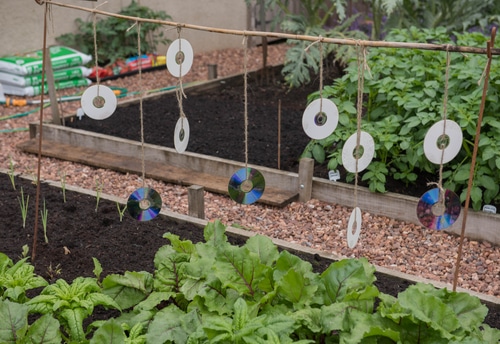
Image Source: moowy.co.uk
Why Birds Target Lawn Seed
Before we dive into the solutions, let’s quickly explore why birds are so attracted to your newly seeded lawn. For many bird species, especially small songbirds and ground feeders, tiny seeds are an excellent source of energy and nutrients. They are particularly drawn to seeds that are easily accessible, which is exactly what you’ve created when you sow your lawn. The process of preparing the soil and scattering the seed often leaves them exposed and readily available.
Factors Attracting Birds:
- Nutritional Value: Seeds are packed with carbohydrates and proteins essential for birds.
- Accessibility: Exposed seeds on the soil surface are easy for birds to find and consume.
- Moisture: Slightly damp soil after watering can make seeds more appealing.
- Visual Cues: The contrast of seeds against bare soil can catch a bird’s eye.
Effective Bird Deterrents for Lawn Seed
Fortunately, there are many ways to make your lawn less appealing to hungry birds. These bird deterrents range from simple physical barriers to visual and auditory methods.
1. Physical Barriers: Netting and Seed Covers
One of the most direct and effective ways to stop birds eating lawn seed is by creating a physical barrier.
Netting for Lawns
Netting for lawns is a tried-and-true method. It acts as a physical cage over your seeded area, preventing birds from reaching the ground.
Types of Netting:
- Mesh Size: Choose a mesh size that is fine enough to exclude birds but not so fine that it traps larger insects or hinders air circulation. A mesh size of around 1-inch to 1.5-inch is often suitable.
- Material: Bird netting is typically made from plastic or nylon. It should be UV-resistant to withstand sun exposure.
How to Use Lawn Netting:
- Preparation: After sowing your seed, lightly rake it into the soil.
- Placement: Lay the netting over the seeded area.
- Securing: Anchor the edges of the netting securely to the ground using landscape staples, rocks, or bricks. Ensure there are no gaps where birds can enter. You can also use stakes to create a more elevated barrier, allowing some air circulation while still blocking access.
- Duration: Keep the netting in place until the grass has germinated and grown to a height where the seeds are no longer easily accessible, usually a few inches tall.
- Removal: Carefully remove the netting, ensuring no birds are trapped underneath.
Seed Covers
Beyond netting, seed covers offer another layer of protection. These are materials placed directly over the sown seed.
Options for Seed Covers:
- Straw or Hay: A thin layer of clean straw or hay can help hide the seeds and make them harder for birds to spot. Ensure it’s weed-free straw, as hay often contains seeds that will compete with your lawn.
- Burlap: Burlap or jute mats can be laid over the seeded area. They provide a good cover and retain moisture, aiding germination. They can be secured with landscape staples.
- Biodegradable Erosion Control Blankets: These are specifically designed for seeding and erosion control. They offer excellent seed protection and break down over time, becoming part of the soil.
Tips for Seed Covers:
- Even Distribution: Apply covers evenly to avoid creating shady spots that might hinder germination.
- Moisture Retention: Ensure the covers are kept moist, especially during dry periods, to promote seed germination.
- Removal: If using materials like burlap that don’t fully decompose, remove them once the grass is established to allow for proper sunlight and air circulation.
2. Visual Deterrents: Confusing and Scaring Birds
Birds are easily startled by movement and unusual sights. Harnessing this can be a very effective way to keep them away from your lawn seed.
Scare Tape
Scare tape, also known as bird tape or flash tape, is a highly reflective material that creates flashing light and a rustling sound when it moves in the wind. This visual and auditory stimulus can confuse and deter birds.
How to Use Scare Tape Effectively:
- Placement: Hang strips of scare tape from stakes or nearby trees and shrubs around the perimeter of your seeded lawn.
- Movement: Ensure the tape is positioned to catch the wind and move freely.
- Variety: Move the tape to different locations every few days. Birds can become accustomed to stationary objects, so changing the position is key to maintaining its effectiveness.
- Combination: Use scare tape in conjunction with other methods for better results.
Reflective Deterrents
Similar to scare tape, various reflective deterrents work by creating flashes of light that disorient birds.
Types of Reflective Deterrents:
- Mylar Balloons: Large, shiny balloons with predator-like eyes can be highly effective. Their movement and reflective surface scare birds.
- Old CDs or DVDs: Hanging old CDs or DVDs from strings can create distracting reflections.
- Aluminum Foil Strips: Strips of aluminum foil tied to stakes can also serve the purpose.
- Shiny Pinwheels: Brightly colored, reflective pinwheels can add movement and flash.
Best Practices for Reflective Deterrents:
- Strategic Placement: Position these items around the seeded area, ensuring they catch sunlight and create movement.
- Regular Repositioning: Like scare tape, moving these items regularly is crucial to prevent birds from habituating to them.
- Multiple Angles: Use a variety of reflective items placed at different heights and angles for maximum impact.
3. Auditory Deterrents: Sonic Repellents
While less common for small seeded areas, ultrasonic bird repellers can be considered for larger plots. These devices emit high-frequency sounds that are unpleasant to birds but usually inaudible to humans.
Considerations for Ultrasonic Repellers:
- Effectiveness: Their effectiveness can vary greatly depending on the species of bird, the terrain, and the density of the sound.
- Area Coverage: Ensure the device covers the entire seeded area.
- Potential for Habituation: Birds may eventually get used to the sounds if they are constant. Some devices have random patterns to combat this.
4. Natural Bird Repellents and Other Tricks
Sometimes, simpler, more natural approaches can be surprisingly effective.
Natural Bird Repellents
While there aren’t many “natural repellents” in the spray-and-pray sense for seeds, certain smells and tastes are disliked by birds. However, applying these directly to seeds can affect germination. The focus here is more on creating an unappealing environment.
- Capsaicin (Chili Pepper): Some gardeners have success sprinkling a small amount of cayenne pepper or chili powder on the soil after sowing and lightly raking it in. Birds dislike the taste and sensation. However, be cautious, as too much can harm beneficial insects or even the seeds themselves. Always test in a small area first.
- Smells: Strong smells like peppermint or eucalyptus are sometimes cited, but their effectiveness on seeds is questionable and likely temporary.
Other Tricks for Preventing Bird Damage
- Watering Schedule: Water your lawn early in the morning. This allows the surface to dry out before peak bird activity in the late morning and afternoon, making seeds less accessible and appealing.
- Soil Compaction: Lightly compacting the soil after sowing can make it harder for birds to peck at and dislodge seeds.
- Cover Crop: In some situations, you might consider sowing a very quick-growing, temporary cover crop like annual ryegrass alongside your lawn seed. This can act as a decoy, drawing birds to less desirable seeds while your main lawn seed germinates.
- Companion Planting (Less Practical for Lawns): For gardens, companion planting with strong-smelling herbs can deter pests. This isn’t directly applicable to lawn seeding but highlights the principle of using scent.
Protecting New Grass: A Multi-Pronged Approach
The best strategy for protecting new grass from birds is often a combination of methods. Relying on just one technique might not be enough.
Combining Deterrents for Maximum Effectiveness
Let’s look at how to combine some of these methods for optimal results:
- Initial Sowing & Raking: Sow your seed as usual and rake it lightly into the soil.
- Apply Seed Covers: Lay down a thin layer of straw or a biodegradable erosion control blanket. This immediately makes seeds less visible.
- Install Visual Deterrents: Place stakes around the perimeter of the seeded area and attach strips of scare tape and a few hanging CDs. Ensure they will move with the wind.
- Watering: Water the area, ensuring the cover remains in place.
- Monitor and Adjust: Check the area daily. If you see persistent bird activity, add more visual deterrents or adjust their positions. If using straw, ensure it doesn’t get too dry, which might make it less effective as a cover.
This layered approach ensures that birds face multiple obstacles and deterrents, significantly increasing the chances of your seed germinating successfully.
The Importance of Timing and Persistence
Preventing bird damage isn’t a one-time fix. It requires vigilance during the critical germination and establishment phase.
- Germination Window: The period from sowing until the grass is a few inches tall is the most vulnerable. This can take anywhere from one to three weeks, depending on the grass type and conditions.
- Adaptation: Birds are intelligent. They will learn to ignore static deterrents. Therefore, consistency in repositioning scare tape, reflective items, and even occasionally moving netting supports is vital.
- Weather: Wind can be your friend, making scare tape and reflective items more effective. However, heavy rain can wash away some deterrents or expose seeds.
Common Challenges and Solutions
Even with the best intentions, you might encounter some issues.
Challenge: Birds are Persistent
Problem: Birds are highly determined when hungry.
Solution: Layer your deterrents. Use netting and scare tape. Move deterrents frequently. Consider a decoy predator like a plastic owl or hawk, but remember to move these too, as birds will learn they are not a threat.
Challenge: Netting Tangling Grass
Problem: As the grass grows, netting can become entangled.
Solution: Raise the netting using stakes or hoops to keep it several inches above the soil. This provides better airflow and reduces the risk of tangling. Remove the netting as soon as the grass is tall enough to be safe.
Challenge: Other Pests
Problem: While you’re deterring birds, other pests like squirrels or mice might become interested.
Solution: Some deterrents, like raised netting, can also help deter ground-dwelling pests. Ensure your seed is properly raked into the soil, as this makes it less accessible to rodents.
Frequently Asked Questions (FAQ)
Q1: What is the best way to stop birds from eating lawn seed?
The most effective method is a combination approach. Using physical barriers like netting for lawns or dense seed covers is highly recommended, supplemented by visual deterrents such as scare tape or reflective deterrents to confuse and startle them.
Q2: Can I use ultrasonic bird repellers for my lawn seed?
Ultrasonic bird repellers can be used, but their effectiveness varies widely. They are generally more suited for larger areas and may not be cost-effective for a typical home lawn. Birds can also habituate to constant sounds.
Q3: How long should I leave netting on my lawn?
Leave netting for lawns in place until your grass has germinated and reached a height of at least 2-3 inches. This ensures the seeds are no longer easily accessible to birds.
Q4: Will chili powder work as a bird repellent for lawn seed?
Yes, sprinkling a small amount of cayenne pepper or chili powder on the soil after sowing can deter birds due to its unpleasant taste. However, use it sparingly and test it in a small area first, as excessive amounts could harm the seeds or beneficial insects.
Q5: My neighbor’s birds are coming to my lawn. What can I do?
Deterrents need to be applied to your seeded area. If birds are coming from nearby, a more robust combination of deterrents, especially netting for lawns, will be necessary to create a truly protective barrier.
Q6: How can I protect new grass without using chemicals?
Many effective methods rely on physical barriers and visual/auditory deterrents, such as netting for lawns, seed covers (straw, burlap), scare tape, and reflective deterrents. Natural repellents like chili powder (used cautiously) also fall into this category.
Q7: Are bird spikes useful for preventing birds from eating lawn seed?
Bird spikes are primarily designed for perching areas like ledges, roofs, and fences. They are generally not suitable or effective for preventing birds from accessing seeds on the ground.
By implementing these proven methods, you can significantly reduce the chances of birds raiding your lawn seed and ensure a lush, green carpet of grass. Persistence and a multi-layered strategy are your best allies in this endeavor.