
Can you stop dandelions in your lawn? Yes, you can! By using a combination of smart lawn care practices and targeted weed control methods, you can effectively eliminate and prevent dandelions from taking over your yard.
Dandelions are a common and often unwelcome sight in many lawns. Their bright yellow flowers are pretty, but their fluffy seed heads can spread quickly, leading to more weeds. Plus, they can compete with your grass for nutrients and water. Getting rid of them is a key part of good lawn maintenance. This guide will walk you through proven strategies for dandelion removal and keeping your lawn looking its best, from organic dandelion control to effective herbicide options.
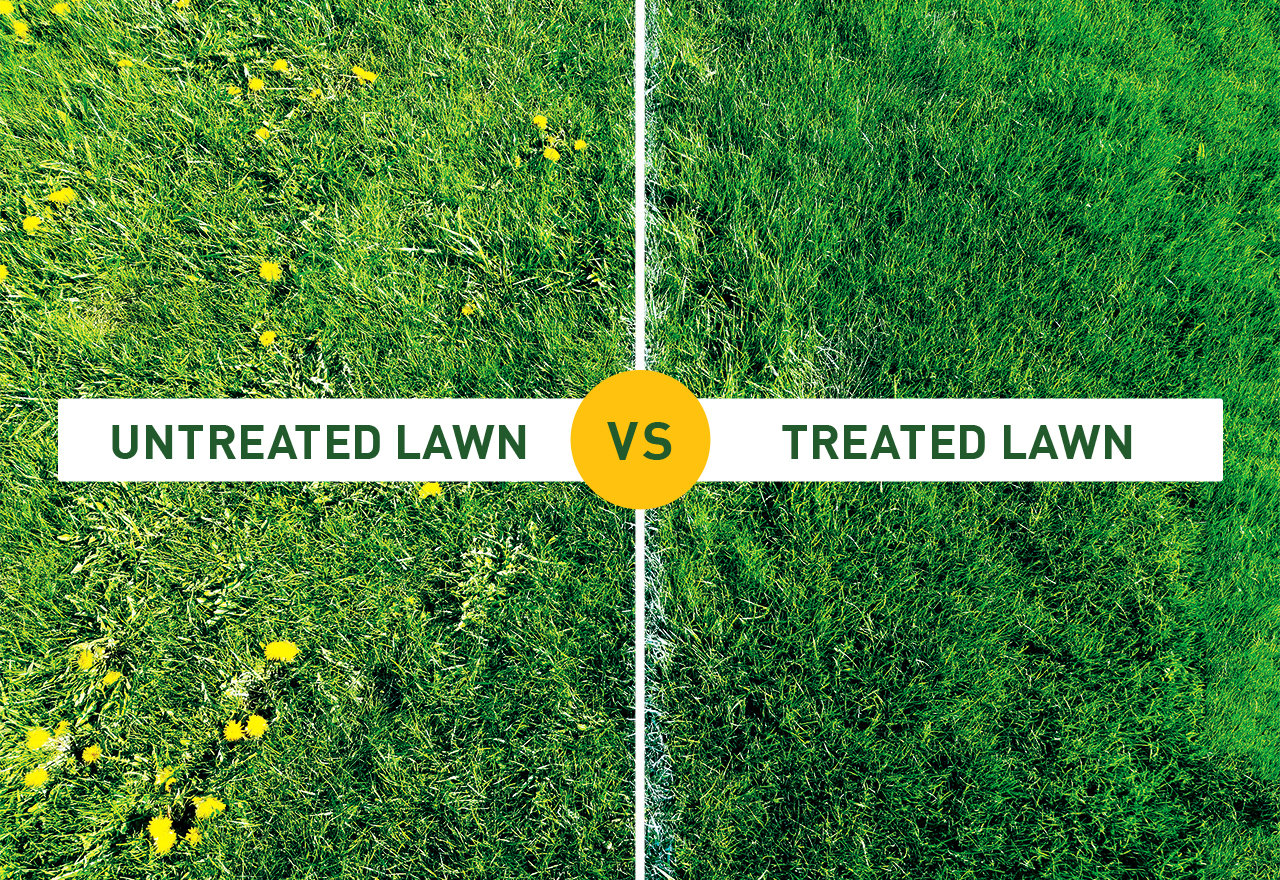
Image Source: www.whygoodnature.com
Why Dandelions Take Root
To tackle dandelions, it helps to know why they like your lawn so much.
Understanding Dandelion Needs
Dandelions are tough. They can grow in many soil types. They like soil that is:
- Compact: Dandelions have taproots that can push through hard soil.
- Nutrient-Poor: They don’t need a lot of food to grow.
- Unevenly Watered: They can handle dry spells and periods of too much water.
Healthy, dense grass is the best defense against weeds. When your lawn is thin or weak, dandelions find it easy to move in.
The Dandelion Life Cycle
Knowing how dandelions reproduce helps us stop them.
- Seeds: A single dandelion plant can produce hundreds of seeds.
- Wind: The fluffy seeds are carried by the wind, spreading far and wide.
- Taproot: The long taproot anchors the plant and stores food. Cutting the top off doesn’t kill it.
Methods for Dandelion Removal
There are many ways to kill dandelions. You can choose methods that fit your needs, whether you prefer natural weed killer options or are looking for faster results with herbicide.
Manual Dandelion Removal
Sometimes, the simplest method is the best.
Pulling Dandelions by Hand
This is a great option for organic dandelion control.
- Timing: Pull them when the soil is moist. This makes it easier to get the entire taproot.
- Tools: Use a dandelion puller or a sturdy trowel. These tools help you dig around the root and pull the whole plant out.
- Be Thorough: Make sure to remove the entire taproot. If any part is left, the dandelion can grow back.
When to Pull:
| Time of Year | Best for: | Notes |
|---|---|---|
| Spring | Young plants before flowering | Easier to pull, prevents seeding |
| Fall | Re-emerging plants, before seeds | Weakens the plant for next season |
Using a Dandelion Weeder Tool
These tools are designed to reach deep into the soil.
- How they work: They have a long, pronged end that gets around the taproot.
- Benefits: They allow you to pull the dandelion without bending over too much. They also aim to remove the entire root.
Natural Weed Killer Options
For those who want to avoid chemicals, several natural weed killer solutions work.
Vinegar
Vinegar can kill dandelions.
- How it works: The acetic acid in vinegar burns the plant’s leaves.
- Application: Spray directly onto the dandelion leaves on a sunny, dry day.
- Caution: Household vinegar (5% acidity) may take repeat applications. Horticultural vinegar (20% acidity) is stronger but can also harm grass. Use it carefully and only on the weeds.
Boiling Water
A simple and effective natural weed killer.
- How it works: The heat destroys the plant cells.
- Application: Carefully pour boiling water directly onto the dandelion.
- Caution: This method will kill any plant it touches, including grass. It’s best for dandelions in cracks or along pathways.
Corn Gluten Meal
This is a pre-emergent option.
- How it works: It stops seeds from germinating.
- Application: Apply in early spring before dandelion seeds sprout.
- Limitations: It doesn’t kill existing dandelions. You need to apply it at the right time.
Chemical Weed Control (Herbicides)
Herbicide options are effective for quick dandelion removal.
Types of Herbicides
- Selective Herbicides: These target broadleaf weeds like dandelions but leave grasses unharmed. This is usually the best choice for lawns.
- Non-Selective Herbicides: These kill all plants they touch, including grass. Use them with extreme caution.
When to Apply Herbicides
- Spring: Best for targeting young dandelions before they flower and spread seeds.
- Fall: Also effective, as the plant is storing energy in its roots, making the herbicide more potent.
How to Apply Herbicides Safely
- Read the Label: Always follow the instructions on the product label.
- Spot Treatment: Apply herbicide only to the weeds, not the entire lawn. This reduces chemical use.
- Weather: Avoid applying when it’s windy, as the spray can drift onto desirable plants. Don’t apply before rain, as it might wash away.
- Personal Protection: Wear gloves and eye protection.
Dandelion Removal with a Sprayer
Using a sprayer allows for targeted application.
- Nozzle Choice: Use a low-volume spray nozzle to direct the herbicide precisely onto the dandelions.
- Mixing: Follow the product instructions carefully for the correct dilution.
Preventing Dandelions
The best way to have a weed-free yard is to prevent dandelions from growing in the first place.
Healthy Lawn Practices
A strong, dense lawn is your best defense.
Proper Mowing
- Height: Mow your grass at the higher end of the recommended range for your grass type. Taller grass shades the soil, making it harder for weed seeds to germinate.
- Sharp Blades: Use sharp mower blades. Dull blades tear grass, making it susceptible to disease and weeds.
- Clippings: Leave grass clippings on the lawn (grasscycling). They add nutrients back to the soil.
Watering Wisely
- Deep and Infrequent: Water your lawn deeply but less often. This encourages deeper root growth in your grass, making it more resilient.
- Avoid Shallow Watering: Light, frequent watering encourages shallow roots and makes the grass weaker, allowing weeds to establish.
Fertilizing
- Soil Test: Get a soil test to know what nutrients your lawn needs.
- Balanced Feeding: Use a balanced fertilizer according to your soil test results and the time of year. This helps your grass grow thick and healthy.
Aeration
Lawn aeration is a vital practice for a healthy lawn.
- What it is: Aeration involves making small holes in the soil. This allows air, water, and nutrients to reach the grass roots.
- Benefits: It reduces soil compaction, which dandelions love. It also helps your grass grow stronger and thicker.
- When to Aerate: The best time to aerate is when your grass is actively growing, usually in the spring or fall.
Overseeding
Filling in thin spots is crucial.
- What it is: Spreading grass seed over your existing lawn.
- Benefits: This helps create a denser turf, leaving less space for weeds to sprout.
- When to Overseed: Fall is generally the best time for overseeding cool-season grasses, while late spring or early summer is good for warm-season grasses.
Integrated Weed Management
Combining different approaches is most effective.
The Power of a Healthy Turf
Think of your lawn as a living carpet.
- Thick Grass: The denser your grass, the less room weeds have to grow.
- Root Strength: Strong grass roots can outcompete weed roots for water and nutrients.
Timing is Everything
When you act matters.
- Early Intervention: Deal with dandelions when they are young and small. They are easier to pull and less likely to go to seed.
- Pre-Emergent Herbicides: If you have a history of dandelion problems, consider a pre-emergent herbicide applied in early spring to stop seeds from sprouting.
Seasonal Strategies
Tailor your lawn maintenance to the time of year.
Seasonal Lawn Care for Dandelion Control:
| Season | Focus | Actions |
|---|---|---|
| Spring | Preventative and Early Removal | Apply pre-emergent if needed. Hand-pull young dandelions. Aerate if soil is compacted. Fertilize appropriately. Mow high. |
| Summer | Maintenance and Targeted Removal | Water deeply. Spot-treat any remaining dandelions with herbicide or natural weed killer. Keep grass healthy. |
| Fall | Strengthening and Final Removal | Overseed thin areas. Continue hand-pulling. Apply post-emergent herbicide for any late-season growth. Prepare lawn for winter. |
| Winter | Planning | Review lawn maintenance plan. Order seeds or fertilizer if needed. |
Dealing with Dandelion Seeds
The fluffy seed heads are the next generation of weeds.
Preventing Seed Spread
- Mow Before Flowering: If you can’t pull them, mow them down before they turn into those fluffy seed balls. This prevents them from spreading by wind.
- Bag Your Clippings: If you mow over dandelions that have gone to seed, bag the clippings and dispose of them away from your lawn.
Special Situations
Sometimes dandelions pop up in tricky spots.
Dandelions in Flower Beds or Gardens
- Hand-pulling: This is usually the best method here, as you don’t want to spray herbicide near your plants.
- Mulching: A thick layer of mulch can suppress weed growth.
Dandelions in Driveway Cracks
- Boiling Water: A safe and effective way to kill dandelions in these areas.
- Vinegar Spray: Can also be used, but be careful of runoff onto your lawn.
- Weed Torches: For those comfortable with them, a quick pass with a weed torch can burn out weeds in cracks.
Frequently Asked Questions (FAQ)
Q1: When is the best time to pull dandelions?
A1: The best time to pull dandelions is when the soil is moist, usually after rain or watering. This allows you to remove the entire taproot, which is crucial for effective dandelion removal. Spring and fall are ideal seasons for this.
Q2: Can I use herbicide to kill dandelions?
A2: Yes, herbicide is an effective method for dandelion removal. Look for selective broadleaf herbicide products that target weeds without harming your grass. Always read and follow the label instructions carefully for safe and effective application.
Q3: What is organic dandelion control?
A3: Organic dandelion control involves methods that don’t use synthetic chemicals. This includes hand-pulling, using natural weed killer like vinegar or boiling water, and promoting a healthy, dense lawn through practices like proper mowing, watering, and lawn aeration.
Q4: How can I prevent dandelions?
A4: The key to prevent dandelions is to maintain a healthy, thick lawn. This means proper mowing at a higher height, deep watering, regular fertilization, and lawn aeration. A dense turf leaves no room for weed seeds to germinate and grow.
Q5: Will mowing stop dandelions?
A5: Mowing can help prevent dandelions from going to seed and spreading, but it won’t kill dandelions that are already established. The plant will likely regrow from its taproot if it’s not completely removed.
Q6: Is lawn aeration good for getting rid of dandelions?
A6: Lawn aeration doesn’t directly kill dandelions, but it significantly improves the health of your grass. Healthier grass grows thicker and can better compete with weeds like dandelions, making it harder for them to establish. It’s a crucial part of long-term weed control and lawn maintenance.
By applying these expert tips, you can significantly reduce and prevent dandelions in your lawn, enjoying a greener, healthier, and more beautiful yard. Consistent lawn care is the most effective strategy for long-term weed control.