
Can you stop dogs from pooping on your lawn? Yes, you can effectively stop dogs from pooping on your lawn through a combination of training, deterrents, and good yard management. This comprehensive guide will walk you through proven methods for achieving a cleaner, more pleasant outdoor space.
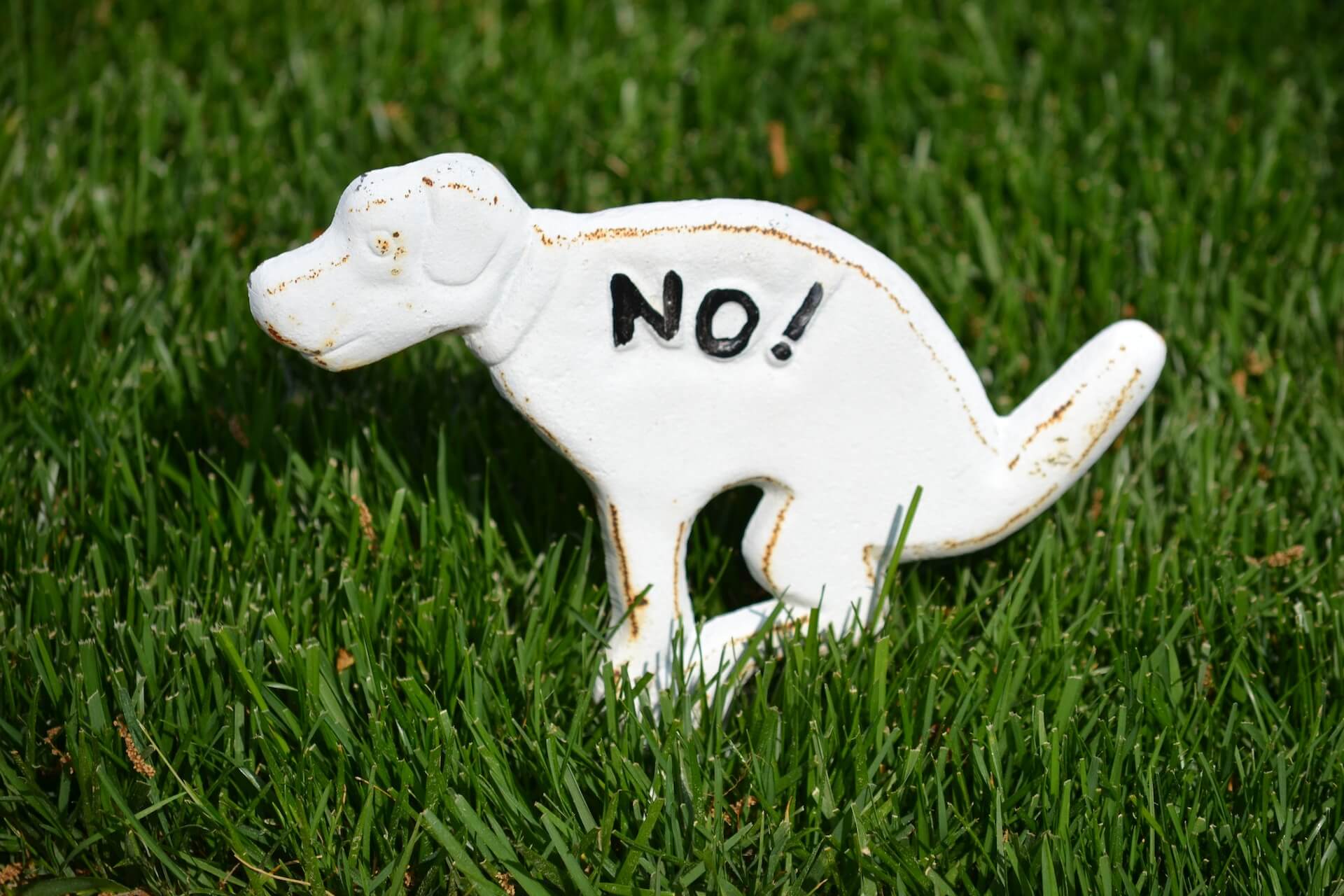
Image Source: www.boredpanda.com
Why Dogs Poop on Lawns
Before we dive into solutions, it’s helpful to grasp why dogs choose specific spots. Dogs often poop in yards for several reasons: territorial marking, natural instinct, seeking soft surfaces, or simply because it’s a convenient spot. For owners, it’s about preventing dog waste and maintaining a tidy yard. For neighbors, it means dealing with unwanted surprises. This guide focuses on backyard dog control and general lawn care tips to keep your grass pristine.
Strategies for Immediate Relief
When you’re facing an immediate problem with neighborhood dogs using your lawn as a bathroom, quick solutions are key.
Natural Deterrents
Many common household items can act as dog deterrents without harming the dogs or your plants. These work by appealing to a dog’s senses, often by smell.
- Citrus Peels: Dogs generally dislike the strong scent of citrus. Scatter orange, lemon, or grapefruit peels around the perimeter of your lawn.
- Vinegar Solution: Mix equal parts white vinegar and water. Spray this solution around the edges of your lawn. Reapply after rain.
- Coffee Grounds: Used coffee grounds can deter dogs. Sprinkle them around your lawn. They also act as a mild fertilizer.
- Cayenne Pepper: While effective, use this with caution. Dogs can irritate their eyes and noses if they ingest too much. Sprinkle a small amount along borders. Reapply after rain.
Physical Barriers
Sometimes, a simple physical barrier is the most effective way to keep dogs off your lawn.
- Small Fencing: A low decorative fence around your garden beds or the entire lawn can be a visual cue and a physical obstacle.
- Motion-Activated Sprinklers: These devices detect movement and spray a burst of water, startling dogs and discouraging them from returning. They are humane and effective.
Long-Term Solutions and Pet Training
For lasting success, especially if it’s your own dog or a recurring issue with neighborhood pets, focusing on pet training and dog behavior modification is crucial.
Outdoor Potty Training
If the issue is with your own dog, mastering outdoor potty training is essential.
- Consistency is Key: Take your dog to the same designated potty spot in your yard at consistent times, especially after waking up, after meals, and before bed.
- Positive Reinforcement: When your dog successfully eliminates in the chosen spot, praise them enthusiastically and offer a small treat immediately. This positive association is vital for housebreaking puppy and reinforcing good habits.
- Leash Walks to Potty Spot: Initially, guide your dog to their potty area on a leash. This helps them focus and prevents distractions.
- Clean Up Immediately: Always clean up your dog’s waste promptly. This removes the scent markers that attract other dogs to the same spot and is part of safe lawn care.
Dog Behavior Modification for Existing Habits
If your dog has a habit of pooping in unwanted areas of the yard, or if neighborhood dogs are the issue, you can employ specific dog behavior modification techniques.
- Identify Triggers: Observe when and where dogs are pooping. Is it at a specific time? Near a certain bush? This helps tailor your approach.
- Supervision: When you can’t actively supervise your dog outside, consider using a tie-out or keeping them in a designated, enclosed area.
- Scare Tactics (Use with Caution): Loud noises or a spray bottle of water can deter dogs. However, these methods should be used sparingly and not in a way that creates fear or anxiety. The goal is to discourage the behavior, not to traumatize the animal.
Dog Urine Repellent and Odor Neutralizers
Sometimes, even after cleaning, residual odors can attract dogs back to the same spot.
- Enzymatic Cleaners: These cleaners break down organic matter and eliminate odors effectively. They are essential for truly sanitizing the area.
- Commercial Dog Urine Repellent Sprays: Many products are available that use scents dogs dislike to deter them from specific areas. Look for ones that are safe for plants and pets.
Creating an Uninviting Environment for Unwanted Poopers
Making your lawn less appealing is a proactive approach to preventing dog waste.
Safe Lawn Care Practices
When using deterrents, always prioritize safe lawn care.
- Test Areas: Before applying any deterrent to your entire lawn, test it on a small, inconspicuous area to ensure it doesn’t damage your grass or plants.
- Natural is Often Best: Prioritize natural deterrents like citrus peels, vinegar, or coffee grounds, as they are less likely to harm the environment or the animals.
- Avoid Harsh Chemicals: Steer clear of chemical repellents that can be toxic to pets, children, or beneficial insects.
Enhancing Your Yard’s Appeal for You, Not Them
Focus on making your lawn a pleasant space for your family and pets, while subtly discouraging others.
- Regular Mowing and Edging: A well-maintained lawn is less likely to be seen as an open “potty area” by stray dogs.
- Secure Boundaries: Ensure any fences are secure and there are no easy access points for neighborhood dogs.
Specific Dog Deterrents and Their Applications
Let’s delve deeper into specific dog deterrents and how to use them effectively.
Scent-Based Deterrents
Dogs rely heavily on their sense of smell. Exploiting this can be very effective.
- Citrus:
- Application: Place fresh orange, lemon, grapefruit, or lime peels directly on the soil around the affected areas.
- Mechanism: The strong, bitter scent is unpleasant to dogs.
- Reapplication: Needs to be done regularly, especially after rain or as the peels dry out.
- Vinegar:
- Application: Mix 1 part white vinegar with 1 part water. Spray liberally around the perimeter of your lawn and any specific spots where dogs have pooped.
- Mechanism: The acidic and pungent smell repels dogs.
- Reapplication: Every few days, and after rain.
- Coffee Grounds:
- Application: Sprinkle used coffee grounds generously around the lawn.
- Mechanism: The scent is thought to be off-putting, and the texture might also be a deterrent. It also benefits the soil.
- Reapplication: After mowing or rain.
- Cayenne Pepper/Chili Powder:
- Application: Sprinkle a light dusting around the edges of your lawn or problem spots.
- Mechanism: The spice irritates a dog’s nose and paws if they step on it or ingest it.
- Caution: Use very sparingly. It can cause discomfort to the dogs.
- Essential Oils (e.g., Peppermint, Eucalyptus, Citronella):
- Application: Mix a few drops with water and spray. Or soak cotton balls in the oil and place them strategically.
- Mechanism: Strong, pungent scents that dogs dislike.
- Caution: Ensure oils are diluted and safe for pets if your own dog has access. Some oils can be toxic in concentrated forms.
Taste-Based Deterrents
These can be used on specific items or areas.
- Bitter Apple Spray:
- Application: Spray directly onto garden furniture, planters, or other items dogs might chew on or pee near.
- Mechanism: Unpleasant taste deters chewing and marking.
- Note: Less effective for deterring pooping unless combined with other methods.
Sound and Motion Deterrents
These create an unpleasant experience without direct contact.
- Motion-Activated Sprinklers:
- Application: Position strategically to cover common entry points or problem areas.
- Mechanism: A sudden spray of water startles dogs, associating the area with an unpleasant surprise.
- Effectiveness: Very effective for deterring, humane.
Physical Barriers and Textured Deterrents
Altering the ground surface can make it less appealing.
- Gravel or Mulch:
- Application: Replace grass in small, problematic areas with rough gravel or mulch.
- Mechanism: Dogs often prefer soft, grassy surfaces for elimination.
- Scattered Objects:
- Application: Place small rocks, pinecones, or plastic garden forks (spikes pointing up) in specific areas.
- Mechanism: Uncomfortable texture for paws.
- Caution: Ensure these items don’t pose a hazard to your own pets or children.
Preventing Dog Waste: A Comprehensive Approach
Combining several methods is often the most effective way to achieve your goal.
Neighborly Diplomacy
If the issue is with a neighbor’s dog, a polite conversation can go a long way.
- Approach: Speak to your neighbor calmly and politely. Assume they are unaware their dog is causing an issue.
- Offer Solutions: Suggest they ensure their dog is supervised or consider outdoor potty training for their pet.
- Document: If the problem persists and becomes a nuisance, keep a record of dates and times.
Regular Yard Maintenance
A clean and tidy yard deters all sorts of pests, including unwanted canine visitors.
- Clean Up Immediately: If you have a dog, always pick up their waste promptly. This is crucial for safe lawn care and prevents attracting other dogs.
- Mow Regularly: Keep grass at a moderate height. Overgrown grass can be an attractive hiding spot for dogs to relieve themselves.
- Edge Garden Beds: Neat edges make the entire yard appear more maintained and less accessible for casual use.
Reinforcing Your Own Dog’s Behavior
For homeowners with dogs, consistent pet training is the bedrock of backyard dog control.
- Positive Reinforcement: As mentioned, rewarding good behavior is far more effective than punishing mistakes.
- Leash Control: Always supervise your dog when they are in the yard, especially during the housebreaking puppy stage.
- Designated Potty Area: Train your dog to use a specific spot. This makes cleanup easier and contains the waste.
Table of Deterrent Effectiveness
Here’s a quick comparison of common deterrents:
| Deterrent Type | Effectiveness (General) | Ease of Application | Longevity/Reapplication | Safety for Pets/Environment |
|---|---|---|---|---|
| Citrus Peels | Moderate | Easy | Low (needs frequent reapplication) | High |
| Vinegar Solution | Moderate to High | Easy | Moderate (reapply after rain) | High |
| Coffee Grounds | Low to Moderate | Easy | Moderate | High |
| Cayenne Pepper | High | Easy | Low (needs reapplication) | Moderate (use with caution) |
| Motion-Activated Sprinkler | High | Moderate | High (automatic) | High |
| Gravel/Mulch | High (in specific areas) | Moderate | High | High |
| Commercial Repellents | Varies by product | Easy | Varies | Varies (check labels) |
Frequently Asked Questions (FAQ)
Q1: Are there any safe and effective ways to deter dogs from pooping on my lawn without harming them?
A1: Yes, absolutely. Natural deterrents like citrus peels, vinegar solutions, and motion-activated sprinklers are effective and humane. Focusing on positive pet training for your own dog is also key.
Q2: My neighbor’s dog keeps pooping in my yard. What’s the best approach?
A2: Start with a polite conversation with your neighbor. If that doesn’t resolve the issue, consider using dog deterrents like motion-activated sprinklers or scent-based repellents along the property line.
Q3: I’m trying to teach my puppy to go outside. What are the essential steps for outdoor potty training?
A3: Consistency is vital. Take your puppy to a designated potty spot frequently, especially after waking up and meals. Praise and reward them generously when they eliminate in the correct spot. This forms the foundation for successful housebreaking puppy.
Q4: Can I use something to make my lawn smell less appealing to dogs?
A4: Yes, several scent-based deterrents can help. Vinegar solutions, diluted essential oils (like peppermint or eucalyptus), and even strategically placed coffee grounds can mask attractive odors and make your lawn less appealing. Ensure any product used is safe for your lawn and other animals.
Q5: What are the best dog urine repellent options that won’t damage my grass?
A5: Look for enzymatic cleaners to neutralize existing odors, as these break down organic matter without harsh chemicals. For repellents, natural options like diluted vinegar or commercially available pet-safe sprays are generally good choices. Always test on a small area first to ensure safe lawn care.
Q6: How can I use dog behavior modification to stop my dog from pooping in the wrong places in the yard?
A6: This involves consistent positive reinforcement for correct potty behavior and supervision to prevent accidents. If your dog has a habit, gently redirect them to their designated potty spot and reward them. For persistent issues, consult a professional dog trainer.
Q7: What are some practical lawn care tips to help with this problem?
A7: Regularly mowing, edging, and promptly cleaning up any dog waste (even your own dog’s) are crucial. Maintaining a well-kept yard makes it less inviting for dogs looking for a convenient spot. Secure fencing also plays a role in backyard dog control.
Q8: Are there any simple dog deterrents I can make at home?
A8: Absolutely! Many effective home remedies exist. Citrus peels, a diluted vinegar spray, and coffee grounds are easy to find and apply.
Q9: How do I ensure I’m practicing safe lawn care when using deterrents?
A9: Always read product labels, especially for commercial sprays. Prioritize natural deterrents. Test any substance on a small patch of your lawn first to check for adverse reactions before applying it broadly. Ensure deterrents are not toxic to wildlife or children.
Q10: What is the most effective way for overall backyard dog control regarding waste?
A10: A multi-faceted approach is best. This includes consistent pet training, using dog deterrents for unwanted visitors, maintaining your yard meticulously, and employing good dog behavior modification techniques if your own dog is part of the issue.
By implementing these strategies, you can effectively reclaim your lawn and enjoy a cleaner, more pleasant outdoor space. Remember that patience and consistency are key, especially when dealing with animal behavior.