
Can you prevent mushrooms from growing in your lawn? Yes, you can prevent mushrooms from growing in your lawn by addressing the underlying conditions that encourage their growth, primarily excess thatch and moisture.
Mushrooms, or toadstools as they are often called, popping up in your lawn can be a sign of a healthy ecosystem, but they can also indicate a deeper issue with your lawn’s health. While often harmless, they can be unsightly, and in some cases, indicate potential lawn disease or attract unwanted pests. Understanding why mushrooms appear and how to manage them naturally is key to a beautiful, healthy lawn. This comprehensive guide will walk you through everything you need to know to tackle your lawn care mushroom problem and reclaim your green space.
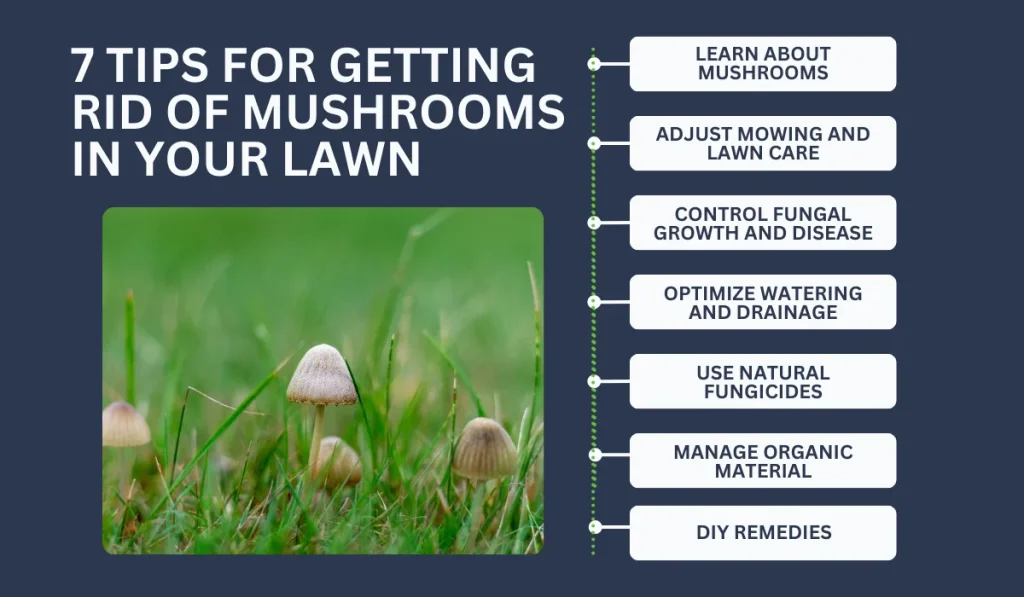
Image Source: sodlawn.com
Deciphering the Roots of Lawn Mushroom Growth
Mushrooms are the fruiting bodies of fungi that live underground. They thrive in specific conditions, and their presence is a clue to what’s happening beneath the surface of your lawn.
The Role of Thatch
Thatch is a layer of dead and living grass stems, roots, and debris that accumulates between the green grass blades and the soil surface. A thin layer of thatch is normal and can even be beneficial, but when it becomes too thick (more than half an inch), it creates a perfect environment for fungi.
- Moisture Retention: Thick thatch acts like a sponge, holding onto excess moisture.
- Nutrient Source: Decaying organic matter in thatch provides food for fungi.
- Insulation: It insulates the soil, keeping it moist and cool, ideal for fungal growth.
Moisture and Soil Conditions
Mushrooms, like all fungi, need moisture to grow. Excessive watering, poor drainage, or prolonged periods of damp weather can all contribute to mushroom outbreaks.
- Overwatering: Watering too frequently or too deeply can saturate the soil and thatch layer.
- Poor Drainage: If water doesn’t drain away effectively, it creates consistently wet conditions.
- Shady Areas: Shady parts of the lawn often stay moist for longer periods, making them prime spots for mushrooms.
- Compacted Soil: Compacted soil reduces air circulation and hinders water drainage, leading to dampness.
Organic Matter and Fertilization
The presence of decaying organic matter, such as fallen leaves, pet waste, or old grass clippings, provides a food source for the fungi. Certain fertilizers, especially those rich in nitrogen, can also stimulate fungal growth if applied excessively or incorrectly.
Natural Strategies to Control Lawn Mushrooms
The good news is that you don’t need harsh chemicals to control lawn mushrooms. By focusing on improving your lawn’s overall health, you can naturally discourage mushroom growth.
The Importance of Aeration
Lawn aeration mushrooms are a common sight, and aeration is one of the most effective ways to combat them. Aeration involves creating small holes in the soil to allow air, water, and nutrients to reach the grass roots.
- Reduces Thatch: Aeration helps break down the thatch layer, reducing the food source and moisture-holding capacity for fungi.
- Improves Drainage: It allows excess water to drain away more effectively, preventing soggy conditions.
- Enhances Airflow: Better airflow to the soil discourages the anaerobic conditions that fungi prefer.
How to Aerate:
- Timing: Aerate when your grass is actively growing. For cool-season grasses (like fescues and bluegrass), this is typically spring or fall. For warm-season grasses (like Bermuda and Zoysia), it’s late spring or early summer.
- Method: Use a core aerator, which pulls plugs of soil from the ground. Leave these plugs on the lawn; they will break down and return nutrients to the soil.
- Frequency: Aerate once a year, or twice a year if you have significant thatch buildup or soil compaction.
Dethatching Your Lawn
Removing excessive thatch is crucial for eliminating mushroom habitats. This process, known as dethatching or power raking, physically removes the accumulated debris.
- When to Dethatch: Similar to aeration, dethatch when your grass is actively growing.
- How to Dethatch: Use a power rake or a dethatching rake. These tools have tines that dig into the thatch layer and pull it to the surface.
- After Dethatching: Rake up the loosened thatch and dispose of it. You may want to overseed any bare patches that appear after dethatching.
Managing Moisture Levels
Controlling the amount of moisture in your lawn is a primary step in preventing mushrooms.
- Water Wisely: Water deeply but infrequently. Aim for about one inch of water per week, allowing the soil to dry out slightly between waterings. Water early in the morning so the grass has time to dry before evening.
- Improve Drainage: If your lawn holds water, consider installing a drainage system or amending the soil with organic matter to improve its structure.
- Sunlight: Trim overhanging branches or thin out dense shrubs that cast too much shade on your lawn. More sunlight helps the grass and soil dry out faster.
Natural Mushroom Killer Lawn Options
While the goal is prevention, you might want to deal with existing mushrooms. Here are some natural ways to tackle them.
Vinegar Solution
A simple solution of vinegar and water can help break down the mushroom caps.
- Recipe: Mix one part white vinegar with four parts water in a spray bottle.
- Application: Spray directly onto the mushrooms. This can kill the visible mushrooms, but it doesn’t address the underlying fungal network in the soil.
Baking Soda
Baking soda can alter the soil’s pH, making it less hospitable to certain fungi.
- Application: Sprinkle baking soda directly onto the mushrooms and the surrounding area.
Corn Gluten Meal
Corn gluten meal is a natural pre-emergent herbicide and can also inhibit fungal growth.
- Application: Apply it to your lawn in the spring and fall. It works best when watered in and then allowed to dry.
Removing Fairy Rings
Fairy rings are circular patterns of mushrooms, often accompanied by darker green or dead grass. They are caused by specific types of fungi.
-
Natural Removal: The most effective natural method for removing fairy rings is through diligent lawn care.
- Aeration and Dethatching: These practices are crucial for breaking up the fungal network.
- Improve Soil Health: Healthy soil with good drainage and airflow will naturally outcompete the fungi causing fairy rings.
- Watering: Proper watering techniques can help the grass within and around the ring thrive, masking the appearance.
- Fertilization: Balanced fertilization can help the grass recover.
-
Physical Removal: For small, localized fairy rings, you can try to physically remove the affected soil to a depth of about 12 inches and replace it with fresh topsoil and seed. This is labor-intensive but can be effective.
What About Removing Existing Mushrooms?
While preventing growth is ideal, what’s the best way kill lawn mushrooms that have already appeared?
- Physical Removal: The simplest method is to pick them by hand or use a spade to dig them out, including the base of the stem. This prevents them from spreading spores.
- Disposal: It’s best to dispose of the mushrooms in a sealed bag in your trash, rather than composting them, to avoid spreading spores.
- Lawn Mowing: Mowing your lawn at a regular height will cut down existing mushrooms, but it won’t eliminate the fungal network.
Preventing Recurrence: Long-Term Lawn Health
Stopping mushrooms is a continuous process of maintaining a healthy lawn.
Regular Lawn Maintenance
Consistent care is your best defense against recurring mushroom problems.
- Mow at the Correct Height: Avoid cutting your grass too short. Taller grass shades the soil, keeping it cooler and moister, which can paradoxically help healthy grass outcompete fungi. Check the recommended mowing height for your grass type.
- Fertilize Appropriately: Use a balanced fertilizer and follow the recommended application rates for your grass type. Avoid over-fertilizing, especially with nitrogen.
- Rake Leaves: Don’t let fallen leaves accumulate, as they contribute to thatch and provide a food source for fungi.
Soil Health and Amendments
Improving your soil’s structure and health is fundamental.
- Add Compost: Top-dressing your lawn with compost annually can improve soil structure, drainage, and nutrient content, making it less hospitable to mushroom-causing fungi.
- Test Your Soil: A soil test can reveal nutrient deficiencies or imbalances that might be contributing to lawn problems.
Addressing Specific Lawn Diseases
Sometimes, mushrooms are a symptom of a more significant lawn disease treatment need.
- Identify the Disease: Observe other symptoms on your grass, such as discolored patches, wilting, or unusual spots.
- Consult an Expert: If you suspect a serious lawn disease, consult a local extension office or a professional landscaper for diagnosis and treatment recommendations.
Expert Tips to Control Lawn Mushrooms Naturally
Here’s a summary of expert advice for natural mushroom control:
- Prioritize aeration and dethatching. These are your most powerful tools for breaking down thatch and improving soil conditions.
- Master your watering habits. Deep, infrequent watering is key.
- Ensure good sunlight exposure. Trim trees and shrubs to allow more light.
- Keep your lawn clean. Rake leaves and remove other organic debris promptly.
- Feed your lawn wisely. Use balanced fertilization practices.
- Boost soil health. Incorporate compost annually.
- Physically remove existing mushrooms. Dispose of them properly to prevent spore spread.
Can I Use Chemicals to Kill Lawn Mushrooms?
While chemical fungicides are available, natural methods are generally preferred for their safety and ability to address the root cause of the problem. The goal is to create an environment where fungi can’t thrive, rather than just killing the visible mushrooms. If you must use chemicals, opt for products specifically labeled for fungal control in lawns and follow instructions precisely. However, these often only kill the surface mushrooms and do not solve the underlying issue.
When Do Mushrooms Grow in Lawns?
Mushrooms typically appear in lawns during periods of warm, moist weather, often after rain. This can be in spring, summer, or fall, depending on your climate and grass type. They are particularly common in areas with thick thatch, poor drainage, or a lot of decaying organic matter.
Frequently Asked Questions About Lawn Mushrooms
Here are some common questions and their answers regarding mushrooms in lawns:
Are Lawn Mushrooms Dangerous to Pets or Children?
Some mushroom species are toxic if ingested. While most common lawn mushrooms are not highly poisonous, it’s always safest to prevent pets and children from eating them. If you suspect ingestion, contact your veterinarian or a poison control center immediately. Physical removal is the best way to ensure safety.
Do Mushrooms Harm My Grass?
While mushrooms themselves don’t directly harm the grass, their presence often indicates underlying conditions like excessive thatch and moisture that can harm your grass, making it more susceptible to disease and stress. Some fairy rings can eventually kill the grass in the ring.
What Are Fairy Rings, and How Do I Get Rid of Them?
Fairy rings are circles of mushrooms and/or altered grass color. They are caused by specific soil fungi. The best way to get rid of them naturally is through consistent lawn care, including aeration, dethatching, proper watering, and fertilization, to promote healthy grass that can outcompete the fungi.
Is It Okay to Leave Mushrooms in My Lawn?
If you’re not concerned about the appearance, you can leave them. They are part of the natural soil ecosystem. However, if you want to prevent them from spreading spores or if they indicate underlying lawn health issues, it’s better to remove them and address the cause.
How Can I Prevent Toadstools in My Lawn Naturally?
Preventing toadstools naturally involves managing thatch, improving soil drainage, watering correctly, and ensuring adequate sunlight. These steps create a less favorable environment for fungal growth.
By implementing these natural and preventative strategies, you can effectively manage mushroom growth and cultivate a healthier, more beautiful lawn. Remember, a healthy lawn is the best defense against most problems, including unwanted fungi.