
Can you stop mushrooms from growing in your lawn? Yes, you can stop mushrooms from growing in your lawn by improving your lawn’s health and addressing the conditions that encourage fungal growth.
Mushrooms popping up in your lawn can be a common, albeit sometimes unwelcome, sight. While they can be a sign of a healthy soil ecosystem, many homeowners prefer a pristine, mushroom-free lawn. The good news is that you don’t need harsh chemicals to manage lawn mushrooms. By focusing on proper lawn care and addressing the root causes, you can effectively prevent these fungi from taking over your green space.
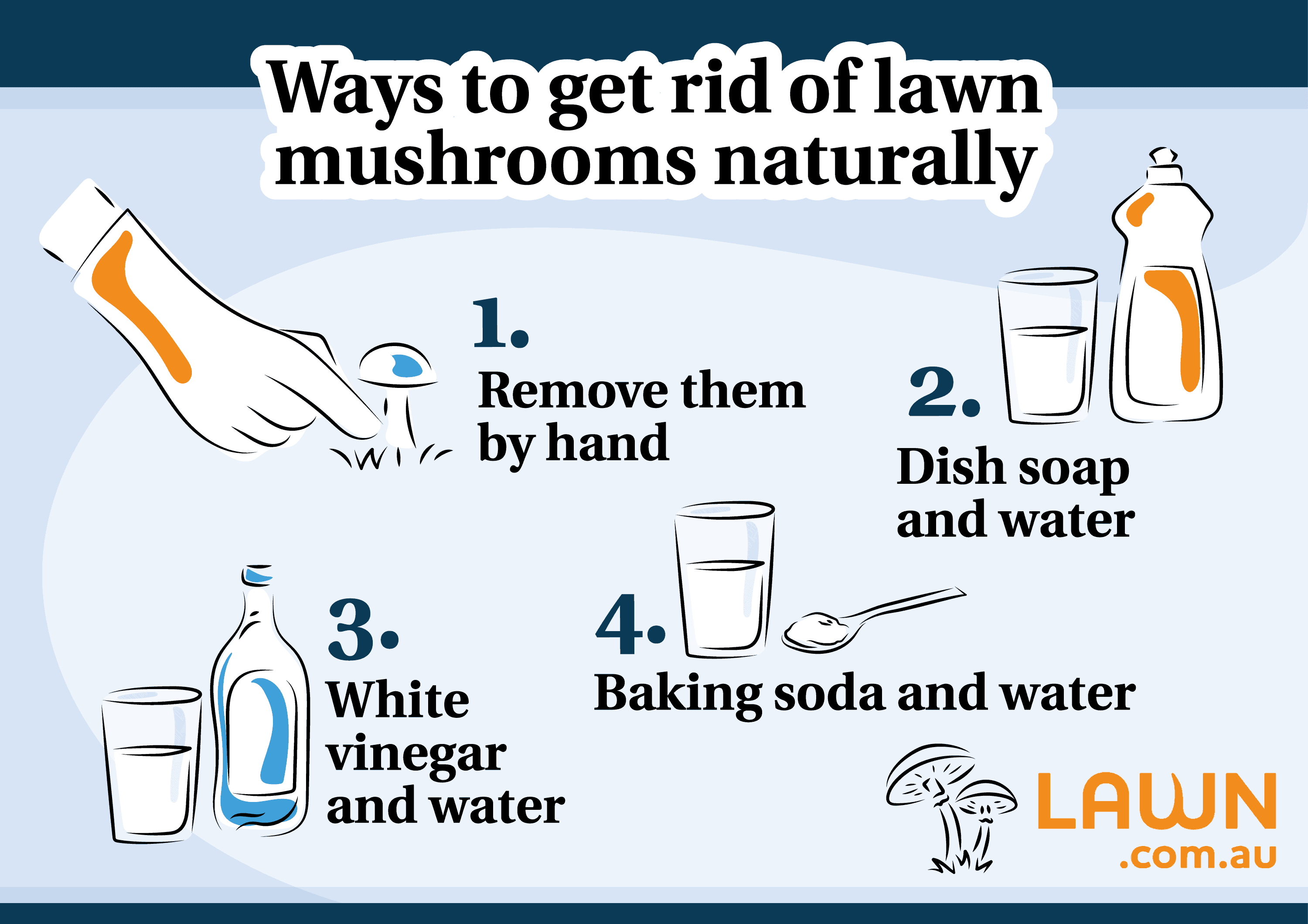
Image Source: lawn.com.au
Fathoming the Causes of Lawn Mushrooms
Mushrooms are the fruiting bodies of fungi that live underground in the soil. They appear when specific conditions are met, typically involving moisture, decaying organic matter, and a suitable temperature range. Several factors contribute to their proliferation:
- Excessive Moisture: Fungi thrive in damp environments. Waterlogged soil, poor drainage, or consistent overwatering create the ideal conditions for mushrooms to emerge.
- Decomposing Organic Matter: Mushrooms are nature’s recyclers. They feed on dead organic material, such as buried thatch, pet waste, fallen leaves, and even dead tree roots. When these materials break down, they provide a food source for fungi.
- Compacted Soil: Compacted soil restricts air and water movement. This can lead to localized damp spots, creating microclimates where mushrooms flourish.
- Shaded Areas: Shady spots in your lawn tend to stay moist for longer periods, making them prime real estate for fungal growth.
- Thatch Buildup: A thick layer of thatch (dead and living grass stems, roots, and leaves) acts like a sponge, holding moisture and providing a food source for fungi.
Identifying Lawn Mushrooms: A Closer Look
Before you can effectively manage lawn mushrooms, it’s helpful to identify lawn mushrooms and the conditions they indicate. Most common lawn mushrooms are harmless to your grass, but some can be associated with fungal lawn disease.
Common Types of Lawn Mushrooms
- Inky Caps: These mushrooms start as tall, slender capsules and quickly dissolve into an inky black liquid. They often appear in fairy rings.
- Field Mushrooms: Similar to edible varieties, these are common in lawns and pastures.
- Puffballs: These spherical mushrooms release their spores in a cloud when disturbed.
- Coprinus: This genus includes many types of inky caps.
While many lawn mushrooms are benign, it’s wise to be cautious. If you’re unsure about a particular mushroom, it’s best to err on the side of caution and avoid touching or consuming it. The presence of mushrooms, regardless of type, often signals an underlying issue with your lawn’s ecosystem.
Natural Mushroom Control: A Multi-Pronged Approach
Effective mushroom control in your lawn relies on improving its overall health and eliminating the conditions that fungi love. This means focusing on natural, preventative measures rather than quick fixes.
1. Manage Moisture Levels
Controlling moisture is paramount. Fungi need water to grow and spread.
- Water Wisely: Water your lawn deeply but infrequently. Aim for about 1 inch of water per week, delivered in one or two sessions. This encourages deeper root growth, making your grass more resilient. Avoid watering in the evening, as this leaves the grass blades damp overnight, creating an ideal environment for fungal growth.
- Improve Drainage: If your lawn is prone to waterlogging, consider improving its drainage. This might involve soil aeration or installing a drainage system.
- Check for Leaks: Inspect sprinkler systems for leaks or misaligned heads that might be creating overly wet spots.
2. Remove Decaying Organic Matter
Mushrooms feed on decomposition. Removing their food source is a key step in prevention.
- Clean Up Debris: Regularly rake fallen leaves, twigs, and other organic debris from your lawn.
- Address Pet Waste: Promptly remove pet feces, as they are a rich source of nutrients that can fuel fungal growth and contribute to lawn mold.
- Bury or Remove Dead Material: If you notice dead roots or buried wood, carefully remove them or ensure they are buried deeply enough to decompose without surfacing.
3. Improve Soil Health Through Aeration and Dethatching
Healthy soil is the foundation of a healthy lawn, and it’s less hospitable to fungi.
Soil Aeration: The Key to Better Soil
Soil aeration involves creating small holes in your lawn to allow air, water, and nutrients to penetrate the soil more easily. This is crucial for compacted soils.
- How Aeration Helps:
- Reduces soil compaction.
- Improves water infiltration.
- Enhances air circulation.
- Encourages deeper root growth.
- Helps break down thatch.
- When to Aerate: The best times to aerate are during the active growing seasons for your grass type: spring or fall for cool-season grasses, and late spring or early summer for warm-season grasses.
- DIY vs. Professional: You can rent a core aerator (which pulls out plugs of soil) or spike aerator (which pokes holes). For larger areas or severe compaction, hiring a professional service is often more efficient.
Thatch Removal: Clearing the Way
Thatch is a layer of dead and living organic matter that builds up between the soil surface and the green blades of your grass. A small amount of thatch is normal and beneficial, but excessive thatch can harbor fungi and prevent water and air from reaching the soil.
- What is Thatch? It’s a spongy layer composed of grass crowns, roots, stems, and leaves that haven’t decomposed quickly enough.
- When is Thatch a Problem? A thatch layer thicker than half an inch can lead to issues.
- Methods of Thatch Removal:
- Raking: For light thatch buildup, vigorous raking can help.
- Dethatching/Power Raking: This process uses specialized machines with vertical blades (scarifiers) to cut into the thatch layer and pull it to the surface for removal. This is most effective when done during the grass’s active growing season.
- Verticutting: Similar to power raking, verticutting cuts deeper into the thatch layer and can also help with surface roots.
Table 1: Aeration and Dethatching Schedule
| Lawn Care Task | Frequency | Best Time of Year |
|---|---|---|
| Soil Aeration | 1-2 times per year (depending on soil compaction) | Spring or Fall |
| Thatch Removal | 1-2 times per year (if thatch layer > ½ inch) | Spring or Fall |
4. Enhance Sunlight and Airflow
Mushrooms often appear in areas that are consistently damp and shaded.
- Prune Trees and Shrubs: Trim back overgrown trees and shrubs that cast dense shade on your lawn. This allows more sunlight and better air circulation, helping the soil dry out more quickly.
- Thinning Dense Turf: If your grass is exceptionally dense, it can trap moisture. While not always necessary, very dense turf might benefit from gentle thinning.
5. Fertilize Appropriately
Over-fertilizing, especially with nitrogen-rich fertilizers, can lead to rapid grass growth and a thick thatch layer, creating conditions favorable for fungi.
- Use Slow-Release Fertilizers: These provide nutrients gradually, promoting steady growth and reducing thatch buildup.
- Follow Application Guidelines: Apply fertilizer according to the product’s instructions and your grass type’s needs. Avoid fertilizing dormant or stressed lawns.
6. Mechanical Removal of Mushrooms
While not a long-term solution for prevent fungi, removing visible mushrooms can help reduce spore spread.
- Hand-Pulling: Simply pull the mushrooms out of the ground. It’s best to do this after a rain when the soil is moist, making them easier to remove.
- Dispose Properly: Place the removed mushrooms in a plastic bag and discard them in the trash to prevent spores from spreading.
- Lawn Mowing: Regularly mowing your lawn can also help break up mushroom caps and scatter them, but this is more of a cosmetic fix than a control method.
Dealing with Fairy Rings
Fairy rings are circular patterns of mushrooms that can appear in lawns. They are caused by fungal growth radiating outward from a central point underground.
- Nature of Fairy Rings: The mushrooms are just the visible part of a larger fungal colony. The ring itself can be composed of mushrooms, darker green grass (due to increased microbial activity and nitrogen), or dead, dry grass.
- Management:
- Aeration and Dethatching: These practices are essential for breaking up the fungal mycelium.
- Watering: Ensure the area within and around the fairy ring receives adequate water to promote healthy grass growth.
- Fertilization: Lightly fertilizing the entire lawn, including the fairy ring area, can help the grass blend in.
- Topdressing: For severe fairy rings, topdressing with compost can help improve the soil and encourage grass growth.
- Removing Mushrooms: As with individual mushrooms, physically remove any mushrooms that appear.
Natural Treatments for Mushroom Prevention
While the primary focus should be on cultural practices, some natural treatments can help discourage fungal growth.
Corn Gluten Meal
Corn gluten meal is a natural pre-emergent herbicide that also contains nitrogen, acting as a mild fertilizer. It works by inhibiting root formation in germinating seeds. While its primary use is weed control, some anecdotal evidence suggests it may also help deter fungal growth by altering soil conditions.
- Application: Apply corn gluten meal when the soil is dry and water it in. It’s often applied in early spring and fall.
- Effectiveness: Its effectiveness against fungi is not scientifically proven to the same extent as its weed-inhibiting properties.
Baking Soda (Use with Caution)
Baking soda is alkaline and can alter soil pH. While some people use it to try and kill mushrooms, it can also harm your grass if applied too heavily or too frequently.
- Method: A very dilute solution (e.g., 1 tablespoon of baking soda per gallon of water) can be sprayed directly on mushrooms.
- Risks: Overuse can damage grass. It’s not a recommended primary method for mushroom control.
Vinegar (Use with Extreme Caution)
Vinegar is acidic and can kill fungi and plants. However, it is also a non-selective killer, meaning it will harm your grass and beneficial soil organisms.
- Method: Diluted horticultural vinegar (20% acetic acid) is stronger than household vinegar. Apply sparingly and directly to the mushrooms, avoiding contact with grass.
- Risks: High risk of damaging your lawn. Not a sustainable or recommended method for lawn health.
Important Note: Always test any new treatment on a small, inconspicuous area of your lawn first to see how it affects your grass. The focus should remain on improving your lawn’s environmental conditions.
Maintaining Long-Term Lawn Health
Preventing lawn mushrooms is an ongoing process that centers on maintaining a healthy lawn.
- Regular Mowing: Mow at the correct height for your grass type. Taller grass shades the soil, keeping it cooler and moister, which can be good for the grass but also for fungi. However, cutting too short weakens the grass and can expose soil to drying.
- Proper Fertilization: Feed your lawn appropriately based on soil test results.
- Overseeding: In fall, overseeding can help fill in bare patches and promote a denser turf, which naturally outcompetes weeds and fungi.
- Monitor for Pests and Diseases: Healthy lawns are more resistant to problems. Be vigilant for signs of other issues that might weaken your turf.
When to Seek Professional Help
If you’ve tried these natural methods and continue to struggle with persistent mushroom growth or suspect a more serious fungal lawn disease, it might be time to consult a lawn care professional. They can help diagnose specific issues and recommend tailored treatment plans.
Frequently Asked Questions (FAQ)
Q1: Are lawn mushrooms harmful to my pets or children?
A1: Most common lawn mushrooms are not poisonous. However, it’s impossible to definitively identify lawn mushrooms without expert knowledge, and some can be toxic. The safest approach is to discourage pets and children from eating them and to remove any visible mushrooms from your lawn.
Q2: Can I just mow over the mushrooms?
A2: Mowing over mushrooms will break them up and temporarily remove them from sight. However, it doesn’t address the underlying causes of their growth and can even spread spores further across your lawn, potentially leading to more mushrooms. It’s better to remove them physically.
Q3: Why do mushrooms appear after rain?
A3: Rain provides the necessary moisture for the fungal mycelium (the underground network) to produce fruiting bodies (mushrooms). The increased humidity and moisture in the soil trigger their emergence.
Q4: Does overseeding help prevent mushrooms?
A4: Yes, overseeding can help. A denser, healthier turf crowd out fungi by competing for resources like light and nutrients and by creating a less favorable environment for mushroom growth.
Q5: What is the best way to identify lawn mushrooms?
A5: The best way is to consult a local extension office, a qualified arborist, or a mycologist. Online resources can be helpful, but proper identification can be tricky and requires expert knowledge. If you suspect a fungal lawn disease, professional identification is crucial.
By focusing on these natural and preventative strategies, you can significantly reduce and eventually eliminate unsightly lawn mushrooms, promoting a healthier, more robust lawn for years to come. Consistent and proper lawn care is the most effective path to a beautiful, mushroom-free yard.