
Image Source: lawnsavers.com
Expert Tips: How To Stop Raccoons From Digging Up Lawn
What causes raccoons to dig up lawns? Raccoons dig up lawns primarily in search of food, particularly grubs and earthworms, which are a rich source of protein. They also dig for insects and other small invertebrates hidden in the soil.
Dealing with raccoons digging up your lawn can be frustrating. You’ve invested time and effort into making your yard look nice, only to find unsightly holes and disturbed soil. This raccoon damage can be extensive, especially during certain times of the year. But don’t worry, there are effective ways to stop these masked bandits in their tracks. This guide will walk you through expert strategies for preventing digging and protecting your beloved green spaces from these persistent burrowing animals.
Why Raccoons Dig Up Lawns
To effectively stop raccoons from digging, it’s crucial to understand their motivations. Their primary driver is food. Your lawn, especially if it’s healthy and well-watered, can be a veritable buffet for them.
Grub and Insect Infestations
The most common reason raccoons target your lawn is the presence of grubs and other soil-dwelling insects. These plump larvae are a favorite food source. Raccoons have an incredible sense of smell and can detect these pests even beneath the soil. Their sharp claws are perfectly adapted for digging and unearthing their meals.
Seasonal Needs
During spring and fall, raccoons are particularly active in foraging. Pregnant females in spring need extra nutrition for themselves and their young, while all raccoons prepare for the leaner winter months by building up fat reserves. This increased foraging pressure means your lawn might become a more attractive target.
Habitat and Accessibility
Raccoons are adaptable creatures and often thrive in suburban and urban environments. Yards with easy access to shelter (like dense shrubbery, woodpiles, or unsealed sheds) and a consistent food source will naturally attract them. If your lawn is near a wooded area or a water source, it becomes an even more appealing habitat.
Identifying Raccoon Digging Damage
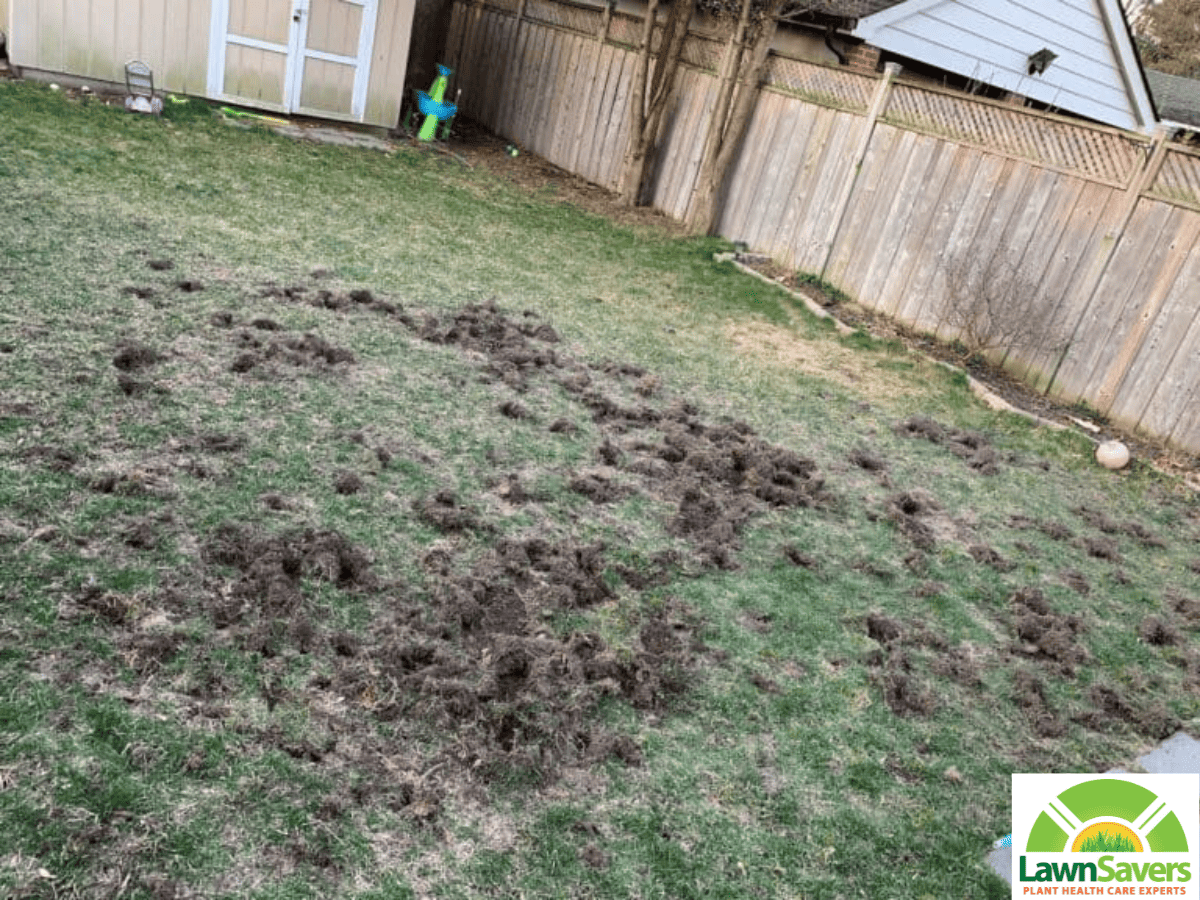
Distinguishing raccoon digging from other lawn disturbances is key to choosing the right solutions. Raccoon digging typically looks like torn-up sod or patches of disturbed soil, often in irregular, shallow holes.
Common Signs of Raccoon Activity
- Shredded Sod: You’ll often see pieces of your lawn pulled up and tossed aside.
- Shallow Holes: Unlike larger burrowing animals, raccoons usually make shallow divots rather than deep tunnels.
- Footprints: If the soil is moist enough, you might see their distinctive hand-like paw prints.
- Droppings: Raccoon scat can be found near their foraging areas.
Effective Raccoon Deterrents
Now that we know why they dig, let’s look at how to stop them. A multi-pronged approach using various raccoon deterrents is usually the most successful.
1. Natural Repellents
One of the most humane and environmentally friendly ways to deter raccoons is by using natural repellents. These methods aim to make your lawn less appealing without causing harm.
Key Natural Repellents:
-
Strong Scents: Raccoons have a sensitive sense of smell. Certain strong odors can be highly unpleasant for them.
- Cayenne Pepper or Hot Sauce: Sprinkle liberally around the affected areas. Reapply after rain or watering.
- Epsom Salts: The mineral taste and texture can be off-putting.
- Ammonia-Soaked Rags: Place ammonia-soaked rags in small containers (like old yogurt cups) around the perimeter of your lawn. Ensure they are placed where they won’t be directly ingested by pets or children. The fumes are what deter them.
- Castor Oil: Mix castor oil with water and a bit of mild soap (like dish soap) and spray it on your lawn. This creates an unpleasant taste and smell.
- Garlic or Onion: Chopped garlic or onions, or their sprays, can also be effective due to their strong odor.
-
Predator Urine: The scent of a natural predator, like coyote or fox urine, can make raccoons feel threatened and avoid the area. You can purchase these products at garden centers or online.
Application Tips for Natural Repellents:
- Consistency is Key: Reapply natural repellents regularly, especially after rain or heavy dew.
- Test Areas: Before applying widely, test a small area to ensure it doesn’t harm your lawn or plants.
- Safety First: Be mindful of pets and children when using strong-smelling substances like ammonia.
2. Physical Barriers and Exclusion
Creating physical barriers is a highly effective method for garden protection and wildlife exclusion. If raccoons can’t get to the food source or access your lawn easily, they’ll move on.
Methods for Physical Barriers:
-
Fencing: A sturdy fence can be a good deterrent.
- Height: At least 3-4 feet tall.
- Material: Chicken wire or hardware cloth is effective.
- Top Barrier: Crucially, raccoons are excellent climbers. Consider an outward-facing overhang (at least 6-8 inches) at the top of the fence, made from chicken wire or chicken wire mesh. This makes it difficult for them to climb over.
- Bottom Barrier: Bury the fence at least 6-12 inches into the ground to prevent them from digging under it. Raccoons can dig surprisingly well.
-
Netting: For specific garden beds or newly seeded areas, covering them with netting can prevent digging. Ensure the netting is secured at the edges.
-
Protecting Trash Cans: If your raccoons are also raiding your trash, ensure your bins have secure, locking lids. Store bins in a garage or shed if possible.
3. Habitat Modification
Making your yard less attractive to raccoons is a long-term strategy for lawn care solutions.
Key Modifications:
-
Eliminate Food Sources:
- Secure Trash: As mentioned, secure your garbage.
- Pet Food: Do not leave pet food outdoors, especially overnight.
- Fallen Fruit: Clean up fallen fruit from trees promptly.
- Bird Feeders: While not always practical to remove, bird feeders can attract rodents and insects that raccoons then prey on. Consider suspending them from poles with baffles or removing them during peak raccoon activity.
-
Remove Shelter:
- Brush Piles and Debris: Clear away brush piles, woodpiles, and other debris where raccoons might seek shelter.
- Seal Entry Points: Inspect sheds, decks, and crawl spaces for any openings and seal them with sturdy materials like hardware cloth or metal sheeting. Raccoons can squeeze through surprisingly small gaps.
4. Scare Tactics and Motion-Activated Devices
Raccoons are wary creatures, and surprising them can be an effective deterrent.
Effective Scare Tactics:
-
Motion-Activated Sprinklers: These devices detect movement and release a burst of water, startling raccoons and making them retreat. They are harmless and effective. Position them strategically in areas where raccoons are active.
-
Ultrasonic Devices: These emit high-frequency sounds that are unpleasant for raccoons (and other pests) but generally inaudible to humans and most pets. Their effectiveness can vary, and some animals may become accustomed to them over time.
-
Lights: Motion-activated lights can startle raccoons and make them feel exposed.
-
Noisy Items: Hanging wind chimes or placing radios near the affected areas can create noise that might deter them.
5. Addressing the Underlying Food Source (Grubs)
If grubs are the primary attractant, dealing with the grub infestation directly can be a game-changer.
Controlling Grubs:
- Beneficial Nematodes: These microscopic roundworms occur naturally and prey on grub larvae. They are a safe and effective biological control.
- Milky Spore: This is a naturally occurring bacterium that specifically targets Japanese beetle grubs. It takes a few seasons to become fully effective but offers long-term grub control.
- Insecticides: If the infestation is severe, you might consider chemical insecticides. Always follow product instructions carefully to avoid harming beneficial insects, pets, or the environment. Apply treatments in the early fall or late spring when grubs are most vulnerable.
6. Humane Trapping and Relocation (Last Resort)
In cases of persistent and severe raccoon damage, humane trapping and relocation might be considered. However, this is often a temporary solution and should be approached with caution and knowledge of local regulations.
Considerations for Trapping:
- Legality: Check your local wildlife laws. Relocating wildlife is often regulated or prohibited.
- Effectiveness: Trapping one raccoon may simply open up the territory for another.
- Stress to Animal: Relocation can be stressful and dangerous for the animal.
- Professional Help: If you choose this route, consider hiring a wildlife removal service that uses humane methods.
Lawn Care Solutions to Repair Raccoon Damage
Once you’ve deterred the raccoons, you’ll need to repair the damage. Proper lawn care solutions will help your lawn recover and become more resilient.
Repairing Dug-Up Areas
- Remove Debris: Clear away any leftover sod pieces or debris.
- Level the Soil: Rake the area to break up any clumps of soil and level the surface.
- Amend the Soil: If the soil is compacted or poor quality, mix in some compost or topsoil to improve drainage and fertility.
- Reseed or Sod:
- Reseeding: Sprinkle grass seed appropriate for your region over the repaired area. Lightly rake the seed into the soil and water consistently to encourage germination.
- Sodding: For faster results, lay down sod strips to cover the damaged patches.
Promoting a Healthy Lawn
A healthy, dense lawn is less appealing to grubs and harder for raccoons to dig into.
- Proper Mowing: Mow your lawn at the correct height for your grass type. Taller grass shades the soil, keeping it cooler and moister, which can deter some pests.
- Adequate Watering: Water your lawn deeply but infrequently. This encourages deep root growth, making the grass stronger.
- Regular Fertilization: Feed your lawn with appropriate fertilizers at the right times of year to promote healthy growth.
- Aeration and Dethatching: These practices improve soil structure and air circulation, leading to a healthier lawn.
Preventing Future Raccoon Problems
- Ongoing Vigilance: Keep an eye out for any signs of renewed raccoon activity.
- Maintain Deterrents: Continue to use natural repellents or maintain barriers as needed.
- Environmental Awareness: Be mindful of how your gardening and yard maintenance practices might inadvertently attract or deter wildlife.
- Community Effort: If you have neighborhood-wide issues with raccoons, consider discussing strategies with your neighbors.
Table: Comparison of Raccoon Deterrents
| Deterrent Type | Pros | Cons | Best For |
|---|---|---|---|
| Natural Repellents | Humane, eco-friendly, cost-effective | Needs frequent reapplication, effectiveness can vary | General deterrence, sensitive areas |
| Physical Barriers | Highly effective, long-term solution | Can be costly, requires installation, may affect aesthetics | Protecting specific areas, gardens, entire yards |
| Habitat Modification | Long-term solution, addresses root causes | Requires consistent effort, may involve lifestyle changes | Overall yard management, persistent problems |
| Scare Tactics | Startles animals, can be effective temporarily | Animals may get used to them, effectiveness varies | Discouraging activity, deterring new visits |
| Grub Control | Addresses primary food source, promotes lawn health | Can be time-consuming, may require chemical use for severe cases | Lawns with visible grub damage |
| Trapping/Relocation | Can remove individual problem animals | Regulated, potentially stressful for animal, temporary solution | Severe infestations where other methods fail |
Frequently Asked Questions (FAQ)
-
Q: Can raccoons dig deep holes like badgers?
- A: No, raccoons typically dig shallow holes in search of grubs and insects. They are not known for creating deep burrows for living.
-
Q: Are there any commercial products that are specifically for deterring raccoons from lawns?
- A: Yes, there are various commercial products. These include granular repellents with strong scents (like predator urine or garlic), ultrasonic devices, and motion-activated sprinklers. Always read reviews and product descriptions carefully.
-
Q: Will planting certain plants deter raccoons?
- A: While some plants have strong scents that might offer mild deterrence, it’s generally not a reliable primary method for preventing digging. Focusing on direct deterrents and habitat modification is more effective.
-
Q: Is it safe to use human hair or mothballs to deter raccoons?
- A: Human hair can sometimes work due to the scent of humans, but it’s not highly effective and needs frequent replenishment. Mothballs are not recommended for deterring raccoons or any wildlife. They are toxic and can harm pets, children, and the environment.
-
Q: How often do I need to reapply natural repellents?
- A: Natural repellents typically need reapplication every few days, and always after rain or heavy watering, as their scent can wash away or dissipate.
By implementing these expert tips and lawn care solutions, you can effectively stop raccoons from digging up your lawn and enjoy a beautiful, healthy yard once again. Remember that patience and persistence are key when dealing with garden pests and wildlife.