
Skunks digging up your lawn can be a real nuisance, leaving behind unsightly holes and a potential for unpleasant odors. Can you stop skunks from digging? Yes, you can effectively stop skunks from digging up your lawn through a combination of deterrents, habitat modification, and, if necessary, humane removal. This comprehensive guide will explore various methods to help you get rid of skunks lawn and prevent future digging.
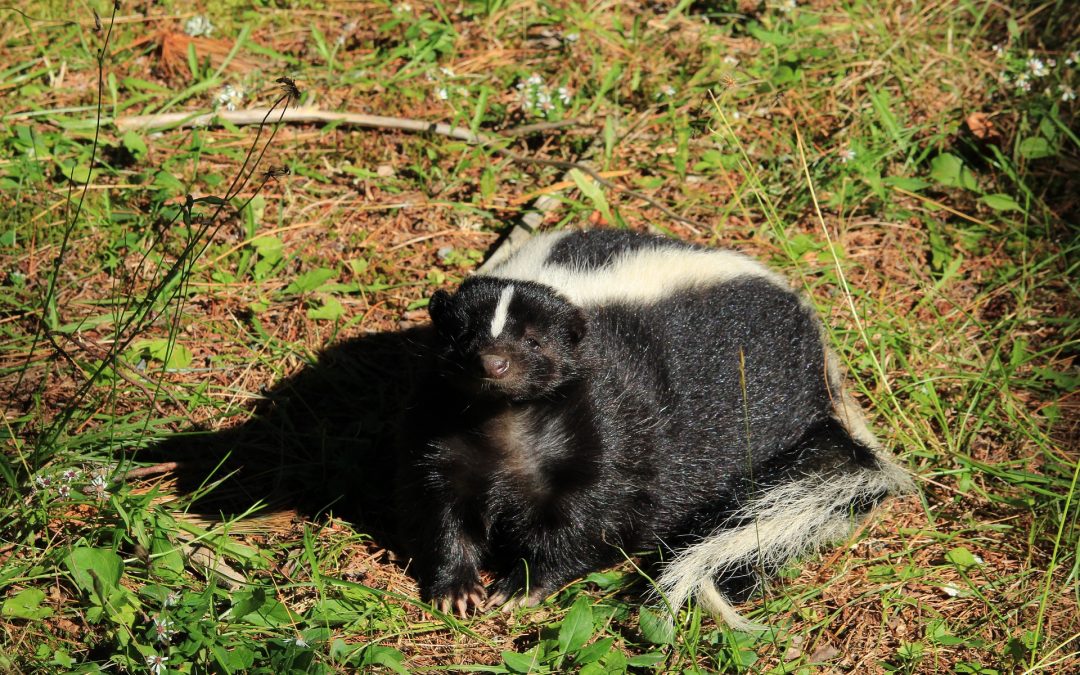
Image Source: animalcontrolspecialists.com
Why Do Skunks Dig?
Skunks are primarily insectivores, meaning their diet consists mainly of insects. They are particularly fond of grubs and beetle larvae, which burrow just beneath the surface of your lawn. The distinctive, shallow, cone-shaped holes that skunks leave behind are a tell-tale sign of their feeding activity. They use their sharp claws to unearth these tasty snacks.
Beyond insect hunting, skunks may also dig to create dens or expand existing burrows. They are nocturnal animals, and their digging activities are typically carried out under the cover of darkness.
Common Causes for Skunk Attraction
- Grub Infestations: A lush lawn with a healthy population of grubs is a buffet for skunks.
- Access to Shelter: Skunks seek out safe places to rest and raise their young. Overgrown bushes, woodpiles, or spaces under decks can provide attractive den sites.
- Water Sources: Proximity to a water source can also draw skunks to your property.
Implementing Effective Skunk Deterrents
When you’re facing skunk damage lawn, the first line of defense involves using skunk deterrents. These methods aim to make your property less appealing to skunks, encouraging them to seek food and shelter elsewhere.
Natural Repellents for Skunks
Several natural remedies can help deter skunks. These are often preferred for their safety around children and pets.
- Castor Oil: Skunks dislike the smell and taste of castor oil. You can create a spray by mixing a few tablespoons of castor oil with a gallon of water and a squirt of mild liquid soap. Spray this mixture around the perimeter of your lawn, focusing on areas where you’ve seen digging. Reapply after rain.
- Citrus Peels: Skunks are generally repelled by the strong scent of citrus. Scatter orange, lemon, or grapefruit peels around your yard, especially near affected areas.
- Peppermint Oil: Similar to citrus, the strong scent of peppermint can be off-putting to skunks. Soak cotton balls in peppermint oil and place them in strategic locations.
- Chili Powder/Cayenne Pepper: Skunks have sensitive noses and skin. Sprinkling cayenne pepper or chili powder around your lawn can irritate them and make them avoid the area. Be cautious when applying, as it can also irritate pets and humans.
Scent-Based Repellents
Commercial repellents for skunks often utilize strong odors that skunks find unpleasant.
- Ammonia: The sharp smell of ammonia mimics the scent of predator urine, which skunks instinctively avoid. Soak rags in ammonia and place them in shallow containers around your yard.
- Mothballs: While effective, mothballs should be used with extreme caution as they are toxic if ingested by pets or children. Place them in perforated bags or containers, away from areas frequented by animals.
- Predator Urine: You can purchase commercial repellents containing the urine of natural skunk predators like foxes or coyotes. These scents can signal danger to skunks.
Auditory and Visual Deterrents
Sometimes, a surprise or a persistent noise can scare skunks away.
- Motion-Activated Sprinklers: These devices detect movement and release a burst of water, startling skunks and making them avoid the area.
- Ultrasonic Devices: While their effectiveness is debated, some ultrasonic devices emit high-frequency sounds that are supposed to be unpleasant to skunks.
Preventing Skunks from Digging: Habitat Modification
Making your yard less attractive for skunks is a crucial part of preventing skunks digging. This involves eliminating food sources and potential shelter.
Eliminating Food Sources
- Secure Trash Cans: Skunks are attracted to the odors emanating from garbage. Use bins with tight-fitting lids and consider securing them further with bungee cords or weights.
- Remove Pet Food: Never leave pet food outdoors, especially overnight. Store it in a sealed container.
- Clean Up Fallen Fruit: If you have fruit trees, clean up any fallen fruit promptly.
- Address Grub Infestations: The most common reason for skunks digging is the presence of grubs. Healthy lawns are often a sign of underlying issues. Look for signs of grubs, such as patches of yellowing or browning grass that can be easily lifted like a carpet.
Identifying and Treating Grubs
- Inspection: In late summer or early fall, peel back a section of turf. If you see more than 5-10 grubs per square foot, treatment is likely necessary.
- Beneficial Nematodes: These microscopic worms are natural predators of grubs and can be applied to your lawn.
- Milky Spore: This is a naturally occurring bacterium that specifically targets Japanese beetle grubs. It is a longer-term solution.
- Chemical Treatments: If the infestation is severe, you might consider using grub control products. Always follow label instructions carefully and consider the impact on beneficial insects and the environment.
Eliminating Shelter
Skunks are adept at finding cozy places to hide. Make your property less inviting by:
- Sealing Entry Points: Inspect your home, shed, garage, and deck for any openings. Seal any holes or cracks with sturdy materials like hardware cloth or concrete. Skunks can squeeze through surprisingly small gaps.
- Clearing Debris: Remove overgrown vegetation, woodpiles, and debris that skunks could use for shelter. Keep your lawn mowed and trim back dense shrubbery near the ground.
- Blocking Access Under Decks and Sheds: Skunks often create dens under raised structures. Install hardware cloth or chicken wire around the perimeter of decks and sheds, burying it at least a foot deep to prevent burrowing underneath.
Humane Skunk Removal and Exclusion
When deterrents and habitat modifications aren’t enough, you may need to consider more direct skunk control methods. The goal should always be humane skunk removal and skunk exclusion to prevent them from returning.
Live Trapping
Live traps are an effective way to catch skunks.
- Trap Placement: Place traps along skunk travel paths or near burrows.
- Baiting: Use a combination of canned sardines, tuna, or peanut butter as bait. Place the bait at the back of the trap so the skunk must fully enter to reach it.
- Timing: Set traps in the evening, as skunks are most active at night.
- Checking Traps: Check traps frequently. It’s crucial to check them at least twice a day (morning and evening) to minimize stress on the captured animal.
- Relocation: If you catch a skunk, the next step is humane relocation. Contact your local animal control or wildlife removal service for guidance on legal and ethical relocation practices in your area. Relocating a skunk without proper knowledge can be detrimental to the animal and may be illegal in your region.
Skunk Burrow Removal
Sometimes, skunks establish permanent burrows. Skunk burrow removal involves ensuring the burrow is empty before sealing it.
- Observation: Watch the burrow for several days to confirm it’s no longer occupied. Look for signs of activity, such as fresh dirt or the skunk emerging at dusk.
- Blocking Entrances: Once you’re certain the burrow is empty, block all entrances with hardware cloth or sturdy wire mesh. Bury the mesh a few inches into the ground.
When to Call a Professional
Dealing with skunks can be challenging and potentially hazardous. If you’re unsure about any of these methods or if the problem persists, it’s best to contact a professional wildlife removal service. They have the expertise and equipment to handle skunk problems safely and effectively. They can also assist with skunk exclusion, ensuring that once removed, the skunks cannot regain access to your property.
Skunk-Proofing Your Garden and Lawn
Creating a skunk proof garden involves a multi-faceted approach to deter these animals from entering and causing damage.
Fencing
- Type of Fencing: A sturdy, waist-high fence made of galvanized hardware cloth (1/2-inch mesh) is effective.
- Installation: Ensure the fence is buried at least 6-12 inches into the ground to prevent skunks from digging underneath. The top of the fence should also be angled outward slightly to make it harder to climb over.
Protective Covers for Plants
- Burlap or Mesh: For vulnerable plants, consider covering them with burlap or fine mesh during the night. Remove the covers in the morning.
Maintaining a Healthy Lawn
A well-maintained lawn is less appealing to skunks looking for grubs.
- Proper Watering and Fertilizing: A healthy, dense turf is more resistant to grub infestations.
- Regular Aeration: Aerating your lawn can improve soil health and drainage, making it less conducive to grub populations.
Understanding Skunk Behavior and Prevention
A proactive approach to preventing skunks digging requires a basic understanding of their habits.
Skunk Activity Patterns
- Nocturnal: Skunks are primarily active from dusk until dawn. This is when they forage for food and travel.
- Seasonal Activity: Skunk activity can increase during mating season (late winter to early spring) and when raising young.
Long-Term Prevention Strategies
- Regular Property Maintenance: Keep your yard tidy, free of debris, and seal any potential entry points to structures.
- Integrated Pest Management: Focus on controlling grub populations as this is a primary attractant.
- Community Awareness: If skunks are a common problem in your neighborhood, talk to your neighbors about implementing similar prevention strategies. A community-wide effort is often more effective.
Common Misconceptions About Skunks
It’s important to dispel some common myths to approach skunk management effectively.
- Skunks are aggressive: Skunks are generally docile creatures and will only spray if they feel threatened. They typically give a warning by hissing, stamping their feet, and raising their tail.
- All skunks spray: Young skunks may not have full control of their spray glands, and older skunks may have exhausted their supply. However, it’s always best to assume they are capable of spraying and maintain a safe distance.
Summary of Effective Skunk Deterrents and Prevention
Here’s a quick reference table for the methods discussed:
| Method Category | Specific Techniques | Effectiveness | Notes |
|---|---|---|---|
| Natural Deterrents | Castor Oil spray, Citrus peels, Peppermint oil, Chili powder/Cayenne pepper. | Moderate to High. Requires consistent reapplication. | Safe for pets and children. Less likely to cause harm. |
| Scent-Based Repellents | Ammonia-soaked rags, Mothballs (use with extreme caution), Predator urine. | High. Can be very effective but may need frequent replenishment. | Mothballs are toxic. Ammonia smell can be strong for humans too. Predator urine mimics danger. |
| Auditory/Visual Deterrents | Motion-activated sprinklers, Ultrasonic devices. | Moderate. Motion sprinklers can be very effective if placed correctly. Ultrasonic effectiveness is debated. | Sprinklers can also deter other unwanted visitors. Ultrasonic devices are a passive approach. |
| Habitat Modification | Securing trash, removing pet food, cleaning fallen fruit, sealing entry points, clearing debris, blocking under decks. | Very High. Addresses the root causes of skunk attraction. | Crucial for long-term prevention. Focus on eliminating food and shelter. |
| Grub Control | Inspection, Beneficial nematodes, Milky spore, Chemical treatments (if necessary). | Very High. Directly removes a primary food source. | Essential for preventing digging for food. |
| Exclusion/Trapping | Live trapping and relocation, Sealing burrows with hardware cloth, Fencing. | High. Effective for immediate removal and long-term exclusion. | Humane removal is key. Professional help may be needed for safe trapping and relocation. Fencing needs proper installation to be effective. |
Frequently Asked Questions (FAQ)
Q1: How can I get rid of skunks digging in my garden without hurting them?
A: You can use humane methods like castor oil sprays, peppermint oil, sealing off their den entrances, and removing food sources. Live trapping and relocating them to a suitable habitat is also a humane option, but ensure you follow local regulations.
Q2: What is the best time of year to address skunk digging problems?
A: Late spring and summer are good times to address grub infestations, a primary cause of skunk digging. Addressing potential den sites in late fall or early spring before they become active is also beneficial.
Q3: My dog got sprayed by a skunk. What’s the best way to remove the odor?
A: A common and effective homemade remedy is to mix 1 quart of 3% hydrogen peroxide, 1/4 cup of baking soda, and 1-2 teaspoons of liquid dish soap. Wash your dog with this mixture immediately, avoiding their eyes and mouth. Rinse thoroughly. Commercial skunk odor removers are also available.
Q4: Are mothballs safe to use as a skunk deterrent?
A: Mothballs are toxic and should be used with extreme caution. They can be harmful to pets, children, and wildlife if ingested or inhaled. It’s generally recommended to explore safer alternatives first.
Q5: Can a skunk burrow under my house?
A: Yes, skunks are capable of digging and can create burrows under decks, sheds, and even houses if there are accessible spaces. Sealing these areas is crucial for skunk exclusion.
By implementing these strategies, you can effectively deter skunks from digging up your lawn and restore the beauty and integrity of your yard. Remember that consistency and a multi-pronged approach are key to success.