
Dealing with ants in your lawn can be a frustrating experience, turning your beautiful green space into a battleground. But what is the best way to get rid of ants in your lawn? The most effective approach often involves a combination of identifying the ant species, understanding their behavior, and employing targeted treatment methods. This comprehensive guide will walk you through everything you need to know for successful ant control and lawn pest removal.
Ants are not just a nuisance; a significant ant infestation can weaken your turf, create unsightly mounds, and even attract other pests. Fortunately, you don’t have to resort to harsh chemicals to achieve effective homeowner ant control. We will explore a range of solutions, from natural ant killer options and DIY ant treatment strategies to potent granular ant killer and ant killer spray products. Learn how to tackle ant mounds directly with specific ant mound treatment techniques and when to consider professional help.
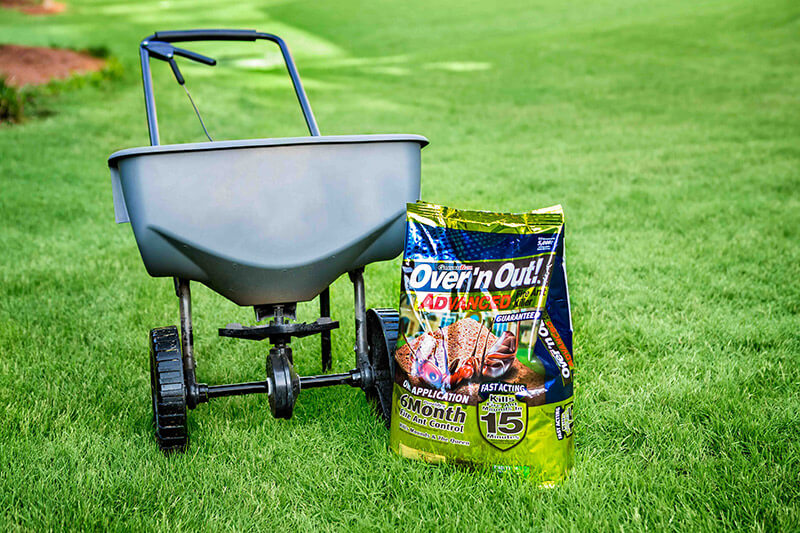
Image Source: www.gardentech.com
Identifying Your Ant Invaders
Before you can effectively treat ants in your lawn, it’s crucial to identify the type of ants you’re dealing with. Different ant species have different nesting habits and dietary preferences, which will influence the best treatment approach.
Common Lawn Ants
- Odorous House Ants: These small, dark brown to black ants are often found in large numbers and emit a foul, rotten coconut-like odor when crushed. They build shallow nests under stones, mulch, and in damp soil.
- Carpenter Ants: Larger than most other ants, carpenter ants are typically black or dark brown. They don’t eat wood but excavate tunnels within it to create nests. While they often nest in dead trees or stumps, they can also infest structures near your lawn. Their presence in the lawn might indicate a nearby nest in wood.
- Fire Ants: Known for their painful sting, fire ants are reddish-brown and create prominent mounds in open, sunny areas of the lawn. They are aggressive and can be a serious problem for both people and pets.
- Pavement Ants: These small, dark brown to black ants are often found nesting in cracks of sidewalks, driveways, and patios, but they can also create mounds in lawns, especially in disturbed soil.
- Thatching Ants: These ants are larger, often reddish-brown and black, and build large, visible mounds of pine needles, twigs, and other debris in wooded areas or near trees.
Why Identification Matters for Ant Control
Knowing your ant species helps in choosing the right bait or insecticide. For instance, baits containing protein or sugar might be more effective for certain species, while a direct contact killer might be necessary for aggressive ants like fire ants.
Natural Ant Killer and DIY Ant Treatment Strategies
For environmentally conscious homeowners, several natural ant killer and DIY ant treatment methods can be highly effective for ant control. These methods often rely on common household ingredients.
Borax and Sugar Bait
Borax is a natural mineral that is toxic to ants. When mixed with sugar, it creates an attractive bait that ants will carry back to their colony.
How to Make:
1. Mix one part borax with three parts powdered sugar.
2. Add a small amount of water to create a paste or a syrup-like consistency.
3. Place small amounts of this bait near ant trails and mounds.
Important Notes:
* Keep borax bait away from children and pets.
* Be patient; it can take several days to see a reduction in ant activity.
Vinegar Solution
Vinegar can disrupt ant trails by removing their scent markers, and a direct spray can kill ants on contact.
How to Make:
1. Mix equal parts white vinegar and water in a spray bottle.
2. Spray directly onto ants and their trails.
Important Notes:
* This is a contact killer and deterrent, not a colony killer. Reapplication may be needed.
* Avoid spraying directly on grass blades, as the acidity can damage turf. Focus on trails and mounds.
Boiling Water
A direct, forceful application of boiling water can be an effective ant mound treatment for visible mounds, especially for species like fire ants.
How to Use:
1. Carefully pour a gallon or two of boiling water directly into the center of the ant mound.
Important Notes:
* This method can kill beneficial insects and damage plant roots if not applied carefully.
* It may require multiple applications to significantly reduce a colony.
Diatomaceous Earth
Food-grade diatomaceous earth (DE) is a powder made from fossilized aquatic organisms. It has sharp edges that damage ants’ exoskeletons, causing them to dehydrate and die.
How to Use:
1. Lightly sprinkle food-grade diatomaceous earth around ant mounds, along trails, and in areas where ants are frequently seen.
Important Notes:
* DE works best when dry. Reapply after rain or watering.
* Ensure you are using food-grade DE, as industrial grades can be harmful if inhaled.
Chemical Solutions for Ant Control
When natural methods aren’t enough, chemical solutions can provide more immediate and potent ant control for a significant ant infestation.
Granular Ant Killer
Granular ant killer products are designed to be spread over the lawn. Ants carry these granules back to their nests, effectively treating the entire colony.
Types of Granular Ant Killer:
* Baits: These granules contain an attractant mixed with a slow-acting insecticide. Ants consume the bait and share it with others in the colony, leading to widespread elimination.
* Direct Contact Granules: These are applied to the lawn and kill ants on contact or when they encounter the granules.
Application Tips:
* Read and follow label instructions carefully.
* Apply when the lawn is dry and no rain is expected for at least 24 hours.
* Water the lawn after application (unless the product specifies otherwise) to help activate the granules and move them into the soil where ants are active.
Ant Killer Spray
Ant killer spray offers a quick solution for visible ant activity and can be used to directly treat ant mounds.
Types of Ant Killer Spray:
* Contact Sprays: These kill ants on contact. They are useful for immediate knockdown but have little residual effect.
* Residual Sprays: These leave a chemical residue that continues to kill ants for a period after application.
* Foaming Sprays: These are particularly effective for treating ant mounds. The foam expands to fill the tunnels and kill ants within the nest.
Application Tips:
* Target ant trails and mounds directly.
* For residual sprays, apply a barrier around the perimeter of your lawn or property to prevent ants from entering.
* Wear protective clothing and avoid spraying on windy days.
Ant Bait Stations
Ant bait stations are small containers filled with a liquid or gel bait. They provide a contained way to offer bait to ants and are often safer to use around children and pets than broadcast sprays or granules.
How They Work:
1. Ants are attracted to the bait inside the station.
2. They consume the bait and carry it back to the colony, feeding it to other ants and the queen.
3. The slow-acting poison kills the colony over time.
Placement:
* Place bait stations along ant trails, near entry points to your home, or close to visible mounds.
Targeted Ant Mound Treatment
Directly treating ant mounds is a critical step in effective ant control, especially for species like fire ants.
Methods for Ant Mound Treatment
- Insecticide Granules: Specially formulated granular insecticides can be applied directly to the mound. Water them in according to label instructions to allow the active ingredients to penetrate the nest.
- Liquid Insecticides: Diluted liquid insecticides can be poured directly into the mound. Ensure thorough coverage of the mound’s surface and any visible entrances.
- Foaming Insecticides: These are excellent for mound treatment as they expand to fill the underground nest structure, ensuring contact with a larger portion of the colony.
- Boiling Water: As mentioned earlier, a significant amount of boiling water can be effective for smaller mounds, but caution is advised.
Best Practices for Mound Treatment
- Timing: Treat mounds in the early morning or late evening when ants are most likely to be in the nest.
- Thoroughness: Ensure the insecticide reaches as deep into the mound as possible.
- Safety: Always wear appropriate protective gear and follow product instructions meticulously.
Integrated Pest Management (IPM) for Lawn Ants
An integrated approach to lawn pest removal combines multiple strategies for long-term, sustainable ant control.
Key Principles of IPM
-
Prevention:
- Keep your lawn healthy: A dense, healthy lawn is less susceptible to ant infestations. Proper mowing, watering, and fertilization help.
- Remove food sources: Clean up fallen fruit, pet food, and sugary spills promptly.
- Eliminate water sources: Fix leaky faucets and irrigation systems that create damp areas where ants thrive.
- Manage debris: Remove leaf litter, mulch piles, and old wood from the lawn area, as these can be nesting sites.
-
Monitoring:
- Regularly inspect your lawn for signs of ant activity, such as new mounds or trails. Early detection makes treatment easier.
-
Treatment Thresholds:
- Determine if the ant population warrants treatment. Minor activity might not require intervention, especially if it’s a natural part of the ecosystem.
-
Combination of Methods:
- Use a combination of natural and chemical methods as needed. Start with the least toxic options.
When to Call a Professional for Ant Control
While many ant problems can be handled by the homeowner, there are situations where professional assistance is advisable:
- Severe Infestations: If your lawn is overwhelmed with numerous mounds or persistent ant activity despite your best efforts.
- Aggressive Species: Dealing with aggressive ants like fire ants can be dangerous, and professionals have the expertise and protective gear to handle them safely.
- Identification Difficulty: If you cannot identify the ant species and are unsure of the best treatment.
- Underlying Issues: If you suspect ants are nesting in or around your home’s foundation, a professional can assess and address the larger structural issue.
- Lack of Success: If multiple DIY attempts have failed to provide lasting ant control.
Maintaining a Pest-Free Lawn
Once you’ve achieved effective ant control, maintaining a healthy lawn is key to preventing future infestations.
Ongoing Lawn Care Practices
- Regular Mowing: Keep grass at an appropriate height for your turf type.
- Proper Watering: Water deeply and infrequently to encourage strong root growth.
- Aeration and Dethatching: Improve soil health and reduce thatch buildup, which can harbor pests.
- Fertilization: Feed your lawn with appropriate nutrients to maintain its vigor.
- Weed Control: Healthy turf outcompetes weeds that can provide shelter and food for ants.
Ant Control Product Comparison Table
| Product Type | How it Works | Best For | Pros | Cons |
|---|---|---|---|---|
| Ant Baits (Granular/Gel) | Ants consume bait and take it to the colony. | Colony elimination, persistent infestations. | Targets the source, can be very effective for species attracted to bait. | May take time to work, requires proper placement and ant attraction. |
| Granular Ant Killer | Kills ants on contact or through soil activity. | Broad application for widespread ant activity. | Covers large areas, easy to apply. | Can affect beneficial insects, requires watering to activate. |
| Ant Killer Spray | Kills ants on contact or provides residual kill. | Immediate knockdown, spot treatment of trails and mounds. | Fast-acting, good for immediate relief. | May not reach the colony, can be harmful to non-target organisms. |
| Ant Mound Treatment | Directly targets ant nests. | Fire ants, carpenter ants, visible mounds. | Effective at eradicating specific nest sites. | May require repeated applications, can damage surrounding plants. |
| Natural Ant Killer | Disrupts trails, dehydrates, or poisons. | Environmentally conscious homeowners, minor to moderate infestations. | Safer for pets and children, eco-friendly. | May be less potent or slower-acting than chemical alternatives. |
Frequently Asked Questions (FAQ)
Q1: How can I quickly get rid of ants in my lawn?
A1: For immediate results, use an ant killer spray directly on visible ant trails and mounds. For a more lasting effect, apply a granular ant killer or use a foaming ant mound treatment. Natural options like a strong vinegar spray can also provide quick knockdown.
Q2: Are there any homeowner ant control methods that are safe for pets and children?
A2: Yes, natural ant killer solutions like food-grade diatomaceous earth and diluted vinegar are generally safer. Ant bait stations that keep the bait contained are also a good option. Always supervise pets and children and keep them away from treated areas until they are dry or the bait stations are secured.
Q3: How do I prevent ants from coming back to my lawn?
A3: Prevention is key for long-term ant control. Maintain a healthy, dense lawn through proper mowing, watering, and fertilization. Remove potential food and water sources near your lawn, such as fallen fruit or leaky hoses. Clear away debris like leaf litter and mulch piles, as these can serve as nesting sites.
Q4: What is the best time of day to treat ants in my lawn?
A4: The best time to treat ants is typically in the early morning or late evening. During these times, ants are usually more active and are more likely to be in their nests, making them more susceptible to ant mound treatment and baits.
Q5: Can I use ant bait for all types of lawn ants?
A5: Ant baits are generally effective for most ant species, but their success depends on the type of bait and the ants’ food preferences. Some ants prefer sugary baits, while others are attracted to protein-based baits. Experiment with different types of baits or consult a pest control professional if you are unsure. Using specific ant bait can significantly improve your lawn pest removal efforts.
By employing a combination of identification, natural remedies, chemical treatments, and good lawn care practices, you can effectively manage and eliminate ants from your lawn, ensuring a healthy and enjoyable outdoor space.