
Facing an ant problem in your lawn? The most effective way to treat your lawn for ants involves a multi-pronged approach, combining targeted treatments with preventative measures to achieve long-term ant control. Can you get rid of ants in your lawn naturally? Yes, several natural and DIY ant treatment methods can be very effective for lawn pest control.
Ants are more than just a nuisance; they can damage your lawn’s health and create unsightly mounds. From tiny sugar ants to larger carpenter ants, these industrious insects can quickly turn a pristine lawn into a battleground. But don’t despair! With the right knowledge and strategies, you can effectively manage and eliminate ant infestations, restoring your lawn to its former glory. This guide will delve deep into understanding ant behavior, exploring various treatment options, and implementing preventative strategies to keep your lawn ant-free.
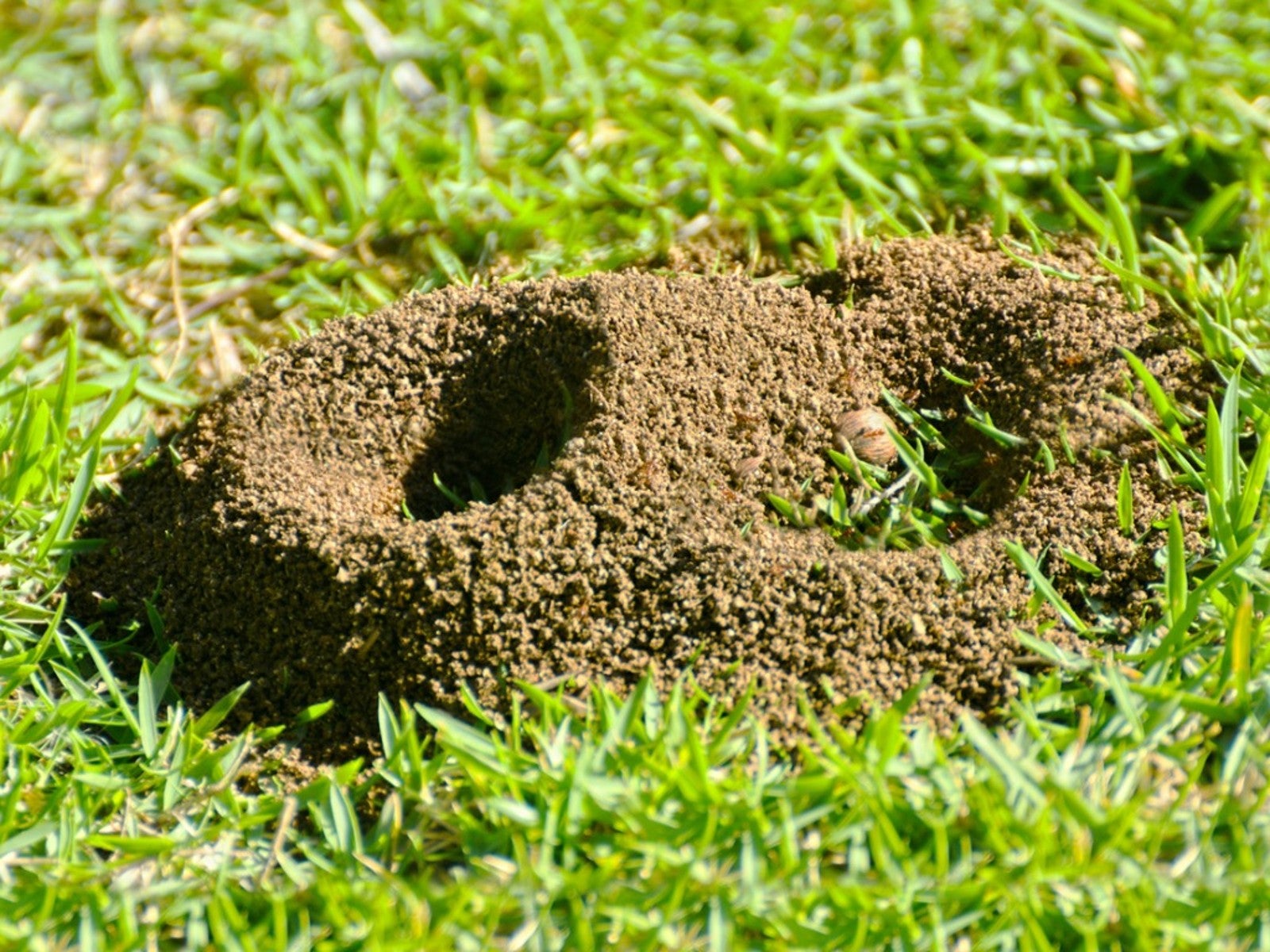
Image Source: cdn.mos.cms.futurecdn.net
Deciphering Ant Behavior: Why Are They Here?
Before we can effectively treat ants, it’s crucial to grasp why they’re attracted to your lawn in the first place. Ants are drawn to lawns for several key reasons:
- Food Sources: Ants are opportunistic feeders. They seek out sweets, proteins, and even water. Aphids, mealybugs, and scale insects, which can infest your grass and ornamental plants, produce a sugary substance called honeydew. Ants farm these insects for their honeydew, making areas with these pests prime real estate for ant colonies.
- Shelter and Nesting Sites: Lawns provide ideal nesting environments. Loose, well-drained soil is perfect for constructing intricate underground colonies. Ants often build their mounds in sunny spots, as the warmth helps regulate their body temperature.
- Water: Like all living creatures, ants need water. During dry periods, they may seek out moisture from your lawn, especially if there’s an irrigation system or if you’ve recently watered.
- Structural Damage: While less common in grass itself, some ant species, like carpenter ants, can damage wooden structures near your lawn, such as fences, decks, or even the foundation of your home.
Common Lawn Ant Species and Their Signs
Identifying the type of ant you’re dealing with can inform your treatment strategy. While many ants look similar, understanding their habits is key to successful ant infestation removal.
- Pavement Ants: Often found nesting in cracks in sidewalks and driveways, they can also build mounds in lawns. They are small, dark brown to black ants.
- Odorous House Ants: Known for the unpleasant smell they emit when crushed, these ants are common household pests but also forage extensively in lawns for food. They are typically light to dark brown.
- Carpenter Ants: These are among the larger ant species and can be black, red, or a combination of both. While they don’t eat wood, they excavate galleries within it to build their nests, which can lead to significant structural damage. You might see them foraging in your lawn, especially in damp or decaying wood structures.
- Fire Ants: (More relevant in certain regions) Known for their painful sting and aggressive nature, fire ants build prominent mounds in open, sunny areas. They are reddish-brown.
Signs of an Ant Infestation
- Ant Mounds: Visible mounds of soil, often appearing as small piles of loose dirt, are the most obvious sign of an underground colony.
- Ant Trails: Ants often follow specific paths, creating visible trails as they move from their nest to food and water sources.
- Damaged Plants: Some ants may damage plants directly or indirectly by farming sap-sucking insects.
- Presence of Aphids or Other Pests: As mentioned, ants often protect and farm honeydew-producing insects.
Effective Ant Treatment Strategies
Now that we know why ants are present, let’s explore how to tackle them. A combination of approaches is usually most effective for ant killer for lawns.
1. Chemical Treatments: Targeted and Broad-Spectrum Solutions
When dealing with a significant infestation, chemical treatments can be highly effective. It’s important to choose products designed for lawn pest control and follow label instructions carefully.
Granular Ant Baits and Insecticides
- How They Work: Granular products are applied to the lawn and watered in. The granules are then picked up by foraging ants and carried back to the colony, where they are shared, potentially eliminating the entire nest. Some granules release an insect repellent for lawns that deters ants.
- Application: Spread evenly over the affected areas and water according to product instructions.
- Pros: Can cover a large area, provides residual control, effective against various ant species.
- Cons: Can be harmful to non-target insects and beneficial organisms if not applied carefully.
Liquid Ant Baits and Sprays
- How They Work: Liquid formulations can be mixed with water and applied as a drench to ant mounds or sprayed as a barrier treatment around the perimeter of your lawn. Baits contain attractants and a slow-acting poison that ants consume and carry back to the colony.
- Application: Apply directly to mounds or use a broadcast sprayer for larger areas. For baits, place them near ant trails or mounds.
- Pros: Can provide quick knockdown of foraging ants and effective colony elimination with baits.
- Cons: Sprays may only kill ants they come into direct contact with, and some chemicals can be harmful to pets and children if not used as directed.
Ant Bait Stations
- How They Work: These are small plastic stations containing a liquid or gel bait. Ants are attracted to the bait, consume it, and carry it back to the nest. This is often considered one of the best ant bait options for targeted colony elimination.
- Application: Place bait stations near ant trails, foraging areas, and known nest sites.
- Pros: Contained, less messy, safer for pets and children when used correctly, targets the colony directly.
- Cons: May take longer to see results compared to sprays, effectiveness can depend on ants accepting the bait.
2. Natural and DIY Ant Treatment Methods
For those seeking more eco-friendly solutions or who prefer a DIY ant treatment, several natural and home-based remedies can be effective.
Borax and Sugar Baits
- How They Work: Borax is a natural mineral that acts as a stomach poison for ants. When mixed with a sweet substance like sugar or honey, ants are attracted to the bait, consume it, and carry it back to their colony.
- DIY Recipe: Mix 1 part borax with 3 parts powdered sugar. Add a small amount of water to create a paste or a thin liquid.
- Application: Place small amounts of the bait on a piece of cardboard or a bottle cap near ant trails or mounds.
- Pros: Inexpensive, readily available ingredients, effective when ants accept the bait.
- Cons: Borax is toxic if ingested by pets or children, so placement is crucial. May take several days to a week to see significant results.
Diatomaceous Earth (Food Grade)
- How It Works: Diatomaceous earth (DE) is made from fossilized aquatic organisms. It’s a fine powder with sharp edges that, when ingested or come into contact with an ant’s exoskeleton, dehydrates and kills them.
- Application: Sprinkle a thin layer of food-grade DE around ant mounds, along ant trails, and in areas where ants are frequently seen.
- Pros: Natural, non-toxic to humans and pets (though inhalation should be avoided), effective as a contact killer.
- Cons: Less effective when wet, needs to be reapplied after rain or irrigation, can be less effective against established colonies compared to baits.
Boiling Water
- How It Works: A simple and direct method to kill ants in soil. Pouring boiling water directly into ant mounds can effectively kill a significant portion of the colony.
- Application: Carefully pour boiling water directly into the center of ant mounds, especially in the morning or evening when ants are more likely to be in the nest.
- Pros: Immediate, natural, no chemicals involved.
- Cons: Only affects the ants directly hit by the water, may not eliminate the entire colony, can harm desirable grass and plants in the immediate vicinity.
Vinegar Solution
- How It Works: The acetic acid in vinegar can kill ants on contact and disrupt their scent trails, making it harder for them to navigate.
- DIY Recipe: Mix equal parts white vinegar and water in a spray bottle.
- Application: Spray directly onto ants and their trails. Can also be poured into mounds.
- Pros: Natural, readily available, helps disrupt trails.
- Cons: Kills ants on contact but doesn’t eliminate the colony, can harm grass if applied in high concentrations.
Essential Oils
- How They Work: Certain essential oils, such as peppermint, tea tree, or cinnamon oil, have properties that repel ants or kill them on contact.
- DIY Recipe: Add 10-15 drops of essential oil to a cup of water in a spray bottle.
- Application: Spray directly on ants or along their trails and entry points.
- Pros: Natural, pleasant scent (for humans), can also act as a natural ant killer.
- Cons: Needs frequent reapplication, effectiveness varies, not a solution for large infestations.
3. Biological Control Methods
While less common for immediate ant ant infestation removal in lawns, biological control can play a role in long-term management.
- Beneficial Nematodes: These microscopic worms can be applied to the soil and prey on ant larvae and other soil-dwelling insects.
- Encouraging Natural Predators: Birds, toads, and certain insects are natural predators of ants. Creating a more diverse and healthy lawn ecosystem can help attract these beneficial creatures.
Preventing Ants in Your Lawn
The best defense is a good offense. Implementing preventative measures can significantly reduce the likelihood of future ant problems. Here’s how to prevent ants in grass:
1. Maintain a Healthy Lawn
- Proper Watering: Avoid overwatering, which can create damp environments ants favor. Water deeply but infrequently to encourage deep root growth.
- Regular Mowing: Keep your grass at an appropriate height. Taller grass can provide more shade and moisture, making it attractive to ants.
- Fertilization: Use a balanced fertilizer to promote strong, healthy turf that can better withstand pest pressures. Avoid over-fertilizing, which can attract certain pests.
- Dethatching and Aeration: Remove excess thatch and aerate the soil to improve drainage and airflow, making the lawn less hospitable for ant nesting.
2. Eliminate Food and Water Sources
- Clean Up Spills: Promptly clean up any sugary spills from picnics or outdoor gatherings.
- Secure Trash Cans: Ensure outdoor trash cans have tight-fitting lids to prevent ants from accessing food scraps.
- Manage Other Pests: Control aphid, mealybug, and scale infestations on ornamental plants near your lawn, as these provide a food source for ants.
3. Seal Entry Points
- Home Exterior: Inspect your home’s foundation for cracks and crevices where ants might enter. Seal these with caulk.
- Outdoor Structures: Check decks, patios, and fences for any signs of damage or nesting sites and repair them.
4. Create Barriers
- Corn Gluten Meal: This natural product can act as a pre-emergent herbicide and also has some insect-repelling properties. Apply in spring before ants become highly active.
Choosing the Right Ant Killer for Your Lawn
Selecting the best ant bait or treatment depends on the severity of the infestation, the type of ants, and your preference for chemical versus natural solutions.
Table: Ant Treatment Comparison
| Treatment Type | Effectiveness | Speed of Action | Persistence | Safety Concerns | Best For |
|---|---|---|---|---|---|
| Granular Insecticides | High (broad spectrum) | Moderate | Weeks to months | Non-target organisms, pets/children if ingested | Large infestations, widespread activity |
| Liquid Baits | High (colony elimination) | Slow to Moderate | Weeks to months | Pets/children if ingested, potential plant burn | Targeted colony elimination |
| Ant Bait Stations | High (colony elimination) | Slow | Weeks | Low, if placed correctly | Discreet treatment, safety around pets/children |
| Borax Baits (DIY) | Moderate to High (colony elimination) | Slow | Days to weeks | Pets/children if ingested | Smaller infestations, budget-conscious |
| Diatomaceous Earth | Moderate (contact kill) | Moderate | Days (if dry) | Inhalation (wear mask), not effective when wet | Contact killing, deterring, natural barrier |
| Boiling Water | Low to Moderate (local colony kill) | Immediate | None | Can damage plants/grass, safety hazard | Small, visible mounds |
| Vinegar Solution | Low (contact kill, trail disruption) | Immediate | Short | Can damage plants/grass | Disrupting trails, immediate contact kill |
| Essential Oils | Low to Moderate (repellent, contact kill) | Moderate | Short | Potential for plant damage, varies by oil | Mild deterrence, natural repellent |
Frequently Asked Questions About Lawn Ants
Q1: How quickly can I expect to see results from ant treatment?
A: The speed of results varies greatly depending on the treatment method. Chemical sprays can offer immediate knockdown of visible ants. Baits, whether commercial or DIY, are slower as they rely on ants carrying the poison back to the colony, which can take several days to a week or more to show significant reduction. Natural methods like boiling water offer immediate but localized results.
Q2: Are there any natural ant killer treatments that are completely safe for pets and children?
A: While many natural methods are safer than harsh chemicals, caution is always advised. Diatomaceous earth (food grade) is generally safe, but avoid inhaling the dust. Borax and essential oils, even in DIY baits, can be harmful if ingested in large quantities, so careful placement away from curious pets and children is essential. Always supervise pets and children in treated areas.
Q3: How do I know if I have a serious ant infestation?
A: A serious infestation is typically indicated by the presence of numerous ant mounds across your lawn, persistent ant trails, and a noticeable increase in ant activity, especially near your home’s foundation or outdoor living spaces. If the ants are causing visible damage to your lawn or plants, or if they are regularly entering your home, it’s considered a serious issue.
Q4: Can I use an ant killer meant for indoors on my lawn?
A: It is not recommended to use indoor ant killers on your lawn unless the product label specifically states it is safe for outdoor and lawn use. Outdoor formulations are designed to withstand environmental conditions and target specific outdoor pests and their habitats. Indoor products may not be effective, could harm beneficial soil organisms, or pose greater risks to the environment.
Q5: What is the best way to prevent ants from coming back after treatment?
A: The most effective long-term strategy is to maintain a healthy lawn and eliminate attractants. Regular lawn care, proper watering and mowing, and keeping outdoor areas clean and free of food debris are crucial. Sealing cracks in your home’s foundation and promptly addressing other pest issues, like aphids on plants, will also help deter ants from establishing new colonies.
By combining targeted treatments with consistent preventative care, you can effectively manage ant populations and ensure your lawn remains a healthy, enjoyable space. Remember to always read and follow product instructions carefully, especially when using chemical treatments, to protect yourself, your family, pets, and the environment.