
Can you use weed killer on your lawn? Yes, you can, but it’s crucial to do it safely and effectively to achieve the best results and protect your lawn. This guide will walk you through everything you need to know about weed control for a healthier, greener yard.
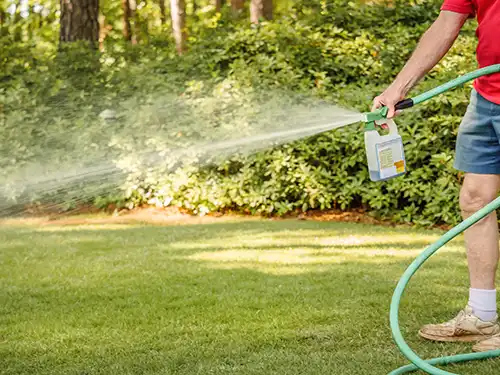
Image Source: florida.bugoutservice.com
What is Weed Control?
Weed control is the process of managing unwanted plants, commonly known as weeds, that compete with desirable plants, like your lawn grass, for resources such as sunlight, water, and nutrients. Effective weed control leads to a more attractive and resilient lawn.
Why Control Weeds in Your Lawn?
Weeds are more than just an eyesore. They can:
- Weaken your grass: Weeds steal vital resources, leaving your grass weak and susceptible to disease and pests.
- Spread quickly: Many weeds have efficient seed dispersal mechanisms, meaning a few weeds can quickly become a widespread problem.
- Reduce lawn density: As weeds take over, they can thin out your grass, creating bare patches.
- Cause allergies: Some weeds release pollen that can trigger allergic reactions in people and pets.
- Damage soil: Certain weeds can alter soil pH or structure, making it less hospitable for your grass.
Types of Weed Killers
When it comes to tackling unwanted plants, there are several types of weed killers available. Knowing the difference is key to choosing the right product for your specific needs.
Selective Herbicides
These are designed to kill specific types of plants while leaving others unharmed. For lawn care, selective herbicides are often the preferred choice because they target broadleaf weeds (like dandelions, clover, and plantain) without damaging your grass.
- How they work: Selective herbicides are absorbed by the leaves and roots of susceptible plants and disrupt specific biological processes vital for their survival. They are formulated to be absorbed differently by broadleaf plants versus grasses.
Non-Selective Herbicides
These kill virtually all plants they come into contact with. Non-selective herbicides are useful for clearing large areas of unwanted vegetation before establishing a new lawn or for spot treatment in areas where you don’t mind temporarily killing grass. Common examples include glyphosate-based products.
- How they work: Non-selective herbicides typically work by inhibiting essential enzymes in plant cells, leading to rapid wilting and death across all plant types.
Pre-Emergent vs. Post-Emergent Herbicides
Weed killers can also be categorized by when they are applied in relation to the weed’s life cycle.
-
Pre-Emergent Herbicides: These are applied before weed seeds germinate and emerge from the soil. They create a barrier that prevents new weeds from growing. They are most effective against annual weeds, which grow, set seed, and die within one year.
- Timing is critical: Applying pre-emergents too early or too late can significantly reduce their effectiveness.
- Examples: Products containing pendimethalin or prodiamine.
-
Post-Emergent Herbicides: These are applied after weeds have already emerged and are actively growing. They are designed to kill existing weeds. Most weed killers you buy for your lawn are post-emergent herbicides.
- Types: Can be selective or non-selective.
- Effectiveness: Generally more effective on young, actively growing weeds.
When to Apply Weed Killer: The Best Time for Weed Control
Timing is everything when it comes to weed control. Applying weed killer at the right time of year and day can dramatically improve its effectiveness and minimize harm to your lawn.
Seasonal Timing
- Spring: This is a prime time for weed control.
- Pre-emergents: Apply in early to mid-spring, before soil temperatures consistently reach 70°F (21°C), to prevent annual weeds like crabgrass from germinating.
- Post-emergents: As soon as you see weeds actively growing, typically in mid to late spring, is the ideal time to apply post-emergent herbicides.
- Fall: This is another critical season for effective weed control.
- Perennial weeds: Many perennial weeds are actively storing energy in their roots in the fall, making them more susceptible to herbicides. The herbicide will be transported down to the roots, killing the entire plant.
- Pre-emergents: Applying a pre-emergent in the fall can help prevent winter annual weeds from establishing.
- Summer: While tempting to spray during hot summer months, extreme heat can stress your lawn and make it more vulnerable to damage from herbicides.
- Avoid spraying during heat waves: Wait for cooler temperatures.
- Spot treat: If you must treat, focus on spot treating individual weeds during cooler parts of the day.
- Winter: Most weeds are dormant or dead in winter, so herbicide application is generally not necessary or effective.
Daily Timing
- Avoid windy conditions: Wind can cause spray drift, potentially damaging desirable plants and people. Check the weather forecast and avoid windy days.
- Avoid direct sunlight and high heat: Applying weed killer during the hottest part of the day, especially when the sun is intense, can damage your grass. The herbicide might evaporate too quickly or scorch the grass blades.
- Ideal conditions: The best time to apply is on a calm, cool morning after the dew has dried or in the early evening. This allows the herbicide to be absorbed by the weeds without rapid evaporation or damage to the grass.
- Before rain: Do not apply if rain is expected within 24 hours, as rain can wash the herbicide off the weeds before it can be absorbed.
Safety Precautions for Weed Killer Application
Safety precautions are paramount when handling and applying any type of weed killer. These chemicals can be harmful if not used correctly.
Personal Protective Equipment (PPE)
Always wear appropriate PPE to minimize exposure.
- Gloves: Wear chemical-resistant gloves (like nitrile or neoprene) to protect your skin.
- Eye Protection: Safety glasses or goggles will prevent splashes from reaching your eyes.
- Long Sleeves and Pants: Wear long sleeves and long pants to cover your skin.
- Mask or Respirator: If the product label recommends it, or if you are using a spray in an enclosed or poorly ventilated area, wear a mask or respirator to avoid inhaling fumes.
- Closed-toe Shoes: Protect your feet from spills.
Handling and Mixing
- Read the Label: This is the most important safety step. Always read and follow the product label instructions carefully. It will provide specific guidance on mixing, application, and safety.
- Proper Dilution: Many weed killers need to be mixed with water or other carriers. Ensure proper dilution as per the label instructions. Over-diluting can make the product ineffective, while over-concentrating can damage your lawn or be harmful.
- Mixing Area: Mix chemicals in a well-ventilated area, preferably outdoors.
- Dedicated Equipment: Use dedicated equipment for mixing and applying herbicides. Do not use sprayers or measuring cups that you use for food or beverages.
- Storage: Store weed killers in their original containers, in a cool, dry, secure place, out of reach of children and pets.
Application Safety
- Avoid Drift: Be mindful of wind direction and speed. Aim your spray downwards and use a low-pressure setting to minimize drift.
- Keep Children and Pets Away: Do not allow children or pets on the lawn during application and until the spray has dried completely. Check the product label for specific re-entry times.
- Watering: Do not water your lawn immediately after application unless the product label specifically instructs you to do so. Watering can wash away the herbicide.
- Eating, Drinking, Smoking: Do not eat, drink, or smoke while applying herbicides.
- Disposal: Dispose of empty containers and leftover product according to local regulations and label instructions. Never pour excess product down the drain or into waterways.
Effective Weed Killer Application Techniques
Achieving the best results with herbicide application involves more than just spraying. Proper technique ensures the product reaches its target and works effectively.
Lawn Preparation
- Mow at the Right Height: Before applying herbicides, mow your lawn to the recommended height for your grass type. This exposes more weed leaves to the herbicide. However, don’t mow too short, as this can stress the grass.
- Watering: Water your lawn a day or two before applying herbicides. Healthy, hydrated grass is more resistant to potential damage from the herbicide. Avoid watering on the day of application unless the product specifies otherwise.
- Clear Debris: Remove any fallen leaves or debris that might prevent the herbicide from reaching the weeds.
Mixing and Calibration
- Accurate Measurement: Use accurate measuring cups and spoons for mixing. For larger areas, consider calibrating your sprayer to ensure you are applying the correct amount of product per square foot.
- Thorough Mixing: Mix the herbicide with water in the sprayer thoroughly. Shake the sprayer periodically during application to keep the mixture uniform.
Application Methods
- Spraying: This is the most common method.
- Even Coverage: Walk at a consistent pace and use a sweeping motion to ensure even coverage of the lawn. Overlapping your spray passes slightly can help prevent missed spots.
- Spot Treatment: For stubborn weeds or smaller infestations, spot treatment with a direct spray can be more efficient and reduce the amount of herbicide used.
- Granular Weed Killers: Some products come in granular form, often mixed with fertilizer.
- Spreader Use: Apply granular products using a broadcast or drop spreader for even distribution. Ensure the spreader is calibrated correctly.
- Moisture: Granular products often require moisture (from rain or irrigation) to activate. Check the label for watering instructions after application.
Post-Application Care
- Waiting Period: Do not water or mow your lawn for a specified period after application (check the product label, often 24-48 hours). This allows the herbicide to be absorbed by the weeds.
- Mowing: When you do mow, consider bagging the clippings, especially if they contain dead or dying weeds, to prevent the spread of weed seeds.
- Observe Results: Monitor your lawn for weed control effectiveness and any signs of grass damage.
Common Lawn Weeds and How to Target Them
Different weeds require different approaches. Understanding the common culprits in your lawn can help you choose the right product.
Broadleaf Weeds
These have wide leaves with a network of veins.
- Dandelions: Easily recognizable by their bright yellow flowers and puffball seed heads.
- Treatment: Most selective broadleaf herbicides are effective. Multiple applications may be needed for mature plants.
- Clover: A low-growing plant with three leaflets and white flowers.
- Treatment: Many selective herbicides target clover. However, some gardeners prefer to leave clover as it can fix nitrogen in the soil.
- Plantain: Has a rosette of broad, ribbed leaves and a dense flower spike.
- Treatment: Selective herbicides are effective.
- Chickweed: A low-growing, sprawling plant with small, white, star-shaped flowers.
- Treatment: Pre-emergent herbicides can help prevent it in fall and spring. Post-emergent broadleaf herbicides are also effective.
- Thistles: Can have prickly leaves and often purple flowers.
- Treatment: Requires robust broadleaf herbicides, sometimes multiple applications.
Grassy Weeds
These have narrow, blade-like leaves, similar to lawn grass.
- Crabgrass: An annual grassy weed that thrives in warm weather and forms a dense mat.
- Treatment: Pre-emergent herbicides applied in early spring before germination are the most effective way to control crabgrass. Post-emergent products are available but are less effective on established crabgrass.
- Annual Bluegrass (Poa Annua): A shallow-rooted annual grass that germinates in cooler weather and dies off in the heat. It has a lighter green color and seeds prolifically.
- Treatment: Can be tricky. Some selective herbicides can help, but timing is crucial. Pre-emergents in fall and early spring can prevent germination.
- Nutsedge: Not a true grass, but often mistaken for one. It has triangular stems and three ranked leaves, often growing taller than the surrounding grass.
- Treatment: Requires specific herbicides that target sedges. These are often sold as “sedges, nutsedge, and kyllinga killers.”
Weed Killer Effectiveness Table
| Weed Type | Common Examples | Best Control Method |
|---|---|---|
| Broadleaf | Dandelion, Clover, Plantain, Thistle, Chickweed | Selective herbicides (liquid or granular), applied when weeds are actively growing. |
| Grassy (Annual) | Crabgrass, Goosegrass | Pre-emergent herbicides applied in early spring. Post-emergent herbicides for active growth, less effective. |
| Grassy (Perennial) | Quackgrass, Johnsongrass | Difficult to control selectively. Non-selective herbicides or spot treatment might be necessary. |
| Sedge | Nutsedge, Kyllinga | Specific sedge-targeting herbicides. |
Choosing the Right Weed Killer Product
With so many options on the market, selecting the right product can be daunting.
Read the Label First!
This cannot be stressed enough. The product label is your ultimate guide. It will tell you:
- What weeds it controls: Look for the target weeds listed.
- What grass types it is safe for: Crucial for selective herbicides. Using a product not safe for your grass type will kill your lawn.
- How to mix and apply: Proper dilution rates and application methods.
- When to apply: Best times of year and conditions.
- Safety precautions: Necessary PPE and re-entry times.
- How it works: Pre-emergent or post-emergent.
Formulation Types
- Liquid Concentrates: These are mixed with water. They offer precise control and can be applied with a sprayer.
- Ready-to-Use (RTU) Sprays: These come pre-mixed and are convenient for spot treatment or smaller areas.
- Granular Weed Killers: Often combined with fertilizer, applied with a spreader. They release the active ingredient slowly and require moisture to activate.
Consider Your Lawn Type
- Cool-Season Grasses: Kentucky bluegrass, fescues, ryegrass. These are typically more sensitive to heat and certain herbicides.
- Warm-Season Grasses: Bermuda, Zoysia, St. Augustine. These are more heat-tolerant but can be damaged by some winter herbicides.
Always check if the product is labeled for use on your specific grass type.
Integrating Weed Control into Your Lawn Care Routine
Effective lawn care is a year-round commitment, and weed control is a vital part of it.
Preventative Measures
- Healthy, Dense Turf: The best defense against weeds is a thick, healthy lawn. Your grass will naturally crowd out weeds.
- Proper Mowing: Mow at the recommended height for your grass type.
- Adequate Watering: Water deeply and less frequently to encourage deep root growth.
- Appropriate Fertilization: Feed your lawn with the right nutrients at the right times.
- Aeration and Dethatching: These practices improve soil health and allow water, air, and nutrients to reach grass roots, promoting a stronger lawn.
- Overseeding: Filling in thin or bare spots with grass seed helps prevent weeds from taking hold.
Integrated Pest Management (IPM) Approach
Consider weed control as part of a broader IPM strategy for your lawn. This involves a combination of methods:
- Cultural Practices: Promoting a healthy lawn through proper mowing, watering, and fertilizing.
- Mechanical Control: Hand-pulling weeds, especially when they are young and before they go to seed.
- Biological Control: Using natural predators or diseases (less common for lawn weeds).
- Chemical Control: Using herbicides as a last resort or when other methods are insufficient.
Troubleshooting Common Weed Killer Issues
Even with the best intentions, you might encounter problems.
Weed Killer Not Working
- Wrong Product: You might be using a product that doesn’t target your specific weed.
- Incorrect Application: Proper dilution or application method might be wrong.
- Timing: Applied at the wrong time of year or day.
- Weed Resistance: Some weeds can develop resistance to certain herbicides.
- Environmental Factors: Drought, extreme heat, or cold can affect herbicide uptake.
- Rain Wash-off: Applied too close to rain.
Lawn Damage from Weed Killer
- Wrong Product: Used a product not safe for your grass type.
- Over-Application: Applied too much product or too concentrated.
- Application During Stress: Applied during extreme heat or drought.
- Spray Drift: Herbicide drifted onto desirable plants or areas.
- Improper Mixing: Incorrect proper dilution.
If you notice damage, water the affected area thoroughly to try and dilute and wash away any residual herbicide.
Frequently Asked Questions (FAQ)
Q1: How long does it take for weed killer to work?
A1: It varies depending on the product and the type of weed. Some products may show results within hours, while others can take days or even weeks to fully kill the weeds. Always check the product label for expected results.
Q2: Can I use weed killer on my lawn if I have pets?
A2: Many post-emergent herbicides are safe for pets once they have completely dried on the lawn. However, it’s crucial to read the product label carefully for specific instructions regarding pets and children. Keep them off the lawn during application and until the treated area is dry.
Q3: What is the difference between selective and non-selective herbicides?
A3: Selective herbicides are designed to kill specific types of plants (like broadleaf weeds) while leaving others (like lawn grass) unharmed. Non-selective herbicides kill all plants they come into contact with, including your grass.
Q4: When is the best time to apply pre-emergent weed killer?
A4: The best time to apply pre-emergent weed killer is in early spring, before soil temperatures consistently reach 70°F (21°C), to prevent annual weeds like crabgrass from germinating. A fall application can also help control winter annual weeds.
Q5: Is it okay to apply weed killer when it’s windy?
A5: No, it is not advisable to apply weed killer when it’s windy. Wind can cause the spray to drift onto desirable plants, buildings, or people, leading to damage or unwanted exposure. Always check the wind conditions before you begin herbicide application.
Q6: My lawn is stressed from heat. Should I apply weed killer now?
A6: It’s generally not recommended to apply weed killer to a lawn that is stressed from heat or drought. Stressed grass is more susceptible to damage. Wait for cooler temperatures and for the grass to recover before applying any herbicides.
By following these guidelines, you can effectively and safely use weed killers to maintain a beautiful and healthy lawn. Remember, a proactive approach to weed control through maintaining a healthy lawn is always the best strategy.