
When should you water your lawn with a hose? The best time to water your lawn with a hose is in the early morning, typically between 4 AM and 10 AM. This allows the grass to absorb the water before the heat of the day causes rapid evaporation.
Watering your lawn effectively with a hose is more than just turning on the tap. It’s a skill that ensures your grass stays healthy, green, and resilient. This guide will walk you through the best practices for using your hose to achieve a beautiful lawn. We’ll cover everything from the right equipment to the optimal times and techniques for watering. Whether you’re a seasoned gardener or just starting out, these tips will help you become a lawn-watering pro.
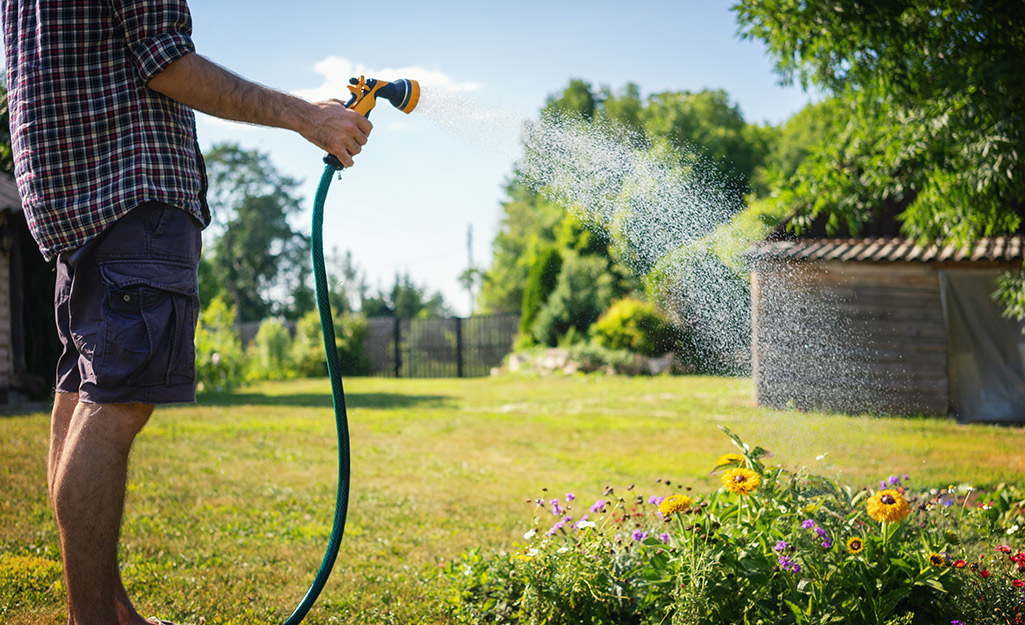
Image Source: contentgrid.homedepot-static.com
Choosing the Right Tools for the Job
The right equipment makes all the difference when watering your lawn. Using the correct tools can ensure even coverage, conserve water, and save you time.
The Versatile Hose Nozzle
A hose nozzle is your primary tool for controlling water flow. They come in many varieties, each with its own benefits:
- Adjustable Nozzles: These are incredibly versatile, allowing you to switch between different spray patterns. You might need a gentle shower for newly seeded areas or a strong jet to clean off patio furniture.
- Fan Nozzles: These create a wide, flat spray, ideal for covering broad areas of your lawn evenly.
- Soaker Nozzles: Designed for deep, slow watering, these are excellent for established lawns or areas that need consistent moisture without surface runoff.
- Pistol Grip Nozzles: These are comfortable to hold and offer easy trigger control for quick watering tasks.
When selecting a nozzle, consider the size of your lawn and the types of watering you’ll be doing. A nozzle with a comfortable grip and a range of spray settings will serve you well.
Sprinklers: Covering More Ground
For larger lawns, a sprinkler is often more efficient than hand-watering with a nozzle alone. Different types of sprinklers offer various coverage patterns and watering methods.
- Oscillating Sprinklers: These move back and forth, spraying water in a rectangular pattern. They are good for covering medium-sized rectangular areas.
- Impact Sprinklers: These rotate and spray water in a circular pattern, often with a “chopping” sound. They can cover large areas but can sometimes be noisy and less efficient due to wind drift.
- Rotor Sprinklers: Similar to impact sprinklers, rotors rotate and spray water in a stream. They are designed for larger areas and can throw water further.
- Stationary Sprinklers: These sprinklers stay in one place and spray water in a full or partial circle. They are best for smaller, more specific areas.
The sprinkler head is the part of the sprinkler that disperses the water. Different sprinkler heads are designed for different spray patterns and distances, so choosing the right type can significantly improve watering efficiency.
The Simple Watering Can
While not ideal for large lawns, a watering can is perfect for targeted watering. It’s excellent for:
- Watering small flower beds.
- Giving a drink to young plants or newly planted trees.
- Watering specific patches of lawn that might be dry or struggling.
- Applying liquid fertilizers or pesticides precisely.
The benefit of a watering can is the absolute control you have over where the water goes, preventing overwatering or wetting foliage unnecessarily.
The Reach of a Watering Wand
A watering wand attaches to your hose and extends your reach. This is particularly useful for:
- Watering hanging baskets or elevated plants.
- Reaching the far corners of your lawn without dragging the hose.
- Watering delicate plants with a gentle shower setting.
- Reducing the need to bend and strain.
Many watering wands have adjustable nozzles built-in, combining the benefits of both.
Mastering the Art of Watering: Best Practices
Effective lawn watering is about more than just wetting the soil; it’s about promoting deep root growth and maintaining turf health.
The Golden Rule: Early Morning Watering
As mentioned, the best time to water lawn is early in the morning. Here’s why:
- Reduced Evaporation: The sun’s intensity is low, meaning less water evaporates before it can soak into the soil.
- Disease Prevention: Watering in the morning allows grass blades to dry off during the day, reducing the risk of fungal diseases. Watering late in the evening can leave the grass wet overnight, creating a prime environment for disease.
- Water Absorption: The soil is cooler in the morning, allowing water to penetrate more effectively.
How Much Water Does Your Lawn Need?
The general rule of thumb is to provide about 1 to 1.5 inches of water per week. This can be delivered in one to two watering sessions, depending on your climate and soil type.
- Sandy Soils: These drain quickly and may require more frequent, shorter watering sessions.
- Clay Soils: These hold moisture longer and benefit from less frequent, deeper watering sessions.
How to measure: You can place a few empty tuna cans or rain gauges on your lawn before watering. After the watering cycle, measure the depth of water in the cans. This will tell you how long you need to run your sprinkler to deliver the desired amount of water.
Watering Depth: Aim for Deep Roots
The goal is to encourage deep root growth. Shallow, frequent watering leads to shallow roots, making your lawn more susceptible to drought and stress.
- Deep Watering: Aim for the water to penetrate 4-6 inches into the soil. This encourages roots to grow down in search of moisture.
- Check Soil Moisture: You can check the moisture depth by probing the soil with a screwdriver or trowel after watering. If it goes in easily to about 6 inches, you’ve likely watered deeply enough.
Watering Techniques for Even Coverage
- Avoid Runoff: If you see water running off your lawn, you’re watering too quickly or the soil is already saturated. Stop watering and let the water soak in before continuing. This is where a hose timer can be incredibly useful, allowing you to set specific watering durations and intervals.
- Overlap Sprinkler Patterns: If using multiple sprinklers or sprinklers with overlapping spray patterns, you ensure that all areas of your lawn receive adequate water. A well-designed lawn sprinkler system will account for this.
- Adjust for Wind: Avoid watering on windy days. Wind can blow the water off your lawn, leading to uneven coverage and wasted water. If you must water, use sprinklers that are less affected by wind.
Seasonal Watering Needs
Your lawn’s watering requirements change throughout the year.
Spring
- As the grass starts to green up, begin a regular watering schedule.
- Focus on encouraging root development with deep, less frequent watering.
- Temperatures are generally mild, so evaporation is less of a concern.
Summer
- This is when your lawn needs the most water, especially during heat waves.
- Water deeply and less frequently to promote drought tolerance.
- Stick to early morning watering to combat evaporation.
- If you notice wilting, water immediately, even if it’s not the scheduled time.
Autumn
- As temperatures cool, reduce watering frequency.
- Continue to water deeply to prepare the lawn for winter dormancy.
- Ensure the soil doesn’t dry out completely before the ground freezes.
Winter
- If you live in a region with mild winters and your lawn remains green, occasional watering may be necessary during dry spells.
- Water only when the ground is not frozen.
Factors Affecting Water Needs
Several factors influence how much and how often you need to water your lawn.
Soil Type
- Sandy Soil: Dries out quickly. Needs more frequent watering but less volume each time.
- Clay Soil: Retains moisture well. Needs less frequent watering but more volume each time to penetrate deeply.
- Loam Soil: A good balance of drainage and retention. Watering needs are moderate.
Grass Type
Different grass species have varying drought tolerance:
- Cool-Season Grasses (e.g., Fescue, Ryegrass): Tend to go dormant in summer heat if not adequately watered.
- Warm-Season Grasses (e.g., Bermuda, Zoysia): Are naturally more drought-tolerant and can survive longer periods without water.
Weather Conditions
- Temperature: Hotter weather increases evaporation and the lawn’s water needs.
- Wind: Increases evaporation and can cause uneven water distribution.
- Rainfall: Natural rainfall can supplement or eliminate the need for supplemental watering. Use a hose timer with a rain delay feature if available.
Sun Exposure
- Lawns in full sun will dry out faster than those in partial shade and will require more frequent watering.
Troubleshooting Common Watering Issues
Even with the best intentions, problems can arise.
Overwatering
Signs of overwatering include:
- Yellowing grass (similar to drought stress, but the soil will be constantly wet).
- Increased fungal diseases (e.g., brown patches, powdery mildew).
- Shallow root systems.
Solution: Reduce the frequency and duration of watering. Ensure your lawn has adequate drainage.
Underwatering
Signs of underwatering include:
- Grass blades turning a dull, bluish-green.
- Footprints remaining visible on the lawn long after you’ve walked on it.
- Brown, crispy patches appearing.
Solution: Increase the frequency and duration of watering, aiming for deep soil penetration.
Uneven Watering
This is often caused by:
- Poor sprinkler placement or type.
- Low water pressure.
- Obstructions blocking sprinkler spray.
- Wind.
Solution: Ensure sprinklers are placed correctly and overlap coverage. Check your water pressure – if it’s too low, you may need to adjust your watering system or water in zones. Clear any obstructions.
Water Conservation Tips
Water is a precious resource. Here’s how to use it wisely when watering your lawn:
- Water Deeply and Infrequently: This is the most effective way to conserve water and promote healthy roots.
- Use a Rain Gauge: Know how much water your lawn is actually receiving from rain and sprinklers.
- Install a Rain Sensor: If you have an automatic lawn sprinkler system, a rain sensor will prevent it from running when it’s raining.
- Water During Cooler Hours: As we’ve stressed, early morning is best to minimize evaporation.
- Aerate Your Lawn: Aeration improves soil structure, allowing water to penetrate more easily and reach the roots, reducing runoff.
- Mulch Around Trees and Shrubs: Mulch helps retain soil moisture.
- Consider Drought-Tolerant Grasses: If you live in a dry climate, choose grass species that require less water.
- Check for Leaks: Regularly inspect your hose, nozzles, and sprinklers for leaks.
Using a Hose Timer for Precision
A hose timer is an invaluable tool for consistent and efficient lawn watering. These devices attach between your faucet and your hose, allowing you to program specific watering times and durations.
- Benefits of a Hose Timer:
- Consistency: Ensures your lawn gets watered on a regular schedule, even if you’re not home.
- Water Conservation: Prevents overwatering by automatically shutting off the water flow.
- Convenience: Automates a chore, saving you time and effort.
- Programmability: Many timers offer multiple watering cycles per day or week, with adjustable run times and intervals.
When setting your watering schedule, consider the factors we’ve discussed (soil type, grass type, weather) to determine the optimal duration and frequency for your specific lawn.
Frequently Asked Questions (FAQ)
How long should I water my lawn with a hose?
The duration depends on the amount of water your lawn needs (1-1.5 inches per week) and your sprinkler’s output. Use tuna cans or rain gauges to measure. Typically, it might be 20-30 minutes per zone, 2-3 times per week.
Can I water my lawn in the evening?
While possible, it’s not ideal. Watering in the evening leaves grass blades wet overnight, increasing the risk of fungal diseases. If you must water in the evening, do so early enough for the grass to dry before nightfall.
What is considered low water pressure for a lawn sprinkler?
Generally, less than 30 PSI can be considered low water pressure for many types of sprinklers, especially those requiring higher output. This can affect spray distance and coverage.
How do I improve my lawn’s ability to retain water?
Improve soil health by adding organic matter, aerating the lawn regularly, and using a good watering schedule that encourages deep root growth.
My sprinkler head isn’t rotating properly. What could be the problem?
This could be due to low water pressure, debris clogging the sprinkler head, or a damaged internal mechanism. Clean the sprinkler head and check your water pressure.
Is it okay to use a watering can for my entire lawn?
No, a watering can is only practical for very small lawns or for spot watering specific areas. For larger areas, sprinklers or a lawn sprinkler system are much more efficient.
How can I tell if my hose nozzle is efficient?
An efficient nozzle will provide even coverage without excessive misting that can be blown away by wind. Look for nozzles with adjustable spray patterns and a good flow rate for your needs.
By following these best practices, you can ensure your lawn receives the right amount of water at the right time, leading to a healthier, more vibrant green space. Happy watering!