
Moss grows on lawns primarily because the grass is struggling, creating ideal conditions for moss to thrive. So, what are the common causes of moss on your lawn? Typically, moss appears due to shade, compacted soil, poor drainage, overly acidic soil, and under-fertilization or irregular watering. Can you have a healthy lawn with moss? While a small amount of moss might not harm your grass, extensive moss growth indicates underlying lawn health issues that need addressing.
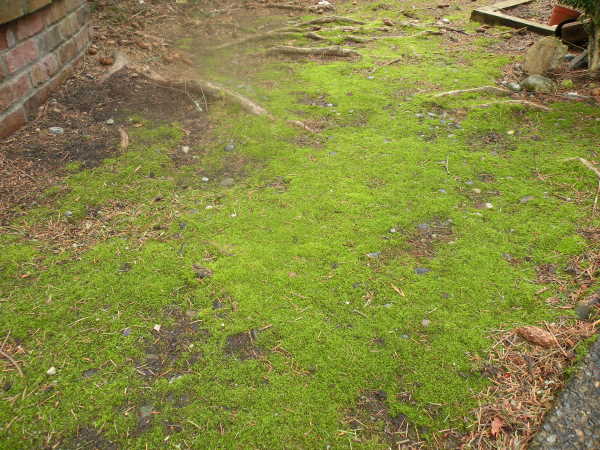
Image Source: turfgator.com
Fathoming Moss in Your Lawn
Moss isn’t a weed in the traditional sense. It’s a non-flowering, non-vascular plant that prefers damp, shady environments. Unlike grass, which has deep root systems, moss absorbs moisture and nutrients directly through its leaf-like structures. This unique characteristic allows it to flourish where grass struggles. So, when you see those velvety green patches, it’s a sign your lawn isn’t as happy as it could be.
Identifying Lawn Moss
Distinguishing moss from other green ground cover is simple. Moss has a soft, spongy texture and grows in dense, carpet-like mats. It doesn’t have true roots, stems, or leaves like most plants. Instead, it has tiny structures called rhizoids that anchor it to surfaces. You’ll often find it in areas that don’t get much sunlight or where water tends to collect.
Deciphering the Causes of Lawn Moss
Several environmental factors create the perfect storm for moss to take hold. Let’s break down the most common culprits:
1. Shade and Low Light Conditions
Moss loves the shade. Most lawn grasses, particularly common turf varieties, require at least 4-6 hours of direct sunlight daily to thrive. When your lawn is consistently shaded by trees, buildings, or other structures, the grass struggles to grow and can become thin. This thinning of the grass cover opens up opportunities for moss to colonize the bare patches. Moss in shady areas is a classic indicator that your grass isn’t getting enough light.
- Reduced Photosynthesis: Grass needs sunlight for photosynthesis, the process that converts light energy into food. Less sunlight means less food for the grass, weakening it.
- Increased Moisture: Shaded areas often remain cooler and retain moisture for longer periods, further favoring moss growth.
2. Compacted Soil Moss
When soil becomes compacted, it means the soil particles are pressed tightly together. This reduces pore space, making it difficult for air, water, and nutrients to penetrate the soil and reach the grass roots. Compacted soil moss is a common sight in high-traffic areas like pathways, play areas, or where heavy equipment has been used.
- Poor Drainage: Compaction hinders water drainage, leading to perpetually damp soil conditions that moss loves.
- Restricted Root Growth: Grass roots can’t easily grow through compacted soil, leading to shallow root systems that are less resilient to drought and stress. This makes the grass weaker and more susceptible to moss invasion.
3. Wet Lawn Moss and Poor Drainage
Moss thrives in consistently moist environments. If your lawn has poor drainage, water will sit on the surface or in the upper soil layers for extended periods. This creates a waterlogged condition that is detrimental to most lawn grasses but ideal for moss. Wet lawn moss is a clear sign that water isn’t moving through your soil effectively.
- Waterlogging: Standing water suffocates grass roots by depriving them of oxygen.
- Reduced Airflow: Constantly wet soil has limited air pockets, further stressing the grass.
4. Soil Acidity (Low pH)
Most lawn grasses prefer a slightly acidic to neutral soil pH, typically between 6.0 and 7.0. If your soil pH drops below 6.0, it becomes more acidic. Moss, on the other hand, can tolerate and even thrive in more acidic conditions. Over time, a low pH can weaken grass and create an environment where moss can outcompete it.
- Nutrient Availability: Acidic soil can lock up essential nutrients, making them unavailable to the grass.
- Soil Microorganisms: Soil acidity can negatively impact beneficial microorganisms that help maintain soil health and support grass growth.
5. Under-fertilization and Poor Nutrition
A well-fed lawn is a resilient lawn. If your grass isn’t receiving adequate nutrients, especially nitrogen, it will become weak, thin, and less able to compete with opportunistic plants like moss. Lack of proper lawn care for moss, including adequate feeding, creates an opening for moss to colonize.
- Weak Growth: Insufficient nutrients lead to stunted and pale grass growth.
- Reduced Vigor: The grass’s overall health and ability to recover from stress are compromised.
6. Over-Seeding and Thinning Grass
If your lawn has become thin due to disease, drought, or wear and tear, the exposed soil is an invitation for moss. Over-seeding with the wrong type of grass or improper seeding techniques can also contribute to a weak lawn susceptible to moss.
Lawn Care for Moss: A Proactive Approach
The key to managing moss is to address the underlying conditions that allow it to grow. Effective lawn care for moss focuses on improving grass health and creating an environment that favors turf over bryophytes.
1. Improving Light Exposure
- Pruning: Trim back overhanging branches of trees and shrubs to allow more sunlight to reach your lawn.
- Tree Removal: In severe cases, consider removing trees that cast excessive shade.
2. Aeration for Compacted Soil Moss
Aeration is a crucial process for alleviating soil compaction. It involves making small holes in the soil, allowing air, water, and nutrients to penetrate. This directly combats compacted soil moss.
- How it works: Core aeration pulls out plugs of soil, creating channels.
- When to aerate: Fall is generally the best time for aeration, but spring can also be effective.
- Frequency: Aerate once a year or every two years, depending on soil compaction levels.
3. Improving Drainage
- Aeration: As mentioned, aeration helps improve water infiltration, which can also aid drainage.
- Dethatching: A thick layer of thatch (dead grass and organic matter) can impede drainage. Dethatching removes this layer.
- Soil Amendments: Incorporating organic matter like compost can improve soil structure and drainage over time.
- Drainage Systems: For persistent waterlogging, consider installing French drains or grading your lawn to direct water away.
4. Adjusting Soil pH
- Soil Testing: Get your soil tested to determine its pH level.
- Liming: If your soil is too acidic (pH below 6.0), you can apply lime according to soil test recommendations. This will raise the pH and make the soil less hospitable to moss.
- Timing: Apply lime in the fall to allow it to work with the winter moisture.
5. Proper Fertilization and Watering
- Fertilize Appropriately: Use a balanced lawn fertilizer based on your grass type and the season. Follow application rates carefully to avoid over- or under-fertilizing.
- Water Deeply and Infrequently: Encourage deep root growth by watering your lawn deeply but less often. Avoid frequent, shallow watering, which keeps the surface soil consistently moist and favors moss.
- Timing of Watering: Water in the morning to allow the grass to dry off during the day, reducing the risk of fungal diseases and moss growth.
6. Overseeding and Strengthening Grass
- Choose the Right Grass: Select grass varieties that are well-suited to your lawn’s conditions, including shade tolerance if necessary.
- Overseed Thin Areas: In the fall or spring, overseed any thin or bare patches with appropriate grass seed to thicken the turf and outcompete moss.
How to Remove Moss From Lawn: Steps to Take
Once you’ve identified the causes and begun implementing preventative lawn care for moss, you’ll need to tackle existing mossy patches. Here’s how to remove moss from your lawn effectively:
Step 1: Rake Out the Moss
The first step in removing moss from your lawn is to physically dislodge it.
- Tools: Use a stiff garden rake, a spring-tooth rake, or a dedicated moss rake.
- Technique: Rake vigorously across the affected areas. This will pull out the moss and loosen any thatch that might be contributing to the problem. Don’t be afraid to put some muscle into it; the goal is to remove as much moss as possible.
Step 2: Apply a Moss Killer (Optional but Effective)
While raking removes the bulk of the moss, a moss killer can ensure that any remaining fragments are dealt with.
- Common Ingredients: Look for products containing iron sulfate (ferrous sulfate) or potassium salts of fatty acids. Iron sulfate is a common and effective moss killer. It also helps to provide iron to the grass, which can improve its color.
- Application: Follow the product instructions carefully. Typically, you’ll mix the product with water and apply it evenly over the mossy areas.
- Timing: It’s often best to apply moss killers on a dry day.
Step 3: Scarify or Dethatch
After applying a moss killer (if used) and allowing it time to work, scarifying or dethatching can further help to remove dead moss and thatch.
- Scarifying: This process uses blades to cut into the soil surface, removing moss and thatch.
- Dethatching: This uses rotating tines to lift out thatch and moss.
- Benefits: These actions help to prepare the soil for overseeding and improve airflow and water penetration.
Step 4: Overseed and Fertilize
After removing the moss and scarifying, your lawn will have bare patches. This is the perfect opportunity to overseed.
- Seed Selection: Choose grass seed that is suitable for your lawn’s conditions, including shade tolerance if that’s a factor.
- Sowing: Rake the seed into the soil to ensure good seed-to-soil contact.
- Fertilizing: Apply a starter fertilizer to help the new grass establish.
- Watering: Keep the newly seeded areas consistently moist until the grass germinates and establishes.
Step 5: Ongoing Lawn Care for Moss Prevention
The key to keeping moss away is to maintain a healthy, dense lawn. This means continuing with good lawn care practices:
- Regular Mowing: Mow at the correct height for your grass type. Taller grass shades the soil and can help prevent moss.
- Proper Watering: Deep, infrequent watering.
- Timely Fertilization: Feed your lawn with the right nutrients.
- Aeration and Dethatching: Regularly address soil compaction and thatch build-up.
Frequently Asked Questions About Moss on Lawns
Can I just remove the moss without fixing the underlying problem?
While you can remove moss mechanically or with a moss killer, it will likely return if the conditions that allowed it to grow in the first place aren’t addressed. Moss is a symptom of a larger issue with your lawn’s health.
Is moss harmful to my lawn?
Moss itself isn’t typically harmful to grass. However, its presence indicates that your lawn is not healthy enough to withstand the competition. It suggests issues like too much shade, poor drainage, or compacted soil, which are detrimental to grass.
How quickly does moss grow back?
The speed at which moss grows back depends on how quickly the underlying conditions are corrected. If the shade, moisture, or compaction issues remain, moss can return relatively quickly.
What is the best time of year to deal with moss?
The best time to tackle moss is usually in early spring or early fall. These are ideal times for aeration, overseeding, and applying soil amendments, which are crucial steps in long-term moss prevention.
Are there different types of lawn moss?
Yes, there are several species of moss that commonly grow on lawns, but for practical purposes in lawn care, they are treated similarly. The key is to identify the environmental factors promoting their growth.
How can I identify lawn moss versus other ground cover?
Lawn moss is characterized by its soft, spongy, carpet-like texture and lack of true roots or flowers. It grows in dense mats, often in damp and shady spots. Other ground covers like clover or creeping grasses will have more distinct leaf structures and often a more upright growth habit.
What does “compacted soil moss” mean?
This refers to moss that grows specifically in areas where the soil has become dense and hard. This compaction prevents air, water, and nutrients from reaching grass roots, weakening the grass and allowing moss to take over.
My lawn has many mossy patches. What should I do?
If you have numerous mossy patches, it’s a strong indicator of widespread issues. Start by assessing your lawn for shade, drainage problems, and soil compaction. Then, implement a comprehensive lawn care plan focusing on aeration, improving drainage, adjusting pH if necessary, and promoting healthy grass growth through proper fertilization and watering.
Conclusion: Cultivating a Moss-Free, Healthy Lawn
Seeing moss on your lawn is your lawn’s way of telling you something isn’t quite right. By deciphering the causes—whether it’s the shade of moss in shady areas, the dense nature of compacted soil moss, or the persistent dampness of wet lawn moss—you can take targeted action. Implementing effective lawn care for moss involves not just removing the moss itself, but more importantly, creating an environment where your grass can thrive. From aeration and dethatching to addressing soil pH and optimizing watering and feeding schedules, each step contributes to a healthier, denser turf that can naturally outcompete moss. With consistent effort and the right strategies, you can transform those mossy patches into a vibrant, lush, and resilient lawn.