
Brown spots on your lawn can be a frustrating sight. They can appear suddenly, turning lush green grass into unsightly patches. But what exactly causes these brown spots, and more importantly, how can you fix them? Common culprits include fungal lawn diseases, insect lawn damage, drought stress lawn, pet urine lawn, grub lawn damage, poor lawn drainage, thatch buildup lawn, and fertilizer burn lawn.
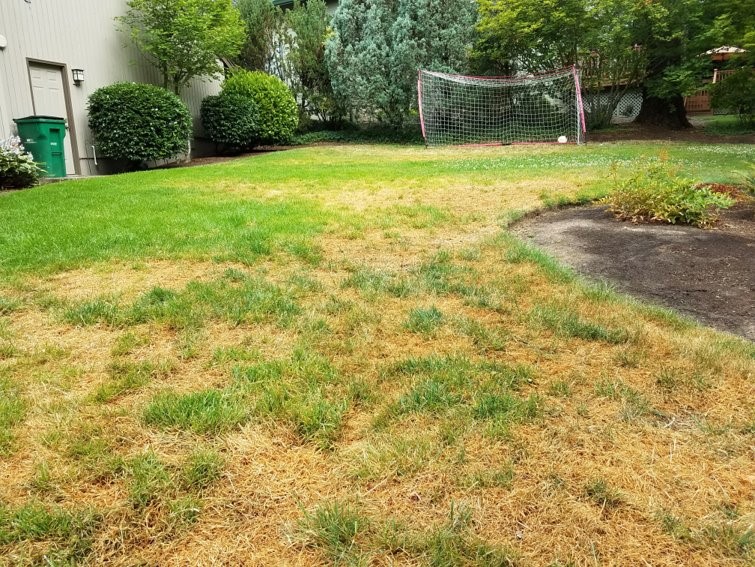
Image Source: www.landscapeeast.com
Deciphering the Origins of Lawn Brown Spots
Many factors can contribute to brown patches in your lawn. Identifying the specific cause is the first step to effective treatment. Let’s delve into the most frequent reasons your grass might be turning brown.
Fungal Lawn Diseases: The Invisible Invaders
Fungal lawn diseases are a prevalent cause of brown spots. These microscopic organisms thrive in specific environmental conditions, often exacerbated by mowing practices, watering schedules, and even the type of grass you have. They attack the grass blades, roots, or crowns, leading to tissue damage and browning.
Identifying Common Fungal Diseases
Several fungal diseases are notorious for causing brown patches:
- Brown Patch Fungus: This is a common summer disease that often appears as circular or irregular patches of brown, straw-colored grass. You might see a darker, smoke-ring-like border around the edge of the patch, especially in the morning when dew is present. The individual grass blades within the patch may have a bleached or tan appearance. It typically thrives in hot, humid weather.
- Dollar Spot Lawn: This disease is characterized by small, sunken spots that are about the size of a silver dollar. In the early morning, you might notice fine, silky webbing on the affected grass blades, along with small, tan or straw-colored lesions. If left untreated, these spots can merge into larger areas of brown turf. Dollar spot is often more prevalent in drier conditions or when the grass is low on nitrogen.
- Pythium Blight (Damping-off): Often seen in warm, wet weather, Pythium blight can cause rapid wilting and browning. It typically starts as small, scattered spots that can quickly enlarge, sometimes forming a greasy, water-soaked appearance. You might see a fuzzy, grayish-white mycelial growth on the grass blades in humid conditions.
- Red Thread: This disease usually appears as pinkish or reddish threads on the tips of grass blades, giving the lawn a scorched appearance. The affected areas are often irregular and can be more noticeable in overcast, humid conditions. Red thread typically affects lawns that are low in nitrogen.
- Rust Fungi: These diseases cause grass blades to be covered in a powdery orange, yellow, or reddish-brown dust. The blades will appear weakened and may eventually turn yellow and then brown. Rust fungi often indicate a stressed lawn, possibly due to poor fertility or drought.
Solutions for Fungal Diseases
- Improve Air Circulation: Trim overgrown shrubs and trees around the lawn to allow better airflow. This helps dry the grass faster after rain or dew.
- Adjust Mowing Practices: Mow regularly to keep grass at the recommended height for your grass type. Never remove more than one-third of the grass blade at a time. Clean your mower blades regularly to prevent the spread of disease.
- Proper Watering: Water deeply and infrequently, preferably in the early morning. This allows the grass to dry out before nightfall, reducing the ideal conditions for fungal growth. Avoid overhead watering late in the day.
- Fertilization: Ensure your lawn receives adequate nutrients, particularly nitrogen. A healthy, well-fed lawn is more resistant to fungal diseases. However, avoid over-fertilizing, which can also stress the grass.
- Core Aeration: This process removes small plugs of soil, improving air, water, and nutrient penetration to the roots, which can help manage certain fungal issues.
- Fungicides: For severe outbreaks, a properly labeled fungicide can be effective. Always follow label instructions carefully. There are both preventative and curative fungicides available.
Insect Lawn Damage: The Unseen Feeders
Insects can wreak havoc on a lawn, often going unnoticed until significant damage occurs. Their feeding habits can strip the grass of essential nutrients or damage the root systems, leading to widespread browning.
Common Lawn Pests
- Grub Lawn Damage: White grubs are the C-shaped larvae of various beetles. They live in the soil and feed on grass roots. As they consume the roots, the grass above ground loses its ability to absorb water and nutrients, causing it to turn brown and die. You might notice the browning in irregular patches that lift up easily, like a carpet, because the roots have been severed.
- Chinch Bugs: These small, dark insects feed on grass by sucking out plant juices. They are particularly fond of sunny, dry areas. Damage often appears as irregular brown patches, sometimes with a yellowish or purplish hue. Chinch bugs tend to congregate in large numbers, so a small spot can quickly expand.
- Sod Webworms: The larvae of lawn moths, sod webworms, feed on grass blades and crowns, often at night. Their damage typically manifests as irregular brown patches or thinning areas. You might see chewed-off grass blades at the soil surface or small piles of sawdust-like frass (insect droppings).
- Armyworms: These caterpillars can defoliate large areas of turf quickly, appearing in vast numbers and consuming grass blades. Their feeding can result in extensive brown or chewed-looking patches.
Solutions for Insect Damage
- Proper Identification: It’s crucial to correctly identify the pest before applying any treatment. Look for the insects themselves, their larvae, or evidence of their feeding. A simple “tug test” can help identify grub damage – if the turf lifts easily, grubs are likely present.
- Beneficial Nematodes: For grub control, beneficial nematodes are a natural and effective option. These microscopic worms seek out and parasitize grubs in the soil.
- Insecticides: If infestation levels are high, a targeted insecticide may be necessary. Choose a product specifically designed for the pest you have identified. Read and follow all label instructions carefully.
- Encourage Natural Predators: Birds, beneficial insects like ladybugs and lacewings, and some predatory insects help control pest populations naturally. Avoid broad-spectrum insecticides that kill these beneficial organisms.
- Healthy Lawn Practices: A healthy, dense lawn is more resilient to insect attacks. Proper watering, fertilization, and mowing can help your grass outcompete many pests.
Drought Stress Lawn: The Thirst Quencher
When your lawn doesn’t receive enough water, it can suffer from drought stress lawn. Grass blades will begin to turn a dull gray-green, then yellow, and finally brown as the plant conserves moisture.
Recognizing Drought Stress
- Footprints Remain: If you walk on a drought-stressed lawn, your footprints will remain visible for a long time because the grass blades are too brittle to spring back.
- Color Change: The grass will gradually lose its vibrant green color, turning a duller hue before browning.
- Wilting: In severe cases, the grass blades will visibly curl or fold.
Solutions for Drought Stress
- Deep and Infrequent Watering: This is the most critical step. Water your lawn deeply enough to soak the soil 4-6 inches down. This encourages deep root growth, making the grass more drought-tolerant. Aim for about 1 inch of water per week, applied in one or two watering sessions.
- Water in the Morning: Watering early in the day minimizes water loss due to evaporation and allows the grass to dry before night.
- Mulching: Applying a layer of organic mulch around trees and shrubs can help retain soil moisture.
- Improve Soil Health: Healthy soil with good organic matter content retains moisture better. Incorporating compost can improve drought resistance.
- Adjust Mowing Height: Mow your grass slightly higher during hot, dry periods. Taller grass shades the soil, reducing evaporation and keeping the roots cooler.
- Consider Drought-Tolerant Grass Varieties: If you live in a region prone to drought, consider overseeding your lawn with grass species that are naturally more drought-resistant.
Pet Urine Lawn: The Unwelcome Spot Creator
Pet urine lawn spots are a common and often embarrassing problem for pet owners. The high concentration of nitrogen and salts in animal urine can scorch the grass blades, causing distinct brown spots with a green halo around the edge.
Why Pet Urine Burns Grass
Urine contains urea, which breaks down into ammonia and then into nitrates. While nitrogen is a nutrient for grass, in high concentrations, these compounds act like a fertilizer burn, dehydrating and killing the grass tissue.
Solutions for Pet Urine Spots
- Rinse the Area: Immediately after your pet urinates on the lawn, thoroughly rinse the area with plenty of water. This dilutes the urine and washes away the concentrated salts and nitrogen.
- Train Your Pet: Encourage your pet to use a designated area of the lawn or a specific spot for urination.
- Dietary Supplements: Some owners use dietary supplements designed to alter the pH of pet urine, but consult your veterinarian before using these.
- Repair Damaged Spots: For existing brown spots, you can reseed the area with a grass seed variety that matches your existing lawn. Ensure the soil is amended with compost before reseeding.
- Lawn Protectants: Some products are available that claim to protect your lawn from pet urine damage, often by encouraging faster urine breakdown.
Poor Lawn Drainage: The Soggy Situation
Poor lawn drainage can lead to a variety of problems, including the development of brown spots. When water saturates the soil for extended periods, it can suffocate grass roots, making them susceptible to disease and ultimately leading to death and browning.
Signs of Poor Drainage
- Standing Water: Water sits on the surface for more than a few hours after rain or irrigation.
- Mushy Soil: The soil feels spongy and waterlogged.
- Weed Infestation: Certain water-loving weeds may thrive in these conditions.
- Root Rot: Roots can become unhealthy and prone to rot, leading to wilting and browning.
Solutions for Poor Drainage
- Core Aeration: As mentioned before, core aeration helps to alleviate soil compaction and improve water infiltration.
- Dethatching: Removing excess thatch can also improve drainage.
- Improve Soil Structure: Adding organic matter, such as compost, can improve the soil’s ability to absorb and drain water.
- Install French Drains: For persistent drainage issues, a French drain system can effectively divert excess water away from the lawn.
- Regrading: In severe cases, regrading the lawn to create a gentle slope away from problem areas might be necessary.
- Choose Appropriate Grasses: Select grass species that are tolerant of wet conditions if your drainage issues cannot be fully resolved.
Thatch Buildup Lawn: The Suffocating Layer
Thatch buildup lawn refers to the layer of dead and living plant material that accumulates between the green grass blades and the soil surface. A thin layer is normal, but excessive thatch can create a spongy, waterlogged mat that suffocates roots and provides a breeding ground for pests and diseases.
What is Thatch?
Thatch is composed of crowns, stems, and roots that haven’t decomposed properly. It’s a natural byproduct of grass growth, but certain conditions can lead to excessive accumulation.
Causes of Excessive Thatch
- Over-fertilization: Applying too much nitrogen can stimulate rapid top growth, overwhelming the natural decomposition process.
- Improper Watering: Frequent, shallow watering can encourage shallow root growth and a thicker layer of undecomposed material.
- Acidic Soil: Soils with a low pH can slow down the decomposition of organic matter.
- Certain Grass Types: Some grass species, like perennial ryegrass and Kentucky bluegrass, are more prone to thatch buildup than others.
Solutions for Thatch Buildup
- Dethatching (Power Raking): This is the most effective way to remove excessive thatch. A power rake or dethatcher has vertical blades that dig into the thatch layer and pull it to the surface for removal.
- Core Aeration: Aeration helps break up thatch and allows air, water, and nutrients to reach the soil and roots. It also encourages the breakdown of thatch.
- Proper Watering and Fertilization: Adjust your watering and fertilization practices to encourage healthy root growth and prevent excessive top growth.
- Soil pH Adjustment: If your soil is acidic, lime can be added to raise the pH and improve decomposition.
Fertilizer Burn Lawn: The Overfed Blight
Fertilizer burn lawn occurs when fertilizer is applied too heavily, too close to the grass blades, or not watered in properly. The concentrated salts in the fertilizer can draw moisture out of the grass, causing it to dry out and turn brown.
Recognizing Fertilizer Burn
- Stripes of Browning: Often, fertilizer burn appears as distinct stripes or patches that correspond to where the fertilizer was applied unevenly.
- Wilting and Browning: The affected grass will appear wilted, then turn brown and brittle.
- Affected Areas Expand: Sometimes, the burn can spread outward from the initial application point.
Solutions for Fertilizer Burn
- Water Thoroughly: If you notice fertilizer burn shortly after application, water the affected areas deeply and generously. This helps to dilute the fertilizer and wash it through the soil profile.
- Rake and Remove: For minor burns, gently rake the affected areas to remove any loose, dead grass.
- Reseed: If the damage is severe, you will likely need to reseed the burned areas once the grass has recovered. Prepare the soil by loosening it and adding a starter fertilizer before sowing new seed.
- Apply Correctly in the Future: Always follow the application rates and instructions on fertilizer packaging. Use a spreader for even application and ensure you water the fertilizer in immediately after application, especially during hot or dry weather.
Troubleshooting Your Lawn: A Step-by-Step Approach
When faced with brown spots, it’s helpful to have a systematic approach to diagnosis and treatment.
Step 1: Observe and Inspect
Before reaching for a solution, take a close look at the brown spots:
- Pattern: Are they circular, irregular, linear, or scattered?
- Size: Are they small spots or large patches?
- Surroundings: Are there any green halos, webbing, or insect activity visible?
- Soil Moisture: Is the soil dry, overly wet, or normal?
- Recent Activity: Have you recently fertilized, applied pesticides, or has your pet been in the area?
Step 2: Consider Environmental Factors
Think about recent weather patterns and your lawn care practices:
- Heat and Humidity: These conditions favor fungal lawn diseases.
- Drought: Lack of rain or inadequate watering points to drought stress lawn.
- Heavy Rain: Prolonged wetness can indicate poor lawn drainage.
- Fertilizer Application: Recent fertilization might suggest fertilizer burn lawn.
- Pet Activity: Presence of pets is a clue for pet urine lawn issues.
Step 3: Perform Simple Tests
- Grub Test: In an affected area, pull up a section of the turf. If it lifts easily like a carpet, look for C-shaped white grubs in the soil.
- Soil Test: For suspected nutrient deficiencies or pH imbalances that can contribute to disease, consider a soil test.
Step 4: Implement Targeted Solutions
Based on your observations and tests, apply the appropriate solutions:
- Fungal Diseases: Improve air circulation, adjust watering, fertilize appropriately, and use fungicides if necessary.
- Insect Damage: Identify the pest and use targeted treatments, including biological controls or insecticides.
- Drought Stress: Water deeply and infrequently, consider drought-tolerant grasses.
- Pet Urine: Rinse affected areas immediately, train pets to designated spots.
- Poor Drainage: Aerate, dethatch, improve soil, or consider drainage systems.
- Thatch Buildup: Dethatch and aerate regularly.
- Fertilizer Burn: Water thoroughly, rake, reseed if necessary, and practice proper application in the future.
Prevention: The Best Defense for a Healthy Lawn
The most effective way to combat brown spots is through proactive lawn care.
Key Prevention Strategies
- Choose the Right Grass: Select grass varieties suited to your climate and soil conditions.
- Proper Mowing: Maintain the correct mowing height for your grass type and keep mower blades sharp.
- Consistent Watering: Water deeply and infrequently, preferably in the morning.
- Balanced Fertilization: Fertilize according to soil test recommendations and the needs of your grass type. Avoid over-fertilization.
- Regular Aeration and Dethatching: Perform these maintenance tasks annually or as needed to prevent soil compaction and thatch buildup.
- Monitor for Pests and Diseases: Regularly inspect your lawn for early signs of trouble and address them promptly.
- Manage Pet Waste: Be diligent about cleaning up after pets and rinsing affected areas.
By implementing these preventive measures, you can significantly reduce the likelihood of encountering frustrating brown spots and enjoy a consistently healthy, vibrant lawn.
Frequently Asked Questions (FAQ)
Q1: Can I prevent brown spots entirely?
While it’s challenging to prevent all brown spots due to unpredictable weather and the nature of living organisms, consistent and proper lawn care practices can significantly reduce their occurrence and severity.
Q2: What is the fastest way to fix a brown spot?
The fastest way to fix a brown spot depends on the cause. For fertilizer burn lawn or pet urine lawn spots, immediate watering can help. For damaged turf from insects or disease, reseeding or sodding the area might be the quickest repair, but addressing the underlying cause is crucial for long-term health.
Q3: When should I call a professional lawn care service?
If you’ve tried various solutions and are still struggling with persistent brown spots, or if you suspect a widespread fungal disease or severe insect infestation, it’s wise to consult a professional. They have the expertise and specialized tools to diagnose and treat complex lawn problems.
Q4: How do I know if it’s a fungus or an insect causing the brown spots?
Careful observation is key. Fungal lawn diseases often present as distinct patterns like rings or circles, and you might see visible fungal growth (like webbing or spores) in humid conditions. Insect lawn damage, particularly grub lawn damage, will show signs like turf that lifts easily. Look for the insects themselves or their damage on the grass blades.
Q5: Can I treat multiple brown spot causes at once?
Sometimes. For instance, improving poor lawn drainage can indirectly help prevent fungal lawn diseases. However, when using chemical treatments like fungicides or insecticides, it’s crucial to ensure they are compatible and applied correctly. Always read and follow product labels.
Q6: Is it okay to water my lawn during the day?
It’s best to water in the early morning. Watering during the heat of the day leads to significant water loss through evaporation. Watering in the evening can leave grass blades wet overnight, which can encourage fungal lawn diseases.