
What causes a bumpy lawn? A bumpy lawn can be caused by several factors, including soil compaction, thatch buildup, animal activity like moles, and poor drainage. Addressing the underlying cause is key to achieving a smooth, level lawn.
A healthy, vibrant lawn is the envy of the neighborhood, but sometimes that picturesque green carpet can develop unwelcome undulations. An uneven lawn isn’t just an aesthetic concern; it can also create tripping hazards and make mowing difficult. If you’re asking yourself, “Why is my lawn bumpy?”, you’ve come to the right place. We’ll delve into the common culprits behind those annoying bumps and provide practical solutions for lawn repair.
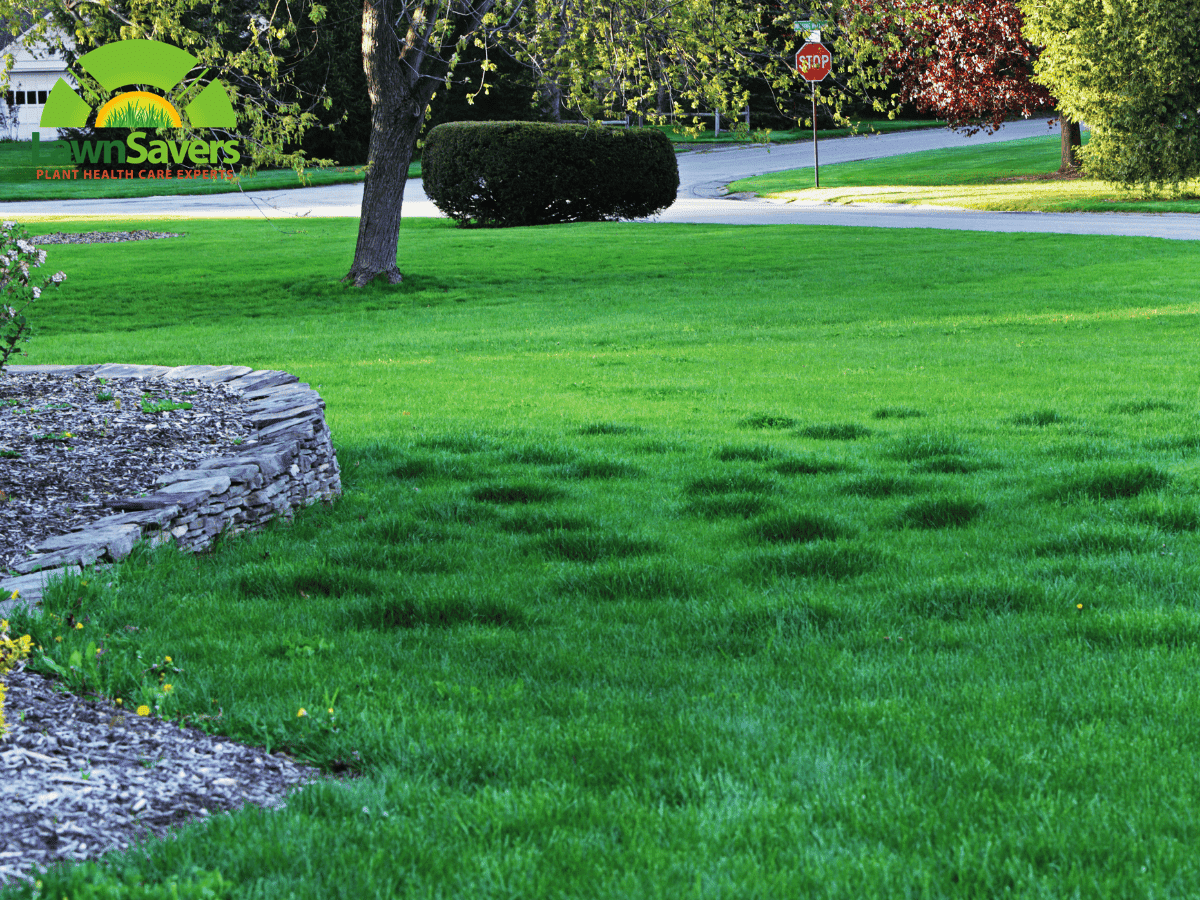
Image Source: lawnsavers.com
Deciphering the Sources of Lawn Bumps
Bumps on your lawn aren’t usually the result of a single issue. More often, it’s a combination of environmental factors, soil conditions, and sometimes, unwanted guests. Let’s explore the most frequent reasons for that uneven lawn.
Soil Compaction: The Foundation of the Problem
One of the most pervasive reasons for a bumpy lawn is soil compaction. When soil particles are pressed too closely together, it reduces pore space. This lack of space hinders air, water, and nutrient circulation to the grass roots, leading to weak growth and susceptibility to bumps.
What Makes Soil Compact?
- Heavy Foot Traffic: Constant walking, playing, or even parking vehicles on the lawn can compress the soil. This is especially problematic for lawns that are already on a clay base, which is naturally more prone to compaction.
- Machinery Use: Repeatedly driving lawnmowers, aerators, or other heavy equipment over the same areas can cause significant compaction.
- Poor Soil Structure: Soils with a high clay content have smaller particles that pack tightly. Over time, without proper management, these soils can become severely compacted.
- Heavy Rainfall: While natural, prolonged periods of heavy rain can saturate the soil, making it more susceptible to being compressed by subsequent activity.
Recognizing Soil Compaction’s Impact
Compacted soil creates a dense environment where grass struggles to thrive. Roots become shallow, making the grass weaker and the surface more prone to unevenness. The lack of air also contributes to a less healthy root system, exacerbating the bumpiness.
Thatch Buildup: A Smothering Blanket
Thatch buildup is another common culprit. Thatch is a layer of dead and living stems, roots, and other organic matter that accumulates on the soil surface, between the soil and the blades of grass. A small amount of thatch is beneficial, as it acts as a natural mulch. However, when it gets too thick, it can choke the lawn.
When Thatch Becomes a Problem
- Excessive Organic Material: Grass varieties that produce a lot of organic matter, combined with over-fertilization, can lead to rapid thatch accumulation.
- Slow Decomposition: If the soil microbes that break down organic matter are not thriving (due to poor soil conditions or lack of aeration), thatch will build up faster than it decomposes.
How Thatch Creates Bumps
A thick thatch layer acts like a sponge, holding water and nutrients on the surface. This can lead to shallow rooting of the grass. More importantly, the dense, spongy layer itself can become uneven, creating soft spots and bumps as it compresses and deforms. It also prevents water from reaching the soil, leading to localized dry spots that make the lawn appear patchy and bumpy.
Animal Activity: Unwanted Gardeners
Your lawn can also become bumpy due to the unwelcome activity of burrowing animals.
Moles: The Underground Architects
Moles are notorious for creating bumpy lawns. These subterranean mammals create extensive tunnel systems just below the surface as they search for insects and grubs. The displaced soil is pushed to the surface, forming characteristic molehills and raised ridges.
- Signs of Moles: Distinctive mounds of soil (molehills) and raised, winding tunnels are clear indicators of mole activity.
Grubs: The Hidden Threat
While grubs themselves don’t create surface bumps, their feeding habits can indirectly lead to an uneven lawn. Grubs are the larvae of various beetles and feed on grass roots.
- Impact of Grub Feeding: When grubs devour grass roots, the grass in those areas dies. This can lead to dead patches that can sink or become uneven as the soil compacts around the dead roots. Furthermore, birds and other animals might dig in these areas to find the grubs, creating further disruption and bumps.
Drainage Issues: Waterlogged Woes
Drainage issues can significantly contribute to a bumpy lawn. When water doesn’t drain away properly, it can saturate the soil, leading to several problems.
Causes of Poor Drainage
- Soil Compaction: As discussed, compacted soil has poor drainage because water struggles to infiltrate.
- Low-Lying Areas: Depressions in the landscape naturally collect water, creating consistently damp or waterlogged spots.
- Clay Soil: Heavy clay soils have small pore spaces, making them drain very slowly.
- Improper Grading: The natural slope of your yard might be insufficient to move water away, leading to standing water after rain or irrigation.
How Poor Drainage Affects Lawn Evenness
Waterlogged soil can weaken grass roots, making them more susceptible to damage. It also promotes the growth of moss and weeds, which can create an uneven texture. In severe cases, the soil in waterlogged areas can become unstable, leading to depressions and bumps as the ground settles unevenly.
Freeze-Thaw Cycles: Nature’s Upheaval
In regions with cold winters, freeze-thaw cycles can also contribute to lawn bumpiness.
- The Process: Water in the soil freezes and expands, pushing soil particles apart and lifting the surface slightly. When the ground thaws, the soil settles back down, but not always perfectly evenly. Repeated cycles can cause the surface to become progressively more uneven.
Uneven Topsoil or Filling: Past Imperfections
Sometimes, the bumpiness is a legacy of past landscaping or construction activities.
- Uneven Grading: If the land was not properly graded during construction or a previous landscaping project, there might be low spots and high spots from the start.
- Improper Filling: If soil was recently added to fill holes or level areas, it might not have been properly compacted. Over time, this loose soil can settle unevenly, creating dips and bumps.
Achieving a Smoother Surface: Lawn Repair Strategies
Now that we’ve explored the common causes, let’s look at how to achieve a leveling lawn and repair those bumps. The best approach often involves a combination of techniques tailored to the specific problem.
Addressing Soil Compaction: Aeration is Key
Lawn aeration is a vital process for combating soil compaction. It involves creating small holes in the soil, allowing air, water, and nutrients to penetrate deeper into the root zone.
Types of Aeration
- Core Aeration: This method uses a machine with hollow tines to pull out small plugs of soil. These plugs are left on the surface to break down naturally. Core aeration is highly effective for relieving deep compaction.
- Spike Aeration: This method uses solid spikes to penetrate the soil. While less effective than core aeration for severe compaction, it can be a good option for lighter compaction or as a regular maintenance practice.
Best Practices for Aeration
- Timing: Aerate when the grass is actively growing. For cool-season grasses (like Fescue, Ryegrass, Kentucky Bluegrass), this is typically in the fall or early spring. For warm-season grasses (like Bermuda, Zoysia), it’s best to aerate in late spring or early summer.
- Frequency: The frequency of aeration depends on soil type and traffic. Heavily compacted lawns might need aeration once or twice a year, while less-trafficked lawns may only need it every 2-3 years.
Managing Thatch: Dethatching and Healthy Soil Practices
To deal with thatch buildup, dethatching (also known as power raking) is the primary solution.
The Dethatching Process
- Tools: Dethatching can be done with a manual rake designed for thatch, a power rake, or a scarifier. A power rake with vertical blades or tines cuts into the thatch layer, lifting it to the surface for removal.
- Timing: Dethatch when the grass is actively growing, typically in conjunction with aeration timing.
- Aftercare: Rake up the loosened thatch and dispose of it or compost it. Follow up with aeration if needed, and consider overseeding thin areas.
Preventing Future Thatch Buildup
- Proper Watering: Water deeply and less frequently to encourage deeper root growth, which makes grass healthier and less prone to excessive thatch.
- Appropriate Fertilization: Avoid over-fertilizing, especially with high-nitrogen fertilizers, as this can promote rapid growth and thatch production.
- Mowing Habits: Mow at the correct height for your grass type. Mowing too low can stress the grass, while leaving clippings on the lawn can sometimes contribute to thatch if they don’t decompose quickly. However, mulching mower clippings is generally beneficial if done correctly.
- Encourage Microbial Activity: Aeration and maintaining good soil health with organic matter will help the natural decomposition process of thatch.
Controlling Pests: Mole and Grub Management
Dealing with animal activity requires specific strategies.
Mole Control
- Identification: Confirm that moles are the cause of the bumps by looking for their characteristic tunnels and mounds.
- Trapping: Live traps or kill traps can be effective if placed strategically in active tunnels.
- Repellents: Various granular or liquid repellents are available, though their effectiveness can vary. Some castor oil-based products can deter moles by making their food source (grubs and insects) unpalatable.
- Eliminating Food Sources: While it seems counterintuitive, reducing the grub population can sometimes encourage moles to move on, as grubs are their primary food source. However, this can also be a complex balance, as moles help control other pests.
Grub Control
- Identification: Dig up small sections of turf to look for C-shaped white grubs with brown heads.
- Treatment: Apply insecticide treatments specifically formulated for grubs. Timing is crucial; treatments are most effective when grubs are young and actively feeding near the surface, typically in late summer or early fall.
- Biological Control: Beneficial nematodes can be applied to the soil to naturally control grub populations.
Improving Drainage: Water Management Solutions
Addressing drainage issues is critical for a healthy and level lawn.
Solutions for Poor Drainage
- Core Aeration: As mentioned, aeration significantly improves water infiltration and drainage in compacted soils.
- Topdressing: Applying a thin layer of sand or compost after aeration can further improve drainage and soil structure.
- Regrading: For severe drainage problems due to improper grading, professional regrading might be necessary. This involves reshaping the land’s surface to ensure water flows away from the house and lawn.
- French Drains: Installing French drains (trenches filled with gravel and a perforated pipe) can effectively channel excess water away from problem areas.
- Sump Pumps: In very low-lying areas, a sump pump system might be required to actively remove water.
- Plant Selection: Consider planting grass varieties or groundcovers that are more tolerant of moist conditions in persistently wet areas.
Addressing Freeze-Thaw and Settling: Topdressing and Leveling
For bumps caused by freeze-thaw cycles or settling of new soil, topdressing is a common solution.
Topdressing for Leveling
- Materials: Use a quality topsoil or a soil-compost mix that is compatible with your existing soil.
- Application: Spread a thin layer (no more than 1/4 to 1/2 inch at a time) over the bumpy areas.
- Timing: This can be done in the spring or fall. It’s often best to do this after aeration, as the holes will help incorporate the new material.
- Seeding: You can often overseed the topdressed areas to ensure good grass coverage.
- Repetition: For significant unevenness, you may need to repeat the topdressing process over several seasons to gradually build up the low spots without smothering the existing grass.
Lawn Leveling Techniques in Detail
When your lawn is significantly bumpy, specific lawn leveling techniques are required for effective lawn repair.
Gradual Topdressing: The Patience Approach
This is often the most recommended method for homeowners.
- Identify Low Spots: Walk your lawn after rain or irrigation to clearly see where water collects or where the dips are most pronounced.
- Prepare the Area: Lightly loosen the soil in the low spots with a rake to help the new soil adhere.
- Apply Topsoil: Spread a thin layer of screened topsoil or a compost-soil blend over the low areas. Aim for no more than 1/2 inch at a time. Avoid piling soil directly against the crowns of grass plants, as this can smother them.
- Rake Smooth: Use a sturdy landscaping rake to spread the soil evenly and smooth out the surface.
- Water Lightly: Water the newly topdressed areas to help the soil settle.
- Overseed (Optional but Recommended): If the areas are bare or the grass is thin, lightly seed with a grass seed mix that matches your existing lawn.
- Maintain: Water the new seed according to its requirements.
- Repeat: For significant unevenness, you will likely need to repeat this process over several seasons, allowing the grass to establish between applications. This gradual approach prevents smothering the existing turf and allows the soil to settle naturally.
Soil Removal and Reseeding: For Deeper Bumps
If you have significant high spots, you might need to remove soil.
- Identify High Spots: Mark the areas that are significantly raised.
- Remove Excess Soil: Carefully scrape away the excess soil using a spade or flat shovel. Be mindful not to damage the surrounding grass roots more than necessary.
- Level the Area: Use a rake to smooth the exposed soil.
- Reseed: Apply a suitable grass seed mixture and cover lightly with a thin layer of topsoil or compost.
- Water and Maintain: Follow the same watering and maintenance steps as for overseeding.
Soil Sandwich Method: A More Intensive Approach
This method is used for moderate to severe unevenness and involves a combination of loosening, adding soil, and compacting.
- Loosen the Area: Use a garden fork or aeration tool to loosen the soil in the bumpy area.
- Add Compost/Soil: Spread a layer of compost or a soil-compost mix over the loosened area.
- Rake and Level: Rake the material to fill the dips and create a smoother surface.
- Seed: Overseed the area with your preferred grass seed.
- Water and Maintain: Water regularly and keep the area moist until the grass germinates.
- Roll (Optional): For a firmer finish and to ensure good seed-to-soil contact, you can lightly roll the area with a lawn roller. Be cautious not to over-compact the soil.
The Role of Lawn Aeration in Leveling
Lawn aeration plays a crucial supporting role in lawn leveling techniques. By creating holes, it allows topdressing materials to penetrate the existing turf and integrate better with the soil below. This helps prevent the topdressing from becoming a separate, unnatural layer on top of your lawn, which can lead to its own set of problems. Aeration also helps improve the soil’s ability to settle evenly after material is added.
When to Call a Professional
While many lawn bumps can be addressed with DIY methods, some situations might warrant professional help.
- Severe Drainage Problems: If your lawn consistently has standing water for extended periods, professional landscapers can diagnose and implement more complex drainage solutions.
- Extensive Mole or Grub Infestations: If DIY pest control methods are not working, a professional pest control service can offer more potent solutions.
- Large-Scale Unevenness: For very large lawns with significant grading issues, professional excavation and regrading might be the most efficient and effective solution.
- Uncertainty: If you’re unsure about the cause of your bumpy lawn or the best course of action, consulting a local lawn care professional can save you time and potential mistakes.
Frequently Asked Questions (FAQ)
Q1: How long does it take to level a bumpy lawn?
A1: The time it takes to level a bumpy lawn depends on the severity of the unevenness and the methods used. Gradual topdressing can take several seasons to achieve a perfectly smooth surface without harming the existing grass. More intensive methods might show results faster but require careful execution.
Q2: Can I just put soil on top of the bumps?
A2: You can add soil to low spots, but simply piling soil on top of bumps (high spots) is not recommended as it will likely smother the grass and create a dead patch. If you have high spots, you’ll need to remove excess soil carefully.
Q3: Is aeration good for a bumpy lawn?
A3: Yes, lawn aeration is very beneficial for a bumpy lawn, especially if soil compaction is a contributing factor. It improves air, water, and nutrient penetration, leading to healthier grass that can better tolerate and recover from unevenness. It also helps integrate topdressing materials.
Q4: What is the best time of year for lawn leveling?
A4: The best times for lawn leveling techniques like topdressing and overseeding are typically during the active growing seasons of your grass. For cool-season grasses, this is early spring or fall. For warm-season grasses, it’s late spring or early summer. Aeration should also be performed during these active growth periods.
Q5: My lawn has many molehills. What’s the best way to get rid of them?
A5: The most effective ways to deal with molehills are mole control methods such as trapping or using repellents. Eliminating their food source (grubs) can also help, but this needs to be balanced with the overall health of your lawn.
Q6: My lawn is lumpy after winter. What could cause this?
A6: Lumps after winter are often caused by freeze-thaw cycles where water in the soil freezes, expands, and lifts the ground, then settles unevenly upon thawing. Poor drainage or underlying soil compaction can exacerbate this issue.
By identifying the specific causes of your bumpy lawn and applying the appropriate lawn repair strategies, you can transform your uneven lawn into a smooth, healthy, and enjoyable space. Patience and consistent effort are key to achieving the perfect, level lawn you desire.