
Your lawn is a source of pride, but when it starts turning an unexpected orange color, it can be quite alarming. Your lawn is turning orange primarily due to drought stress, fungal diseases, insect infestations like chinch bugs, improper fertilization leading to fertilizer burn, or nutrient deficiencies. Fortunately, identifying the root cause is the first step to bringing your lawn back to its vibrant green glory. This comprehensive guide will delve into the common culprits behind an orange lawn and provide effective solutions.
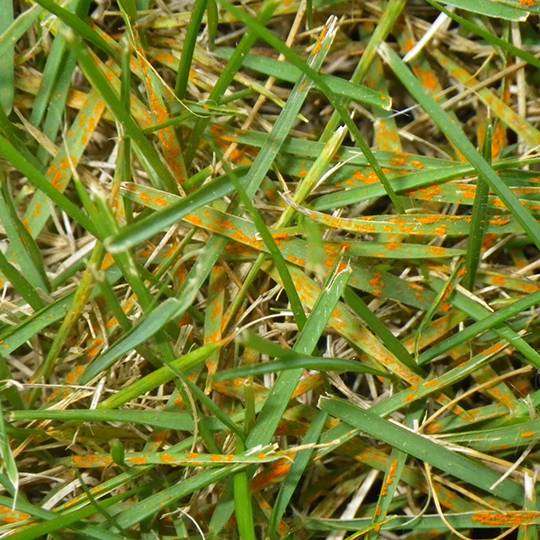
Image Source: www.cardinallawns.com
Deciphering the Orange Hue: Common Culprits
An orange tinge on your lawn isn’t a single problem; it’s a symptom that can stem from various environmental and biological factors. Let’s explore these in detail.
1. Thirst and Trouble: Drought Stress
When your lawn doesn’t get enough water, the grass blades start to shut down. This is a natural defense mechanism.
How Drought Stress Makes Lawns Orange
- Water Conservation: Plants have an internal system to conserve water. When water is scarce, grass blades can dry out.
- Cellular Damage: Without enough moisture, the green pigment (chlorophyll) begins to degrade. This process can expose other pigments in the grass, often leading to a yellow or even an orangey-brown appearance.
- Widespread Discoloration: Drought stress typically affects the entire lawn evenly, especially in areas that are more exposed to the sun or wind. You might notice the grass feeling dry and crunchy underfoot.
Fixing Drought Stress
- Deep and Infrequent Watering: The best approach is to water deeply but less often. This encourages grass roots to grow deeper into the soil, making them more resilient to dry spells. Aim for about 1 inch of water per week, delivered in one or two sessions.
- Timing is Key: Water early in the morning to minimize evaporation and allow the grass to dry before nightfall, reducing the risk of fungal diseases.
- Mulching: Applying a layer of mulch around trees and flower beds can help retain soil moisture.
- Improve Soil Health: Healthy soil with good organic matter content holds water better. Consider aerating your lawn and top-dressing with compost.
2. The Fungal Invasion: Fungal Diseases
Several types of fungi can wreak havoc on a lawn, often presenting as orange or reddish-brown patches.
Common Fungal Diseases Causing Orange Lawns
- Rust Fungi: These are perhaps the most common cause of orange discoloration. You might see fine, powdery or dusty-looking orange or yellow spores on the grass blades. Often, the blades will feel sticky to the touch because of the fungal spores.
- What is Rust Fungi? Rust fungi are a group of plant pathogens that create rusty-looking spores on host plants. They thrive in conditions of moderate temperatures, high humidity, and slow-growing grass.
- When does it appear? Rust fungi often appear in late summer or fall when the weather is warm and humid, and the grass is stressed by heat or lack of nutrients.
- Dollar Spot: While typically causing bleached or straw-colored spots, in some stages or with certain grass types, dollar spot can present with a slightly bronzy or orangey hue. These are small, circular patches, often no bigger than a silver dollar.
- What is Dollar Spot? Dollar spot is a common turfgrass disease characterized by small, circular, sunken patches of blighted grass. It’s often caused by a lack of nitrogen and humid conditions.
Treating Fungal Diseases
- Improve Air Circulation: Prune overgrown shrubs and trees that shade your lawn or block airflow.
- Proper Mowing: Avoid mowing when the grass is wet. Ensure your mower blades are sharp; dull blades can stress the grass and create entry points for fungi. Mow at the higher recommended height for your grass type, as this helps shade the soil and keep it cooler and moister.
- Fertilization: Ensure your lawn is adequately fertilized, especially with nitrogen. A healthy, vigorously growing lawn is more resistant to fungal diseases. A balanced fertilizer can help.
- Watering Practices: Water in the morning to allow the grass to dry throughout the day. Avoid overwatering.
- Fungicides: For severe infestations, consider using a fungicide. There are both chemical and organic options available. Always follow label instructions carefully.
3. The Tiny Terrors: Chinch Bugs
These small, destructive insects can cause significant damage to lawns, often leading to irregular patches of brown or orange grass.
How Chinch Bugs Damage Lawns
- Piercing and Sucking: Chinch bugs feed by piercing the grass blades with their mouthparts and sucking out the plant juices. They inject a toxin that further damages the grass.
- Rapid Infestation: Chinch bugs reproduce quickly, and a small infestation can soon cover a large area.
- Damaged Areas: Infested areas typically start as small, irregular patches that enlarge and merge, often appearing as drought-stricken areas. The grass in these patches turns yellow, then brown, and can take on an orangey hue. You’ll often find them in sunny, dry areas of the lawn, especially where grass is thin.
- What are Chinch Bugs? Chinch bugs are small, black insects with white markings on their wings that primarily feed on the roots and crowns of turfgrass. They are most active during hot, dry weather.
Controlling Chinch Bugs
- Watering: While chinch bugs thrive in dry conditions, watering your lawn properly can help it recover and make it less attractive to them. However, overwatering can sometimes exacerbate the problem by creating damp, shady conditions that some pests prefer.
- Dethatching: Excessive thatch can provide a hiding place for chinch bugs. Dethatch your lawn in early spring or fall.
- Insecticides: If the infestation is severe, you may need to use an insecticide. There are synthetic and organic options. Apply in the late afternoon when the bugs are most active.
- Natural Predators: Encourage beneficial insects like ladybugs and lacewings, which prey on chinch bugs.
4. Too Much of a Good Thing: Fertilizer Burn
Over-fertilizing or applying fertilizer incorrectly can lead to chemical burn on grass blades, resulting in brown or orange streaks.
Signs of Fertilizer Burn
- Striping and Patchiness: Fertilizer burn often appears as distinct brown or orange streaks or patches where the fertilizer granules were concentrated.
- Wilting and Browning: The affected grass blades will quickly turn brown, dry out, and die.
- Timing and Application: This usually happens when fertilizer is applied too heavily, during hot weather, or when the lawn is already stressed from lack of water.
Preventing and Fixing Fertilizer Burn
- Follow Instructions: Always read and follow the application rates and instructions on the fertilizer packaging.
- Even Application: Use a spreader to ensure even distribution of fertilizer.
- Water In: Water your lawn thoroughly after fertilizing to help dissolve the granules and move them into the soil.
- Avoid Hot, Dry Conditions: Refrain from fertilizing when the weather is very hot and dry, or when the grass is already showing signs of stress.
- Correcting Burn: If you suspect fertilizer burn, water the affected areas heavily to wash away excess fertilizer. Damaged grass may eventually recover, but reseeding or sodding might be necessary in severe cases.
5. Nutrient Imbalances: Deficiency and Excess
Just as too much fertilizer can cause problems, a lack of essential nutrients can also turn your lawn orange.
Nutrient Deficiencies and Their Impact
- Nitrogen Deficiency: While often associated with a general yellowing, severe nitrogen deficiency can sometimes lead to a bronzy or even slightly orange hue as the grass struggles to produce chlorophyll.
- Potassium Deficiency: Low potassium levels can weaken grass, making it more susceptible to stress and diseases, which can manifest as discoloration.
- Micronutrient Issues: Deficiencies in micronutrients like iron can cause chlorosis (yellowing), but in some cases, the overall stressed appearance might be mistaken for an orangey tinge.
- What is Nutrient Deficiency? Nutrient deficiency occurs when the soil lacks essential elements that grass needs to thrive, such as nitrogen, phosphorus, potassium, and micronutrients.
Addressing Nutrient Imbalances
- Soil Testing: The best way to identify nutrient deficiencies is through a professional soil test. This will tell you exactly what your lawn needs.
- Balanced Fertilization: Use a balanced fertilizer that provides the necessary macronutrients (N-P-K) and micronutrients.
- Organic Matter: Incorporating compost into your soil improves its structure and nutrient-holding capacity.
- Specific Nutrient Applications: Based on soil test results, you might need to apply specific fertilizers or supplements to correct deficiencies.
6. Unwanted Guests: Yellow Nutsedge
While typically yellow, yellow nutsedge can sometimes present with a bronzy or orangey appearance, especially when stressed or in certain soil conditions.
Identifying Yellow Nutsedge
- Appearance: Yellow nutsedge is a sedge, not a grass. It has triangular stems, and its leaves are often a brighter, lighter green than the surrounding turfgrass.
- Growth Pattern: It tends to grow faster and taller than the lawn, creating a noticeable unevenness.
- Soil Preference: It often thrives in moist or poorly drained soils.
Controlling Yellow Nutsedge
- Proper Watering: Avoid overwatering, as nutsedge prefers consistently moist soil.
- Herbicides: Specific herbicides designed to target sedges are effective. These often work best when applied to actively growing nutsedge.
- Manual Removal: For small infestations, you can try to dig out the nutsedge plants, ensuring you get the entire root system and tubers.
7. Chemical Calamities: Pesticide Damage
Accidental over-application or using the wrong type of pesticide can damage grass, leading to discoloration that might include orange or brown patches.
Recognizing Pesticide Damage
- Spotty or Streaky Patterns: Similar to fertilizer burn, pesticide damage can appear as streaks or distinct spots where the chemical was applied.
- Wilting and Browning: The grass in the affected areas will often wilt, turn brown, and die.
- New Applications: This is more likely to occur after a recent pesticide application.
Preventing and Mitigating Pesticide Damage
- Read Labels Carefully: Always follow product instructions precisely regarding application rates, timing, and methods.
- Test Small Areas: If you’re unsure about a new product, test it on a small, inconspicuous area of your lawn first.
- Correct Application Equipment: Ensure your sprayer is calibrated correctly to avoid over-application.
- If Damage Occurs: Water the affected areas thoroughly to help dilute and wash away the chemical. It may take time for the grass to recover, and reseeding might be necessary.
8. Waterlogged Woes: Poor Drainage
Lawns with poor drainage can become waterlogged, stressing the grass and creating an environment where fungal diseases can flourish. This stress can lead to discoloration.
How Poor Drainage Affects Lawns
- Root Suffocation: When soil remains saturated for extended periods, grass roots are deprived of oxygen, leading to root rot and overall plant stress.
- Disease Favorable Conditions: Stagnant water creates an ideal breeding ground for various fungal pathogens.
- Discoloration: The stressed grass can turn yellow, brown, or even a dull orange as it struggles to survive.
Improving Lawn Drainage
- Aeration: Aerating your lawn creates small holes in the soil, allowing air, water, and nutrients to penetrate more easily.
- Top-dressing: Adding a thin layer of compost or soil can help improve soil structure over time.
- Amendments: For severe drainage issues, consider amending the soil with organic matter or sand.
- French Drains or Grading: In extreme cases, you might need to install French drains or re-grade your yard to direct water away from the lawn.
Visual Guide to Orange Lawn Symptoms
To help you pinpoint the cause, here’s a quick reference for what each issue might look like:
| Cause | Typical Appearance | Associated Factors |
|---|---|---|
| Drought Stress | Even discoloration across the lawn, grass feels dry and crunchy. | Hot, dry weather, infrequent watering, sandy soil. |
| Rust Fungi | Powdery orange/yellow spores on blades, sticky to touch, often in patches. | Humid, warm weather, slow-growing grass, low nitrogen. |
| Chinch Bugs | Irregular, spreading patches of brown/orange grass, often in sunny areas. | Hot, dry weather, thatch buildup, dense turf. |
| Fertilizer Burn | Distinct streaks or patches of brown/orange grass, often where fertilizer was heavy. | Over-application of fertilizer, improper spreader use, applying during hot weather. |
| Dollar Spot | Small, straw-colored spots that can merge; may have a bronzy tinge. | Lack of nitrogen, high humidity, mowing too short. |
| Yellow Nutsedge | Brighter green, triangular stems; can appear bronzy/orange when stressed. | Moist soil, poor drainage, inconsistent watering. |
| Pesticide Damage | Streaky or patchy discoloration similar to fertilizer burn, following application. | Over-application of pesticides, incorrect product use. |
| Poor Drainage | Patches of discolored, stressed grass, often in low-lying areas. | Compacted soil, clay soil, compacted turf, low spots in the yard. |
| Nutrient Deficiency | General yellowing, bronzing, or uneven growth; specific patterns depend on nutrient. | Low soil fertility, incorrect fertilizer use, acidic or alkaline soil pH. |
Lawn Care Best Practices for a Healthy Green Lawn
Preventing problems is always easier than fixing them. Here are some key practices to keep your lawn healthy and green:
Mowing Habits
- Height: Mow at the highest recommended height for your grass type. Taller grass shades the soil, reduces weed growth, and encourages deeper root development.
- Sharp Blades: Keep your mower blades sharp. Dull blades tear grass, making it susceptible to disease and drought.
- Mulching: Leave grass clippings on the lawn. They decompose and return valuable nutrients to the soil.
Watering Wisely
- Deep and Infrequent: Water deeply enough to moisten the soil to a depth of 4-6 inches, but do it less often.
- Morning Watering: Water early in the morning to reduce evaporation and prevent disease.
- Observe Your Lawn: Water when your lawn shows signs of thirst, such as a dull, bluish-gray color or when footprints remain visible after walking on it.
Fertilization Strategy
- Soil Test: Always start with a soil test to determine your lawn’s specific needs.
- Timing: Fertilize at the appropriate times of year for your grass type.
- Application: Use a spreader for even application and follow package directions precisely. Water in after fertilizing.
Aeration and Dethatching
- Aeration: Perform core aeration annually or biannually, especially if your soil is compacted.
- Dethatching: Remove excessive thatch (a layer of dead grass stems and roots) if it builds up more than half an inch thick. This is best done in early spring or fall.
Weed and Pest Management
- Integrated Approach: Use a combination of cultural practices, biological controls, and chemical treatments when necessary.
- Proper Identification: Correctly identify weeds and pests before applying any treatment.
- Targeted Application: Apply treatments only to affected areas when possible.
Frequently Asked Questions (FAQ)
Q1: Can my lawn recover if it’s turned orange?
A1: Yes, in most cases, your lawn can recover. The key is to accurately identify the cause of the orange color and implement the correct solutions. Prompt action can significantly improve your lawn’s health.
Q2: Is orange grass a sign of fungus?
A2: Orange or reddish-brown patches, especially those with a powdery or dusty appearance, are often a strong indicator of fungal diseases like rust fungi. However, other issues can also cause orange discoloration.
Q3: How often should I water my lawn?
A3: This depends on your grass type, climate, and soil conditions. Generally, aim for about 1 inch of water per week, applied in one or two deep watering sessions, rather than shallow, frequent watering.
Q4: What should I do if I suspect chinch bugs?
A4: First, confirm the presence of chinch bugs by looking for them in the thatch layer, especially in sunny, dry areas. You can perform a “float test” by cutting the bottom out of a can, pushing it into the soil, and filling it with water; if chinch bugs are present, they will float to the surface. If an infestation is confirmed, consider insecticides or encouraging natural predators.
Q5: My lawn has brown patches that look like fertilizer burn. What’s the quickest fix?
A5: If you suspect fertilizer burn, the quickest fix is to water the affected areas heavily. This helps to dilute and wash away the excess fertilizer. While the grass may recover, severe burns might require reseeding.
By carefully observing your lawn’s symptoms and considering the environmental factors at play, you can effectively diagnose why your lawn is turning orange and implement the necessary steps to restore its healthy green color. Consistent, proper lawn care is your best defense against these common issues.