
Converting your lawn to clover is a fantastic way to create a beautiful, low maintenance, and drought tolerant lawn. Clover lawns are a natural way to achieve a lush green space with significantly less effort than traditional grass lawns. This guide will walk you through the easy steps involved in making this eco-friendly switch.
Benefits of Clover Lawn
Why would you want to convert your lawn to clover? The benefits of clover lawn are numerous and impactful.
- Reduced Mowing: Clover grows much slower than most grasses, meaning you’ll spend less time pushing a mower. This is a significant advantage for busy homeowners.
- Drought Tolerance: Clover has deep taproots that can access water deep in the soil, making it incredibly drought tolerant. It stays green even when other lawns turn brown.
- Natural Fertilization: Clover is a legume, meaning it’s one of the nitrogen fixing plants. It pulls nitrogen from the air and converts it into a form that plants can use, naturally fertilizing your soil. This reduces the need for chemical fertilizers.
- Weed Suppression: A dense clover lawn outcompetes many common weeds, leading to a healthier, more uniform appearance without constant weeding.
- Attracts Pollinators: Clover flowers are a favorite food source for bees, butterflies, and other beneficial insects. This makes your lawn a bee friendly lawn.
- Pet Friendly: Clover is generally safe and non-toxic for pets, making it a pet friendly lawn option. They can roll and play on it without concern.
- Soil Health: The root system of clover improves soil structure, aeration, and water infiltration.
- Aesthetic Appeal: The bright green foliage and delicate white flowers add a charming and cheerful look to your yard.
When to Plant Clover Seed
The best time for planting clover seed is crucial for successful germination and establishment. Timing depends on your climate and the type of clover you choose.
- Cool-Season Climates: The ideal time is early spring or early fall.
- Early Spring: Sow seeds when the soil temperature consistently reaches 45-50°F (7-10°C). This usually happens a few weeks before your last expected frost. This allows the clover to establish roots before summer heat.
- Early Fall: Planting in early fall (late August to early October) is often preferred. The soil is still warm, but the air is cooler, providing ideal germination conditions. This allows the clover to grow and mature before winter.
- Warm-Season Climates: For warmer regions, late fall or early spring are generally the best times.
- Late Fall: Planting after the hottest part of summer has passed, but before the first hard frost, can be successful.
- Early Spring: Similar to cooler climates, early spring provides a good window for establishment before intense summer heat arrives.
Choosing the Right Clover Seed
Not all clover is created equal. For lawns, White Clover (Trifolium repens) is the most popular choice due to its low growth habit, hardiness, and attractive flowers. You can find different varieties of White Clover, such as:
- Microclover: This is a dwarf variety that grows even shorter than traditional White Clover, requiring less frequent mowing and offering a more uniform appearance.
- Large Leaf Varieties: While attractive, larger leaf clovers can grow taller and might require more frequent mowing than dwarf varieties.
When purchasing seed, look for certified seed to ensure purity and germination rates.
Converting Your Lawn: Step-by-Step
The process of converting your existing lawn to clover can be done in a few ways, depending on whether you’re starting from scratch or looking to overseeding with clover.
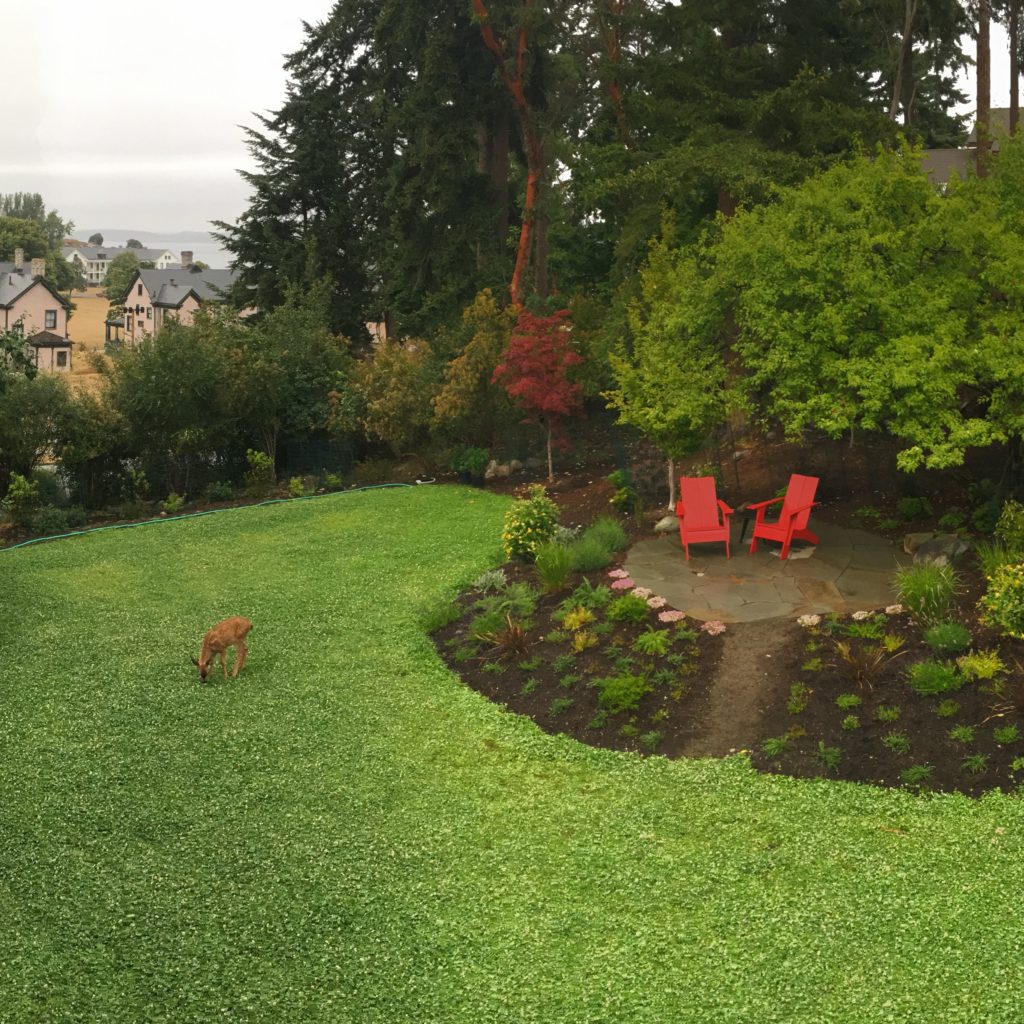
Image Source: veronicashukla.com
Method 1: Starting Fresh (Killing Existing Lawn)
This method provides the cleanest slate for your new clover lawn.
Step 1: Kill the Existing Grass and Weeds
- Option A: Smothering (No-Till Method): This is an eco-friendly approach.
- Mow Low: Mow your existing lawn as short as possible.
- Water: Water the lawn thoroughly.
- Cover: Cover the entire area with a layer of cardboard or thick newspaper. Overlap the edges generously to prevent light from reaching the grass.
- Top with Compost/Soil: Add a layer of compost or topsoil (2-4 inches) over the cardboard. This will help break down the cardboard and provide a good growing medium for the clover.
- Wait: Allow 4-8 weeks for this process. The grass and weeds underneath will die and decompose. You can plant clover seeds once the area is mostly decomposed.
- Option B: Herbicides (Use with Caution): If you need a faster solution, you can use an herbicide.
- Choose Wisely: Opt for a non-selective herbicide like glyphosate. Read and follow all label instructions carefully.
- Apply: Apply the herbicide on a calm, dry day when no rain is expected for at least 24 hours.
- Wait: Allow at least 1-2 weeks for the grass to die completely. You’ll see browning.
Step 2: Prepare the Soil
Once the old lawn is dead, it’s time to prepare the soil for planting clover seed.
- Remove Debris: Rake away any dead grass, weeds, or leftover materials from smothering.
- Loosen the Soil: Use a rake or a dethatcher to lightly loosen the top inch of soil. This creates a good seedbed for the clover to germinate. Avoid deep tilling, as clover prefers a firm seedbed.
- Test Soil pH: Clover thrives in a slightly acidic to neutral pH (6.0-7.0). You can get a soil test kit from a garden center. If your pH is too low, you might need to add lime.
- Add Compost (Optional): Incorporating a thin layer of compost can further enrich the soil, but it’s not strictly necessary as clover is a nitrogen fixing plant.
Step 3: Plant the Clover Seed
This is the exciting part!
- Timing: Ensure you are planting during the optimal window for your climate (as discussed earlier).
- Seed Rate: The typical seeding rate for White Clover is about 1-2 ounces per 100 square feet. For Microclover, it might be slightly less, around 0.5-1 ounce per 100 square feet. Always check the seed packet for specific recommendations.
- Mixing with Sand or Soil (Optional): If you have a very small amount of seed, it can be helpful to mix it with dry sand or topsoil. This helps distribute the tiny seeds more evenly across the lawn.
- Spreading the Seed:
- Broadcast Seeder: A broadcast seeder (either handheld or push-type) is excellent for even distribution.
- Hand Spreading: You can also spread the seed by hand, trying to cast it as evenly as possible. Divide your lawn into smaller sections and seed each section to ensure good coverage.
- Light Raking: After spreading, lightly rake the area. You want the seeds to be in contact with the soil but not buried too deeply. About 1/8 inch deep is ideal.
- Water Gently: Water the newly seeded area gently but thoroughly. The goal is to moisten the soil without washing the seeds away.
Step 4: Watering and Germination
- Keep Moist: For the first 1-2 weeks, keep the soil consistently moist. Water lightly once or twice a day, especially if the weather is warm and dry.
- Germination Time: Clover seeds typically germinate within 7-14 days, depending on soil temperature and moisture.
- Reduce Watering: Once the seedlings are about an inch tall, you can gradually reduce the frequency of watering, allowing the soil to dry slightly between waterings. This encourages the clover to develop deeper roots, crucial for its drought tolerant nature.
Step 5: First Mowing
- Wait for Height: Don’t mow the clover until it reaches about 3-4 inches in height.
- Mow High: Set your mower to its highest setting. The goal of the first mow is to trim any taller grass that might be mixed in or to even out the clover slightly, not to cut the clover itself very short. This helps the clover establish better.
Method 2: Overseeding with Clover
If you have an existing lawn that’s mostly grass and you want to introduce clover, overseeding with clover is a great option. This is a simpler way to transition towards a clover lawn.
Step 1: Prepare the Existing Lawn
- Mow Low: Mow your existing lawn as short as possible.
- Dethatch/Aerate: Dethatching or aerating your lawn is highly recommended before overseeding. This removes thatch (dead organic matter) and creates small openings in the soil surface, allowing the clover seeds better contact with the soil.
- Rake: Rake the lawn to remove debris and further loosen the soil surface.
Step 2: Plant the Clover Seed
- Timing: As mentioned, early spring or early fall are ideal for overseeding.
- Seed Rate: Use a slightly lower seeding rate than for starting from scratch, about 0.5-1 ounce per 100 square feet for White Clover or Microclover.
- Spread Evenly: Use a broadcast spreader for even distribution across the existing lawn.
- Light Rake: Lightly rake the seeded areas to ensure good seed-to-soil contact.
Step 3: Watering and Establishment
- Keep Moist: Water the lawn regularly to keep the soil surface moist for the first 1-2 weeks, allowing the clover seeds to germinate and the seedlings to establish.
- Mow as Usual: Continue to mow your existing lawn as needed, but consider raising your mower height slightly to allow the new clover to establish without being cut too short initially.
Clover Lawn Care
Once your clover lawn is established, clover lawn care is significantly simpler than traditional lawn care.
- Mowing:
- Frequency: You’ll mow much less often. When clover is allowed to grow about 3-4 inches tall, it naturally flops over, creating a dense, mat-like appearance.
- Height: Mow at a higher setting (3-4 inches). This allows the clover to bloom and provides shade to the soil, which helps retain moisture and suppress weeds. If you have Microclover, you may need to mow it slightly shorter, but still less often than grass.
- Mulching: Always mulch your clippings. They are full of nutrients and will break down, further fertilizing your lawn.
- Watering:
- Drought Tolerance: Once established, clover is extremely drought tolerant. It rarely needs supplemental watering, even during dry spells. If the clover starts to look a bit wilted during prolonged extreme heat, a deep watering session can help it recover.
- Fertilizing:
- No Need: As a nitrogen fixing plant, clover provides its own nitrogen. You do not need to fertilize a pure clover lawn. If you have a mixed lawn (grass and clover), the clover will help fertilize the grass.
- Weeding:
- Natural Suppression: A healthy, dense clover lawn is excellent at outcompeting weeds. However, if stubborn weeds do appear, you can hand-pull them.
- Aeration:
- Occasional: You might aerate your clover lawn every few years to help with soil compaction, but it’s generally less critical than for a grass lawn.
- Overseeding (Optional):
- Annual Boost: You can overseed with clover in the fall or spring annually to ensure a thick, vibrant lawn and fill in any thin spots.
Troubleshooting Common Issues
Even with its low-maintenance nature, you might encounter a few minor issues.
- Yellowing Clover: This can sometimes occur if the soil is too alkaline (pH too high) or if there’s a lack of phosphorus. A soil test can help diagnose this.
- Weeds in Clover: If broadleaf weeds are a problem, avoid using broadleaf herbicides, as they will kill the clover too. Hand-pulling is the best solution. Crabgrass can sometimes creep into clover lawns, especially in the first year.
- Bare Patches: These can occur if seeds didn’t germinate well, or if an area experienced heavy foot traffic before establishment. Simply reseed those areas following the overseeding steps.
Clover in Your Garden Ecosystem
Beyond just being a lawn alternative, clover plays a vital role in a healthy garden ecosystem.
- Beneficial Insects: The flowers are a magnet for pollinators. Having a bee friendly lawn supports local insect populations, which in turn can help pollinate your vegetable garden and control pests.
- Soil Improvement: The nitrogen fixed by clover leaches into the surrounding soil, benefiting nearby plants and trees.
- Ground Cover: Clover acts as a living mulch, protecting the soil from erosion, retaining moisture, and suppressing weeds.
Clover vs. Traditional Grass Lawn: A Comparison
| Feature | Traditional Grass Lawn | Clover Lawn |
|---|---|---|
| Mowing Frequency | High (weekly or bi-weekly) | Low (monthly or less) |
| Water Needs | High (requires regular watering to stay green) | Very Low (highly drought tolerant) |
| Fertilizing | Requires regular synthetic or organic fertilizers | Needs no external fertilizer (is a nitrogen fixing plant) |
| Weed Control | Often requires herbicides or extensive manual weeding | Naturally suppresses weeds when dense |
| Pest Issues | Prone to grubs, chinch bugs, etc. | Generally more resistant to common lawn pests |
| Environmental Impact | High (water use, fertilizer runoff, gas from mowing) | Low (water conservation, natural fertility, reduced mowing) |
| Cost | High (water, fertilizer, mowing equipment, fuel) | Low (initial seed cost, minimal ongoing care) |
| Pet Friendly | Generally safe, but pesticides can be a concern | Pet friendly lawn, safe for play and consumption |
| Bee Friendly | Not particularly attractive to bees | Highly attractive to bees and other pollinators |
Frequently Asked Questions (FAQ)
- Q: Will my lawn be completely covered in flowers?
A: White clover produces small white flowers, typically in late spring and summer. If you keep it mowed short, you’ll see fewer flowers. If you let it grow a bit taller, you’ll have more. Microclover flowers less prolifically than traditional White Clover. - Q: Can I still have a neat-looking lawn with clover?
A: Yes, especially with Microclover varieties. The key is to mow regularly but less frequently than grass, and at a higher setting. It won’t have the perfectly manicured, tight look of some turf grasses, but it offers a charming, natural aesthetic. - Q: Is clover bad for my pet’s paws?
A: Clover is generally considered safe and non-toxic for pets. They can walk, roll, and even nibble on it. The main concern with any lawn for pets would be any pesticides or chemicals that might have been applied to it. - Q: How do I deal with clover if I want to remove it later?
A: Removing clover can be more challenging than removing grass, as its root system is robust. Smothering it with cardboard and soil, or using a non-selective herbicide, are common methods. - Q: Can I mix clover with my existing grass?
A: Absolutely! Many people choose to overseed their grass lawns with clover to gain many of the benefits of clover lawn while maintaining a more traditional look. The clover will help fertilize the grass and make the lawn more drought tolerant.
Converting your lawn to clover is a rewarding project that leads to a beautiful, sustainable, and incredibly low maintenance lawn. With these easy steps, you can enjoy a greener, healthier yard that benefits both you and the environment. Embrace the charm of a clover lawn and spend less time working on your yard and more time enjoying it!