
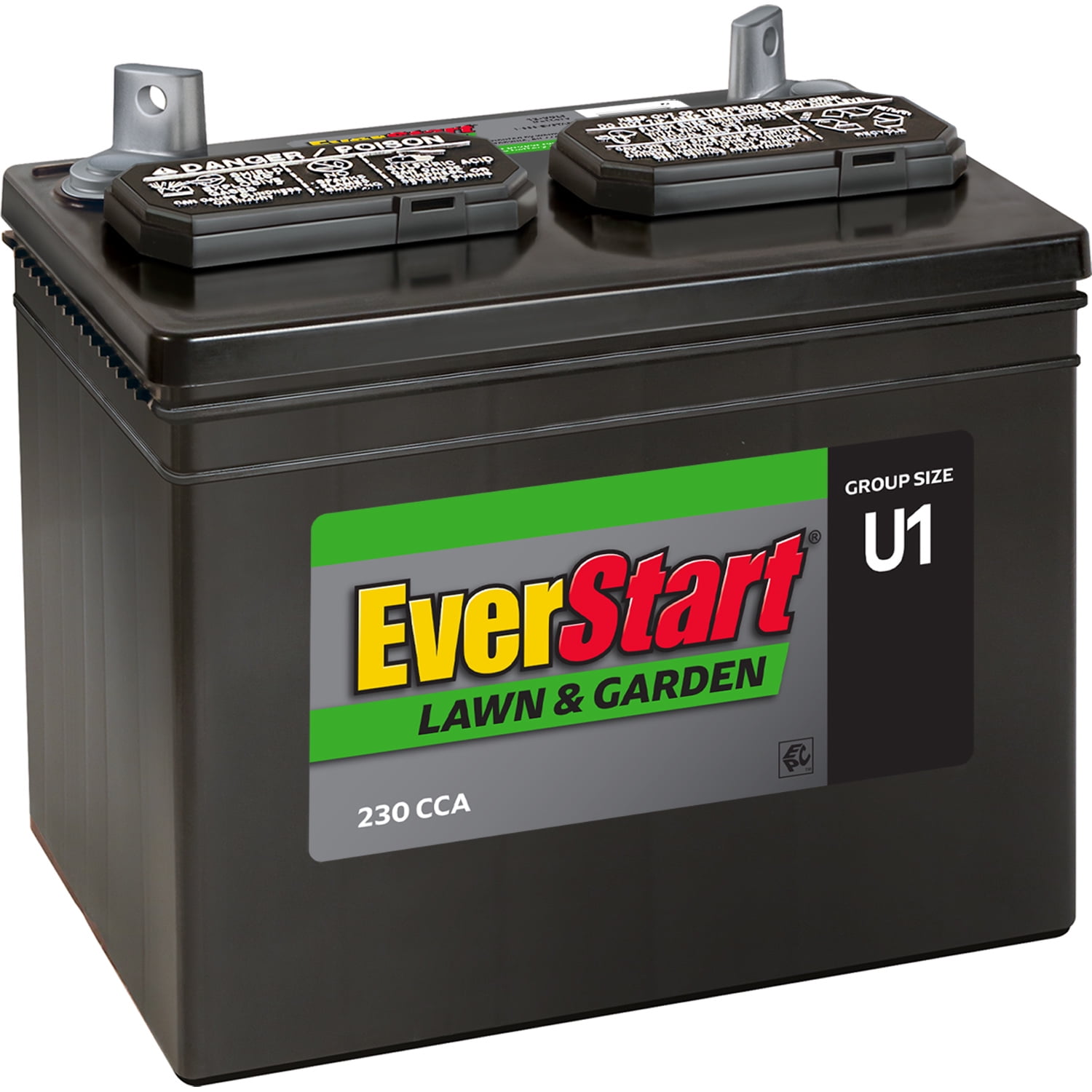
Image Source: i5.walmartimages.com
How Many Volts In A Riding Lawn Mower Battery?
The vast majority of riding lawn mowers use 12-volt batteries. While less common, some higher-powered or specialized models might utilize 36-volt or 48-volt battery systems, especially in the growing electric riding mower market.
Deciphering Riding Mower Battery Voltage
When you look at a riding lawn mower, you might wonder about its power source, specifically the battery. Knowing the voltage of your riding mower battery is crucial for maintenance, troubleshooting, and even making upgrades. This guide will delve into the common voltages found in riding lawn mower batteries, explore why different voltages exist, and discuss related battery specifications like amperage and capacity. We’ll also touch upon whether an ATV battery voltage can be used for a riding mower and what to consider for electric models.
The Standard: 12-Volt Riding Mower Batteries
For decades, the 12-volt lawn mower battery has been the workhorse for the vast majority of gasoline-powered riding mowers. This voltage is a well-established standard in the automotive industry and has been readily adapted for lawn care equipment.
Why 12 Volts?
Several factors contribute to the prevalence of 12-volt systems in riding lawn mowers:
- Availability and Cost: 12-volt batteries and related components (starters, alternators, wiring) are mass-produced and readily available, keeping costs down for manufacturers and consumers alike.
- Power Output: For the typical tasks of starting an engine, powering lights, and running accessories on a gasoline-powered riding mower, 12 volts provides sufficient power.
- Simplicity: A 12-volt system is relatively simple in its design and operation, making it easier to manufacture and maintain.
- Compatibility: Many small engines and electrical systems are designed around 12-volt power, making it a natural fit.
When you see a riding mower battery voltage specified, it’s almost always going to be 12V unless you’re looking at a newer electric model. This is true whether it’s a basic lawn tractor or a more robust garden tractor.
Beyond the Standard: Higher Voltage Systems
While 12 volts is the norm for gasoline engines, the landscape is changing, particularly with the rise of electric riding mowers.
36 Volt Riding Mower Batteries
You might encounter 36 volt riding mower battery systems in some electric models. These systems typically comprise multiple 12-volt batteries wired in series.
- How it Works: Imagine connecting three 12-volt batteries end-to-end. The positive terminal of one battery connects to the negative terminal of the next. This chain effectively adds up the voltages, resulting in 36 volts.
- Benefits of Higher Voltage:
- More Power: Higher voltage generally allows for more efficient power delivery to the motor, leading to more torque and potentially faster operation.
- Reduced Current: For the same amount of power, a higher voltage system requires less current (amps). Lower current means thinner wires can be used, reducing weight and heat generation.
- Efficiency: Electric motors can often be more efficient at higher voltages.
48 Volt Riding Mower Batteries
Even higher voltage systems are becoming more common, with 48 volt riding mower battery setups appearing in premium electric riding mowers. Similar to 36-volt systems, these are usually achieved by connecting multiple 12-volt batteries in series.
- Configurations: A 48-volt system could be made from four 12-volt batteries.
- Advantages: The benefits of 48-volt systems mirror those of 36-volt systems but are often amplified. They can offer even more power, better efficiency, and further reductions in current draw.
Electric Riding Mower Battery Size and Considerations
When discussing electric riding mower battery size, we’re talking about more than just voltage. The overall battery pack is a significant component.
- Battery Chemistry: Most electric mowers use Lithium-ion (Li-ion) batteries, which are lighter and offer higher energy density than older lead-acid technologies.
- Capacity (Amp-Hours – Ah): This is a crucial metric. It tells you how much energy the battery can store. A higher amp-hour rating means longer runtimes on a single charge.
- Power (Watts – W): This is the rate at which energy is delivered. Watts = Volts × Amps. A higher voltage battery with a sufficient amperage output will deliver more power.
ATV Battery Voltage for Riding Mower: Can You Use It?
This is a common question, especially for those looking for replacement batteries or trying to repurpose existing ones. The answer is usually no, not directly, unless the voltage and physical dimensions match exactly.
- Voltage Mismatch: If your riding mower is designed for a 12-volt battery, an ATV battery with a different voltage (even if it’s also 12V but a different type like AGM vs. flooded) might not work or could even damage the mower’s electrical system.
- Physical Size and Terminal Configuration: ATV batteries and riding mower batteries, even if they are both 12V, can differ significantly in their physical dimensions (length, width, height) and the placement and type of terminals. A battery that doesn’t physically fit or connect properly cannot be used.
- CCA (Cold Cranking Amps): This rating indicates the battery’s ability to start an engine in cold temperatures. While not directly related to voltage, if an ATV battery has a much lower CCA rating than required by your mower, it might struggle to start the engine, especially in colder weather.
- Capacity (Ah): A significant difference in capacity could mean shorter runtimes or less power for your mower.
The safest approach is always to use a battery specifically designed for your riding mower model.
Exploring Riding Mower Battery Amperage and Capacity
Beyond voltage, riding mower battery amperage and riding mower battery capacity are vital specifications.
Riding Mower Battery Amperage (A)
Amperage, or current, is the flow of electrical charge. In the context of batteries, we often refer to Cold Cranking Amps (CCA) for starting gasoline engines, and Amp-hours (Ah) for measuring capacity.
- Cold Cranking Amps (CCA): This is a critical rating for gasoline-powered riding mowers. It represents the number of amps a battery can deliver at 0°F (-18°C) for 30 seconds while maintaining a voltage of at least 7.2 volts. A higher CCA means the battery is better at starting the engine in cold weather. Most riding mower batteries will have a CCA rating between 150 and 350 amps.
- Amperage Draw (A): This refers to how much current the mower’s systems draw from the battery when operating. The starter motor will draw the most significant amperage when starting the engine.
Riding Mower Battery Capacity (Ah)
Riding mower battery capacity is measured in Amp-hours (Ah). This indicates how much current a battery can deliver over a period of time.
- What Ah Means: A battery with a 20 Ah rating can theoretically deliver 1 amp for 20 hours, or 2 amps for 10 hours, and so on.
- Impact on Performance: A higher Ah rating means the battery can power the mower’s accessories (lights, electric PTO clutch) for longer and can provide sustained power. For starting a gasoline engine, CCA is usually more critical, but a healthy Ah capacity ensures the battery can recover from the starting drain.
- Electric Mowers and Ah: For electric riding mowers, Ah is paramount, as it directly translates to how long the mower can operate on a single charge.
Battery Types: What to Expect
Riding mower batteries typically come in a few main types:
- Flooded Lead-Acid (FLA): The most common and generally least expensive. They require occasional maintenance, such as checking and topping up the electrolyte levels with distilled water. They can be sensitive to vibration and extreme temperatures.
- Sealed Lead-Acid (SLA) / Maintenance-Free: These batteries are sealed and do not require the addition of water. They are often called “dry cell” or “non-spillable.”
- Absorbent Glass Mat (AGM): A popular type of SLA battery. The electrolyte is absorbed in fiberglass mats. They are vibration-resistant, spill-proof, and can handle higher charging rates. Often used in higher-performance applications.
- Gel Cell: Another type of SLA battery where the electrolyte is suspended in a gel. They are also spill-proof and maintenance-free. Gel batteries can be more sensitive to overcharging than AGM batteries.
Lithium-ion batteries are the standard for newer, high-end electric riding mowers, offering significant advantages in weight and lifespan but at a higher initial cost.
Common Riding Mower Battery Specifications
Let’s break down typical specifications you’ll find on a riding mower battery.
| Specification | Typical Value (Gasoline Mowers) | Significance |
|---|---|---|
| Voltage | 12 Volts | The electrical “pressure” the battery provides. |
| CCA (Cold Cranking Amps) | 150 – 350 A | Ability to start the engine in cold weather. |
| Ah (Amp-Hours) | 15 – 35 Ah | Total energy storage, indicating runtime for accessories and recovery capacity. |
| Terminal Type | SAE Post, Stud Terminal | How the battery connects to the mower’s wiring. |
| Dimensions (L x W x H) | Varies by mower model | Physical size to ensure it fits in the battery tray. |
| Battery Type | Flooded Lead-Acid, AGM | Construction of the battery affecting maintenance and performance. |
Factors Affecting Battery Performance and Lifespan
Several things can impact how well your riding mower battery voltage holds up and how long it lasts.
- Temperature: Extreme heat or cold can shorten battery life. Heat accelerates chemical reactions, leading to faster degradation. Cold temperatures reduce the battery’s capacity and CCA rating.
- Charging Habits: Overcharging or undercharging can damage the battery. A smart charger designed for the battery type is recommended.
- Discharge Depth: Deeply discharging a lead-acid battery regularly will shorten its lifespan. It’s best to avoid running accessories until the battery is nearly dead.
- Vibration: Excessive vibration can damage the internal plates of a lead-acid battery. Ensure the battery is securely fastened in its tray.
- Maintenance (for flooded types): Not checking and topping up electrolyte levels can lead to plate damage and reduced performance.
- Corrosion: Corrosion on the battery terminals can impede the flow of electricity, leading to starting problems and charging issues. Regular cleaning is advised.
Battery Replacement: What to Look For
When it’s time to replace your riding mower battery, follow these steps to ensure you get the right one:
- Consult Your Owner’s Manual: This is the most reliable source for the exact specifications your mower requires, including voltage, CCA, Ah, and physical dimensions.
- Check the Old Battery: Often, the specifications are printed directly on the old battery. Note the voltage, size, and any CCA or Ah ratings.
- Match Specifications: When purchasing a new battery, aim to match or exceed the original specifications, especially for voltage and CCA.
- Consider Battery Type: If your mower came with an AGM battery, replacing it with another AGM or a high-quality flooded lead-acid is usually fine. However, if you have a maintenance-free SLA battery, it’s best to stick with that type or upgrade to AGM.
- Physical Fit: Measure your old battery and compare it to the dimensions of the new one to ensure it will fit in the battery tray and that the terminals will align with your mower’s cables.
The Future of Riding Mower Batteries
The trend towards electrification is undeniable. As battery technology advances, we can expect to see more powerful, longer-lasting, and potentially even higher voltage battery systems in riding lawn mowers. The focus will continue to be on energy density, charge cycles, and overall efficiency.
Frequently Asked Questions (FAQ)
Q1: Can I use a car battery in my riding mower?
A1: While both might be 12-volt, car batteries are designed for different applications. They typically have higher CCA ratings but lower Ah capacities and may have different terminal configurations. Using a car battery might work in a pinch, but it’s not ideal and could lead to premature failure or performance issues due to differences in construction and discharge characteristics. It’s best to use a battery specifically designed for lawn and garden equipment.
Q2: How long should a riding mower battery last?
A2: The lifespan of a riding mower battery varies greatly depending on usage, maintenance, battery type, and environmental conditions. Typically, a well-maintained lead-acid battery can last anywhere from 3 to 5 years. Lithium-ion batteries in electric mowers can last significantly longer, often 5 to 10 years or more, with many charge cycles.
Q3: What does it mean if my riding mower battery is always dead?
A3: Several things could cause a consistently dead battery. It might be an old, worn-out battery that can no longer hold a charge. Alternatively, there could be an issue with the mower’s charging system (alternator or voltage regulator), a parasitic drain (something drawing power when the mower is off), or the battery terminals are corroded, preventing a proper charge.
Q4: Is it okay to leave a riding mower battery connected to a trickle charger all the time?
A4: For most lead-acid batteries, a quality trickle charger or a smart charger with a “maintain” mode is generally safe for long-term connection. These chargers are designed to prevent overcharging. However, always consult your battery’s manual or the charger’s instructions. Some older or lower-quality chargers might still overcharge.
Q5: What is the difference between a 12V and a 24V battery for a riding mower?
A5: A 24-volt system, while not common in gasoline mowers, would provide twice the electrical “pressure” of a 12-volt system. This allows for more efficient power delivery, especially for electric motors, often requiring less current for the same power output. However, a 24V battery cannot be directly used in a mower designed for 12V, as it would likely cause immediate damage to the electrical components. Electric mowers often use multiple 12V batteries in series to achieve higher voltages like 36V or 48V.