
Getting rid of moths in your lawn effectively involves a multi-pronged approach, focusing on identifying the specific moth species, understanding their life cycle, and implementing targeted treatments for both adult moths and their destructive larvae.
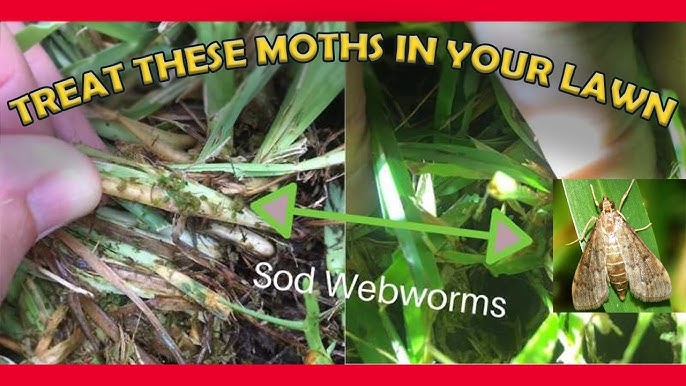
Image Source: i.ytimg.com
Reclaiming Your Lawn: A Comprehensive Guide to Moth Eradication
A lush, green lawn is the pride of any homeowner, but the unwelcome appearance of moths and their voracious offspring can quickly turn that pride into frustration. A moth infestation lawn can cause significant damage, turning vibrant turf into a patchy, brown eyesore. But how do you effectively tackle these fluttering pests and their destructive larvae? This in-depth guide will walk you through the process of lawn moth control, from identification to eradication, ensuring your lawn can once again thrive.
Identifying the Culprits: What Kind of Moths Are We Dealing With?
Before you can effectively banish moths from your lawn, it’s crucial to identify the specific type of moth or its larval stage causing the damage. This is because different species have different feeding habits and life cycles, which dictate the best approach for lawn caterpillar treatment.
Several common types of moths can impact lawns:
- Sod Webworms: These are the larvae of lawn moths. The adult moths are typically small, pale brown or tan, and when disturbed, they dart erratically low to the ground. The larvae are the real problem, tunneling just below the soil surface and feeding on grass blades. They create silken tunnels or “webs” covered in grass clippings and soil.
- Armyworms: Named for their tendency to march in large numbers, armyworms are the larvae of certain moth species. They are usually green to brown and can defoliate large areas of lawn quickly. Adult armyworm moths are often brownish or grayish.
- Cutworms: These plump, often dark-colored caterpillars are notorious for “cutting” young plants at the soil line. In lawns, they feed on grass blades, often at night, and hide in the soil during the day. The adult moths are typically stout and drab in color.
Key Identification Tips:
- Observe Adult Moths: Note their size, color, and flight patterns.
- Inspect the Lawn Surface: Look for wilting or browning patches, thinning grass, or irregular brown areas.
- Check for Larval Activity: Gently pull back sections of turf. Look for caterpillars or grubs in the soil or just beneath the surface.
- Examine for Webbing: Sod webworm larvae create distinctive silken tunnels.
Fathoming the Moth Life Cycle: A Key to Effective Control
Comprehending the life cycle of lawn moths is fundamental to successful lawn pest management. Most lawn moths have several life stages: egg, larva (caterpillar), pupa, and adult. The larval stage is typically the most destructive to your lawn.
- Eggs: Adult female moths lay eggs, often on or near grass blades. The hatching time varies by species and temperature.
- Larvae (Caterpillars): This is the feeding stage. Larvae hatch from eggs and consume grass blades, roots, and crowns, causing the visible damage to your lawn. This stage can last from a few weeks to several months.
- Pupae: Once fully grown, the larvae enter the pupal stage, usually burrowing into the soil. This is a resting stage where the transformation into an adult moth occurs.
- Adult Moths: Adult moths emerge from pupae. Their primary purpose is reproduction. They lay eggs, starting the cycle anew. Adult moths are generally less damaging to lawns than their larval counterparts.
Timing is Everything: The most effective lawn grub removal and lawn caterpillar treatment occur when the larvae are young and actively feeding. Targeting adults can help reduce future egg-laying, but tackling the larvae directly addresses the immediate damage.
Strategies for Lawn Moth Eradication: From Natural to Chemical
When faced with a moth infestation lawn, a variety of methods can be employed. The best approach often combines several strategies to achieve long-term lawn insect pest control.
Natural Moth Control Lawn Approaches
For those who prefer an eco-friendly solution, natural moth control lawn methods can be highly effective, especially for preventing and managing minor infestations.
- Beneficial Nematodes: These microscopic worms are natural predators of many soil-dwelling insect larvae, including moth caterpillars. When applied to the soil, they seek out and infect the larvae, killing them. They are safe for beneficial insects, pets, and humans.
- Application: Mix with water according to product instructions and apply to a moist lawn, preferably during cooler parts of the day.
- Best Used: When larvae are present and the soil is moist.
- Bacillus thuringiensis (Bt): This is a naturally occurring bacterium that produces toxins harmful to certain insect larvae, including some types of caterpillars. Bt is specific and does not harm beneficial insects, pets, or humans.
- Application: Sprayed directly onto the affected lawn areas. It must be ingested by the larvae to be effective.
- Best Used: When young larvae are actively feeding. Reapplication may be necessary.
- Encouraging Natural Predators: Birds, predatory insects (like lacewings and ladybugs), and even certain types of toads are natural enemies of moths and caterpillars. Creating a lawn environment that attracts these beneficial creatures can help keep moth populations in check.
- Methods: Plant diverse flowering plants, provide a water source, and avoid broad-spectrum pesticides that kill beneficial insects.
- Proper Lawn Care: A healthy lawn is more resilient to pest damage.
- Mow at the Correct Height: Taller grass shades the soil, making it less hospitable for some moth egg-laying and larval activity.
- Water Deeply and Infrequently: This encourages deep root growth, making the grass stronger.
- Fertilize Appropriately: A well-fed lawn can better withstand minor pest pressures.
Chemical Control for Severe Infestations
For more severe infestations, chemical treatments may be necessary to achieve effective lawn moth control. It’s crucial to choose the right product and apply it according to label instructions to minimize risks to non-target organisms and the environment.
- Insecticides Targeting Larvae: These products are designed to kill the caterpillars or grubs feeding on your lawn.
- Types: You’ll find products containing active ingredients like permethrin, bifenthrin, or imidacloprid. Some are liquid concentrates, while others are granular.
- Application: Follow the product label precisely for dilution rates (if applicable) and application methods. Granular products are often spread with a spreader, while liquids are applied with a hose-end sprayer or a tank sprayer.
- Timing: Apply when you first notice signs of damage or when moth eggs are expected to hatch. Treat in the early morning or late evening when moths are less active and temperatures are cooler.
- Insecticides Targeting Adult Moths: While less common for widespread lawn treatment, some sprays can kill adult moths on contact. This can help reduce the number of eggs laid.
Important Considerations for Chemical Treatments:
- Read the Label: Always read and follow all instructions and safety precautions on the product label.
- Target Application: Apply only to the affected areas to minimize impact on the broader ecosystem.
- Weather Conditions: Avoid applying pesticides before rain, as it can wash the product away. Also, avoid applying during high winds to prevent drift.
- Personal Protective Equipment (PPE): Wear gloves, long sleeves, and pants when handling and applying pesticides.
- Beneficial Insect Impact: Be aware that some chemical insecticides can harm beneficial insects. Consider using products with a more targeted action or applying them at times when beneficial insects are less active (e.g., late evening).
Step-by-Step Guide to Treating Moths in Grass
Here’s a practical, step-by-step approach to tackling moth problems in your lawn:
Step 1: Diagnose the Problem
- Observe your lawn: Look for brown patches, thinning grass, or areas that appear generally unhealthy.
- Perform a “soap drench” test: Mix a gallon of water with 1-2 tablespoons of dish soap. Pour this mixture over a 1-square-foot section of the suspected area. Within a few minutes, if caterpillars or grubs are present, they will likely surface. This is a crucial step in lawn grub removal.
Step 2: Identify the Pest
- Based on the soap drench test or visual inspection, try to identify the type of caterpillar or grub. Note its color, size, and any distinctive markings. This helps in selecting the most effective lawn caterpillar treatment.
Step 3: Choose Your Treatment Method
- For minor infestations or a preference for natural control: Opt for beneficial nematodes or Bacillus thuringiensis (Bt).
- For severe infestations: Consider a targeted insecticide specifically labeled for lawn caterpillars or grubs. Research products and active ingredients to ensure they are appropriate for the identified pest and safe for your lawn type. This is part of effective lawn insect pest control.
Step 4: Apply Treatment
- Natural Methods: Follow product instructions for nematodes or Bt. Typically, this involves mixing with water and applying to a moist lawn.
- Chemical Methods:
- Timing: Apply in the early morning or late evening.
- Application: Use a spreader for granular products or a sprayer for liquids. Ensure even coverage of the affected areas.
- Watering: Some insecticides require watering in after application to activate them. Check the product label.
Step 5: Monitor and Reapply if Necessary
- After applying treatment, monitor your lawn for a week or two to see if the problem is resolved.
- If you still see signs of activity, you may need to reapply the treatment, especially for natural methods or if the infestation was particularly heavy. Always adhere to the reapplication intervals specified on the product label.
Step 6: Prevent Future Infestations
- Maintain a healthy lawn through proper mowing, watering, and fertilization.
- Consider overseeding bare or thin patches to prevent moths from finding easy egg-laying sites.
- Encourage natural predators by planting diverse flora around your lawn’s perimeter.
Specialized Treatments for Lawn Moth Larvae
The core of how to kill lawn moths effectively lies in targeting their larval stage, the lawn moth larvae. These are the creatures that consume your grass.
Targeting Sod Webworm Larvae
Sod webworms are common culprits. Their larvae live in silk-lined tunnels just below the soil surface.
- Signs of Infestation: Small, brown patches that enlarge over time. You might see chewed-off grass blades at the soil line, and the tunnels might be visible if you disturb the affected area.
- Treatment:
- Natural: Beneficial nematodes (e.g., Steinernema feltiae) are very effective. Apply them when soil temperatures are between 55-85°F.
- Chemical: Insecticides containing pyrethroids (like bifenthrin or permethrin) or carbaryl can kill sod webworm larvae. Apply the product as directed, ensuring it penetrates the soil to reach the larvae in their tunnels. Water the lawn after application unless the product label states otherwise.
Addressing Armyworm and Cutworm Damage
Armyworms and cutworms can cause rapid and extensive damage.
- Signs of Infestation: Large, irregular brown patches. Armyworms often feed in groups and can strip grass blades down to the green Pith. Cutworms can sever young grass shoots.
- Treatment:
- Natural: Bt is effective against young armyworms. Beneficial nematodes can also help.
- Chemical: Products containing active ingredients like trichlorfon or permethrin are often used. Granular insecticides are particularly good at reaching cutworms that hide in the soil. Apply in the evening when these pests are most active.
FAQ: Your Burning Questions Answered
Q1: How do I know if I have moths in my lawn?
You’ll typically see patchy brown areas, thinning grass, or dead spots in your lawn. A more definitive sign is the presence of caterpillars in the soil or just beneath the surface when you pull back turf. The soap drench test is a reliable way to confirm their presence.
Q2: Can I get rid of lawn moths naturally?
Yes, natural methods like beneficial nematodes and Bacillus thuringiensis (Bt) can be very effective, especially for smaller infestations or as a preventative measure. Encouraging natural predators also plays a role in natural moth control lawn.
Q3: When is the best time to treat for lawn moths?
The best time is when the lawn moth larvae are young and actively feeding. This is usually in the spring or fall, depending on your climate and the specific moth species. Early detection is key to successful lawn caterpillar treatment.
Q4: How do I apply insecticide to my lawn safely?
Always read and follow the product label carefully. Wear appropriate personal protective equipment (PPE) like gloves and long sleeves. Apply on a calm day to prevent drift, and avoid applying before heavy rain. Water the lawn after application if the label instructs you to do so.
Q5: What is the difference between sod webworms and armyworms?
Sod webworms are the larvae of small, pale lawn moths that dart close to the ground. They create silken tunnels and feed on grass blades. Armyworms are the larvae of larger moths and tend to feed in large groups, sometimes marching across lawns to find new food sources, causing rapid defoliation. Both are targets for lawn grub removal.
Q6: My lawn has brown patches. Is it definitely moths?
Brown patches can be caused by many things, including drought, disease, grubs (which are also the larval stage of other insects, like Japanese beetles), or fungal issues. A soap drench test is the best way to confirm if caterpillars are the cause of your lawn’s problems.
Q7: How long does it take to get rid of moths in the lawn?
This depends on the severity of the infestation and the method used. Natural treatments may take a few weeks and require reapplication. Chemical treatments can show results within days, but it’s important to monitor and reapply if necessary, following label instructions. Effective lawn pest management often involves persistence.
By following these detailed steps and comprehending the nuances of lawn insect pest control, you can effectively combat moths and their larvae, restoring your lawn to its healthy, vibrant state. Remember, a proactive approach to lawn moth control and consistent maintenance are your best allies in keeping your turf beautiful and pest-free.