
So, you’re wondering, “How often should I change my lawn mower blade?” Generally, you should aim to replace your lawn mower blade annually or when you notice significant signs of wear and tear, such as visible damage or a consistent decrease in cutting performance. This guide will delve into everything you need to know about lawn mower blade maintenance, helping you keep your mower in top condition and your lawn looking its best.
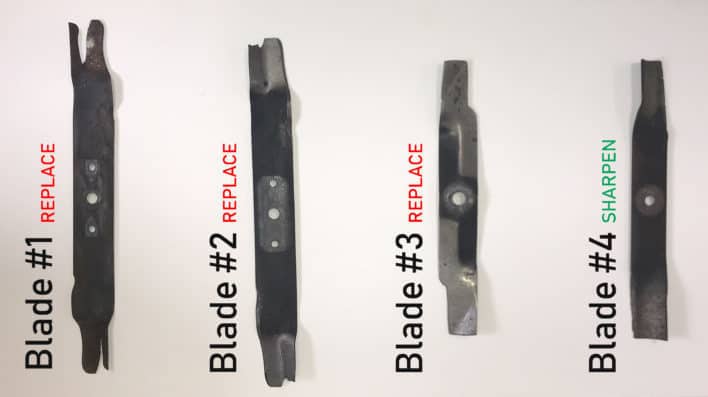
Image Source: minnesotaequipment.com
Why Sharp Blades Matter for Your Lawn
A sharp lawn mower blade is more than just a cutting tool; it’s the key to a healthy and attractive lawn. Using dull mower blades can cause a host of problems for your grass, from ragged cuts that invite disease to an uneven appearance. Investing time in lawn mower blade maintenance is crucial for both the longevity of your equipment and the vitality of your turf.
The Benefits of Sharp Mower Blades
Switching to or maintaining sharp blades offers several significant advantages:
- Cleaner Cuts: Sharp blades slice through grass cleanly, promoting faster healing and reducing the risk of disease. Dull blades tear the grass, leaving ragged edges that are more susceptible to infections and browning.
- Healthier Lawn: Clean cuts lead to healthier grass. Your lawn will look greener and lusher because the grass blades are not stressed or damaged.
- Improved Efficiency: A sharp blade requires less power to cut grass. This means your mower will run more efficiently, using less fuel and putting less strain on the engine.
- Reduced Stress on Grass: When grass is cut cleanly, it experiences less stress. This allows it to absorb water and nutrients more effectively, contributing to overall turf health.
- Neater Appearance: A lawn mowed with sharp blades will have a uniform, manicured look. Dull blades can leave your lawn looking patchy and uneven.
When to Replace Lawn Mower Blades: Deciphering the Signs
Knowing when to replace your lawn mower blade isn’t always straightforward, but paying attention to certain indicators can save you a lot of trouble. While frequency of blade replacement can vary based on usage and lawn conditions, these signs are universal indicators that a change is due.
Signs of Dull Mower Blades
Your lawn can often tell you if your mower blade needs attention. Watch out for these common symptoms:
- Ragged or Torn Grass: This is the most obvious sign. If the tips of your grass blades look frayed, torn, or brown after mowing, your blades are likely dull. A healthy cut leaves a clean, sharp edge.
- Yellowing or Browning Lawn: Dull blades can stress the grass, causing the tips to turn yellow or brown. This discoloration, especially if it appears soon after mowing, points to dull blades.
- Uneven Cutting: If you notice streaks or an uneven appearance in your lawn after mowing, it could be because your blade isn’t cutting consistently.
- Mower Struggling or Bogging Down: If your mower seems to be working harder than usual, especially in thicker grass, and the engine sounds like it’s struggling, your dull blades are probably the culprit. They require more force to cut.
- Visible Damage to the Blade: Inspecting the blade itself can reveal if it’s time for a change. Look for nicks, chips, bends, or excessive wear along the cutting edge.
Factors Influencing Lawn Mower Blade Lifespan
The lawn mower blade lifespan isn’t fixed; it depends on several factors:
- Usage Frequency: The more you mow, the faster your blade will dull.
- Grass Type: Different grass types can be tougher to cut. For instance, St. Augustine grass can be quite dense.
- Terrain: Mowing over sandy soil or rocky areas can cause premature wear and damage to the blade.
- Mowing Conditions: Mowing wet grass or hitting hidden obstacles like rocks or branches can chip or bend the blade, shortening its effective lifespan.
- Blade Quality: Higher quality blades are often made from harder steel and may retain their sharpness longer.
Sharpening Lawn Mower Blades vs. Replacing Them
This is a key question in lawn mower blade maintenance: should you sharpen or replace? Both have their place, but understanding when to do each is important.
Sharpening Lawn Mower Blades
Sharpening lawn mower blades is a viable option for extending their life and maintaining cutting performance. It’s generally more cost-effective than frequent replacements.
-
When to Sharpen:
- When you notice the initial signs of dullness (ragged cuts, yellowing grass).
- After hitting an obstacle that might have dulled or nicked the blade.
- As part of regular seasonal maintenance.
-
How to Sharpen:
- Safety First: Always disconnect the spark plug wire before working on the mower to prevent accidental startups.
- Remove the Blade: Tilt the mower on its side (carburetor side up to prevent oil or gas leakage) and use a wrench to remove the blade.
- Use a File or Grinder: A metal file or an angle grinder with a grinding disc can be used. Angle the file or grinder to match the original bevel of the blade. Aim to remove metal from the underside of the blade.
- Maintain Balance: This is crucial! A balanced blade spins smoothly, while an unbalanced one can cause vibration and damage to the mower. Use a blade balancer (available at most hardware stores) to check the balance. Grind a small amount of metal from the heavier side until the blade balances evenly.
- Reinstall the Blade: Securely reattach the blade with the correct side facing up.
Replacing Lawn Mower Blades
Replacing lawn mower blades becomes necessary when sharpening is no longer effective or when the blade is physically damaged.
-
When to Replace:
- When the blade is significantly bent, cracked, or has large chips. These imperfections cannot be corrected by sharpening and can damage your mower.
- When the cutting edge has been worn down so much that sharpening would remove too much material or compromise the blade’s integrity.
- If the blade is consistently unable to achieve a clean cut even after sharpening.
- As a proactive measure annually, especially if you mow a large area or have challenging terrain.
-
How to Replace:
- Safety First: Again, disconnect the spark plug wire.
- Remove the Old Blade: Follow the same procedure as for sharpening.
- Purchase the Correct Replacement: Ensure you buy a blade designed for your specific mower model. Check your owner’s manual or the manufacturer’s website for the correct part number.
- Install the New Blade: Attach the new blade with the correct side facing up (usually indicated by markings on the blade or by the way the mower deck is designed). Ensure it’s tightened securely.
Determining the Best Time to Change Mower Blades
The best time to change mower blades often aligns with proactive maintenance schedules rather than waiting for a problem to arise.
Seasonal Maintenance
- Spring: Before you begin your mowing season, inspect your blade. If it looks worn or you suspect it dulled from last year, it’s a great time to sharpen or replace it. Starting the season with a sharp blade ensures optimal performance from the get-go.
- Fall: After your last mow of the season, it’s ideal to clean your mower and inspect the blade. If it’s showing signs of wear, replace it now so you’re ready for the next season. This also prevents a dulled blade from sitting and potentially rusting.
During the Mowing Season
- After Hitting Obstacles: If you accidentally hit a rock, root, or other hard object, stop mowing immediately. Inspect your blade. If there’s any visible damage, it’s best to sharpen or replace it before continuing. Continuing to mow with a damaged blade can cause further damage to your mower.
- As Needed Based on Performance: Pay attention to your lawn. If you notice the signs of dull blades discussed earlier, don’t wait for your scheduled maintenance; address it promptly.
How Often To Change Lawn Mower Blade: A Practical Approach
While there’s no single, universally correct answer to “How often to change lawn mower blade,” a good rule of thumb for average homeowners is:
- Sharpen: At least once a year, or every 25-30 hours of mowing.
- Replace: Every 1-3 years, or when sharpening is no longer effective, or if the blade is damaged.
However, this is a generalization. Here’s a more detailed breakdown:
Factors for Replacement Frequency
- Small Lawns (Less than 1/4 acre): You might get away with sharpening once a year and replacing every 2-3 years.
- Medium Lawns (1/4 to 1/2 acre): Consider sharpening twice a year (spring and mid-season) and replacing every 1-2 years.
- Large Lawns (Over 1/2 acre): Sharpening 2-3 times a year might be beneficial, and replacing annually or bi-annually is often recommended.
- Rough Terrain/Obstacles: If you frequently mow areas with potential for debris or uneven ground, inspect and potentially sharpen or replace your blade more often, perhaps every 50 hours of use or when you notice performance degradation.
Lawn Mower Blade Maintenance Schedule Example
Here’s a sample schedule you can adapt:
| Task | Frequency | Notes |
|---|---|---|
| Visual Inspection | Before each mowing session | Look for obvious damage, debris. |
| Performance Check | After each mowing session | Notice how the grass is cut, mower effort. |
| Cleaning | After each mowing session | Remove grass clippings and debris from the blade and deck. |
| Sharpening | Annually (Spring), or every 25-30 hours | Or when signs of dullness appear. |
| Balancer Check | After sharpening | Crucial for smooth operation. |
| Replacement | Every 1-3 years, or as needed | When damaged or no longer sharpens well. |
| Deep Cleaning/Check | End of mowing season (Fall) | Inspect for wear, clean thoroughly. |
Replacing Lawn Mower Blades: A Step-by-Step Approach
Let’s break down the process of replacing lawn mower blades to ensure you do it correctly and safely.
Step 1: Safety First!
- Disconnect Power: For electric mowers, unplug them. For gas mowers, disconnect the spark plug wire. This is the single most important safety step.
- Wear Gloves: Work gloves will protect your hands from sharp edges and grime.
Step 2: Accessing the Blade
- Tip the Mower: Gently tip the mower on its side. Position it so the air filter and carburetor are facing upwards. This prevents fuel and oil from leaking into the wrong places. If you have a riding mower, you may need to use blocks or ramps to safely tilt it.
- Locate the Blade: The blade is attached to the spindle underneath the mower deck.
Step 3: Removing the Old Blade
- Stabilize the Blade: You’ll need to prevent the blade from spinning while you loosen the bolt. Wedge a block of wood between the blade and the mower deck to hold it steady.
- Loosen the Bolt: Use the correct size socket wrench or wrench to turn the bolt counter-clockwise. These bolts can be very tight due to vibration and rust. You might need a breaker bar for extra leverage.
- Remove the Blade: Once the bolt is out, carefully remove the blade. Note how it was positioned – there’s an upward-facing side for cutting.
Step 4: Installing the New Blade
- Identify the Correct Blade: Make sure your new blade is the right one for your mower model. Blades are not universal.
- Position the New Blade: Place the new blade onto the spindle. Ensure the “high side” or the side that faces upwards towards the grass is oriented correctly. This is critical for proper cutting. Some blades have “grass side” or “cut side” markings.
- Tighten the Bolt: Reinstall the bolt and tighten it clockwise. Use your torque wrench if you have one, or tighten it as much as you can with your wrench, ensuring it’s snug and secure. Do not overtighten, as this could strip the threads. If you used a block of wood to hold the blade, you may need to remove it to tighten the bolt fully.
Step 5: Final Checks
- Double-Check: Ensure the blade is securely fastened.
- Right the Mower: Carefully return the mower to its upright position.
- Reconnect Spark Plug: Reconnect the spark plug wire.
Frequently Asked Questions (FAQ)
Q1: Can I use a blade sharpener instead of a file or grinder?
A1: Yes, there are various blade sharpeners available, including electric sharpeners and disc-type sharpeners designed for mower blades. Ensure the sharpener is suitable for mower blades and follow its instructions carefully.
Q2: How do I know which side of the blade is up?
A2: Most blades have markings indicating which side should face upwards towards the grass. If there are no markings, the curved side of the blade is typically the cutting edge, and it should face downwards when installed. Your owner’s manual will also specify the correct orientation.
Q3: What happens if I don’t replace or sharpen my mower blade?
A3: You’ll experience poor cut quality, leading to a damaged and unhealthy lawn. Your mower will also work harder, consuming more fuel and potentially leading to premature wear on the engine and other components.
Q4: How often should I check my mower blade for sharpness?
A4: It’s a good practice to visually inspect your blade for nicks or damage before each mowing session and to gauge its sharpness based on the cut quality after mowing. A performance check after each mow is beneficial.
Q5: Is it okay to mow with a slightly nicked blade?
A5: While a very minor nick might not immediately ruin your lawn, it’s best to address it. Even small nicks can worsen over time, affecting the cut quality and potentially leading to more significant damage to the blade or mower. If it’s more than a superficial scratch, it’s time for sharpening or replacement.
Q6: How long does a sharpened blade last?
A6: The lifespan of a sharpened blade depends on how much material was removed during sharpening and how much you mow. It could last anywhere from 10 to 50 hours of mowing before needing another sharpening.
Q7: Can I sharpen my riding mower blade myself?
A7: Yes, the process is similar to a walk-behind mower, but accessing the blades on a riding mower can be more complex depending on the deck design. Always consult your owner’s manual for specific instructions.
By following these guidelines and paying attention to your lawn and mower, you can ensure your lawn mower blade is always in optimal condition, contributing to a beautiful and healthy lawn year after year. Remember, proactive lawn mower blade maintenance is the key to efficiency and longevity for both your equipment and your turf.