
When should you water your lawn after fertilizing? Generally, you should water your lawn immediately after fertilizing to help the fertilizer dissolve and soak into the soil, especially if the fertilizer is granular. For liquid fertilizers, follow the product’s specific instructions, but often watering is recommended shortly after application.
Feeding your lawn with fertilizer is a crucial step in maintaining a healthy, vibrant turf. However, the effectiveness of that fertilizer, and indeed the health of your grass, hinges significantly on proper post-fertilization watering. Many homeowners ask, “How often to water after fertilizing lawn?” The answer isn’t a simple one-size-fits-all number. It depends on various factors, including the type of fertilizer used, the weather conditions, and the type of grass you have. This guide will delve into the intricacies of watering frequency post-fertilization, ensuring your lawn receives the optimal moisture for nutrient uptake and growth.
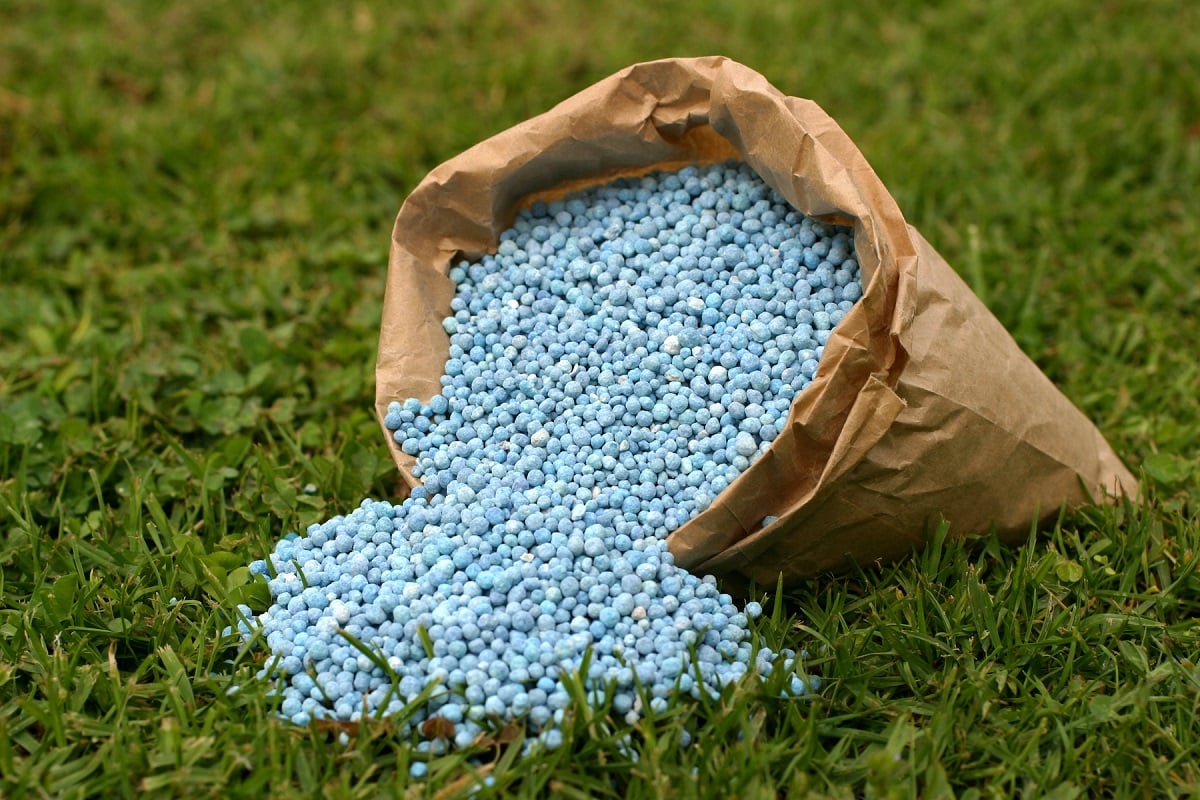
Image Source: f.hubspotusercontent00.net
Deciphering the Post-Fertilizer Watering Strategy
After applying fertilizer, your lawn essentially needs a gentle nudge to absorb the nutrients. Watering plays that critical role. It’s not just about quenching thirst; it’s about activating the fertilizer and moving it down to the root zone where it can be most beneficial. Getting this step wrong can lead to fertilizer burn, wasted nutrients, or ineffective feeding. Let’s explore the best practices.
When to Water After Applying Fertilizer
The timing of your watering after fertilizing is paramount. For granular fertilizers, the consensus among lawn care professionals is to water immediately after application. This helps wash the fertilizer granules off the grass blades, preventing potential burn. It also allows the granules to begin dissolving and penetrating the soil.
If you’ve applied a liquid fertilizer, the watering schedule might differ slightly. Always refer to the product label for specific instructions. Some liquid fertilizers are designed to be absorbed quickly and may not require immediate watering, while others benefit from a light watering to help them settle into the soil.
A common mistake is waiting too long to water. If fertilizer sits on the grass blades and the soil surface for an extended period, especially under hot sun, it can scorch the grass. Conversely, overwatering immediately can wash away some of the applied nutrients before they have a chance to be absorbed.
The Importance of Immediate Watering for Granular Fertilizers
Granular fertilizers are essentially small pellets of concentrated nutrients. When these pellets land on grass blades, they can act like tiny magnifying glasses, focusing sunlight and heat. If left on the blades without being washed off, this can lead to what is commonly known as fertilizer burn – unsightly brown or yellow patches on your lawn.
Watering immediately after applying granular fertilizer serves several vital functions:
- Washing off Grass Blades: The water gently rinses the fertilizer granules from the leaf surface and directs them down to the soil.
- Initiating Dissolution: The moisture begins the process of dissolving the fertilizer, making the nutrients available for uptake by the grass roots.
- Preventing Leaching: While you want the nutrients to reach the soil, immediate, excessive watering can lead to leaching, where nutrients are washed too deep into the soil, below the root zone, making them inaccessible to the grass. A moderate watering is key.
Liquid Fertilizer Considerations
Liquid fertilizers are applied as a spray and are generally absorbed through both the leaves and the roots. The watering frequency post-fertilization for liquid applications is often dictated by the product’s formulation.
- Foliar Absorption: If the fertilizer is designed for foliar absorption (uptake through the leaves), you might want to allow it some time to be absorbed before watering. This allows the nutrients to enter the plant’s system more effectively.
- Root Uptake: If the primary goal is root absorption, then watering shortly after application, similar to granular fertilizers, will help move the nutrients into the soil and towards the roots.
Always read and follow the instructions on the fertilizer packaging for the most accurate guidance.
Optimal Watering After Lawn Fertilizer: How Much Water is Enough?
Knowing when to water is only half the battle; knowing how much water to apply is equally critical. The goal is to moisten the soil sufficiently to activate the fertilizer without causing runoff or oversaturation.
Determining the Right Amount of Water
A good rule of thumb for watering after fertilizing is to provide about half an inch to one inch of water. This amount is typically sufficient to dissolve granular fertilizer and move it into the soil, but not so much that it washes away valuable nutrients.
- Using a Rain Gauge: The most accurate way to measure how much water your sprinkler system is applying is by using rain gauges placed strategically around your lawn. Run your sprinklers and time how long it takes to collect half an inch of water. This will tell you the ideal duration for your watering sessions.
- Visual Cues: If you don’t have rain gauges, observe the soil. The soil should be moist but not waterlogged. You should see the water penetrating the soil surface, not pooling or running off.
Watering Frequency Post-Fertilization: Beyond the Initial Soak
While immediate watering is crucial, the subsequent watering schedule depends on your lawn’s needs and the prevailing weather conditions.
- Short-Term Needs: For the first few days after fertilizing, you might need to water more frequently than usual, especially if the weather is hot and dry. This helps keep the soil consistently moist, supporting the absorption process.
- Long-Term Lawn Watering Schedule After Fertilizing: Once the initial fertilizer absorption period is over (typically 24-48 hours), revert to your regular lawn watering schedule. The key is to maintain consistent moisture levels for healthy root development and nutrient uptake.
It’s essential to monitor your lawn for signs of stress, such as wilting or browning, which can indicate a need for more water, regardless of the fertilization schedule.
Best Time to Water Lawn After Fertilizing: Maximizing Absorption and Minimizing Loss
The time of day you water your lawn after fertilizing can also impact its effectiveness and the overall health of your turf.
Morning Watering: The Ideal Choice
The best time to water lawn after fertilizing is typically in the early morning, between 4 AM and 10 AM. Here’s why:
- Reduced Evaporation: Cooler temperatures and less wind in the morning mean less water is lost to evaporation, allowing more water to reach the soil and roots.
- Minimizing Disease Risk: Watering in the morning allows grass blades to dry off during the day, reducing the risk of fungal diseases that thrive in prolonged damp conditions.
- Efficient Nutrient Uptake: Plants are actively taking up water and nutrients in the morning as they begin their daily photosynthetic processes.
Avoiding Midday and Evening Watering
- Midday: Watering in the middle of the day, especially during hot weather, leads to significant water loss through evaporation. This is inefficient and can sometimes stress the grass as water rapidly heats up.
- Evening: While it might seem like a good time to water as temperatures cool, watering late in the evening can leave grass blades wet overnight. This prolonged moisture creates an ideal environment for fungal diseases to develop, which can damage your lawn.
Watering Tips for Fertilized Lawn: Essential Practices
To ensure your fertilized lawn thrives, follow these crucial watering tips:
- Check the Weather Forecast: If rain is expected within 24-48 hours of fertilizing, you might be able to skip or reduce your watering. However, ensure the rain is sufficient to moisten the soil deeply.
- Adjust for Temperature and Humidity: During hot, dry, or windy periods, you’ll need to water more frequently and perhaps for slightly longer durations to compensate for increased evaporation.
- Deep and Infrequent Watering: Once the initial post-fertilization watering is done and your regular schedule resumes, aim for deep watering sessions that encourage roots to grow deeper into the soil. This makes your lawn more drought-tolerant.
- Observe Your Lawn: Learn to read your lawn’s signals. Grass that is wilting, losing its vibrant green color, or showing footprints that don’t spring back quickly likely needs water.
- Aeration: If your soil is heavily compacted, water may not penetrate effectively. Aerating your lawn before fertilizing can improve water and nutrient absorption.
- Fertilizer Type Matters: Always consider the specific type of fertilizer. Some slow-release formulations require less immediate watering than fast-acting ones.
Lawn Care Watering After Feeding: A Harmonious Balance
The goal of lawn care watering after feeding is to create a harmonious balance between providing enough moisture for nutrient absorption and avoiding overwatering, which can lead to shallow roots, disease, and nutrient leaching.
Think of it like this: you’ve given your lawn a meal (fertilizer), and now you need to ensure it can digest and utilize that meal effectively. Water is the medium that carries the nutrients from the soil into the plant’s root system.
Post-Fertilizer Watering Guide: Key Takeaways
To summarize, here’s a quick guide for watering after fertilizing your lawn:
- Granular Fertilizer: Water immediately after application.
- Liquid Fertilizer: Follow product instructions; usually, water soon after.
- Amount: Aim for 0.5 to 1 inch of water.
- Timing: Early morning is best.
- Frequency: Water as needed, maintaining consistent soil moisture, especially in the initial days.
- Observation: Monitor your lawn for signs of thirst.
Comprehending Watering Requirements Post Lawn Treatment
Every lawn care watering after feeding scenario is unique. Understanding your specific lawn and its environment is key to success.
Grass Type and Watering Needs
Different grass species have varying water requirements.
| Grass Type | Typical Watering Frequency (Summer) | Notes |
|---|---|---|
| Cool-Season Grasses | ||
| Kentucky Bluegrass | 1-1.5 inches per week | Can go dormant during extreme heat if not watered |
| Perennial Ryegrass | 1-1.5 inches per week | Good drought tolerance once established |
| Fine Fescues | 0.75-1 inch per week | More drought tolerant than KBG, prefers cooler temps |
| Tall Fescue | 1-1.25 inches per week | Deep root system, good drought tolerance |
| Warm-Season Grasses | ||
| Bermuda Grass | 0.5-1 inch per week | Very drought tolerant once established, thrives in heat |
| Zoysia Grass | 0.5-1 inch per week | Drought tolerant, can go dormant in cooler weather |
| St. Augustine | 1-1.5 inches per week | Less drought tolerant than Bermuda or Zoysia |
| Centipede Grass | 0.75-1 inch per week | Low water requirements, prefers sandy soil |
This table provides general guidelines. Lawn watering schedule after fertilizing should always consider the specific needs of your grass type.
Soil Type and Its Impact
The type of soil in your yard significantly affects how quickly water drains.
- Sandy Soils: These soils drain very quickly. You may need to water more frequently, but for shorter durations, to avoid nutrients washing away.
- Clay Soils: Clay soils retain moisture longer. You’ll need to water less frequently, but ensure each watering penetrates deeply to avoid surface saturation and runoff.
- Loam Soils: A balanced soil type, loam generally provides good drainage and moisture retention, making watering more straightforward.
Weather Conditions: The Dynamic Factor
Weather is perhaps the most dynamic factor influencing your watering frequency post-fertilization.
- Heatwaves: High temperatures significantly increase evaporation. You’ll need to water more often and possibly more deeply.
- Drought: During prolonged dry spells, consistent and adequate watering is crucial to support your lawn and help it recover.
- Wind: Windy conditions also increase evaporation rates, requiring more frequent watering.
- Rainfall: Natural rainfall can fulfill your lawn’s watering needs. Always check the amount of rainfall received before deciding to water.
FAQs About Watering After Fertilizing
Q1: Can I water my lawn immediately after applying fertilizer?
A1: Yes, it is generally recommended to water immediately after applying granular fertilizer to wash it off the grass blades and help it dissolve into the soil. For liquid fertilizers, check the product label for specific instructions.
Q2: How much water should I use after fertilizing?
A2: Aim for about half an inch to one inch of water. This is usually enough to moisten the soil and activate the fertilizer without causing runoff.
Q3: What happens if I don’t water after fertilizing?
A3: If you don’t water granular fertilizer, it can sit on the grass blades and cause fertilizer burn. The nutrients also won’t be able to dissolve and reach the root zone effectively.
Q4: How often should I water my lawn after the initial watering?
A4: After the initial watering, revert to your regular lawn watering schedule. The key is to maintain consistent moisture, especially in hot or dry weather.
Q5: Is it okay to fertilize and water on the same day?
A5: Yes, it’s not only okay but often recommended. Watering after fertilizing is a critical step in the process.
Q6: What are some signs my lawn needs more water after fertilizing?
A6: Look for wilting grass blades, a dull or bluish-green color, and footprints that remain visible on the lawn long after you’ve walked on it.
By carefully following these guidelines for lawn watering schedule after fertilizing, you can ensure your lawn effectively utilizes the nutrients you provide, leading to a greener, healthier, and more resilient turf. Remember, consistency and observation are your greatest allies in successful lawn care.