
How long does it take for a lawn to grow from seed? Generally, you can expect to see initial grass seed sprouting within 7 to 14 days, with significant new lawn growth rate becoming visible within 3 to 4 weeks. A lawn can be considered established enough for light traffic after about 6 to 8 weeks, but it will take several months, or even up to a year, to reach maturity.
Growing a lush, green lawn from seed might seem like a lengthy process, but with the right knowledge and care, you can expedite your journey to a beautiful outdoor space. This guide will walk you through the entire timeline, from sowing the tiny seeds to enjoying a mature, established lawn. We’ll cover everything you need to know, including seed germination time, grass seed sprouting, new lawn growth rate, and the crucial differences between sod vs seed, the overseeding timeline, the overall time to establish grass, and the journey from seed to mature lawn.
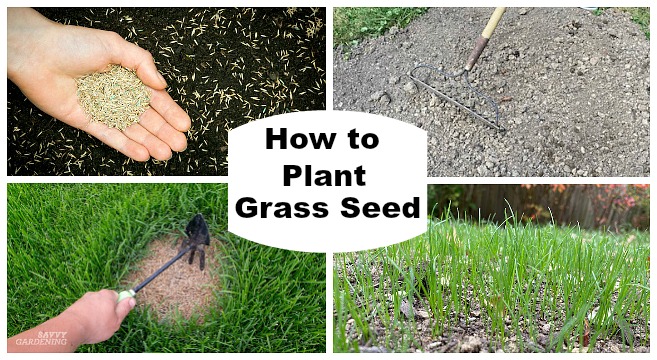
Image Source: savvygardening.com
The Seed’s Journey: From Packet to Patch
The magical transformation of a lawn begins with a humble seed. But what happens underground, and how quickly does that potential translate into visible green?
Deciphering Seed Germination Time
The first hurdle for your lawn is germination. This is the process where the seed cracks open and begins to grow a root and a shoot.
-
Factors Influencing Germination:
- Grass Type: Different grass species have different germination requirements. Cool-season grasses like fescues and ryegrass typically germinate faster than warm-season grasses like Bermuda or Zoysia.
- Soil Temperature: This is a critical factor. Most grass seeds need specific soil temperatures to germinate. Too cold, and they won’t sprout. Too hot, and they might die.
- Moisture: Consistent moisture is vital. The soil needs to be kept damp, but not waterlogged, throughout the germination period.
- Seed-to-Soil Contact: Seeds need to be in direct contact with the soil to absorb moisture and nutrients.
-
Typical Germination Windows:
- Perennial Ryegrass: 5-7 days
- Tall Fescue: 7-14 days
- Fine Fescues: 7-21 days
- Kentucky Bluegrass: 14-21 days
- Bermuda Grass: 10-14 days (warm season)
- Zoysia Grass: 14-28 days (warm season)
Grass Seed Sprouting: The First Signs of Life
Once germination occurs, you’ll start to see tiny sprouts pushing through the soil surface. This is an exciting milestone!
- What to Look For: You’ll notice delicate green blades emerging from the soil. At this stage, the seedlings are very fragile.
- Early Care: Continue to keep the soil consistently moist. Light watering is best to avoid washing away the tiny seedlings. Avoid walking on newly sprouted areas.
New Lawn Growth Rate: Building the Foundation
After sprouting, your lawn enters a phase of rapid growth as it develops roots and blades.
Factors Affecting New Lawn Growth Rate
Several elements will influence how quickly your new grass grows:
- Temperature: Optimal temperatures for the specific grass type are crucial.
- Sunlight: Most grasses need at least 6-8 hours of direct sunlight per day. Shady areas will naturally grow slower.
- Water: Consistent and appropriate watering is essential for healthy growth.
- Soil Nutrients: The soil needs the right balance of nutrients, particularly nitrogen, to fuel growth. A starter fertilizer can be beneficial.
- Seeding Density: Planting too many seeds can lead to competition and slower individual plant growth. Planting too few can result in thin patches.
Visualizing the Growth Timeline
- Week 1-2 Post-Sprouting: Seedlings are still very short, perhaps only half an inch to an inch tall. They are developing their initial root systems.
- Week 3-4 Post-Sprouting: You’ll notice more significant growth, with the grass blades becoming denser and taller. The lawn will start to appear “green.”
- Week 5-6 Post-Sprouting: The lawn should be growing steadily. At this point, it may be tall enough for its first mowing.
Sod vs Seed: A Comparison of Speed and Effort
When considering a new lawn, the choice between sod vs seed is a common one. Each has its pros and cons, primarily concerning speed and cost.
Sod: Instant Gratification
- What it is: Sod is pre-grown grass, complete with roots, that is harvested in rolls or slabs.
- Pros:
- Instant Lawn: You get an established lawn immediately upon installation.
- Erosion Control: The root system helps hold the soil in place.
- Weed Suppression: The dense turf helps prevent weeds from taking root.
- Cons:
- Cost: Sod is significantly more expensive than seed.
- Transportation and Installation: Can be labor-intensive and requires careful handling.
- Transplant Shock: Sod can experience transplant shock if not watered and cared for immediately.
Seed: The Budget-Friendly Approach
- What it is: Grass seed is the collection of dormant grass plants waiting to germinate.
- Pros:
- Cost-Effective: Much cheaper than sod, especially for larger areas.
- Variety Selection: You have a wider choice of grass types to suit your specific climate and needs.
- Deeper Root System: Lawns grown from seed often develop deeper, more resilient root systems over time.
- Cons:
- Time: Requires patience as the lawn grows from seed.
- Vulnerability: Young seedlings are susceptible to damage from foot traffic, pests, and weather.
- Weed Competition: During the establishment phase, weeds can easily outcompete young grass.
The Long Game: Establishing Your Lawn
The initial growth is just the beginning. The lawn establishment period is crucial for creating a durable and healthy lawn.
Time to Establish Grass: Beyond the Green Blades
When we talk about time to establish grass, we’re referring to the period it takes for the grass to develop a strong, mature root system and a dense, resilient turf.
- Initial Establishment (Light Traffic): For most grass types, the lawn can handle very light foot traffic (e.g., walking carefully) about 6-8 weeks after germination. However, the roots are still relatively shallow.
- Full Establishment (Mowing, Play): For the lawn to be truly established – meaning it can withstand regular mowing, play, and general use – it typically takes 6 to 12 months. This is when the root system has deepened and the turf has become dense.
Overseeding Timeline: Improving Existing Lawns
If you’re not starting from scratch but instead looking to thicken up an existing lawn, the overseeding timeline is slightly different.
- Best Time to Overseed: The ideal times for overseeding are typically in the fall (for cool-season grasses) or late spring/early summer (for warm-season grasses). This allows the new seed to germinate and establish in favorable temperatures.
- Germination and Initial Growth: Expect similar germination times (7-14 days) as a new lawn.
- Visible Improvement: You’ll start to see a difference in density within 3-4 weeks, but the overseeded grass will take several months to fully integrate with the existing turf and contribute to its overall resilience.
From Seed to Mature Lawn: The Full Cycle
The journey from seed to mature lawn is a marathon, not a sprint. Patience and consistent care are key.
Stages of Lawn Development
- Seed Stage: The dormant seed waiting for the right conditions.
- Germination Stage: The seed sprouts, sending out roots and shoots. (Typically 1-3 weeks)
- Seedling Stage: Very young grass with a developing root system. (First 4-6 weeks after sprouting)
- Establishment Stage: Grass grows denser, roots deepen, and it can withstand light traffic. (6 weeks to 6-12 months)
- Mature Lawn: Fully established, dense turf capable of handling regular use. (6-12 months onwards)
Factors Affecting Seed to Mature Lawn Time
- Grass Type: As mentioned, some grasses mature faster than others.
- Environmental Conditions: Weather patterns, soil quality, and sunlight availability play a significant role.
- Maintenance Practices: Regular watering, fertilization, and proper mowing techniques are vital.
- Pest and Disease Pressure: Infestations or diseases can stunt growth and delay maturity.
Achieving Optimal Growth: Best Practices
To maximize your seed to coverage and ensure a healthy, established lawn, follow these best practices.
Best Time to Seed Grass
Choosing the right time to sow your seed is paramount to success.
- Cool-Season Grasses (e.g., Fescue, Ryegrass, Bluegrass):
- Fall: This is generally the best time. The soil is still warm enough for germination, and the air temperatures are cooling, which is ideal for growth. Fall also provides ample time for the grass to establish before winter dormancy.
- Spring: A good second option, but be aware that emerging weeds can be a challenge, and the young grass may struggle with summer heat if not fully established.
- Warm-Season Grasses (e.g., Bermuda, Zoysia, Centipede):
- Late Spring to Early Summer: These grasses need warm soil temperatures to germinate and grow vigorously. Seeding too early in spring risks cold snaps that can kill seedlings.
Seed-to-Soil Contact: The Unsung Hero
This is one of the most critical, yet often overlooked, steps for successful seeding.
- Why it Matters: Seeds need to be nestled into the soil to absorb moisture and nutrients necessary for germination. If seeds lie on top of the soil or thatch, they are more likely to dry out and fail to sprout.
- How to Achieve It:
- Prepare the Soil: Loosen compacted soil. Remove debris.
- Rake: Lightly rake the soil surface before spreading seed.
- Spread Seed: Distribute the seed evenly.
- Light Rake Again: Gently rake the seed into the top 1/4 inch of soil.
- Roll (Optional): Using a lawn roller can improve seed-to-soil contact, but avoid packing the soil too tightly.
Watering: The Lifeblood of Your New Lawn
Proper watering is essential from the moment the seed is sown.
- During Germination: Keep the seedbed consistently moist. This means light watering several times a day. The soil surface should never be allowed to dry out completely.
- After Sprouting: As the seedlings grow, you can gradually reduce the frequency of watering but increase the duration. Aim for deeper, less frequent watering to encourage deeper root growth.
- Establishment Period: Continue with deep watering to help the roots penetrate deeper into the soil.
Fertilization: Fueling Growth
- Starter Fertilizer: Apply a starter fertilizer at the time of seeding. These fertilizers are typically higher in phosphorus, which is crucial for root development.
- Follow-Up Feeding: Once the grass is mowed a few times, you can switch to a more balanced fertilizer or one formulated for established lawns, following the recommendations for your specific grass type.
Mowing: The First Cut
- When to Mow: Wait until the new grass reaches about one-third taller than its ideal mowing height. For most grasses, this means waiting until it’s around 3-4 inches tall.
- How to Mow:
- Sharp Blade: Always use a sharp mower blade to prevent tearing the delicate grass.
- Mow High: Mow at the higher end of the recommended height for your grass type. This encourages deeper root growth and helps shade out weeds.
- Don’t Remove Too Much: Never remove more than one-third of the grass blade in a single mowing.
Troubleshooting Common Seeding Issues
Even with the best intentions, problems can arise. Here are common issues and how to address them.
Patchy Growth: Why Isn’t My Lawn Even?
- Poor Seed-to-Soil Contact: Seeds didn’t settle into the soil properly in certain areas.
- Uneven Watering: Some spots may have dried out while others remained too wet.
- Soil Compaction: Hard soil prevents roots from establishing.
- Nutrient Deficiencies: Lack of essential nutrients in certain areas.
- Pest or Disease: Grubs or fungal diseases can kill young grass.
Solution: Identify the cause. Aerate compacted soil. Ensure even watering. Consider a soil test if nutrient issues are suspected. Apply appropriate pest or disease control if necessary.
Excessive Weeds: My Lawn is Full of Them!
- Competition: Weeds often germinate faster and grow more vigorously than grass seed, especially in less-than-ideal conditions.
- Pre-Emergent Timing: If you applied a pre-emergent herbicide too close to seeding, it could have inhibited grass seed germination.
- Thin Turf: Sparse grass allows more room for weeds to establish.
Solution: Hand-pull weeds as much as possible. Once the grass is established, a selective herbicide can be used. Focus on promoting a dense, healthy lawn to outcompete weeds naturally.
Slow Germination: Where Are My Sprouts?
- Incorrect Soil Temperature: The soil is too cold or too hot.
- Insufficient Moisture: The seedbed dried out at a critical stage.
- Old or Poor-Quality Seed: The seed may not be viable.
- Lack of Sunlight: For species that require it, insufficient light can hinder germination.
Solution: Check soil temperatures. Ensure consistent moisture. Purchase seed from a reputable source. Ensure adequate sunlight.
Frequently Asked Questions (FAQ)
Q1: Can I walk on my new lawn from seed?
A1: It’s best to avoid walking on your new lawn as much as possible until it is well-established (around 6-8 weeks for very light traffic). The young grass blades and developing root systems are very fragile and can be easily damaged or uprooted.
Q2: How often should I water my new lawn from seed?
A2: During germination, water lightly and frequently (several times a day) to keep the seedbed consistently moist. Once the grass starts to sprout, gradually reduce the frequency and increase the duration of watering to encourage deeper root growth. Aim for about 1 inch of water per week, delivered in one or two deep soakings.
Q3: When can I mow my new lawn from seed?
A3: Wait until the new grass blades reach about one-third taller than your desired mowing height (typically around 3-4 inches). Always use a sharp mower blade and only remove one-third of the grass blade at a time.
Q4: My lawn is patchy. What should I do?
A4: Patchy growth can be due to poor seed-to-soil contact, uneven watering, or soil issues. Identify the cause and address it. You may need to reseed thin areas once the initial seeding has had a chance to establish.
Q5: Is it better to seed in spring or fall?
A5: For cool-season grasses, fall is generally the best time to seed. For warm-season grasses, late spring to early summer is ideal. This allows the seeds to germinate and establish in optimal temperature conditions.
Q6: How long does it take for grass seed to fully establish?
A6: Full establishment, meaning the lawn can withstand regular use and has a deep, resilient root system, typically takes anywhere from 6 to 12 months.
Q7: What does “seed to coverage” mean?
A7: “Seed to coverage” refers to the entire process of sowing grass seed until the lawn has grown in thick and dense enough to cover the entire desired area, creating a uniform lawn. This usually takes several months to a year to achieve fully.