
So, how often should a lawn be fertilized? Generally, most lawns benefit from fertilization 2 to 4 times per year, with the exact frequency depending on your grass type, climate, and soil condition.
Ensuring your lawn receives the right amount of nutrients at the correct times is crucial for its vibrant appearance and robust health. Fertilizing your lawn is a fundamental practice for lawn health and fertilization, acting as a vital supplement to the nourishment your grass can obtain from the soil and sunlight alone. Without adequate feeding, grass can become thin, discolored, and more susceptible to weeds, diseases, and environmental stress. This guide will delve into the “why,” “when,” and “how” of lawn fertilization, providing you with a comprehensive lawn feeding schedule and actionable lawn fertilization tips to achieve a lush, green, and resilient lawn.
Image Source: www.canr.msu.edu
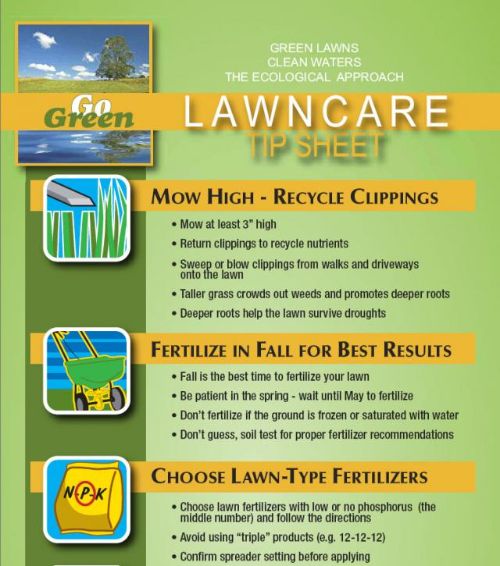
Deciphering Your Lawn’s Nutritional Needs
Your lawn, like any living organism, requires a balanced diet to thrive. Fertilizers provide essential macronutrients – nitrogen (N), phosphorus (P), and potassium (K) – often referred to as the “big three” on fertilizer packaging.
- Nitrogen (N): This is the most critical nutrient for grass growth and color. Nitrogen promotes leafy growth and a deep green hue. However, too much nitrogen can lead to rapid, weak growth that is more prone to disease and drought.
- Phosphorus (P): Phosphorus is vital for root development, seedling establishment, and flowering (though grass doesn’t typically flower for aesthetic purposes). While important, many established lawns already have sufficient phosphorus in the soil, so it’s often less crucial for ongoing fertilization of mature lawns.
- Potassium (K): Potassium plays a role in overall plant health, improving drought tolerance, disease resistance, and cold hardiness. It helps the grass withstand environmental stresses.
Beyond these primary nutrients, lawns also need micronutrients like iron, manganese, and zinc, which are usually present in adequate amounts in the soil or provided by a balanced fertilizer.
Determining Fertilizing Frequency: A Seasonal Approach
The question of fertilizing frequency is best answered by considering the growth cycles of different grass types and the prevailing climate conditions. A well-planned lawn feeding schedule will align with these natural patterns.
Spring Lawn Care: Awakening Your Turf
Spring is a pivotal time for lawn fertilization. After a dormant winter, grass plants are emerging and gearing up for active growth.
Purpose of Spring Fertilization:
- Replenish Nutrients: Winter can deplete soil nutrients. Spring feeding helps replenish them.
- Promote Green-Up: Nitrogen application encourages lush, green growth.
- Encourage Root Development: While top growth is noticeable, supporting root growth is also key.
- Aid Recovery: Helps the lawn recover from winter damage.
Timing is Key: The best time to fertilize lawn in spring is generally after the grass has begun its active growth but before the heat of summer sets in. For cool-season grasses (like fescues, bluegrass, and ryegrass), this is typically from mid-spring (April to May). For warm-season grasses (like Bermuda, Zoysia, and St. Augustine), spring fertilization can occur as soon as the grass shows signs of actively growing, usually in late spring to early summer.
Summer Lawn Care: Navigating the Heat
Fertilizing in the heat of summer can be risky. Many fertilizers, especially those high in nitrogen, can “burn” the grass if applied during periods of high temperatures and low moisture.
Considerations for Summer Fertilization:
- Avoid if Possible: If your lawn is healthy and received proper spring fertilization, you might be able to skip summer feeding.
- Low-Nitrogen or Slow-Release: If fertilization is necessary, opt for a slow-release fertilizer low in nitrogen or a product specifically designed for summer application.
- Watering is Crucial: If you do fertilize in summer, ensure the lawn is well-watered before and after application to prevent damage.
Fall Lawn Care: Preparing for Dormancy and Beyond
Fall is arguably the most important time for lawn fertilization, especially for cool-season grasses. This feeding helps the grass store energy for winter and promotes strong root growth.
Purpose of Fall Fertilization:
- Build Reserves: Allows the grass to store energy to survive winter.
- Enhance Root Growth: Fall temperatures are ideal for root development, and nutrients support this.
- Promote Early Spring Growth: A well-fed lawn will green up faster and more vigorously in the spring.
- Aid Recovery: Helps the lawn recover from summer stress.
Timing is Key: The best time to fertilize lawn in the fall for cool-season grasses is typically from early fall (September to October), after the intense summer heat has passed. For warm-season grasses, a late-summer or early-fall fertilization can still be beneficial, but avoid fertilizing too late into the fall as it can stimulate growth that won’t harden off before winter.
Winter Lawn Care: A Time of Rest
Generally, fertilization is not recommended during winter when the grass is dormant or has been fully established in the fall. Applying fertilizer during this period can stimulate growth that is not sustainable and may lead to winter damage.
Choosing the Right Fertilizer Types for Lawns
The type of fertilizer you choose significantly impacts its effectiveness and the health of your lawn. Different fertilizer types for lawns offer varying benefits.
Understanding Fertilizer Labels (N-P-K Ratio)
Fertilizer bags display an N-P-K ratio, which represents the percentage by weight of nitrogen (N), phosphorus (P), and potassium (K).
- Example: A bag labeled 10-10-10 contains 10% nitrogen, 10% phosphorus, and 10% potassium.
Types of Fertilizers:
- Quick-Release Fertilizers: These release nutrients rapidly. They can provide a quick green-up but are more prone to “burning” the lawn and can leach out of the soil quickly, requiring more frequent application.
- Slow-Release Fertilizers: These release nutrients gradually over several weeks or months. They are less likely to burn the lawn, provide a more consistent supply of nutrients, and are generally considered more environmentally friendly due to reduced leaching. Many modern lawn fertilizers are slow-release or coated to achieve this effect.
- Organic Fertilizers: Derived from natural sources like compost, manure, bone meal, or fish emulsion, organic fertilizers release nutrients slowly as they break down in the soil. They also improve soil structure and microbial activity, contributing to long-term lawn health and fertilization.
- Synthetic Fertilizers: These are manufactured chemically and offer precise nutrient formulations. They can be very effective for quick results but do not improve soil structure and can be more damaging if over-applied.
Lawn Fertilization Tips for Optimal Results
Applying fertilizer correctly is as important as choosing the right type and timing. Here are essential lawn fertilization tips:
1. Soil Testing: The Foundation of Fertilization
Before you start fertilizing, conduct a soil test. This is a crucial step often overlooked in lawn fertilization tips. A soil test will reveal your soil’s pH level and nutrient deficiencies.
- pH Level: Grass thrives in a specific pH range (typically 6.0-7.0 for most turfgrasses). If the pH is too high or too low, nutrients will not be available to the grass, regardless of how much fertilizer you apply.
- Nutrient Deficiencies: A test will indicate if your soil is lacking specific nutrients, allowing you to choose a fertilizer tailored to your lawn’s needs.
You can obtain soil testing kits from local garden centers or your county’s agricultural extension office.
2. Calibrate Your Spreader
Accurate lawn fertilizer application is vital. Over-applying fertilizer can damage your lawn and the environment, while under-application will yield poor results.
- Spreader Settings: Fertilizer bags usually provide recommended settings for various spreader models. However, it’s wise to calibrate your spreader to ensure accurate application rates.
- Types of Spreaders:
- Rotary Spreaders: Broadcast fertilizer over a wide area in an arc. Good for large lawns.
- Drop Spreaders: Apply fertilizer directly in a narrow band. Best for precise application along edges and around obstacles.
3. Application Techniques
- Mow Before Fertilizing: Mow your lawn a day or two before fertilizing. This removes excess foliage that might interfere with fertilizer distribution and allows the fertilizer to reach the soil.
- Watering:
- Before Application: If the soil is very dry, water the lawn thoroughly a day or two before fertilizing. This helps prevent fertilizer burn.
- After Application: For granular fertilizers, water the lawn immediately after application. This helps wash the fertilizer off the grass blades and into the soil, where it can be absorbed by the roots. A light watering is usually sufficient.
- Apply Evenly: Walk at a steady pace and overlap passes slightly to ensure even coverage. Avoid leaving clumps of fertilizer.
- Avoid Sidewalks and Driveways: Fertilize only the lawn. Sweep any spilled fertilizer off hard surfaces to prevent it from washing into storm drains and polluting waterways.
4. Understanding Fertilizer Needs for Different Grass Types
The best fertilization schedule varies based on whether you have cool-season or warm-season grasses.
Cool-Season Grasses (e.g., Kentucky Bluegrass, Fescue, Ryegrass)
These grasses grow most actively in the cooler temperatures of spring and fall.
- Spring: Light application of a balanced or nitrogen-rich fertilizer after dormancy breaks.
- Summer: Generally avoid fertilization, or use a slow-release, low-nitrogen product if absolutely necessary.
- Fall: The most critical feeding period. Apply a fertilizer higher in nitrogen to promote vigorous growth and root development for winter survival.
- Late Fall (Dormant Feeding): Some experts recommend a late fall application of a slow-release nitrogen fertilizer just before the ground freezes. This provides early nutrients for spring growth.
Warm-Season Grasses (e.g., Bermuda Grass, Zoysia Grass, St. Augustine Grass)
These grasses thrive in warmer temperatures and go dormant in cooler months.
- Spring: Fertilize as soon as active growth begins, usually in late spring.
- Summer: Fertilization is typically needed throughout the summer to maintain growth and color. Use a balanced fertilizer or one with a higher nitrogen content.
- Fall: A light application in early fall can help the grass prepare for winter dormancy. Avoid fertilizing too late into the season.
5. Overseeding and Fertilizing: A Synergistic Approach
Overseeding and fertilizing can work together to improve lawn density and health.
- When to Overseed: Overseeding is best done in the fall for cool-season grasses and late spring/early summer for warm-season grasses.
- Fertilizing for Overseeding:
- Before Overseeding: A light application of a starter fertilizer (which typically has a higher phosphorus content to promote root growth) can be beneficial before overseeding.
- After Overseeding: Once the new seedlings have emerged and been mowed a couple of times, a light application of a balanced fertilizer can help them establish.
This combination helps the new grass seedlings establish strong root systems and compete with existing turf.
Common Lawn Fertilization Mistakes to Avoid
Even with the best intentions, mistakes can happen. Here are common pitfalls and how to steer clear of them.
Over-Fertilization
- Symptoms: Yellowing or browning grass (fertilizer burn), excessive thatch buildup, increased susceptibility to disease.
- Solution: Always follow application rate instructions on the fertilizer bag. Use a spreader and calibrate it correctly.
Under-Fertilization
- Symptoms: Slow growth, pale green or yellowing grass, thin turf, increased weed invasion.
- Solution: Stick to a consistent lawn feeding schedule based on your grass type and soil test results.
Fertilizing Dormant Grass
- Symptoms: Fertilizer sitting on the soil surface without being absorbed, potential for runoff and pollution, wasted product.
- Solution: Fertilize only when the grass is actively growing and has sufficient moisture.
Fertilizing Dry Lawns
- Symptoms: Fertilizer crystals can scorch the grass blades, causing brown patches.
- Solution: Water the lawn before and/or after application as recommended.
Applying Fertilizer to Hard Surfaces
- Symptoms: Fertilizer can wash into storm drains, polluting waterways and harming aquatic life.
- Solution: Sweep any spilled fertilizer back onto the lawn immediately.
Promoting Overall Lawn Health and Fertilization
Beyond just fertilizing, a holistic approach to lawn health and fertilization will yield the best results.
Proper Mowing
- Mow High: Cutting grass too short weakens it and exposes the soil to sunlight, encouraging weed germination and increasing water loss.
- Sharp Mower Blades: Dull blades tear grass blades, leaving ragged edges that are prone to disease and browning.
- Mulch Clippings: Grass clippings are a natural source of nitrogen and organic matter. Leaving them on the lawn can act as a natural fertilizer.
Adequate Watering
- Deep and Infrequent: Water deeply to encourage deep root growth, which makes the grass more drought-tolerant. Avoid frequent, shallow watering.
- Water in the Morning: This allows the grass to dry before evening, reducing the risk of fungal diseases.
Weed and Pest Control
- Integrated Pest Management (IPM): Use the least toxic methods first. Healthy, well-maintained lawns are naturally more resistant to weeds and pests.
- Spot Treat: Address weed or pest problems as they arise rather than applying broad-spectrum chemicals preventatively.
Frequently Asked Questions About Lawn Fertilization
Here are answers to some common questions regarding lawn fertilization tips and practices.
Q1: Can I fertilize my lawn when it’s dry?
It’s generally not recommended to fertilize a very dry lawn as the fertilizer salts can draw moisture from the grass blades, leading to burn. Water the lawn a day or two before fertilizing if the soil is dry.
Q2: What is the best fertilizer for a new lawn?
For new lawns, a starter fertilizer with a higher phosphorus content (the middle number in the N-P-K ratio) is recommended. Phosphorus aids in root development, which is crucial for young grass.
Q3: How soon after seeding can I fertilize?
You can usually fertilize a newly seeded lawn lightly once the seedlings have emerged and been mowed a couple of times. Use a starter fertilizer or a balanced fertilizer at a reduced rate.
Q4: What are the signs of over-fertilization?
Signs of over-fertilization include brown or yellowing patches on the lawn (fertilizer burn), excessive thatch, and the grass becoming overly lush and weak.
Q5: Should I fertilize my lawn if I have pets?
Yes, but choose your fertilizer carefully. Many organic fertilizers are pet-friendly. If using synthetic fertilizers, keep pets off the lawn until the fertilizer has been watered in and the grass has dried completely. Always read and follow product label instructions.
Q6: How often should I fertilize if I use slow-release fertilizer?
With slow-release fertilizers, you can often fertilize less frequently. A typical schedule might be 2-3 times per year, focusing on spring and fall, rather than 4 or more applications. Always refer to the specific product’s instructions.
By following these guidelines for lawn health and fertilization, you can cultivate a beautiful, healthy lawn that enhances your home’s curb appeal and provides a great space for outdoor enjoyment. Remember that consistency and observation are key – pay attention to how your lawn responds to fertilization and adjust your lawn feeding schedule as needed.